
Add GIZMOCHINA as Preferred Source on Google
TSMC’s 4nm process is the talk of the town these days. Leading brands like MediaTek, Qualcomm, and Samsung have already adopted this process to manufacture their latest chips. It was expected that Apple would also join the party and switch to the new 4nm process for its upcoming A16 chip, however, to our disappointment, the company will likely continue to use TSMC’s 5nm process.
TSMC’s Roadmap, as brought to light by reputable Analyst Ming-Chi Kuo, reveals that the A16 SoC for this year’s iPhones will only use the 5nm process. This news coincides with a recent claim made by the leaker ShrimpApplePro who said that instead of the 4nm process, the new A16 chip will benefit from an upgraded CPU and GPU and faster LPDDR5 RAM
Both Shrimp and Kuo indicate that the 4nm process isn’t significantly better than the 5nm approach, and any improvements would be marginal. However, this claim appears to be contradictory because Qualcomm‘s most recent flagship chip, the Snapdragon 8 Plus Gen 1, is said to have benefited from TSMC’s 4nm technology.
Using the same fabrication level often limits the generation’s potential performance and power efficiency advancements. However, the A15 chip still provided 10% performance and efficiency improvements over the A14 processor despite using the same 5nm technology. So, it is likely that the upcoming A16 chip will provide more power and efficiency than its predecessor.
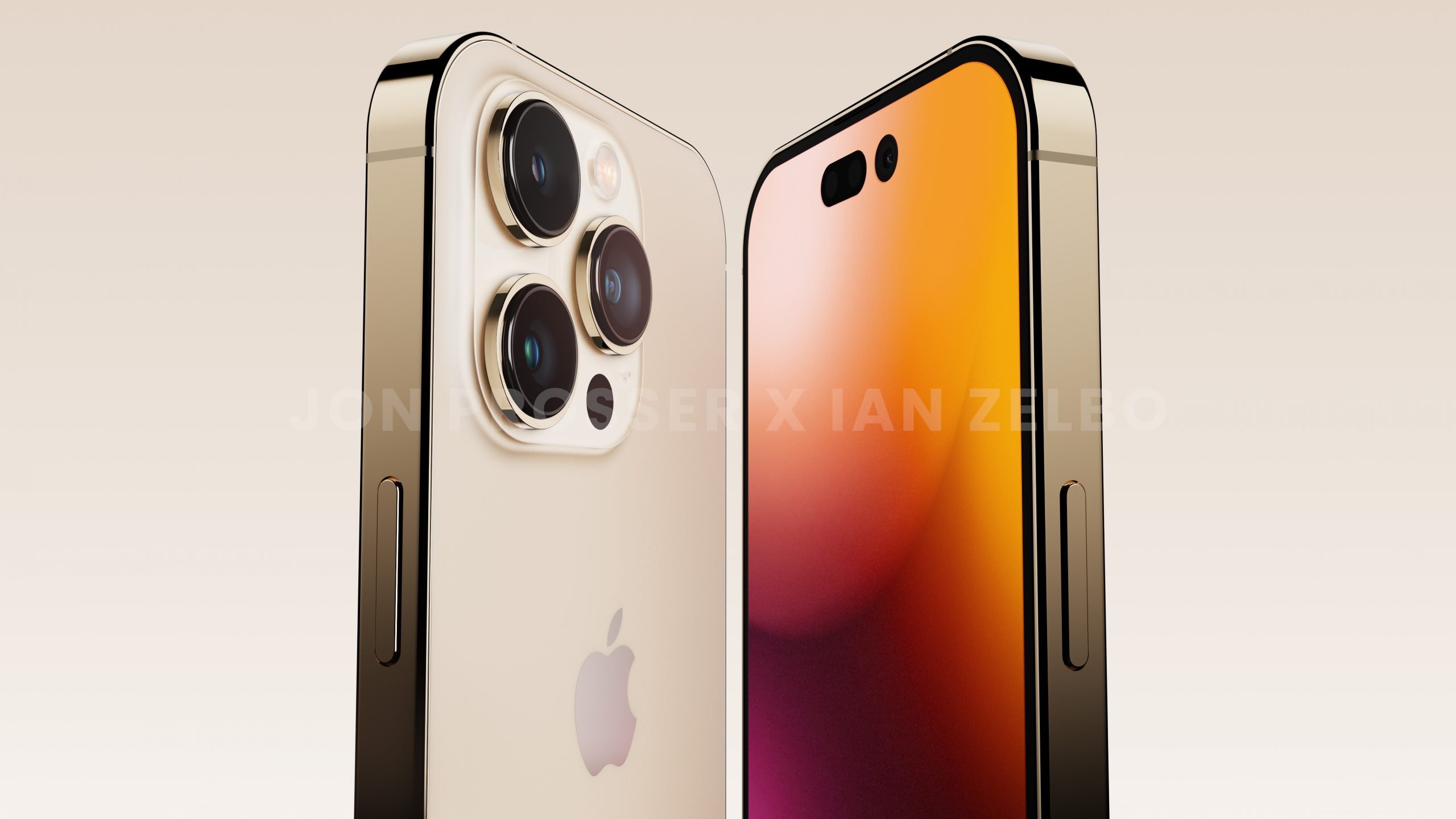
It is worth mentioning that the A16 chip will only be present in the iPhone 14 Pro and Pro max versions, and the rest two models will carry the same chip as the previous year’s iPhone 13 models.
It was recently reported that Apple is running behind schedule with its upcoming iPhone 14 series. One of the models (Likely the iPhone 14 Max) is said to be facing a 3 weeks delay. It is still expected that the company will unveil its latest smartphones in September.
Related:
- Apple’s iPhone 14 max Production Hampered due to the Lockdown in China: Report
- Apple A16 Bionic chip may still be based on TSMC’s 5nm process: Report
- Apple iPhones with eSIM face bug that deactivates FaceTime and iMessage
- Apple Foldable Phones and Tablets in the future may feature Color E-Ink display: Kuo




Comments