
Add GIZMOCHINA as Preferred Source on Google
When we think of mobile processors, Qualcomm is often the first company that comes to mind. This is because their chips are widely used in high-end and mid-range devices. However, it may come as a surprise to many that MediaTek, a Taiwanese manufacturer, is actually the world’s top-selling chip producer, surpassing even Qualcomm. With a wide range of chips produced for all kinds of devices, MediaTek has secured a significant market share. Following in their footsteps, Chinese company Unisoc is also adopting a similar strategy to expand their market share, particularly in the low-end smartphone chip market. Here are the details…
At Unisoc’s Shanghai showroom, China’s chip ambitions remain strong in the mature technology arena
Chinese chip firm Unisoc is expanding its market share in low-end smartphone chips, The company’s success lies in its focus on less advanced chips, allowing it to remain relatively unscathed by US sanctions to date. In fact, Unisoc’s share of the global smartphone chip market was 10% in Q3 2022, according to market research firm Counterpoint, ahead of Samsung Electronics.
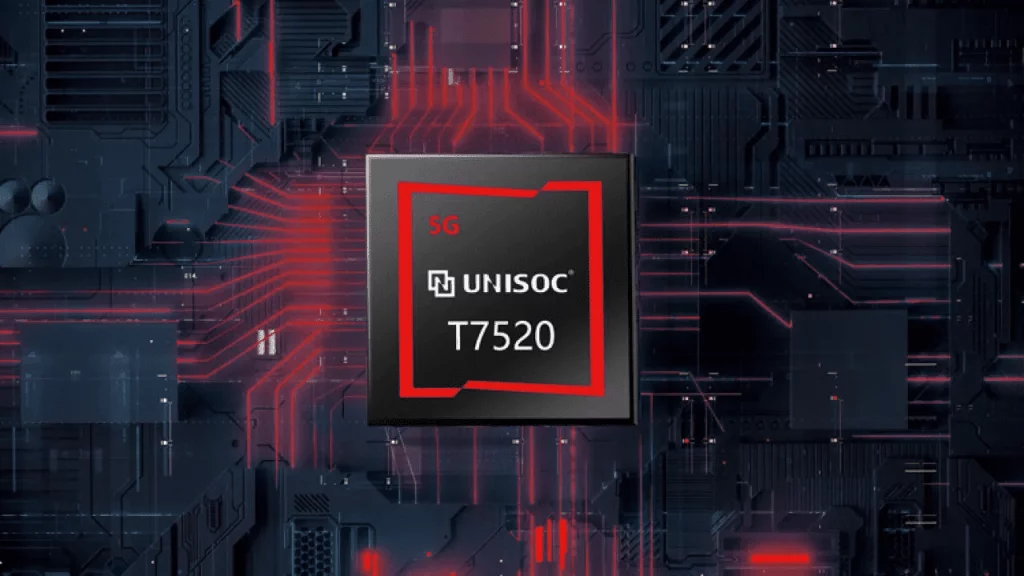
Unisoc’s success with 5G chips is notable, including the launch of the T820 chip in November 2022 and the subsequent launch of a 5G communication solution at the Mobile World Conference in Barcelona in March 2023. Unisoc’s T820 chip was made possible by a team of more than 200 engineers who slept at the office for nearly three months during Covid lockdowns last year.
Unisoc has not elaborated on plans for mass production of the chip, but the company has launched three 5G chips using a 6-nanometre extreme ultraviolet lithography process, with the other two chips achieving mass production and being adopted by low-end smartphone brands in China. Despite Unisoc’s success, the company remains exposed to US sanctions because China still lacks advanced fabrication plants of its own.
For example, Huawei’s chip design unit, HiSilicon, was hobbled by US trade sanctions on exports of advanced chips, which required Taiwan Semiconductor Manufacturing Co to stop doing business with it. Unisoc has ramped up efforts to diversify its operations, extending the application of 5G chips beyond consumer electronic products to industrial solutions such as medical services, logistics, electricity, and mining, among others. The company’s shipments of 5G Internet of Things (IoT) chips and modules also increased 146% last year.
Unisoc is conducting a new 10 billion yuan (US$1.45 billion) fundraising round, according to Reuters, and its business covers more than 133 countries, with 80% of its products sold to overseas markets. Unisoc’s success underscores the life in the domestic semiconductor industry, particularly the section that focuses on more mature chip technologies.
According to China’s chip design industry association, the country had 3,243 chip design firms by the end of 2022, with their combined sales up 16% from a year ago. While risks remain, Unisoc is a shining example of how Chinese semiconductor companies can survive and even thrive under US trade sanctions.
RELATED:
- Huawei Accused of Tracking Visitors Via Security Badges at MWC 2023
- Best Gaming Laptops under $1500 in 2023 – Premium Performance
- Apple’s MR device is intriguing but it may not become another iPhone
- US Reviews Huawei Export License Policy Amidst Congressional Scrutiny of China
- iPhone 15 Pro Series Set To Drive High Demand With A17 Bionic Chipset
(via)


Comments