Add GIZMOCHINA as Preferred Source on Google
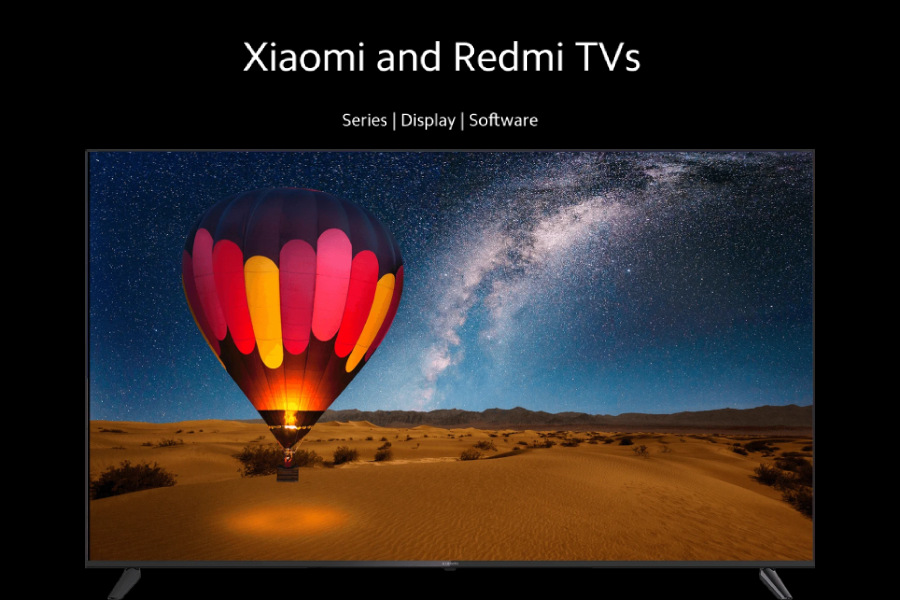
Xiaomi has established itself as a major player in the Indian television market, offering a range of TVs under both the Xiaomi and Redmi brands. This variety meets different budgets and needs, but it can also make choosing the right TV a bit confusing.
So in this article, we’ll simplify things by breaking down the Xiaomi TV lineup in India. We’ll categorize them by series, display technology, software, and price range. Let’s dive in!
1. Brand Differentiation
Just like their smartphones, Xiaomi offers TVs under both the Xiaomi and Redmi brands. As you might have guessed, Redmi TVs are generally positioned as a more budget-friendly option, while Xiaomi TVs cater to a wider range, including mid-tier and premium segments. That said, there is an affordable series under the Xiaomi brand called the Xiaomi Smart TV A series, which the company updates annually.
Xiaomi TV Series
Xiaomi offers several TV series under its brand name. Here’s a breakdown:
- Smart TV A Series: This series focuses on affordability, featuring HD-ready and Full HD resolutions suitable for budget-conscious buyers.
- Smart TV X Series: Stepping up the screen quality, the X Series offers 4K resolution with HDR capabilities, targeting those seeking a superior viewing experience.
- Smart TV X Pro Series: A step above the X Series, the X Pro Series offers higher-end features, such as improved picture processing and premium build materials.
- QLED / OLED TV: These are Xiaomi’s premium-end TVs packed with all the features you would expect on a flagship-grade TV.
Redmi Smart TVs
The smart TV choices available under the Redmi brand are more limited compared to Xiaomi. The current lineup centers around:
- Redmi Smart TV X Series: Similar to the Xiaomi X Series, these Redmi TVs provide 4K resolution with HDR for a price-conscious option in the 4K segment.
- Redmi Smart Fire TV Series: As implied by the name, this series comes pre-installed with Fire TV from Amazon as its operating system which may appeal to users familiar with the Amazon ecosystem.
2. Display Tech
The display technology used in Xiaomi TVs varies depending on the series and model.
- LED (Light-Emitting Diode): LED TVs are the most common display type across Xiaomi and Redmi’s lineup. They offer decent picture quality and are available at various price points.
- QLED (Quantum-dot Light-Emitting Diode): QLED is a variant of LED technology that utilizes quantum dots to enhance color accuracy and brightness. Currently, QLED TVs are not as prevalent in Xiaomi’s offerings in India.
- OLED TV: Sitting at the pinnacle of Xiaomi’s display technology offerings, OLED panels boast exceptional contrast ratios, perfect blacks, and wide viewing angles. This premium technology is ideal for discerning viewers seeking the most immersive and true-to-life picture quality.
- Resolution: Xiaomi TVs (including RedmI) offer a range of resolutions from HD Ready (720p) to Ultra HD (4K). Higher resolutions provide sharper visuals, which are ideal for larger screens and viewing content with intricate details.
3. Software
As of now, Xiaomi has two different software platforms for their TVs:
- Patchwall: This is Xiaomi’s proprietary smart TV interface built on top of Android, available on most Xiaomi and Redmi TVs. Patchwall focuses on content discovery with personalized recommendations and a curated content library. It can also seamlessly integrate with other Xiaomi smart home devices for a unified ecosystem experience.
- Fire TV: The brand recently introduced a few Redmi Smart TVs that run on Fire TV OS. They are easy to identify as they carry the ‘Fire TV’ tag in their name, such as ‘Redmi Smart Fire TV 4K’. They offer native access to the Amazon content library and can seamlessly integrate with other Amazon devices.
4. Price
Xiaomi’s TV lineup caters to a wide range of budgets. The A series caters to the affordable segment, with prices starting around Rs 12,499 for a 32-inch HD Ready model. Likewise, Redmi’s Smart Fire TV 4K 43-inch model costs Rs 24,999.
Prices increase steadily with larger screen type and size, higher resolution, and software experience, and can even exceed the 1 lakh mark. For instance, the Mi TV QLED 75 is likely the most expensive offering by the brand in India, priced at Rs 109,999.
5. Conclusion
Xiaomi’s dominance in the Indian smart TV market is due to its diverse product lineup catering to various budgets and preferences. The A series offers a more budget-friendly entry point, while the X series caters to those who want a premium home entertainment experience.
Moreover, with different software platforms like Android-based Patchwall and Fire TV available, users have the flexibility to choose their preferred platform. Ultimately, the decision comes down to individual needs and budget constraints.