
Add GIZMOCHINA as Preferred Source on Google

Vivo V30 is a mid-range smartphone launched earlier this year. It has an AMOLED screen, a Snapdragon 7 Gen 3 chip, a 50MP triple camera setup, and a 5,000mAh battery.
The Vivo phone is currently available at a starting price of Rs. 33,999 for the 8GB/128GB base variant and goes up to Rs. 37,999 for the top-end model with 12GB RAM. However, competitors are offering more powerful smartphones at similar pricing.
If you’re looking to purchase a Vivo V30, check out these 6 top alternatives to make a better purchase decision.
Let’s quickly review the Vivo V30 spec sheet first:
| Vivo V30 | |
|---|---|
| Display | 6.78″ 120Hz AMOLED 1260 x 2800 px resolution 452 PPI, HDR10+, 2800 nits (peak) |
| Rear Camera | 50MP (Wide) – OIS, f/1.88, 1/1.55″, 84° FOV 50MP (Ultrawide)- f/2.0, 1/2.76″, 119° FOV Video: 4K @ 30fps, 1080p @ 30fps |
| Front Camera | 50MP (Wide) – f/2.0, 1/2.76″, 92° FOV Video: 4K @ 30fps, 1080p @ 30fps |
| Chip | Snapdragon 7 Gen 3 (4nm) Adreno 720 GPU |
| RAM/Storage | 8GB/12GB LPDDR4X RAM 128GB/256GB UFS 2.2 storage |
| OS | Android 14, Funtouch OS 14 |
| Battery | 5,000mAh battery 80W charging |
| Connectivity | 5G, Wi-Fi 6, Bluetooth 5.4 |
| Misc | In-display fingerprint sensor Two nano-SIM slots |
1. Poco F6
| Poco F6 | |
|---|---|
| Display | 6.67″ 120Hz AMOLED 1220 x 2712 px resolution HDR10+, Dolby Vision, 2400 nits (peak) Corning Gorilla Glass Victus |
| Rear Camera | 50MP (Wide) – OIS, f/1.6, 1/1.95″ 8MP (Ultrawide) – f/2.2, 1/4.0″, 119˚ FOV Video: 4K @ 60fps, 1080p @ 60fps |
| Front Camera | 20MP – f/2.2 Video: 1080p @ 30fps, 720p @ 30fps |
| Chip | Snapdragon 8s Gen 3 (4nm) Adreno 735 GPU |
| RAM/Storage | 8GB/16GB LPDDR5X RAM 256GB/512GB UFS 4.0 storage |
| Battery | 5,000 mAh battery 90W wired (50% in 11 mins) |
| OS | Android 14, HyperOS |
| Connectivity | 5G, Wi-Fi 6, Bluetooth 5.4, NFC |
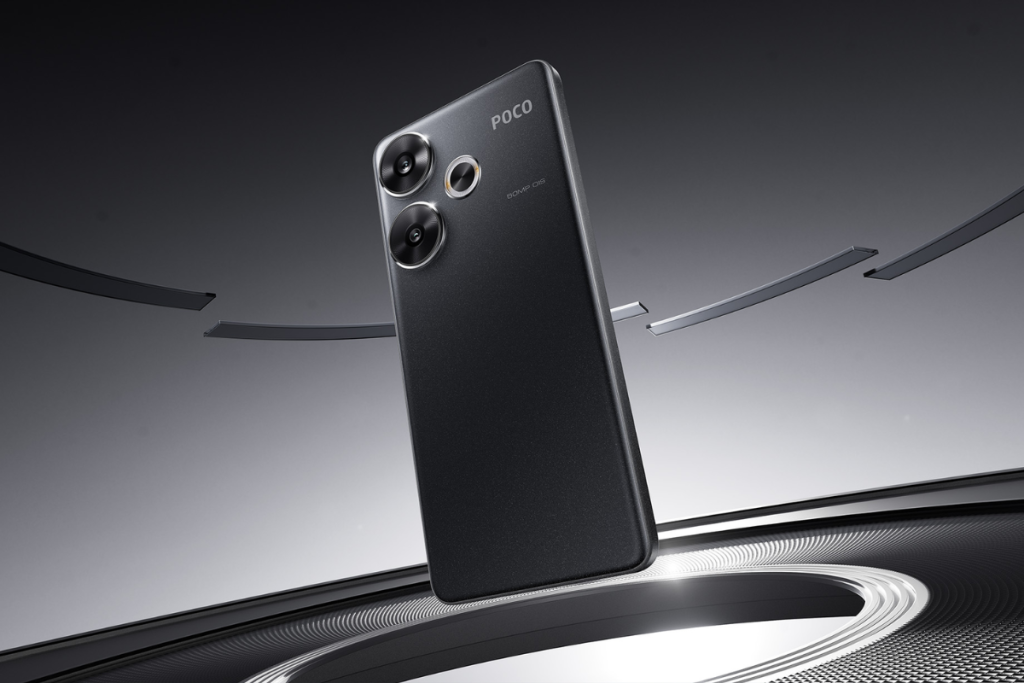
The Poco F6 is a great alternative to Vivo V30 at a cheaper price for someone who prioritizes performance. It packs a solid Snapdragon 8s Gen 3 chip, which performs way better than the Snapdragon 7 Gen 3 (in Vivo V30). Hence, you’ll see faster app loading, smoother performance, and gaming on the Poco F6.
The Poco smartphone has a slightly smaller screen of 6.67 inches (vs. 6.78 inches on Vivo V30) and is thicker but lightweight, too. Both have a 120Hz AMOLED panel, but the Vivo phone has a slightly higher peak brightness. However, the Poco phone can display 68 times more colors than the Vivo V30.
Both smartphones have a 50MP primary camera with optical image stabilization (OIS), although the secondary camera has a different resolution. The Vivo V30 has a 50MP ultrawide lens, whereas the Poco F6 has an 8MP sensor. The ultrawide sensors on both phones have a 119-degree field of view.
Both phones can record up to 4K videos using their rear cameras, but the Vivo phone can also record 4K videos with its 50MP selfie camera, which is limited up to 1080p on the Poco F6 with its 20MP sensor.
Both phones have the same connectivity features and the same 5,000mAh battery, but the Poco phone can refill the battery at a faster rate of 90W.
2. Realme GT 6
| Realme GT 6 | |
|---|---|
| Display | 6.78″ 120Hz AMOLED 1264 x 2780 px resolution HDR10+, Dolby Vision, 6000 nits (peak) Gorilla Glass Victus 2 |
| Rear Camera | 50MP (Wide) – OIS, f/1.69, 1/1.4″, 85˚ FOV 50MP (Telephoto) – f/2.0, 1/2.8″, 49.5˚ FOV 8MP (Ultrawide) – f/2.2, 1/4″, 112˚ FOV Video: 4K @ 30/60fps, 1080p @ 30/60fps Slow-Mo: 1080p @ 240fps, 720p @ 240/480fps |
| Front Camera | 32MP – f/2.45, 1/2.74″, 90˚ FOV Video: 4K @ 30fps, 1080p @ 30fps |
| Chip | Snapdragon 8s Gen 3 (4nm) Adreno 735 GPU |
| RAM/Storage | 8GB/12GB/16GB LPDDR5X RAM 256GB/512GB UFS 4.0 storage |
| Battery | 5,500 mAh battery 120W wired (50% in 10 min) |
| OS | Android 14, Realme UI 5.0 |
| Connectivity | 5G, Wi-Fi 6, Bluetooth 5.4, NFC |
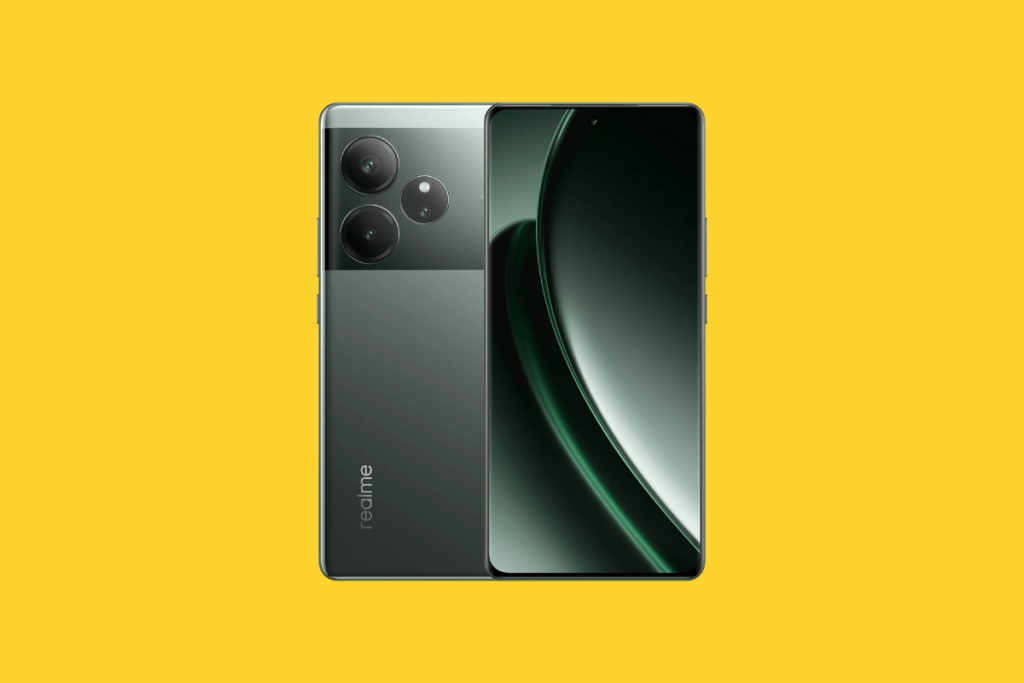
Realme GT 6 is another solid alternative to Vivo V30. It’s also powered by the flagship Snapdragon 8s Gen 3 chip, like the Poco F6. So, one thing is clear: you’ll get better performance on Realme GT 6 than on Vivo V30.
Both phones have the same screen size, but the Realme phone has an LTPO panel (variable refresh rate) and 6,000 nits of peak brightness.
Coming to the optics, the Realme GT 6 has a 50MP primary camera (with OIS), a 50MP telephoto lens, and an 8MP ultrawide lens (with 112˚ field of view). Compared to the Vivo V30, an additional lens is there in the GT 6 that works as a telephoto shooter.
The Realme GT 6 boasts a 32MP sensor for selfies and video calls. Both smartphones can record up to 4K videos with their front as well as rear cameras.
The Realme phone packs a slightly larger battery of 5,500mAh (vs. 5,000mAh on Vivo V30) and supports 120W fast charging. So, you get a bigger battery and faster charging support on Realme GT 6.
3. OnePlus 10 Pro
| OnePlus 10 Pro | |
|---|---|
| Display | 6.7″ 120Hz LTPO AMOLED 1440 x 3216 px resolution HDR10+, 1300 nits (peak) Gorilla Glass Victus |
| Rear Camera | 48MP (Wide) – OIS, f/1.8, 1/1.43″ 50MP (Ultrawide) – f/2.0, 1/2.76″, 150˚ FOV 8MP (Telephoto) – OIS, f/2.4, 3.3x optical zoom Video: 8K @ 24fps, 4K @ 30/60/120fps, 1080p @ 30/60fps |
| Front Camera | 32MP – f/2.2, 1/2.74″ Video: 1080p @ 30fps |
| Chip | Snapdragon 8 Gen 1 (4nm) Adreno 730 GPU |
| RAM/Storage | 8GB/12GB LPDDR5 RAM 128GB/256GB UFS 3.1 storage |
| Battery | 5,000 mAh battery 80W wired 50W wireless |
| OS | Android 12, OxygenOS 12 |
| Connectivity | 5G, Wi-Fi 6, Bluetooth 5.2, NFC |
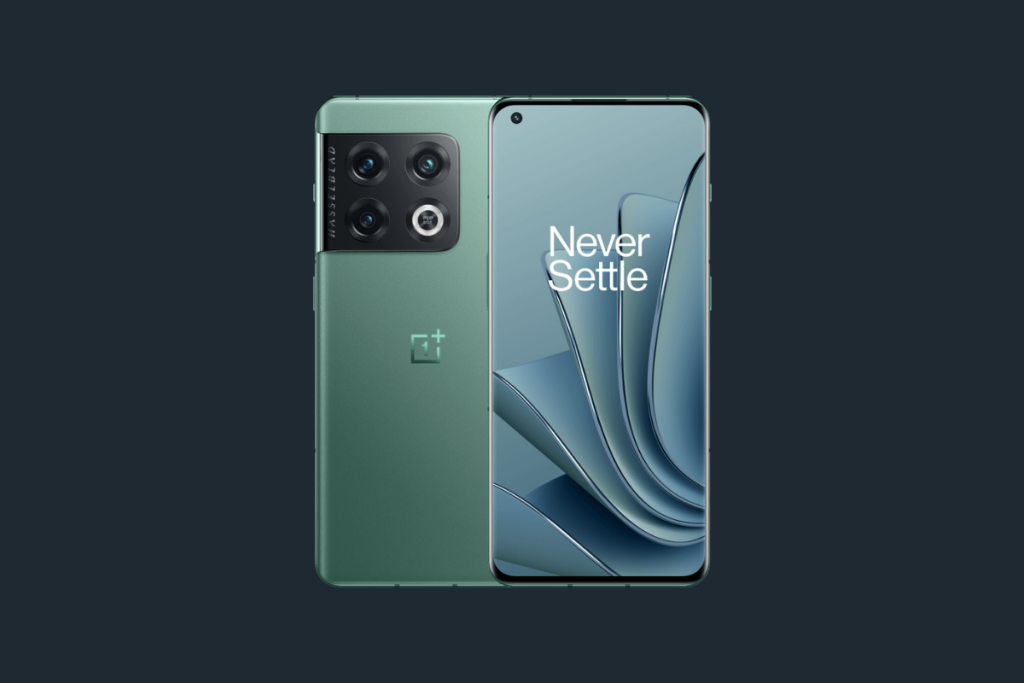
Although the OnePlus 10 Pro was released in 2022, it’s still a good deal for a budget of around Rs. 30,000. The device has a 6.7-inch AMOLED screen with 1300 nits of peak brightness. Unlike the Vivo V30, it’s an LTPO2 panel for adaptive refresh rate support.
The OnePlus smartphone is powered by a Snapdragon 8 Gen 1, faster than the Snapdragon 7 Gen 3 (in Vivo V30). Hence, the OnePlus 10 Pro offers better gaming and overall performance than the Vivo V30.
The large rectangular module on the OnePlus 10 Pro houses three camera sensors. It includes a 48MP primary sensor (OIS), an 8MP telephoto lens (OIS, 3.3x optical zoom), and a 50MP ultrawide lens (150˚ field of view). This camera setup can take better zoom shots than the Vivo V30.
The OnePlus 10 Pro has a 32MP camera for selfies, whereas the Vivo V30 has a 50MP sensor.
The Vivo phone can only record up to 4K videos with its rear cameras, whereas the OnePlus 10 Pro can record 8K videos. But it can’t record 4K videos with its front camera, which the Vivo phone is capable of.
Both smartphones pack a 5,000mAh battery and support 80W fast wired charging. The OnePlus 10 Pro supports 50W wireless as well as reverse wireless charging.
4. Nothing Phone 2
| Nothing Phone 2 | |
|---|---|
| Display | 6.7″ 120Hz LTPO AMOLED 1080 x 2412 px resolution HDR10+, IP54, 1600 nits (peak) |
| Rear Camera | 50MP (Main) – OIS, f/1.88, 1/1.56″ 50MP (Ultrawide) – f/2.2, 1/2.76″, 114˚ FOV Video: 4K @ 60fps, 1080p @ 30/60fps |
| Front Camera | 32MP – f/2.45, 1/2.74″ Video: 1080p @ 60fps |
| Chip | Snapdragon 8+ Gen 1 (4nm) Adreno 730 GPU |
| RAM/Storage | 8GB/12GB RAM 128GB/256GB storage |
| Battery | 4,700 mAh battery 45W wired (0-100% in 55 min) 15W wireless 5W reverse wireless |
| OS | Android 13, Nothing OS |
| Connectivity | 5G, Wi-Fi 6, Bluetooth 5.3, NFC |
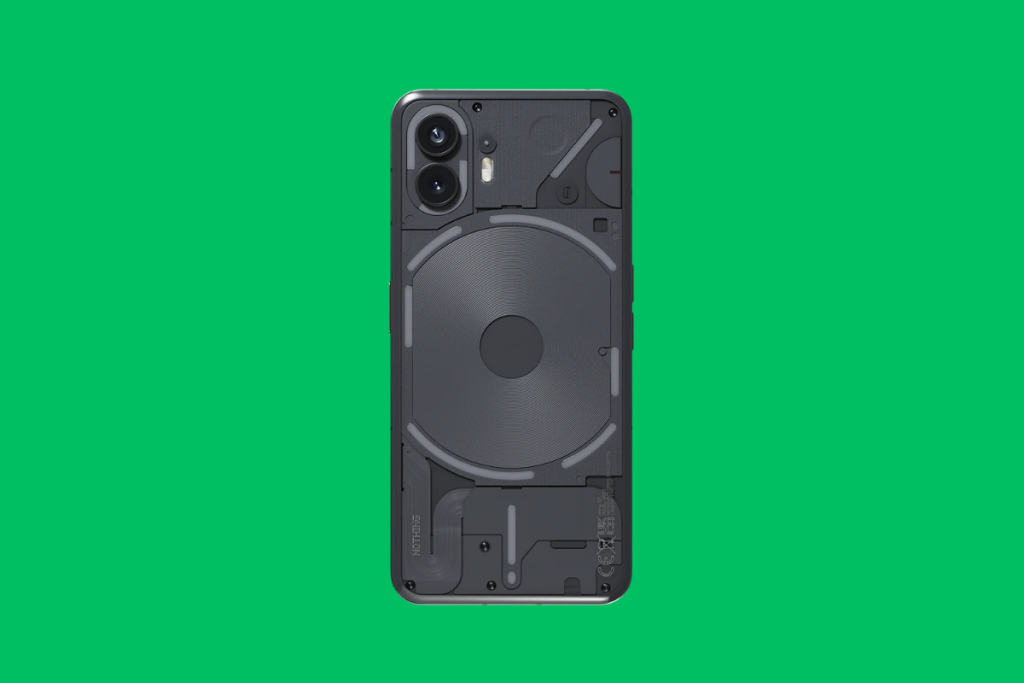
If you’re looking for a Vivo V30 alternative with a primary focus on design, then the Nothing Phone 2 is a good option.
The Nothing Phone 2 has a Snapdragon 8+ Gen 1 SoC with a clear performance advantage over the Snapdragon 7 Gen 3 (in Vivo V30). Both smartphones have nearly the same screen size, although the Nothing Phone 2 has an LTPO panel for adaptive refresh rate support.
Both phones have a dual camera setup on the rear, consisting of a 50MP primary sensor with OIS and a 50MP ultrawide lens. However, the Nothing Phone 2 has a 32MP selfie camera, whereas the Vivo V30 has a 50MP sensor.
The Vivo V30 and Nothing Phone 2 can record up to 4K videos with their rear camera setup. The Vivo phone can also record 4K videos with its selfie camera, which is limited up to 1080p resolution on the Nothing Phone 2.
The Nothing phone is packed with a 4,700mAh battery with support for 45W wired charging. It also supports 15W wireless and 5W reverse wireless charging.
5. Poco X6 Pro
| Poco X6 Pro | |
|---|---|
| Display | 6.67″ 120Hz AMOLED 1220 x 2712 px resolution HDR10+, Dolby Vision, 1800 nits (peak) Corning Gorilla Glass 5 |
| Rear Camera | 64MP (Primary) – OIS, f/1.7, 1/2.0″ 8MP (Ultrawide) – f/2.2, 120˚ FOV 2MP (Macro) – f/2.4 Video: 4K @ 24/30fps, 1080p @ 30/60fps |
| Front Camera | 16MP – f/2.4 Video: 1080p @ 30/60fps |
| Chip | Dimensity 8300 Ultra (4nm) Mali-G615 MC6 GPU |
| RAM/Storage | 8GB/12GB LPDDR5X RAM 256GB/512GB UFS 4.0 storage |
| Battery | 5,000 mAh battery 67W charging (0-100% in 45 min) |
| OS | Android 14, HyperOS |
| Connectivity | 5G, Wi-Fi 6, Bluetooth 5.4, NFC |
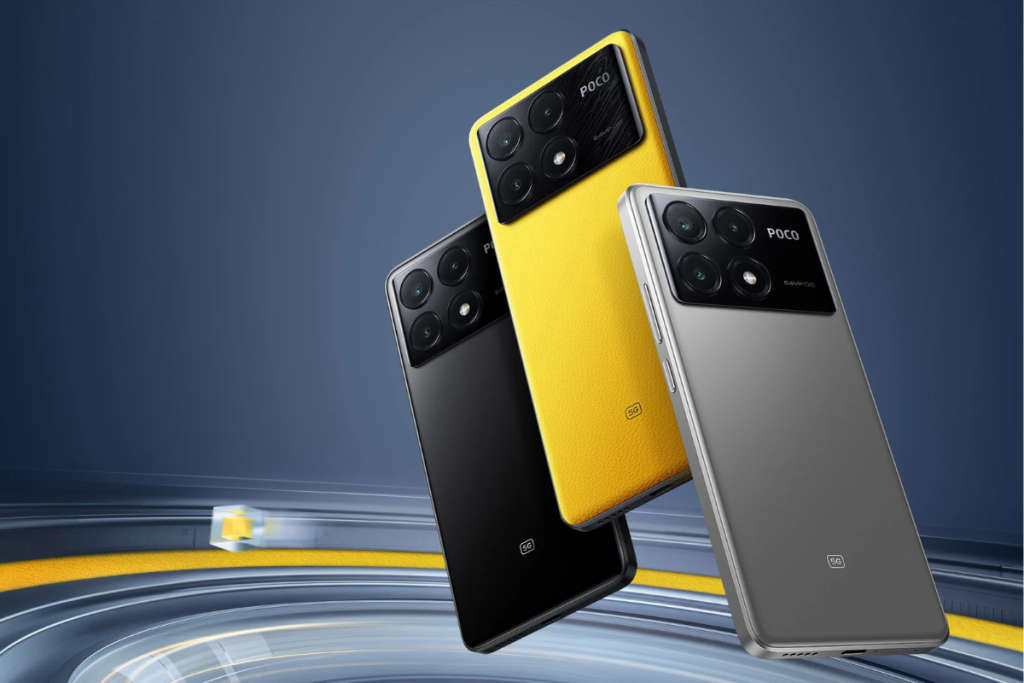
The Poco X6 Pro has a slightly smaller 6.67-inch AMOLED screen with HDR10+ and 120Hz refresh rate support. Compared to the Vivo V30, it has a lower peak brightness of 1800 nits but supports 68 times more colors.
The X6 Pro has the MediaTek Dimensity 8300 Ultra at the helm. It’s more powerful than the Snapdragon 7 Gen 3 (in Vivo V30). Hence, you should expect smoother performance and gaming on the Poco phone.
The rear camera setup includes a 64MP primary sensor (with OIS), an 8MP ultrawide lens, and a 2MP macro camera. On the front, there is a 16MP sensor for selfies and video calls. The rear camera can record up to 4K videos, and the selfie camera can record up to 1080p videos.
The Poco X6 Pro packs a 5,000mAh battery with 67W fast charging support.
6. OnePlus 12R
| OnePlus 12R | |
|---|---|
| Display | 6.78″ 120Hz LTPO4.0 AMOLED ProXDR 1264 x 2780 px resolution HDR10+, Dolby Vision, 4500 nits (peak) |
| Rear Camera | 50MP (Main) – OIS, f/1.8, 1/1.56″ 8MP (Ultrawide) – f/2.2, 1/4.0″, 112˚ FOV 2MP (Macro) – f/2.4 Video: 4K @ 30/60fps, 1080p @ 30/60fps |
| Front Camera | 16MP – f/2.4 Video: 1080p @ 30fps, 720p @ 30fps |
| Chip | Snapdragon 8 Gen 2 (4nm) Adreno 740 GPU |
| RAM/Storage | 8GB/16GB LPDDR5X RAM 128GB/256GB UFS 3.1 storage |
| Battery | 5,500 mAh battery 100W wired (1-100% in 26 min) |
| OS | Android 14, OxygenOS 14 |
| Connectivity | 5G, Wi-Fi 7, Bluetooth 5.3, NFC |
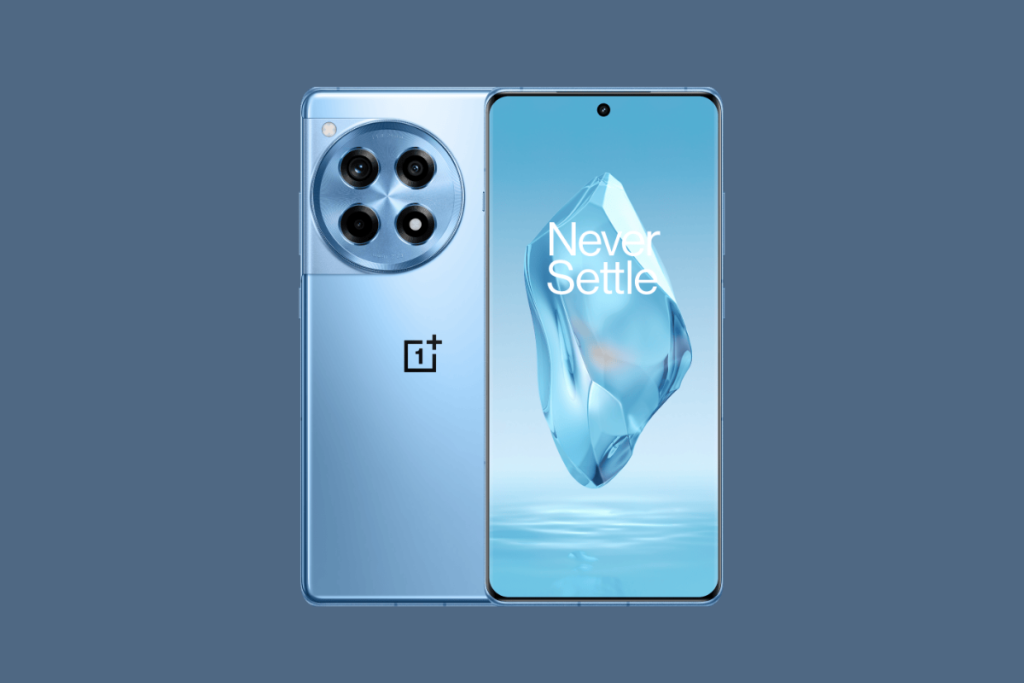
The OnePlus 12R is slightly pricier than the Vivo V30 but offers good value for money. It has the same screen size but an LTPO2 panel and a peak brightness of 4500 nits. It’s protected using a reliable Gorilla Glass Victus 2, whereas the V30 has Schott Alpha protection.
The OnePlus smartphone is powered by a flagship Snapdragon 8 Gen 2 chip, which offers better performance and gaming than the Snapdragon 7 Gen 3 on Vivo V30.
The smartphone has a large circular camera module on the back that houses a 50MP primary sensor (with OIS), an 8MP ultrawide sensor (with a 112-degree field of view), and a 2MP macro shooter. It can record up to 4K videos.
The OnePlus 12R has a 16MP selfie camera that allows 1080p video recording. It has a 5,500mAh battery with support for 100W fast charging.
Which of these six phones is the best alternative to Vivo V30? Share your thoughts in the comments below.




Comments