Add GIZMOCHINA as Preferred Source on Google
Xiaomi launched the Mi 10T Pro in late 2020 as the top-of-the-line smartphone of its series. The T-series is Xiaomi’s sub-flagship line that offers flagship-level features from the premium number series at a more affordable price. The Mi 10T Pro was no exception.
The smartphone featured a Full HD+ display with a 144Hz refresh rate, a Snapdragon 865 processor, a 108MP triple camera setup, LPDDR5 RAM, and UFS 3.1 storage.
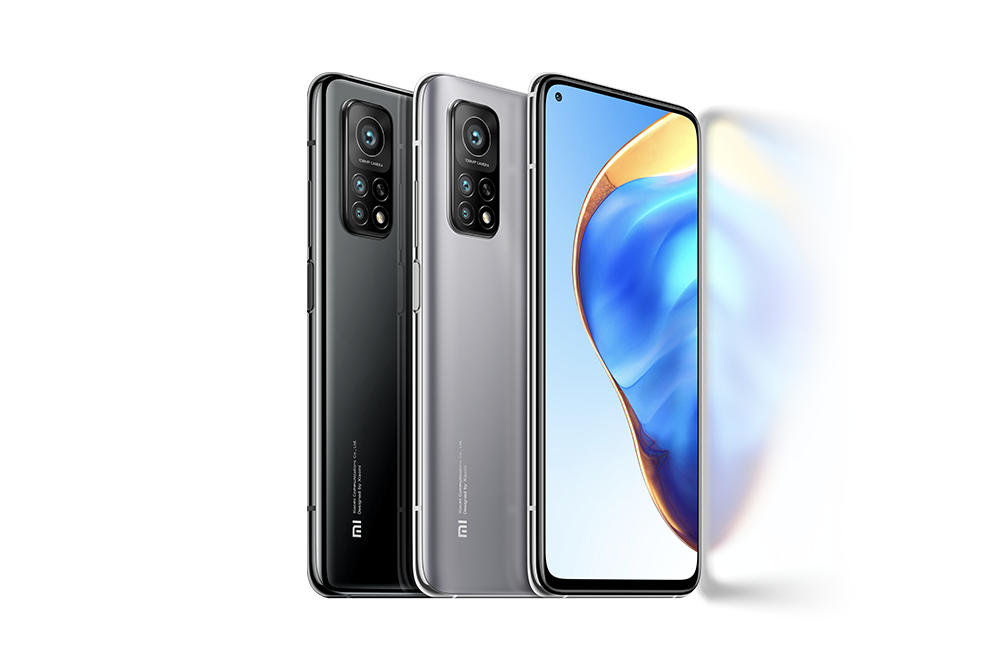
However, Xiaomi has ended software support for the device last October. So if you own this phone, you might be wondering if it’s time to upgrade. Let’s explore whether it’s worth investing in a new smartphone or continuing to use your Mi 10T Pro.
1. What Made the Xiaomi Mi 10T Pro Stand Out?
The Mi 10T Pro delivered flagship specs, including a top-tier chipset and a high-refresh-rate display, all at a very competitive price. Here’s what made it stand out at the time of its launch:
- Snapdragon 865 Processor: It’s the most specced-out processor in 2020 that ensured smooth performance for demanding apps and games.
- 144Hz Refresh Rate Display: At a time when high refresh rates were a premium feature, the Mi 10T Pro offered a buttery-smooth 144Hz display. In fact, it was the first Xiaomi phone with 144Hz refresh rate support.
- Versatile Camera System: Its triple-rear camera setup might look basic for the 2024 standard, but it was considered a capable camera phone at the time. There was a 108MP primary lens accompanied by a 13MP ultrawide and a 5MP macro lens. The selfie camera has a 20MP sensor.
- Long Battery Life: The Mi 10T Pro also offers a great battery life thanks to a 5000mAh cell fitted inside it. The charging capped out at 33W, but it was better than what the flagships of the time like Galaxy S20 had to offer.
These features, combined with a competitive price, made the Mi 10T Pro a compelling option for power users.
2. How Does It Stack Up in 2024?
It’s now four years since the arrival of the Mi 10T Pro, which is a long time, especially in the fast-paced smartphone world. Here’s how the Mi 10T Pro stacks up against today’s standards:
- Processor: While the Snapdragon 865 remains capable, newer processors from Snapdragon and MediaTek offer much better performance and efficiency. Even the SoCs targeted for mid-range or premium mid-range segments like Snapdragon 7s Gen 3 or Dimenity 8300 do better than 865 in every aspect.
- Display: High refresh rates are now common, even in budget phones. The Mi 10T Pro’s 144Hz panel still impresses in terms of numbers, but its IPS LCD screen lags behind the AMOLED panels that are now standard in mid-range and budget devices, offering better contrast and colors. Flagship phones also use advanced tech like LTPO to maximize battery life.
- Camera: Camera technology has advanced significantly in the last four years. We now have phones with bigger and better sensors (as big as 1”), improved image processing, and more versatile features like telephoto lenses and advanced video capabilities. The Mi 10T Pro’s camera, while decent for its time, certainly doesn’t measure up to current standards.
- Software: Perhaps most importantly, software support for the Mi 10T Pro has ended. This means no more security patches or Android updates, which could leave the phone vulnerable to security risks and a lack of new features.
Overall, the Mi 10T Pro is still a capable phone for day-to-day. But its performance and features feels certainly outdated compared to today’s mid-range devices.
3. Can You Continue Using It in 2024 and Beyond?
Whether you should continue using the Mi 10T Pro depends on your usage:
- Light Users: If you mainly use your phone for basic tasks like browsing, social media, and calls, the Mi 10T Pro might still meet your needs. However, you may miss out on newer features and improved app compatibility with outdated software.
- Gamers: The Snapdragon 865 can still handle most games, but you might experience occasional frame drops in graphically demanding titles. Newer phones offer better-sustained performance and improved thermal management for extended gaming sessions.
- Camera Enthusiasts: If photography is important to you, the Mi 10T Pro’s camera will likely feel underwhelming compared to the more advanced cameras on smartphones in 2024 or even those from a generation ago.
Again, the biggest concern is the lack of ongoing software support. Without updates, your phone is at risk for security vulnerabilities and may struggle with app compatibility. While tech-savvy users might flash custom ROMs as a workaround, this isn’t a practical solution for most users.
4. Why Should You Upgrade?
If you’re a power user-facing performance limitations, wanting the latest camera technology, or prioritizing security, upgrading is a wiser choice. Here are some reasons to consider a new phone:
- Improved Performance: Newer processors deliver significant gains, enhancing overall responsiveness and providing smoother app and gaming experiences.
- Better Displays: Displays these days have all sorts of performance and health-related features like LTPO tech and various eye-protection technologies. Also, if you upgrade, you will likely want to get a phone with an OLED display that will offer richer colors and deeper blacks.
- Advanced Cameras: As mentioned earlier, smartphone cameras have excelled in almost every aspect compared to what we had in 2020. You get a better image sensor with an improved image processing algorithm. So you can expect better photos at night and in challenging lighting conditions.