Add GIZMOCHINA as Preferred Source on Google
The story of the Poco F1 is one of audacity, trade-offs, and perseverance, as revealed by Jai Mani, former head of product at Poco, in a series of candid tweets. In his reflections, he takes us behind the curtain of one of the most talked-about budget smartphones ever, sharing how the idea was conceived and the challenges faced during its development.
1. The Vision Behind Poco F1
It all started with a simple yet bold idea: Snapdragon 845 for $299 (approx. Rs. 20,000 at the time). Jai scribbled this down and passed it to the head of product planning, although initial reactions were less than encouraging. “Impossible” was the response he got. Despite communication hurdles (Mani’s limited proficiency in Chinese), this clear and simple goal set the wheels in motion for what would become a game-changing device in the budget smartphone market.
2. Trade-offs and Design Decisions
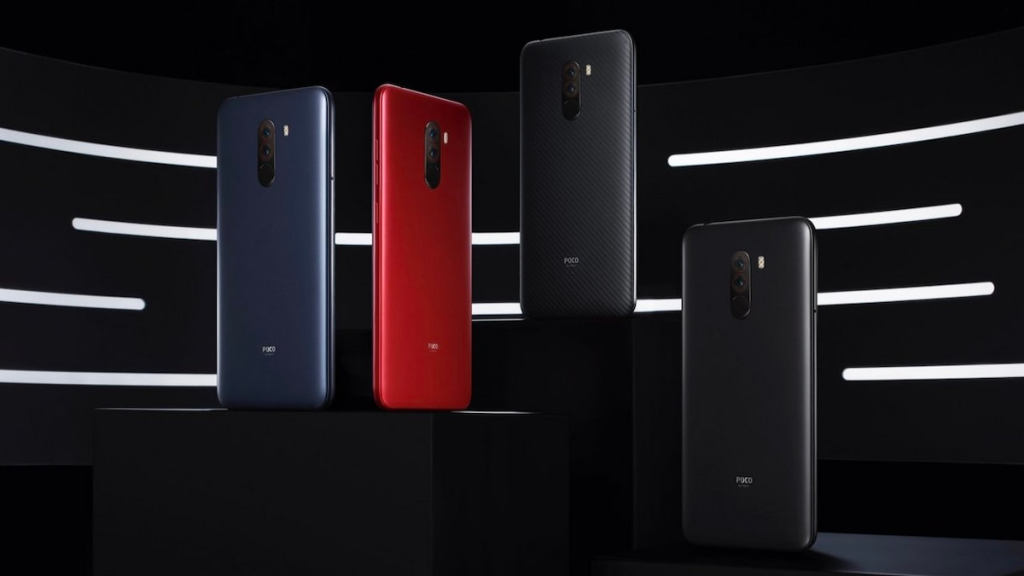
Jai Mani emphasizes how trade-offs played a crucial role in the development of the Poco F1. To achieve the aggressive price point, sacrifices had to be made, starting with the build quality. Mani and his team realized that most users put cases on their phones anyway, so they didn’t need to splurge on premium materials. This is where the polycarbonate body came into play, functional but far from the luxurious finishes of flagship devices at the time.
Another significant decision was opting for a notch in the design, which Jai wasn’t personally fond of. However, market feedback suggested that the notch made the phone feel more “premium.” In addition, it allowed for extra space to incorporate face recognition hardware. While some users may have disliked it, there was always the option to hide the notch through software settings.
Kevlar also emerged as an interesting material choice for Poco F1, countering the notion that plastic equals cheap. Initially skeptical, Jai eventually came around to the idea when he saw samples of the Armored Edition. Kevlar added a rugged, durable feel to the phone, and it helped set Poco F1 apart from the glass-and-metal competition.
3. Balancing Features and Cost
At its core, the Poco F1 was about delivering flagship performance at an accessible price point. The phone was powered by Qualcomm’s Snapdragon 845, a processor typically reserved for premium devices. With additions like LiquidCool technology and up to 8GB of RAM, Poco made it clear that their focus was on delivering top-tier performance to a broader audience.
Other flagship features were brought down to the budget level as well, including a 4,000mAh battery, considered large for a phone of its class at the time. The goal was clear: “If we couldn’t win design awards with a plastic back, we might as well give users a big battery.”
Camera performance, traditionally a weak spot for budget phones, was another area where Poco F1 aimed to punch above its weight. While the camera hardware wasn’t necessarily flagship-level, the tuning was meticulously optimized to ensure that users got a reliable and capable shooter. As Jai put it, “Not flagship, but not bad” was good enough.
4. Collaborating with the Community
One of the most forward-thinking moves from Poco was its focus on the software experience. Jai took a risk by giving popular tech reviewer Marques Brownlee (MKBHD) a beta version of MIUI, which included changes to make notifications behave more like stock Android. He also reached out to custom ROM developers, offering devices to help them develop software for users who preferred a pure Android experience. This community-first approach helped solidify Poco’s standing among tech enthusiasts.
5. Leveraging Xiaomi’s Supply Chain
The success of the Poco F1 was largely due to its integration into Xiaomi’s supply chain. Mani acknowledged that without Xiaomi’s established resources, particularly in sourcing and manufacturing, producing the Poco F1 at such a low price would have been impossible.
6. The Beginning of Poco as a Brand
Perhaps the most significant outcome of the Poco F1 wasn’t just its success as a device but how it helped establish Poco as a distinct brand. Jai Mani recalls the moment when Xiaomi founder Lei Jun discussed creating a sub-brand, and he knew he wanted to be a part of it. Winning MKBHD’s “Best Budget Phone of the Year” only solidified the team’s vision that they had done something special.
The Poco F1 may not have been a perfect phone, but as Jai Mani explains, it was a product born from clear decisions, necessary compromises, and a commitment to delivering flagship performance at an unbeatable price. It remains a testament to what’s possible when a brand dares to challenge industry norms.