Add GIZMOCHINA on Google:
The past two months have been pretty amazing for foldable phones. From the familiar folding displays to the ambitious tri-fold design from Huawei, the category is brimming with new options.
While Huawei’s tri-fold will likely not launch in global markets yet, today we’re here to talk about two new foldables from Honor and Google.
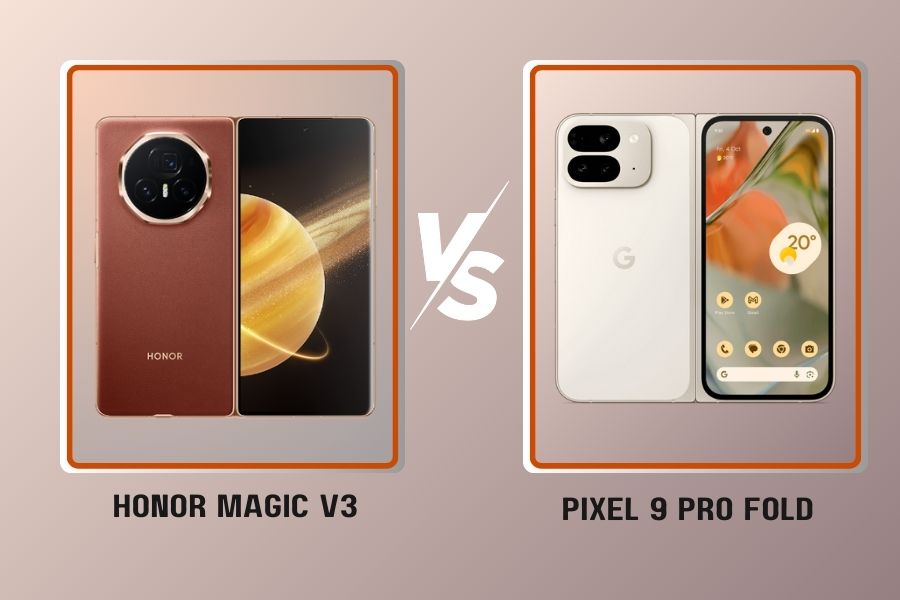
Honor just launched the Magic V3 as the world’s slimmest foldable, while the Pixel 9 Pro Fold from Google debuted last month, and it’s a major update in terms of hardware from its first generation offering. But which among these foldable is the best for you? Let’s find out.
1. Design and Build
Both the Honor Magic V3 and the Pixel 9 Pro Fold prioritize build quality and durability, but they take different paths in design. The Magic V3 is lighter at 230 grams while the Pixel weighs 257 grams.
For users who prioritize a lightweight device, the difference in heft should make a noticeable difference — particularly when holding the phone for extended periods or using it one-handed in folded mode.
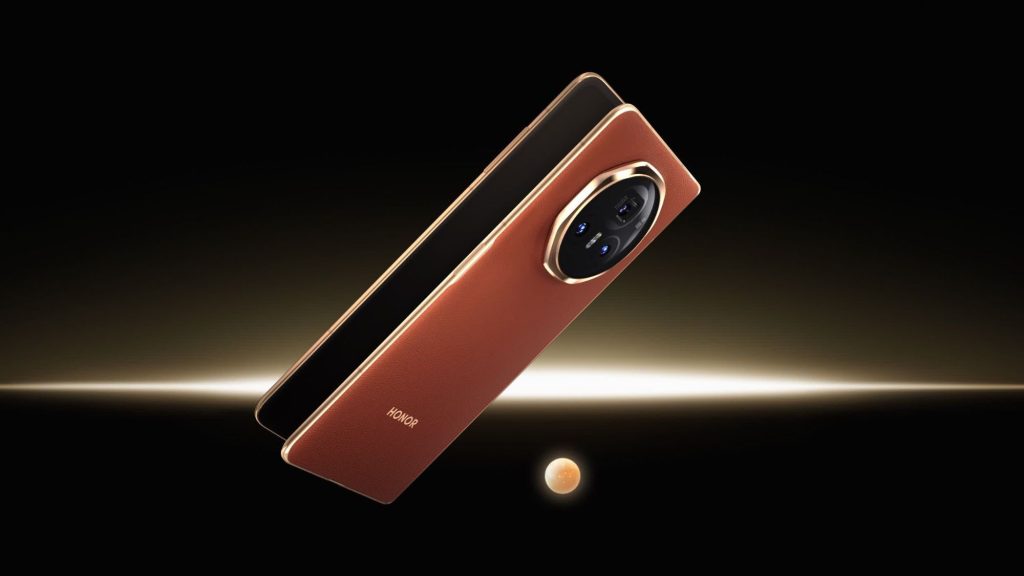
Another notable difference is in terms of thickness. The Magic V3 is the thinnest foldable on the market with a profile of just 9.3mm when folded. Meanwhile, the Pixel 9 Pro Fold, at 10.5mm, feels bulkier in comparison.
Google has used a Gorilla Glass Victus 2 for protection on the cover screen. Honor also has opted for a screen cover, but it’s in-house King Kong Rhinoceros protection which is less familiar but can still prove reliable in long usage.
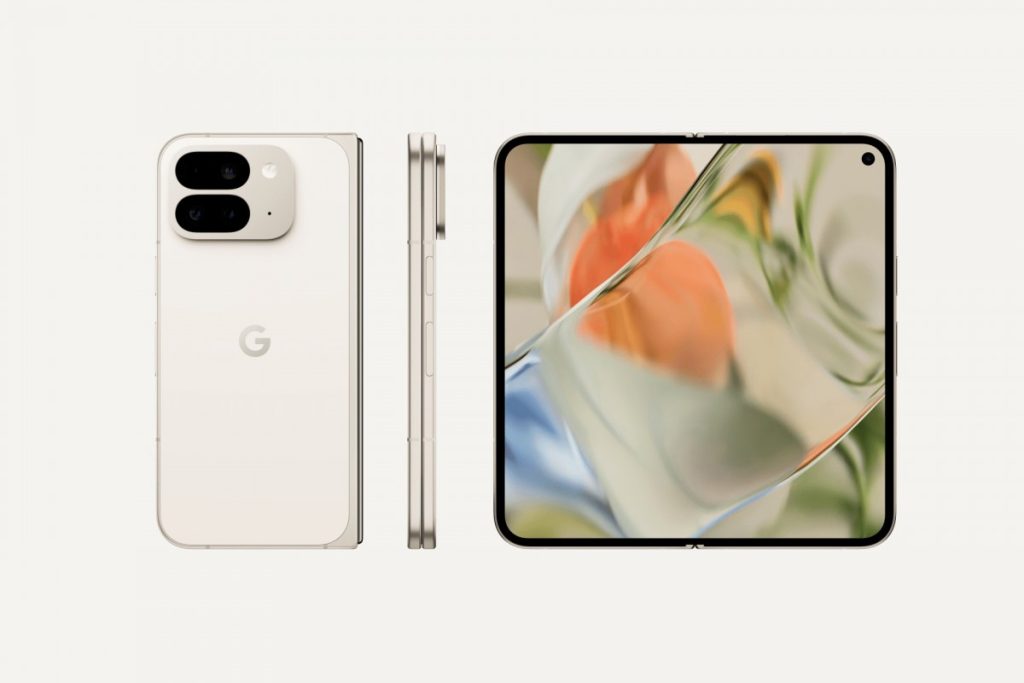
Both phones offer IPX8 water resistance, which is becoming a standard feature in high-end foldables. This protection gives users peace of mind against accidental water exposure, but neither device includes dust resistance—a common omission among foldable phones due to their hinge mechanisms.
| Preview | Product | |
|---|---|---|

|
Google Pixel 9 Pro Fold – Unlocked Android Smartphone with Gemini – Advanced Triple Rear Camera… | Check Price on Amazon |
Please Note: When you buy something using the links in our articles, we may earn a small commission at no cost to you.
2. Display and Usability
The screen experience on both foldables is where the differences become more apparent. The Honor Magic V3 features a 7.92-inch foldable LTPO AMOLED display with a peak brightness of 1800 nits.
While this is impressive, the Pixel 9 Pro Fold goes further with an 8.0-inch OLED display that peaks at 2700 nits. This means that Google’s offering will generally perform better in bright, outdoor conditions, making it the better option for users who often use their devices in direct sunlight.
Where the Honor Magic V3 stands out is in its cover display. The 6.43-inch LTPO OLED display supports up to 5000 nits of brightness, dwarfing the Pixel’s 6.3-inch OLED cover screen, which peaks at 2700 nits. This makes the Honor Magic V3 much better for outdoor visibility.
Both devices offer 120Hz refresh rates across the panels. However, those who prioritize multimedia consumption might prefer the Honor Magic V3 as it supports Dolby Vision. Google’s offering only has HDR support.
3. Performance and Software
Under the hood, the Honor Magic V3 and the Pixel 9 Pro Fold use different approaches to deliver performance. The Honor Magic V3 runs on Snapdragon 8 Gen 3, Qualcomm’s current best SoC.
Meanwhile, Google sticks with its in-house Tensor G4 chipset, which, while slightly behind in raw performance compared to Qualcomm’s offering, is optimized for AI-driven features.
The Pixel 9 Pro Fold offers up to seven major Android upgrades, which gives it a significant edge in terms of software longevity. Google’s integration of AI features such as Best Take and Zoom Enhance is also a selling point for photography enthusiasts, allowing for refined photo processing without requiring much user input.
Honor’s MagicOS 8.0.1, based on Android 14, delivers a seamless software experience, but it can’t quite match the level of Google’s AI integration, which is deeply embedded into the core of its OS.
4. Camera Capabilities
The camera systems on these foldables are one of the biggest differentiators. Honor focuses on hardware versatility with a 50 MP main camera, a 50 MP periscope telephoto lens, and a 40 MP ultrawide camera. These provide a solid range of shooting options, especially with 3.5x optical zoom on the telephoto lens.
On the other hand, the Pixel 9 Pro Fold leans heavily into computational photography, where its 48 MP main camera and 10.8 MP telephoto lens with 5x optical zoom come into play. Google’s camera software, aided by the Tensor G4’s AI capabilities, shines through features like Add Me and Best Take.
So for those who prefer letting the software do the heavy lifting, the Pixel 9 Pro Fold’s AI-driven enhancements make it a compelling option. It offers a superior experience in low-light conditions and dynamic range, making everyday photography more intuitive and less reliant on manual adjustments.
In terms of video capabilities, both devices support 4K recording at up to 60fps. However, the Pixel 9 Pro Fold goes further by offering 10-bit HDR recording. It can capture more color detail, while the Honor Magic V3 remains reliable with gyro-EIS and OIS stabilization.
5. Battery Life and Charging
In terms of battery, the Honor Magic V3 comes equipped with a 5150 mAh cell, bigger than the 4650 mAh battery on the Pixel 9 Pro Fold. On paper, the Magic V3 should offer a better run time. However real-world usage will depend on how the devices manage power consumption with their foldable displays.
For charging, Honor supports faster wired charging at 66W, while the Pixel maxes out at 21W. Honor’s device also supports faster wireless charging at 50W, compared to the Pixel’s 7.5W. And Magic V3 also supports 5W reverse wired charging, a feature missing from the Pixel 9 Pro Fold.
6. Additional Features
In terms of additional features, both devices offer side-mounted fingerprint sensors, which are fast and reliable. The Pixel 9 Pro Fold includes Ultra-Wideband (UWB) support and a satellite SOS service, which provides an extra layer of safety for users in remote areas. Meanwhile, Honor includes stylus support, which can appeal to users who like to sketch or take notes directly on their device.
For connectivity, both foldables feature Wi-Fi 7 and Bluetooth 5.3, ensuring fast and stable connections. NFC is supported on both, although the Pixel 9 Pro Fold adds UWB for precise spatial awareness, which may prove useful as more accessories and apps adopt this technology.
7. Price
As for the price, the Magic V3 is available in a single 12/512GB variant for €1,999. The Google Pixel 9 Pro Fold’s 512GB version is slightly higher at €2,029, but it also offers a base 256GB option for €1,899.
8. Conclusion
The Honor Magic V3 and the Google Pixel 9 Pro Fold are two different takes on what a foldable phone should be. Honor focuses on a lightweight, compact design, faster charging speeds, and hardware versatility, particularly in the camera department. It’s a great option for users who want a practical, high-performance foldable that doesn’t compromise on photography or battery life.
On the other hand, the Pixel 9 Pro Fold shines through software integration and AI-driven features. Its superior computational photography, along with Google’s extensive software support and deep integration of AI tools, makes it a compelling choice for users who prioritize long-term software updates and prefer a hands-off approach to photo and video editing.
Ultimately, the decision between these two foldables boils down to your priorities. If you value raw hardware performance and a more versatile camera system, the Honor Magic V3 is the better choice. However, if you’re drawn to Google’s ecosystem, its software-driven enhancements, and AI-powered camera tools, the Pixel 9 Pro Fold may offer a more cohesive, long-term experience.