
Add GIZMOCHINA as Preferred Source on Google
As an Amazon Associate, Gizmochina earns from qualifying purchases. Links on this page may earn us a commission at no extra cost to you.
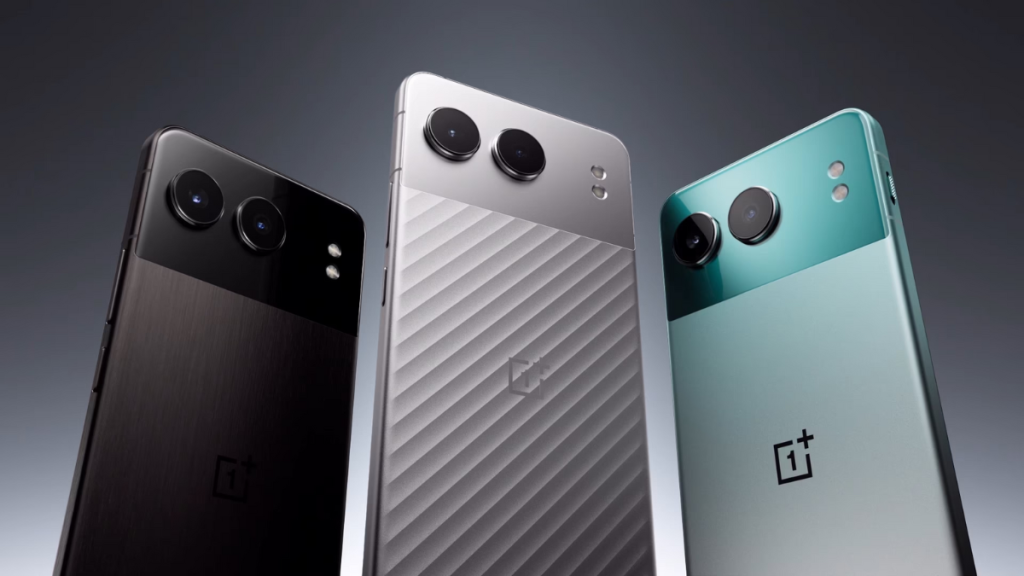
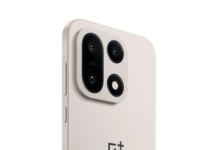
OnePlus Nord 4 is a solid mid-range phone featuring a powerful Qualcomm Snapdragon chipset, a 50MP dual rear camera setup, and a massive 5,000mAh battery — the highest ever on a OnePlus phone — with 100W superfast charging.
The base variant of the OnePlus Nord 4 with 8GB RAM and 128GB storage smartphone currently sells for Rs. 29,999, while the 8GB + 256GB variant costs Rs. 32,999. The top-of-the-line 12GB + 256GB variant is priced at Rs. 35,999. While the OnePlus Nord offers solid value, there are alternatives in the same price range that provide even more features and better performance.
I have curated a list of 7 phones that are better than the OnePlus Nord 4 in one or many aspects. Check them out before you plan your next smartphone upgrade.
Let’s quickly go through the OnePlus Nord 4 spec sheet first:
| OnePlus Nord 4 | |
|---|---|
| Body | 162.6 x 75 x 8 mm 199.5 g |
| Display | 6.74″ 120Hz AMOLED screen 1240 x 2772 pixels resolution HDR10+, 2150 nits (peak) |
| Chip | Snapdragon 7+ Gen 3 (4nm) Adreno 732 GPU |
| Rear camera | 50MP (main): OIS, f/1.8, 1/1.95″ 8MP (ultrawide): f/2.2, 112° FOV Video: 4K/1080p/720p @ 30/60fps |
| Front camera | 16MP: f/2.4 Video: 1080p/720p @ 30fps |
| RAM/Storage | 8GB/12GB LPDDR5X RAM 128GB UFS 3.1 / 256GB UFS 4.0 storage |
| Battery | 5,500mAh battery 100W charging |
| Software | Android 14, OxygenOS 14 4 Android upgrades |
| Connectivity | 5G/4G/3G/2G Bluetooth 5.4 Wi-Fi 6, NFC USB Type-C 2.0 |
1. Xiaomi 14 Civi
| Xiaomi 14 Civi | |
|---|---|
| Body | 157.2 x 72.8 x (7.5-7.7) mm 177.6-179.3 g |
| Display | 6.55″ 120Hz Quad Curved AMOLED screen 1236 x 2750 pixels resolution HDR10+, Dolby Vision, 3000nits (peak) |
| Chip | Snapdragon 8s Gen 3 (4nm) Adreno 735 GPU |
| Rear camera | 50MP (main): OIS, f/1.63, 1/1.55″ 50MP (telephoto): f/2.0, 2x optical zoom 12MP (ultrawide): f/2.2, 120° FOV Video: 4K @ 24/30/60fps, 1080p @ 30/60fps |
| Front camera | 32MP (wide): f/2.0, 78° FOV 32MP (ultrawide) – f/2.4, 100° FOV Video: 4K @ 30fps, 1080p @ 30/60fps |
| RAM/Storage | 8GB/12GB LPDDR5X RAM 256GB/512GB UFS 4.0 storage |
| Battery | 4,700mAh battery 67W charging |
| Software | Android 14, HyperOS 3 Android upgrades |
| Connectivity | 5G/4G/3G/2G Bluetooth 5.4 Wi-Fi 6, NFC USB Type-C 2.0 |
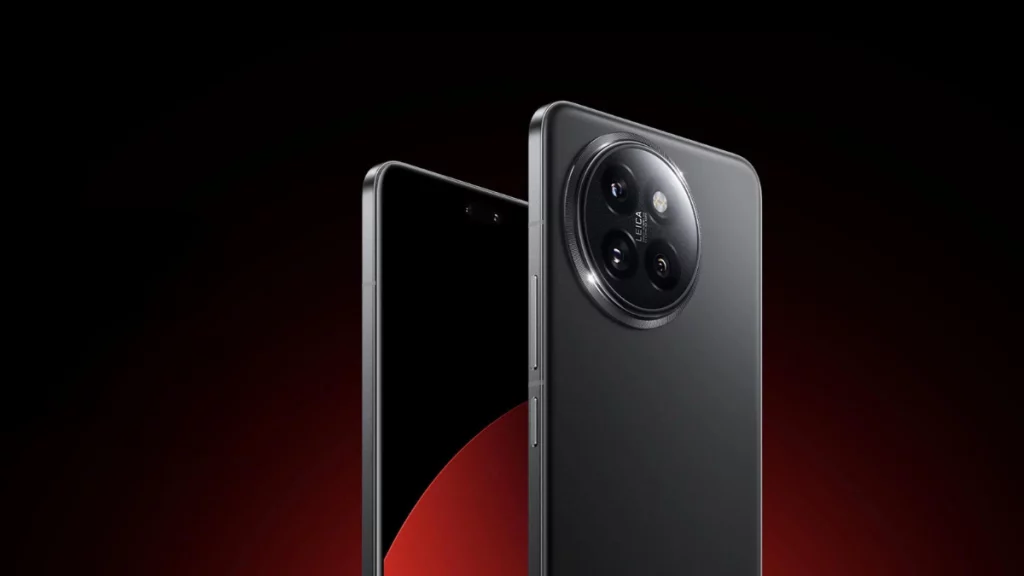
Xiaomi 14 Civi (review) stands out as a premium mid-range option, and arguably the best alternative to the OnePlus Nord 4.
It’s a 6.55-inch compact phone with a higher resolution and peak brightness. Unlike the OnePlus Nord 4, the Xiaomi 14 Civi comes with the added durability of Corning Gorilla Glass Victus 2 protection.
The Snapdragon 8s Gen 3 drives the Xiaomi 14 Civi, a faster and more efficient chip than the Snapdragon 7+ Gen 3 inside the OnePlus Nord (see SD 8s Gen 3 vs 7+ Gen 3). So, you’ll have a better gaming experience on the Xiaomi phone.
When it comes to cameras, the Xiaomi 14 Civi is miles ahead of the Nord 4. The circular camera module on the Xiaomi phone has three sensors — a 50MP primary camera with OIS, a 50MP telephoto camera with 2x optical zoom, and a 12MP ultrawide lens. Although both phones are capable of 4K recording, the output quality is a lot better on the Xiaomi 14 Civi.
The Xiaomi 14 Civi has dual selfie cameras — a 32MP primary sensor and a 32MP ultrawide sensor, while the Nord 4 has a single 16MP camera. You can record 4K selfie videos on the Xiaomi phone but not on the Nord 4.
The battery and charging specs are better on the OnePlus Nord 4, though. Another plus point for this phone is the software support. While Xiaomi promises 3 Android upgrades and 4 years of security updates, the OnePlus Nord 4 guarantees an additional Android upgrade and 2 extra years of security updates.

Please Note: When you buy something using the links in our articles, we may earn a small commission at no cost to you.
2. Vivo T3 Ultra
| Vivo T3 Ultra | |
|---|---|
| Body | 164.2 x 74.9 x 7.6 mm 192 g |
| Display | 6.78″ 120Hz AMOLED screen 1260 x 2800 pixels resolution HDR10+, 4500nits (peak) |
| Chip | MediaTek Dimensity 9200+ (4nm) Mali-G715 Immortalis MP11 GPU |
| Rear camera | 50MP (main): OIS, f/1.9 8MP (ultrawide): f/2.2, 120° FOV Video: 4K @ 30/60fps, 1080p @ 30fps |
| Front camera | 50MP: f/2.0 Video: 4K @ 30/60fps, 1080p @ 30fps |
| RAM/Storage | 8GB/12GB LPDDR5X RAM 128GB/256GB UFS 3.1 storage |
| Battery | 5,500mAh battery 80W charging |
| Software | Android 14 2 Android upgrades |
| Connectivity | 5G/4G/3G/2G Bluetooth 5.3 Wi-Fi 802.11 a/b/g/n/ac USB Type-C 2.0 |
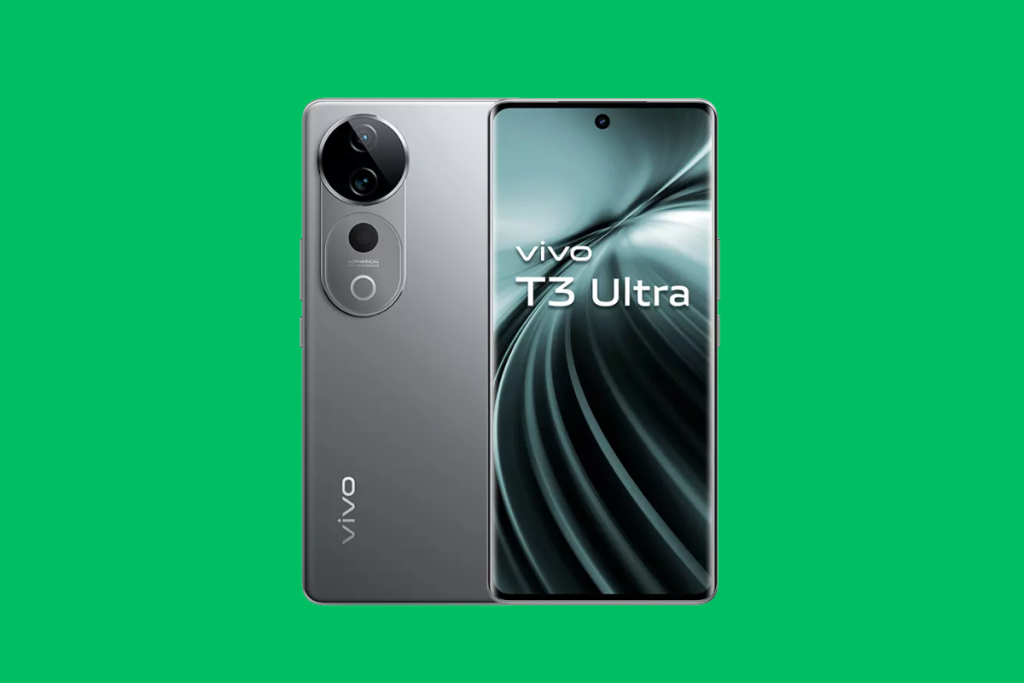
This Vivo phone has a slightly bigger screen, more resolutions, and a higher peak brightness than the OnePlus Nord 4. It also has Schott Xensation Alpha protection and a better IP rating, so you’ll have a good experience with the Vivo T3 Ultra’s display, even outdoors.
Although both smartphones run Android 14 out of the box, the Vivo phone has a disappointing update policy. The OnePlus Nord 4 will get four Android updates and six years of security updates, while the Vivo T3 Ultra only promises two Android upgrades and three years of security patches.
Thanks to the Dimensity 9200+ chip, the Vivo T3 Ultra offers better performance than the Snapdragon 7+ Gen 3-powered Nord 4, and the 4023 sq. mm. VC cooling system keeps it cool during gaming.
Both smartphones feature a dual rear camera setup, which includes a 50MP primary sensor with OIS and an 8MP ultrawide sensor, though the Vivo phone has a larger field of view.
The selfie cameras have different resolutions, though. The Nord 4 features a 16MP sensor, while the T3 Ultra boasts a 50MP selfie camera. Additionally, the Vivo phone supports 4K video recording with its rear and front cameras, whereas the Nord 4’s selfie camera lacks this capability.
Both phones have a maximum battery capacity of 5,000mAh. However, the Nord 4 supports a faster charging of 100W (vs. 80W on the Vivo T3 Ultra).
3. Poco F6
| Poco F6 | |
|---|---|
| Body | 160.5 x 74.4 x 7.8mm 179g |
| Display | 6.67″ 120Hz AMOLED screen 1220 x 2712 pixels resolution HDR10+, Dolby Vision, 2400nits (peak) Corning Gorilla Glass Victus |
| Chip | Snapdragon 8s Gen 3 (4nm) Adreno 735 GPU |
| Rear camera | 50MP (main): OIS, f/1.59, 1/1.95″ 8MP (ultrawide): 1/4.0″ Video: 4K/1080p @ 30/60fps |
| Front camera | 20MP: f/2.2, 1/4″ Video: 1080p @ 30/60fps, 720p @ 30fps |
| RAM/Storage | 8GB/12GB LPDDR5X RAM 256GB/512GB UFS 4.0 storage |
| Battery | 5,000mAh capacity 90W (wired) |
| Software | Android 14, HyperOS 3 Android upgrades |
| Connectivity | 5G/4G/3G/2G Wi-Fi 802.11 a/b/g/n/ac/6 Bluetooth 5.4 NFC supported USB Type-C 2.0 |
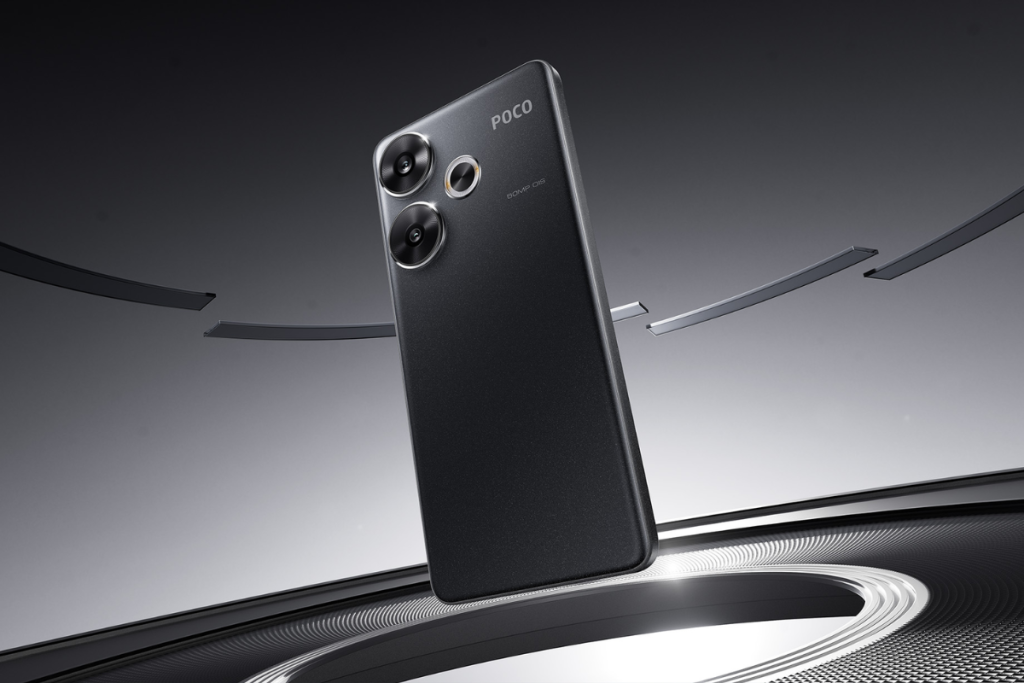
The Poco F6 (review) might be an excellent buy if you prioritize performance over anything else. It has a screen size and resolution similar to the Nord 4 but a higher peak brightness. OnePlus Nord 4, however, has a better IP rating, but the Poco F6 gives you additional protection using Gorilla Glass Victus. Overall, both have excellent displays with minor differences.
You start noticing the difference when you perform tasks that require a lot of processing, such as gaming or video editing. The Snapdragon 7+ Gen 3 powering the OnePlus Nord 4 is a sound chip but can’t match the performance level of the Snapdragon 8s Gen 3.
Both smartphones come with Android 14 out of the box, but the OnePlus Nord 4 gets an extra Android OS upgrade. Both have a dual rear camera setup, which includes a 50MP primary camera and an 8MP ultrawide lens. On the front, you get a 20MP camera (vs. 16MP on the Nord 4).
Both OnePlus Nord 4 and Poco F6 support 4K video recording, though selfie recording is limited to 1080p. However, the Nord 4 has the edge when it comes to battery capacity and charging speed.
| Preview | Product | |
|---|---|---|

|
POCO F6 5G Titanium 8GB RAM 256GB ROM | Check Price on Amazon |
Please Note: When you buy something using the links in our articles, we may earn a small commission at no cost to you.
4. Vivo V30 Pro
| Vivo V30 Pro | |
|---|---|
| Body | 164.4 x 75.1 x 7.5 mm 188 g |
| Display | 6.78″ 120Hz LTPO AMOLED screen 1260 x 2800 pixels resolution HDR10+, 2800 nits (peak) Schott Xensation alpha glass protection |
| Chip | MediaTek Dimensity 8200 (4nm) Mali-G610 MC6 GPU |
| Rear camera | 50MP (main): OIS, f/1.9, 1/1.49″, 85° FOV 50MP (telephoto): f/1.9, 2x optical zoom 50MP (ultrawide): f/2.0, 119° FOV Video: 4K/1080p/720p @ 30/60fps |
| Front camera | 50MP: f/2.0 Video: 4K/1080p/720p @ 30/60fps |
| RAM/Storage | 8GB/12GB LPDDR5X RAM 256GB/512GB UFS 3.1 storage |
| Battery | 5,500mAh capacity 80W wired charging |
| Software | Android 14 2 Android upgrades |
| Connectivity | 5G/4G/3G/2G Bluetooth 5.4 Wi-Fi 6, NFC USB Type-C 2.0 |
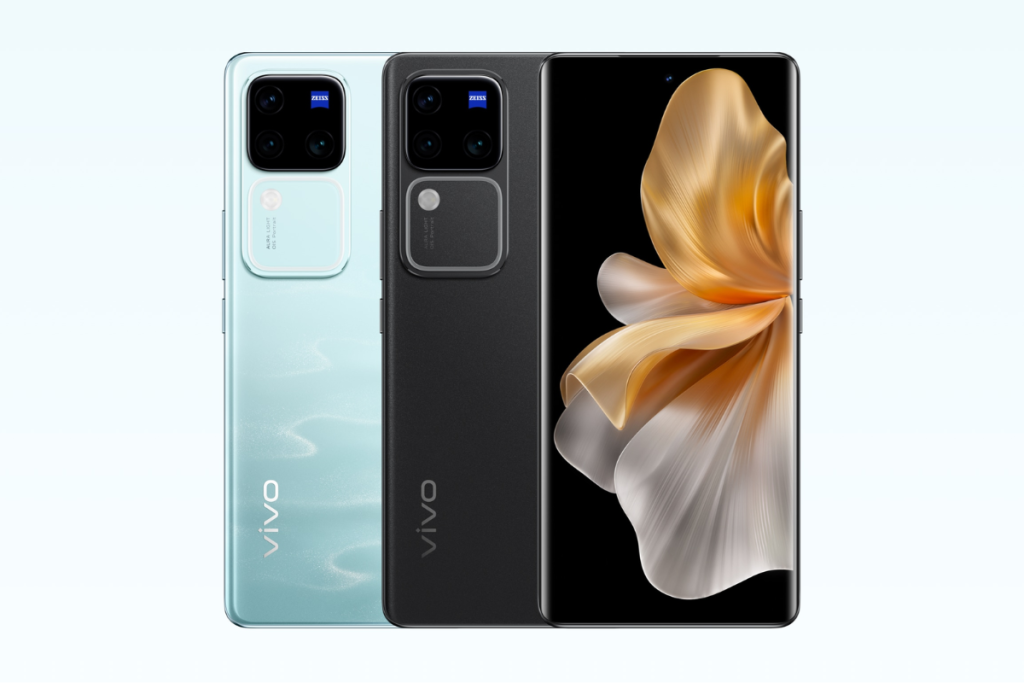
For those seeking good camera performance, the Vivo V30 Pro might be a good option. It has a powerful rear camera setup that includes three sensors: a 50MP primary sensor with OIS, a 50MP telephoto lens with 2x optical zoom, and a 50MP ultrawide lens with a 119-degree field of view.
The selfie camera on the V30 Pro also has 50MP resolution. The device can record up to 4K videos using the rear and selfie cameras. The camera performance is excellent that the Nord 4 can’t match.
Further, the Vivo phone features a Dimensity 8200 chip, which isn’t as good as the Snapdragon 7+ Gen 3, but handles tasks pretty well. You can do casual gaming as well.
Both phones have similar connectivity features. However, the OnePlus Nord 4 has slightly better battery and charging specs.
| Preview | Product | |
|---|---|---|

|
Vivo V30 Pro 5G Smartphone (Andaman Blue, 8GB RAM, 256GB Storage) | Check Price on Amazon |
Please Note: When you buy something using the links in our articles, we may earn a small commission at no cost to you.
5. Realme GT 6
| Realme GT 6 | |
|---|---|
| Body | 162 x 75.1 x 8.65mm 199g |
| Display | 6.78″ 120Hz LTPO AMOLED screen 1264 x 2780 pixels resolution HDR10+, Dolby Vision, 6000nits (peak) Corning Gorilla Glass Victus 2 |
| Chip | Snapdragon 8s Gen 3 (4nm) Adreno 735 GPU |
| Rear camera | 50MP (main): OIS, f/1.69, 1/1.4″, 85° FOV 50MP (telephoto): f/2.0, 1/2.8″ 8MP (ultrawide): f/2.2, 1/4″, 112° FOV Video: 4K/1080p/720p @ 30/60fps |
| Front camera | 32MP (wide): f/2.45, 90° FOV Video: 4K/1080p/720p @ 30fps |
| RAM/Storage | 8GB/12GB/16GB LPDDR5X RAM 256GB/512GB UFS 4.0 storage |
| Battery | 5,500mAh capacity 120W wired charging |
| Software | Android 14, Realme UI 5.0 3 Android upgrades |
| Connectivity | 5G/4G/3G/2G Bluetooth 5.4 Wi-Fi 6, NFC USB Type-C 2.0 |
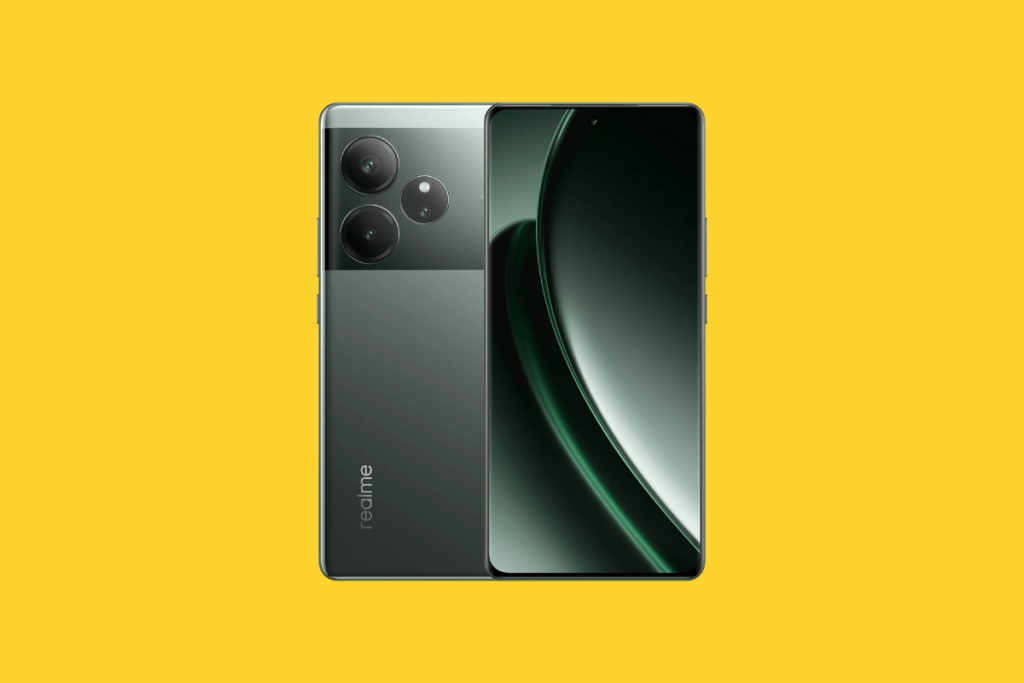
It’s a solid alternative to the OnePlus Nord 4, but you’ll have to loosen your pocket a little more. The Realme GT 6 has a bigger display with more pixels and significantly higher peak brightness. It also has Gorilla Glass Victus 2 protection, which is lacking on the Nord 4.
The Realme device is powered by a Snapdragon 8s Gen 3 chip, which is more powerful and efficient than the Snapdragon 7+ Gen 3 chip inside the OnePlus Nord.
Both devices ship with Android 14 out of the box, but the OnePlus phone will get an extra Android upgrade.
While both the Realme GT 6 and Nord 4 feature a 50MP main and 8MP ultrawide camera, the former also has a 50MP telephoto lens for better zoom shots. On the front, you get a 32MP selfie shooter. The Realme device lets you record 4K videos using both rear and front cameras.
Both devices share the same 5,500mAh battery capacity, though Realme GT 6 offers a faster wired charging of 120W (vs. 100W on the Nord 4).
| Preview | Product | |
|---|---|---|

|
realme GT 6T 5G (Razor Green,8GB RAM+256GB Storage) | India’s 1st 7+ Gen 3 Flagship Chipset | 1.5M +… | Check Price on Amazon |
Please Note: When you buy something using the links in our articles, we may earn a small commission at no cost to you.
6. OnePlus 11
| OnePlus 11 | |
|---|---|
| Body | 163.1 x 74.1 x (8.53 – 8.56) mm 203 – 205 g |
| Display | 6.7″ LTPO3 Fluid AMOLED screen 1440 x 3216 pixels resolution 120Hz, HDR10+, Dolby Vision 1300nits brightness (peak) Corning Gorilla Glass Victus |
| Chip | Snapdragon 8 Gen 2 (4nm) Adreno 740 GPU |
| Rear Camera | 50MP (main): OIS, f/1.8, 1/1.56″, 84° FOV 48MP (ultrawide): f/2.2, 1/2″, 115° FOV 32MP (telephoto): f/2.0, 1/2.74″, 2x optical zoom Video: 8K @ 24fps, 4K/1080p/720 @ 30/60fps |
| Front Camera | 16MP: f/2.45 Video: 1080p/720p @ 30fps |
| RAM/Storage | 8GB/16GB LPDDR5X RAM 128GB UFS 3.1/256GB UFS 4.0 storage |
| Battery | 5,000mAh capacity 100W (wired) |
| Software | Android 14, OxygenOS 14 4 Android upgrades |
| Connectivity | 5G/4G/3G/2G Wi-Fi 7 NFC Bluetooth 5.3 USB Type-C 2.0 |
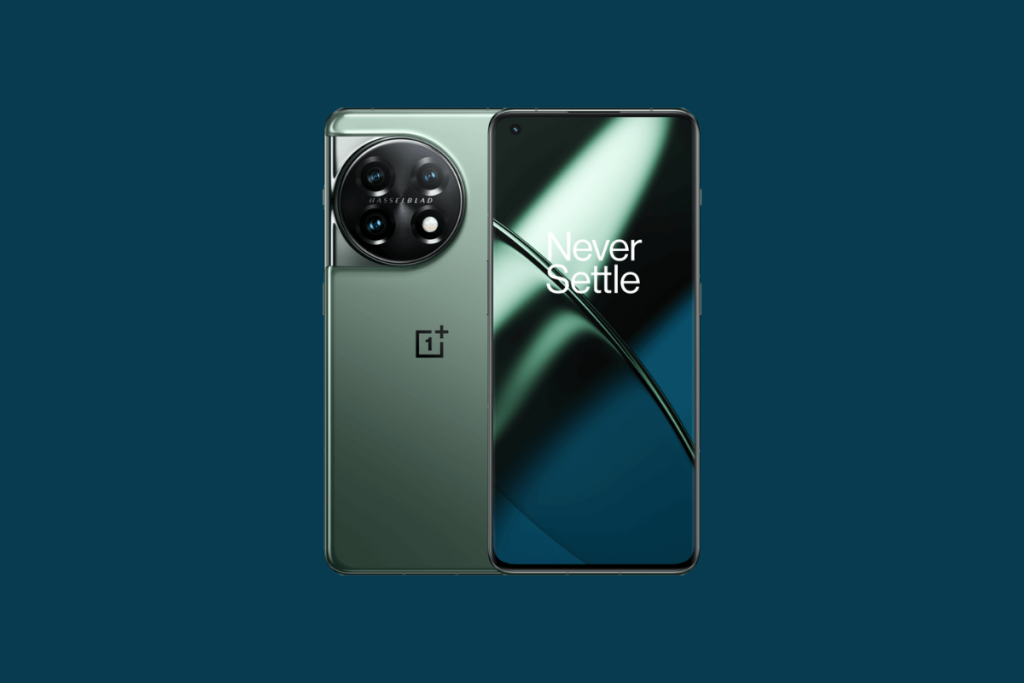
Rather than the Nord 4, you can grab the OnePlus 11 (review) for a better display, performance, and camera quality.
The OnePlus 11 has an LTPO3 AMOLED panel, which supports variable refresh rates. It has a higher resolution and features Gorilla Glass Victus protection, although the peak brightness is better on the Nord 4.
The Snapdragon 8 Gen 2 fuels the OnePlus 11, which offers better performance and stability than the Snapdragon 7+ Gen 3-powered Nord 4. So, you’ll have a better gaming experience on the OnePlus 11.
As for the software updates, both smartphones are promised four Android upgrades, though the OnePlus Nord 4 gets an additional year of security updates.
The OnePlus 11 has a better camera setup than the Nord 4, which takes good photos and videos. It features a triple camera setup on the back, which includes a 50MP primary sensor with OIS, a 32MP telephoto sensor with 2x optical zoom, and a 48MP ultrawide sensor. The device can record videos at up to 8K resolution, which is limited to 4K on the Nord 4.
Both smartphones have a selfie camera of 16MP resolution and let you record up to 1080p videos.
The OnePlus Nord 4 lacks Wi-Fi 7 support but has a bigger battery than the OnePlus 11, although the charging speeds are the same.

Please Note: When you buy something using the links in our articles, we may earn a small commission at no cost to you.
7. Nothing Phone 2
| Nothing Phone 2 | |
|---|---|
| Body | 162.1 x 7.4 x 8.6 mm 201.2 g |
| Display | 6.7″ 120Hz LTPO AMOLED screen 1080 x 2412 pixels resolution HDR10+, 1600 nits (peak) Corning Gorilla Glass 5 |
| Chip | Snapdragon 8+ Gen 1 (4nm) Adreno 730 GPU |
| Rear Camera | 50MP (main): OIS, f/1.9, 1/1.56″ 50MP (ultrawide): f/2.2, 1/2.76″, 114° FOV Video: 4K @ 60fps, 1080p @ 30/60fps |
| Front Camera | 32MP: f/2.45 Video: 1080p @ 60fps |
| RAM/Storage | 8GB/12GB RAM 128GB/256GB/512GB storage |
| Battery | 4,700mAh capacity 45W (wired) 15W (wireless) 5W (reverse wireless) |
| Software | Android 14 3 Android upgrades |
| Connectivity | 5G/4G/3G/2G Wi-Fi 6 NFC Bluetooth 5.3 USB Type-C 2.0 |
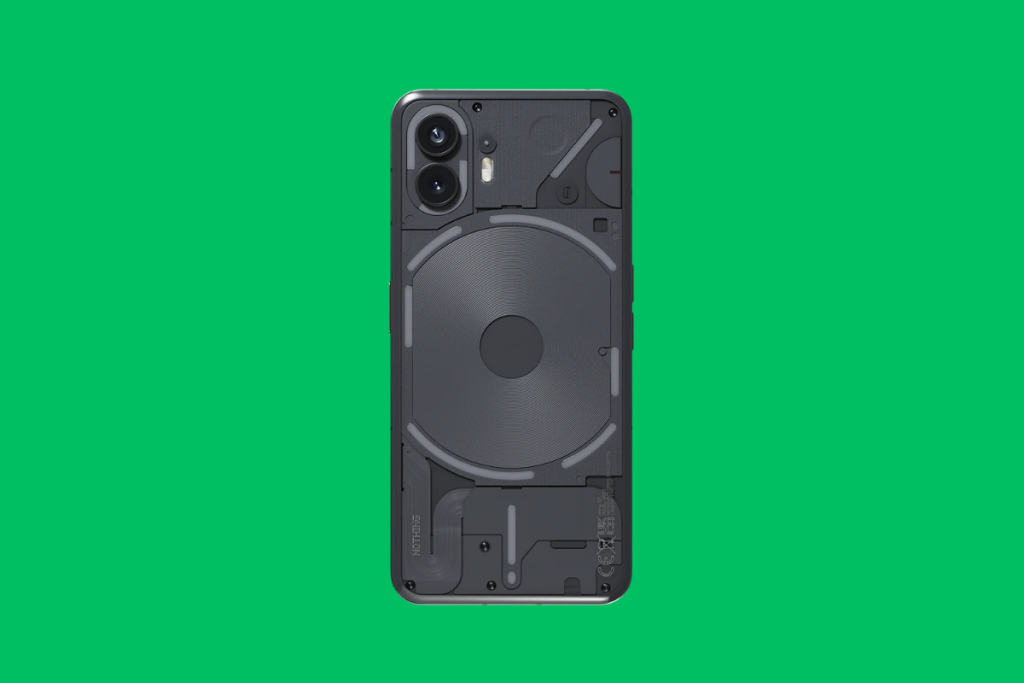
Nothing Phone 2 stands out from the crowd because of its design, mainly the Glyph UI. If you want to test out some innovation in an otherwise boring market, the Phone 2 could be a good option.
The smartphone uses an LTPO OLED panel but has a lower resolution and peak brightness than the OnePlus Nord 4. It’s protected using Gorilla Glass 5, which is lacking on the other phone.
The high-end Snapdragon 8+ Gen 1 chip fuels the Nothing Phone 2, which can deliver a smooth experience, including gaming. It comes with Android 13, whereas the Nord 4 boots Android 14 out of the box. Another plus point for the Nord device is an extra Android upgrade and two additional years of security patches.
The Nothing Phone 2 has a dual rear camera setup, including a 50MP primary sensor with OIS and a 50MP ultrawide sensor. It lets you record up to 4K videos. However, with the selfie camera, you can only record up to 1080p videos, like the Nord 4.
While the OnePlus Nord 4 offers a larger battery capacity and faster wired charging, it does miss out on wireless and reverse wireless charging, features that the Nothing Phone 2 includes.
If high-end gaming isn’t your priority, opting for the Nothing Phone 2a Plus lets you save money while gaining a better selfie camera and a bigger battery.
| Preview | Product | |
|---|---|---|

|
Nothing Phone (2) 5G (White, 12GB RAM, 256GB Storage) | 6.7″ LTPO OLED AMOLED Display | 50 MP(OIS) +… | Check Price on Amazon |
Please Note: When you buy something using the links in our articles, we may earn a small commission at no cost to you.
So, these are 7 best alternatives to the OnePlus Nord 4. Would you still go for the Nord 4 or pick any of these alternatives for your next smartphone upgrade? Share your thoughts in the comments below.



Comments