
Add GIZMOCHINA as Preferred Source on Google
As an Amazon Associate, Gizmochina earns from qualifying purchases. Links on this page may earn us a commission at no extra cost to you.
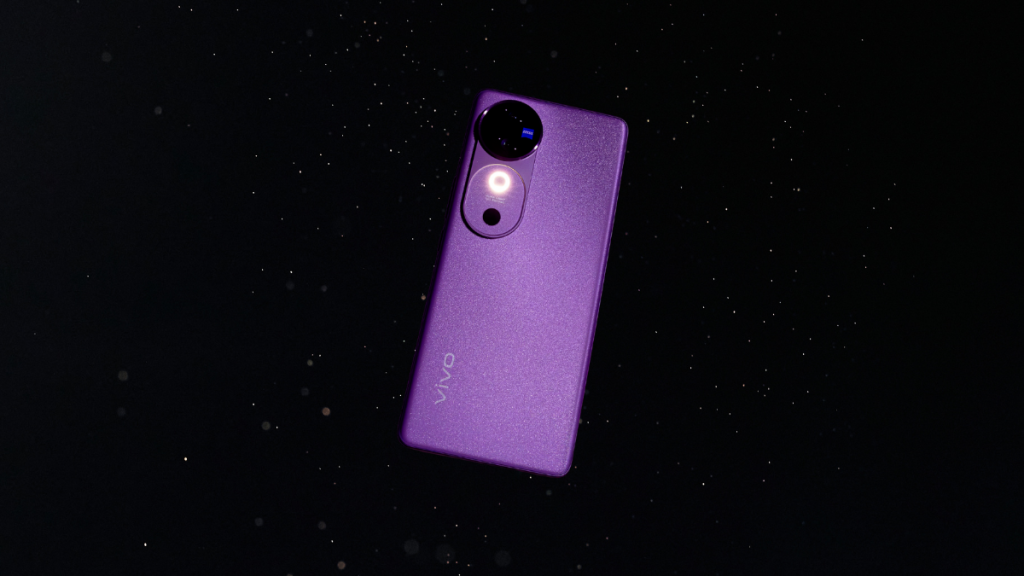
Vivo V40 was released this year as a premium mid-range smartphone boasting excellent cameras, a high-quality display, and a high-performance Snapdragon chip. It also has a massive 5,500mAh battery capacity with 80W fast charging support.
The Vivo smartphone is currently selling for Rs. 34,999 for the 8GB + 128GB base variant and goes all the way up to Rs. 41,999 for the 12GB + 512GB top-end model. While it’s an excellent smartphone at this price point, there are better phones in the market with more features and high performance.
Here, I’ll show you five top alternatives to the Vivo V40 you can consider.
Before that, let’s take a quick look at the Vivo V40 spec sheet:
| Vivo V40 | |
|---|---|
| Body | 164.2 x 75 x 7.6mm 190g |
| Display | 6.78″ 120Hz AMOLED screen 1260 x 2800 pixels resolution HDR10+, 4,500 nits (peak) |
| Chip | Snapdragon 7 Gen 3 (4nm) Adreno 720 GPU |
| Rear camera | 50MP (main): OIS, f/1.9, 1/1.56″ 50MP (ultrawide): f/2.0, 119° FOV Video: 4K @ 30fps, 1080p/720p @ 30/60fps |
| Front camera | 50MP (wide): f/2.0 Video: 4K @ 30fps, 1080p/720p @ 30/60fps |
| RAM/Storage | 8GB/12GB LPDDR4X RAM 128GB/256GB/512GB UFS 2.2 storage |
| Battery | 5,500mAh battery 80W charging |
| Software | Android 14, Funtouch OS 14 3 Android upgrades |
| Connectivity | 5G/4G/3G/2G Bluetooth 5.4 Wi-Fi 802.11 a/b/g/n/ac USB Type-C 2.0 |
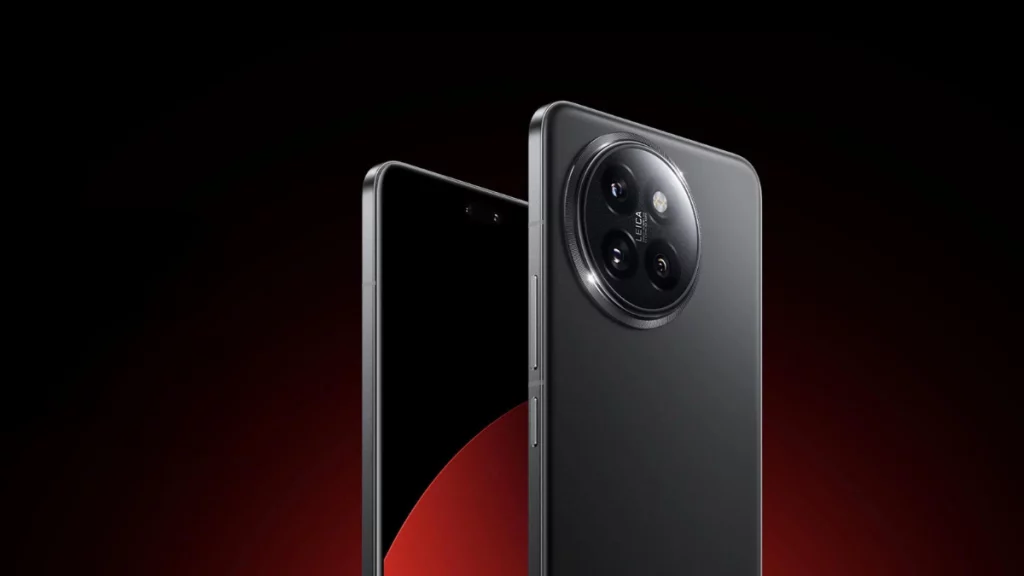
1. Xiaomi 14 Civi
| Xiaomi 14 Civi | |
|---|---|
| Body | 157.2 x 72.8 x (7.5-7.7) mm 177.6-179.3 g |
| Display | 6.55″ 120Hz Quad Curved AMOLED screen 1236 x 2750 pixels resolution HDR10+, Dolby Vision, 3000nits (peak) |
| Chip | Snapdragon 8s Gen 3 (4nm) Adreno 735 GPU |
| Rear camera | 50MP (main): OIS, f/1.63, 1/1.55″ 50MP (telephoto): f/2.0, 2x optical zoom 12MP (ultrawide): f/2.2, 120° FOV Video: 4K @ 24/30/60fps, 1080p @ 30/60fps |
| Front camera | 32MP (wide): f/2.0, 78° FOV 32MP (ultrawide) – f/2.4, 100° FOV Video: 4K @ 30fps, 1080p @ 30/60fps |
| RAM/Storage | 8GB/12GB LPDDR5X RAM 256GB/512GB UFS 4.0 storage |
| Battery | 4,700mAh battery 67W charging |
| Software | Android 14, HyperOS 3 Android upgrades |
| Connectivity | 5G/4G/3G/2G Bluetooth 5.4 Wi-Fi 6, NFC USB Type-C 2.0 |
Xiaomi 14 Civi (review) a compact and lightweight flagship phone powered by the Snapdragon 8s Gen 3 chipset, which offers significantly better performance and efficiency than the Snapdragon 7 Gen 3 inside the Vivo V40.
Both smartphones have an AMOLED panel, but there are some differences. For instance, the Vivo V40 has a higher peak brightness, whereas the Xiaomi 14 Civi offers Dolby Vision support and a better resolution. Notably, the Xiaomi phone doesn’t have an IP rating but tougher Gorilla Glass protection.
The Xiaomi 14 Civi also has an excellent camera setup. On the rear side, you get a 50MP primary sensor, a 12MP ultrawide lens, and a 50MP telephoto lens with 2x optical zoom. There’s no telephoto lens on the Vivo phone, which means better zoom shots on the other device.
On the front, the Vivo V40 has a single 50MP camera, whereas the Xiaomi 14 Civi has two 32MP sensors — one acts as a wide sensor and the other as an ultrawide sensor. Both smartphones can record up to 4K videos using their rear and selfie cameras.
Both smartphones have similar connectivity features, except the Xiaomi phone has Wi-Fi 6 support, which is lacking in the Vivo V40. However, the latter has a higher battery capacity and faster wired charging.
You can buy the Xiaomi 14 Civi over the Vivo V40 for better performance, a higher-resolution screen, and better zoom shots.

Please Note: When you buy something using the links in our articles, we may earn a small commission at no cost to you.
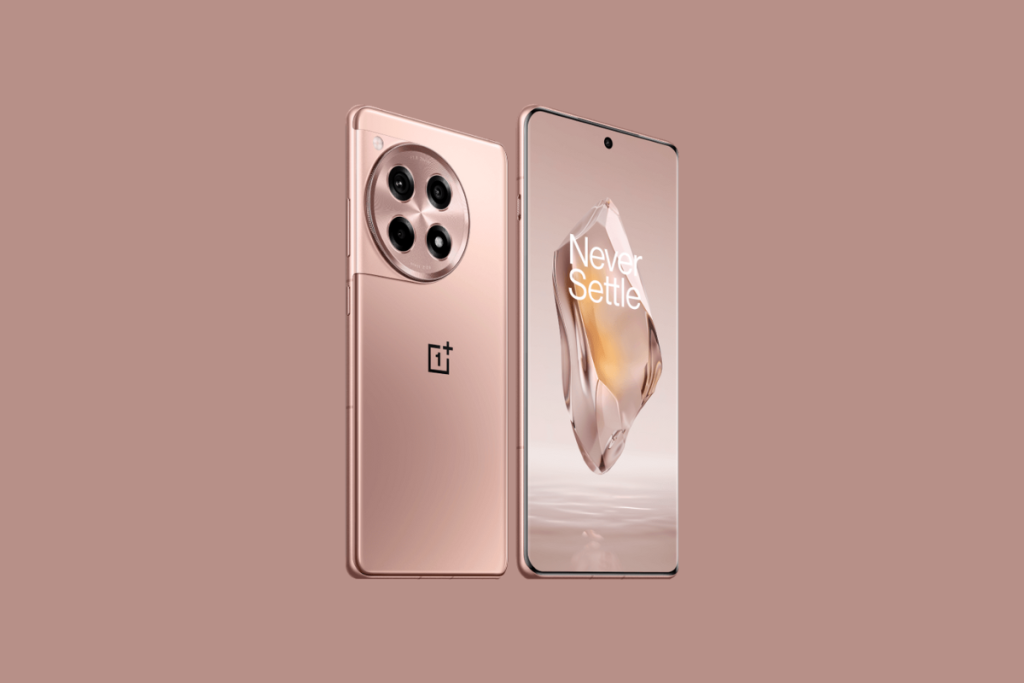
2. OnePlus 12R
| OnePlus 12R | |
|---|---|
| Body | 163.3 ×75.3 × 8.8 mm 207 g |
| Display | 6.78″ LTPO4 AMOLED ProXDR display 1264 x 2780 pixels resolution 120Hz dynamic refresh rate HDR10+, Dolby Vision, 4500 nits (peak) |
| Chip | Qualcomm Snapdragon 8 Gen 2 (4nm) Adreno 740 GPU |
| Rear camera | 50MP (main): OIS, f/1.8, 1/1.56″ 8MP (ultrawide): f/2.2, 112° FOV 2MP (macro): f/2.4 Video: 4K/1080p/720p @ 30/60fps |
| Front camera | 16MP: f/2.4, 89.6° FOV Video: 1080p/720p @ 30fps |
| RAM/storage | 8GB/16GB LPDDR5X RAM 128GB/256GB UFS 3.1 storage |
| Battery | 5,500mAh capacity 100W (wired) |
| Software | Android 14, OxygenOS 14 3 Android upgrades |
| Connectivity | 5G/4G/3G/2G Wi-Fi 7 Bluetooth 5.3 NFC (supported) |
It also has an AMOLED panel, like the Vivo V40, and comes with Dolby Vision and LTPO4 technology for a dynamic refresh rate, lacking in the Vivo phone. The Vivo phone has a better IP rating, though. Both have different display protection — Gorilla Glass Victus 2 on the OnePlus phone and Schott Alpha on the Vivo V40.
The OnePlus 12R is fueled by the Snapdragon 8 Gen 2, which has higher CPU and GPU performance than the Snapdragon 7 Gen 3 that drives the Vivo phone. Not only a better chipset, the OnePlus phone has faster RAM and storage, too.
Equipped with a triple camera setup, the OnePlus phone includes a 50MP primary camera, an 8MP ultrawide, and a 2MP macro lens. On the Vivo phone, the ultrawide sensor offers a broader field of view, capturing more in each shot.
Both devices can record up to 4K videos using their rear cameras. However, the selfie video on the OnePlus 12R is limited to 1080p resolution. Notably, the OnePlus phone supports Wi-Fi 6 and Wi-Fi-7, while the rest of the connectivity features are similar.
While both phones have the same battery capacity, the OnePlus 12R has a faster wired charging support.
You can buy the OnePlus 12R over Vivo V40 for a better display, a high-performance chipset, and faster charging support.

Please Note: When you buy something using the links in our articles, we may earn a small commission at no cost to you.
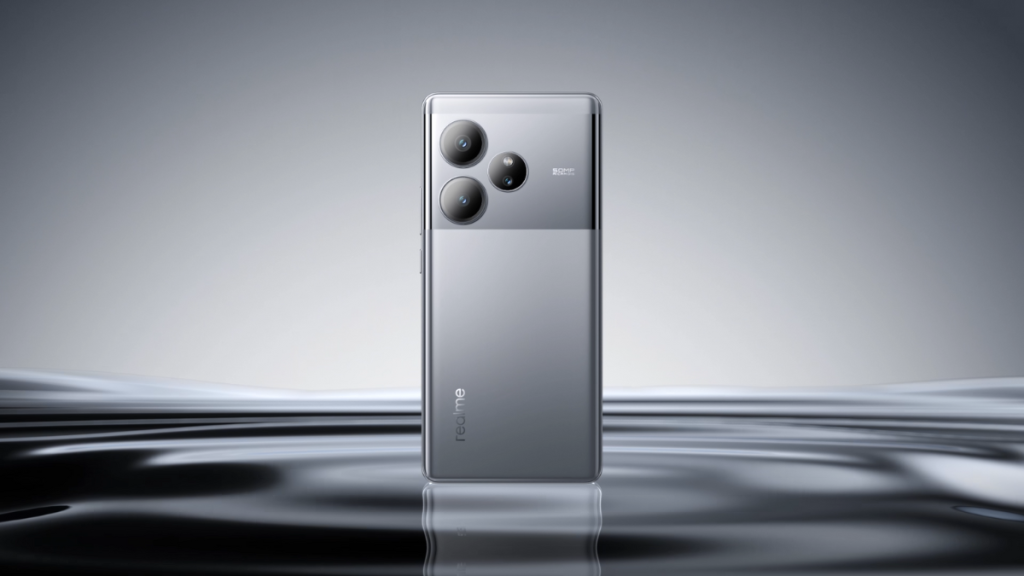
3. Realme GT 6
| Realme GT 6 | |
|---|---|
| Body | 162 x 75.1 x 8.65mm 199g |
| Display | 6.78″ 120Hz LTPO AMOLED screen 1264 x 2780 pixels resolution HDR10+, Dolby Vision, 6000nits (peak) Corning Gorilla Glass Victus 2 |
| Chip | Snapdragon 8s Gen 3 (4nm) Adreno 735 GPU |
| Rear camera | 50MP (main): OIS, f/1.69, 1/1.4″, 85° FOV 50MP (telephoto): f/2.0, 1/2.8″ 8MP (ultrawide): f/2.2, 1/4″, 112° FOV Video: 4K/1080p/720p @ 30/60fps |
| Front camera | 32MP (wide): f/2.45, 90° FOV Video: 4K/1080p/720p @ 30fps |
| RAM/Storage | 8GB/12GB/16GB LPDDR5X RAM 256GB/512GB UFS 4.0 storage |
| Battery | 5,500mAh capacity 120W wired charging |
| Software | Android 14, Realme UI 5.0 3 Android upgrades |
| Connectivity | 5G/4G/3G/2G Bluetooth 5.4 Wi-Fi 6, NFC USB Type-C 2.0 |
Realme GT 6 is another solid alternative to the Vivo V40. It has the same screen size as the other phone but features a significantly higher peak brightness for better outdoor visibility. The Realme phone has an LTPO panel to support dynamic refresh rate, lacking on the Vivo V40.
The Realme phone performs better than the Vivo V40, thanks to the flagship Snapdragon 8s Gen 3 chipset, which easily outperforms the Snapdragon 7 Gen 3.
In addition to a 50MP primary camera and an 8MP ultrawide shooter, the Realme GT 6 has a 50MP telephoto lens for better zoom shots. On the front, it houses a 32MP selfie snapper that can record 4K videos, like its rear cameras. The connectivity part goes in favor of the Realme phone because of Wi-Fi 6 support.
The Realme GT 6 has the same battery capacity as the Vivo V40 but supports significantly faster wired charging.
You can buy the Realme GT 6 over the Vivo V40 for a better display, flagship performance, better zoom shots, and faster charging.

Please Note: When you buy something using the links in our articles, we may earn a small commission at no cost to you.
4. Poco F6
| Poco F6 | |
|---|---|
| Body | 160.5 x 74.4 x 7.8mm 179g |
| Display | 6.67″ 120Hz AMOLED screen 1220 x 2712 pixels resolution HDR10+, Dolby Vision, 2400nits (peak) Corning Gorilla Glass Victus |
| Chip | Snapdragon 8s Gen 3 (4nm) Adreno 735 GPU |
| Rear camera | 50MP (main): OIS, f/1.59, 1/1.95″ 8MP (ultrawide): 1/4.0″ Video: 4K/1080p @ 30/60fps |
| Front camera | 20MP: f/2.2, 1/4″ Video: 1080p @ 30/60fps, 720p @ 30fps |
| RAM/Storage | 8GB/12GB LPDDR5X RAM 256GB/512GB UFS 4.0 storage |
| Battery | 5,000mAh capacity 90W (wired) |
| Software | Android 14, HyperOS 3 Android upgrades |
| Connectivity | 5G/4G/3G/2G Wi-Fi 802.11 a/b/g/n/ac/6 Bluetooth 5.4 NFC supported USB Type-C 2.0 |
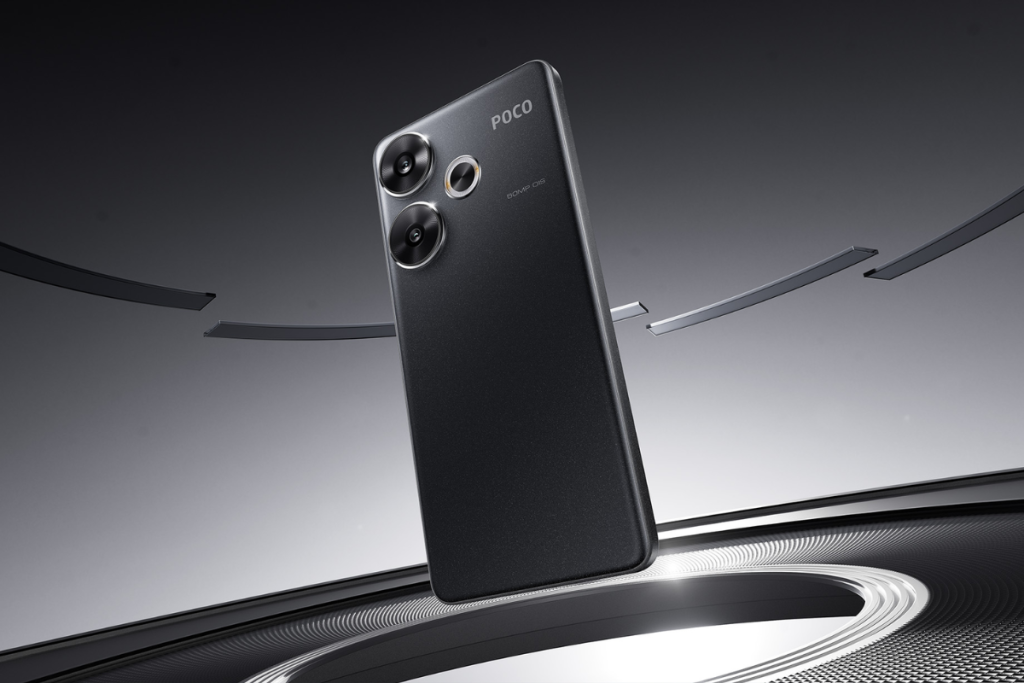
If you do a lot of gaming, the Poco F6 (review) might be a solid buy over the Vivo V40, and it’s comparatively cheaper.
The Poco smartphone is powered by the flagship Snapdragon 8s Gen 3 chipset. It delivers superior performance than the Snapdragon 7 Gen 3 chip packed into the Vivo V40. Furthermore, the Poco phone has a good cooling system, faster RAM and storage, and is well-optimized for gaming.
Both devices have AMOLED screens with HDR10+ support and a 120Hz refresh rate. However, the Poco phone has a lower peak brightness, but it brings support for Dolby Vision. Overall, both have excellent displays with minor differences.
The Poco F6 also features a dual camera setup, which includes a 50MP primary sensor and an 8MP ultrawide sensor. On the front, there’s a 20MP selfie snapper. Only the rear cameras of the Poco F6 can record 4K videos, while the selfie camera is limited to 1080p recordings.
The Poco phone has slightly less battery capacity but supports faster wired charging than the Vivo V40.
Poco F6 is a solid gaming phone under Rs. 30,000. This should be the only reason to pick it over Vivo V40.
| Preview | Product | |
|---|---|---|

|
POCO F6 5G Titanium 8GB RAM 256GB ROM | Check Price on Amazon |
Please Note: When you buy something using the links in our articles, we may earn a small commission at no cost to you.

5. Google Pixel 8
| Google Pixel 8 | |
|---|---|
| Body | 150.5 x 70.8 x 8.9mm 187g |
| Display | 6.2″ 120Hz OLED screen 1080 x 2400 pixels resolution HDR10+, 2000 nits (peak) Corning Gorilla Glass Victus |
| Chip | Google Tensor G3 (4nm) Immortalis-G715s MC10 GPU |
| Rear camera | 50MP (main): OIS, f/1.7, 1/1.31″ 12MP (ultrawide): f/2.2, 125.8° FOV Video: 4K/1080p @ 24/30/60fps |
| Front camera | 10.5MP: f/2.2, 95° FOV Video: 4K @ 24/30/60fps |
| RAM/Storage | 8GB LPDDR5X RAM 128GB/256GB UFS 3.1 storage |
| Battery | 4,575mAh capacity 27W (wired) 18W (wireless) Reverse wireless |
| Software | Android 14 7 Android upgrades |
| Connectivity | 5G/4G/3G/2G Wi-Fi 6. Wi-Fi 6e, Wi-Fi 7 Bluetooth 5.3 NFC supported USB Type-C 3.2 |
Google Pixel phones are more about software than hardware. You get to experience the purest version of Android.
The Pixel 8 has a better-quality display than the Vivo V40’s with Gorilla Glass Victus protection. One of the best things about this Pixel is that it will get seven Android upgrades, while the Vivo V40 only promises three. So, the Google Pixel will stay relevant for many more years to come.
The Pixel 8 also has dual rear cameras — a 50MP primary camera and a 12MP ultrawide lens with a greater field of view. Its 10.5MP selfie camera is housed inside the punch-hole cutout. Both rear and selfie cameras on the Pixel 8 can shoot up to 4K videos, just like the Vivo V40.
The smartphone is powered by Google’s Tensor G3 chipset, which has better CPU and GPU performance than the Snapdragon 7 Gen 3. It also has faster RAM and storage, which contributes to better performance.
The Pixel 8 edges out the Vivo V40 in terms of connectivity features. It supports Wi-Fi 6e and Wi-Fi 7, lacking on the Vivo phone. Further, the Pixel 8 supports faster USB data transfer. However, it has a slightly lesser battery capacity and slower fast charging.
The Google Pixel 8 is a better choice over the Vivo V40 for a great software experience, longer software support, and better connectivity.
So, these were some of the top alternatives to Vivo V40. Would you still go for Vivo V40 or pick any of these alternatives? Share your thoughts in the comments below.



Comments