
Add GIZMOCHINA as Preferred Source on Google
Motorola has recently launched the Moto G75 5G, marking a significant milestone as the world’s first smartphone powered by the new Snapdragon 6 Gen 3 chipset. This new chip by Qualcomm aims to bring enhanced performance and efficiency to the mid-range segment, offering users an elevated experience without the premium price tag. But how does the Snapdragon 6 Gen 3 fare against its competition, particularly when compared to related models like the Snapdragon 7s Gen 2? Continue reading ahead to see what to expect from the new Snapdragon 6-series chip.
1. Snapdragon 6 Gen 3: A Closer Look
The Snapdragon 6 Gen 3, built on a 4nm process, is an upgrade over the Snapdragon 6 Gen 1. Key enhancements include a faster CPU with 4×2.4 GHz Cortex-A78 cores compared to 4×2.2 GHz in Gen 1, while maintaining the 4×1.8 GHz Cortex-A55 cores. Both feature the Adreno 710 GPU and support up to 3200 MHz LPDDR5 RAM. Like its predecessor, the Snapdragon 6 Gen 3 retains the 200-megapixel camera capability and 4K@30 fps video. However, it offers better connectivity options like Wi-Fi 6E and Bluetooth 5.2.
Comparison with Snapdragon 7s Gen 2
When comparing the Snapdragon 6 Gen 3 with Snapdragon 7s Gen 2, both share the same CPU configuration and GPU (Adreno 710). However, the 7s Gen 2 supports Full HD+ displays at a higher 144 Hz refresh rate, while the 6 Gen 3 supports up to 120 Hz. Both SoCs maintain a 12-bit ISP, support for 200-megapixel cameras, and 4K video recording at 30 fps. The 6 Gen 3, built on a 4nm process, mirrors the efficiency and performance of the 7s Gen 2, making it a robust contender in the mid-range chipset market.
2. Expected Snapdragon 6 Gen 3 performance
Since the Snapdragon 6 Gen 3 is a brand-new chip, its benchmark scores haven’t surfaced yet. Based on benchmark scores of the Snapdragon 7s Gen 2, the Snapdragon 6 Gen 3 is expected to perform impressively.
On AnTuTu, it scores around the Snapdragon 7s Gen 2 scores around 600,000, which places it comfortably in the higher echelons of mid-range chipsets. On Geekbench, the Snapdragon 7s Gen 2 achieves a single-core score of approximately 1,000, while the multi-core score is around 2,900. These scores indicate that the Snapdragon 6 Gen 3 can handle demanding applications and multitasking with ease.
Some of the Snapdragon 7s Gen 2 phones available in the market include the Redmi Note 13 Pro, Realme 12 Pro+, Realme 13 Pro, Realme 13 Pro+, Poco X6, HMD Skyline, and Motorola Edge 50 Fusion. All the phones mentioned here have OLED displays. However, the Moto G75 5G with an LCD screen onboard will offer the same kind of the performance like Snapdragon 7s Gen 2 phones at a much affordable price.
3. Moto G75 5G: The first to feature Snapdragon 6 Gen 3
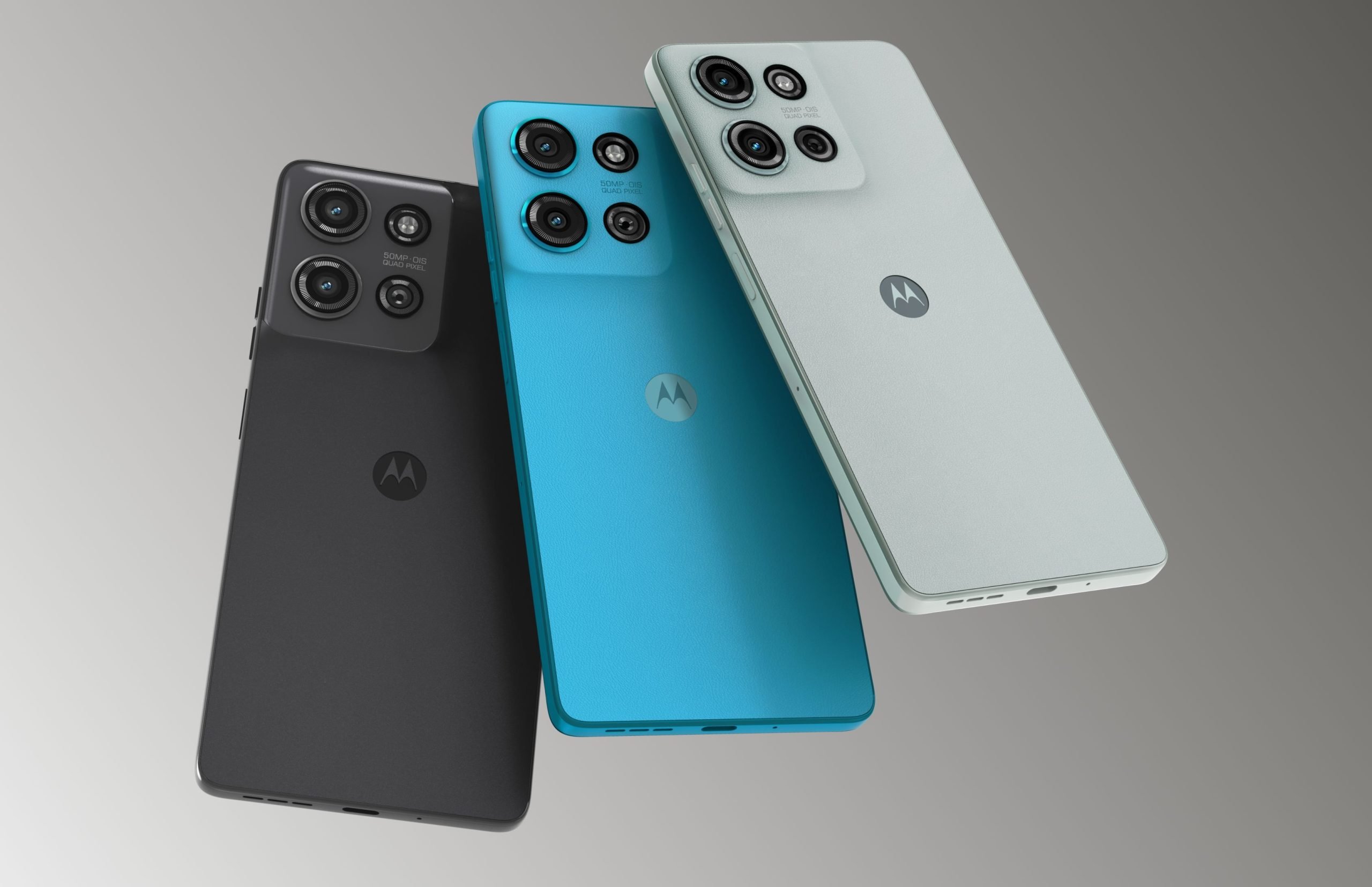
The Moto G75 5G benefits from being the first device to harness the power of the Snapdragon 6 Gen 3. This gives it a competitive edge in the mid-range market, offering users cutting-edge performance and future-proof features. At present, the phone is only available in Western Europe and is likely to head to other countries in the coming days.
One of the key features of the Moto G75 5G is its extended software support. Motorola promises up to 6 years of software updates, including 4 major OS upgrades and 2 years of security patches. This commitment ensures that the Moto G75 5G remains relevant and secure for a long period, which is a significant advantage over competitors.
The Moto G75 5G features a 6.78-inch IPS LCD Full HD+ display with a 120 Hz refresh rate. It has a versatile camera setup with a 50-megapixel main sensor, an 8-megapixel ultra-wide lens, and a 16-megapixel front camera. The device offers 8 GB of LPDDR4x RAM and 256 GB of UFS 2.2 storage. It is powered by a 5,000 mAh battery with 30W fast charging and 15W wireless charging. Other notable features include a side-mounted fingerprint sensor, dual stereo speakers, and IP68 and MIL-STD-810H ratings. It is priced at 219 euros in Europe.
4. Final Thoughts
The Snapdragon 6 Gen 3 inside the Moto G75 5G positions the device as a formidable player in the mid-range segment. It seems a compelling choice for users seeking premium features without a premium price tag. Motorola’s commitment to long-term updates ensures that the Moto G75 5G will remain a reliable and secure device for years to come.


Comments