
Add GIZMOCHINA on Google:
Vivo‘s latest flagship lineup, the X200 series, is off to a strong start. The company announced today that pre-orders for the series surpassed expectations, reaching a total volume 150% higher than the previous generation X series on the first day.
Even more impressive, the Pro variants, including both the X200 Pro and the X200 Pro mini, saw a whopping 200% increase in pre-orders compared to their predecessors.

These figures suggest a strong early showing for the X200 lineup, which debuted yesterday in China. These are the world’s first phones with MediaTek Dimensity 9400 processor.
Pricing for the X200 series starts at 4,299 yuan for the standard version. The Pro variants begin at 4,699 yuan.
Vivo X200 series specifications
The standard X200 sports a large 6.67-inch 10-bit OLED LTPS display with a curved design, Zeiss Natural Color support, and a peak brightness of 4,500 nits.
It boasts a triple rear camera system featuring a 50MP Sony IMX921 main sensor, a 50MP telephoto lens, and a 50MP ultra-wide shooter. Powering the phone is a hefty 5,800mAh battery with support for 90W wired charging.
The Pro models take things a step further. They utilize an LTPO panel with a variable refresh rate reaching up to 120Hz for smoother visuals. The bezels are slimmer at 1.63mm, and the Pro mini offers a more compact 6.31-inch flat display.
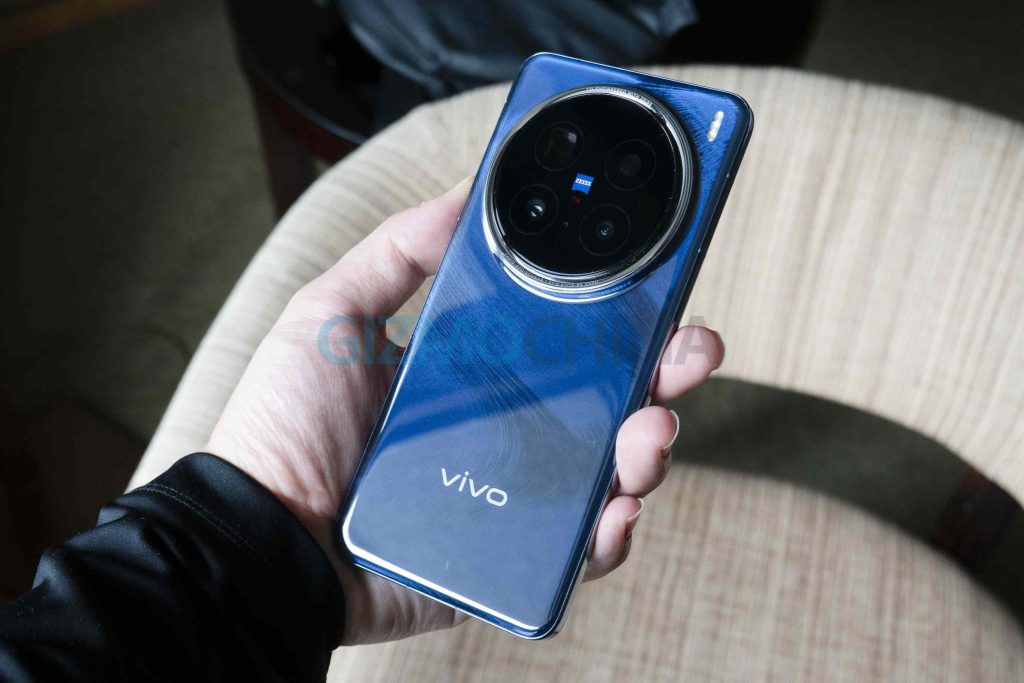
For photography enthusiasts, the Pro versions boast a new 50MP Sony LYT-818 main sensor alongside a 50MP ultra-wide lens. The key differentiator is in terms of the telephoto camera — the Pro gets a mighty 200MP Zeiss APO sensor, while the Pro mini sticks with a 50MP option. Both Pro models benefit from Vivo’s V3+ imaging chip, enabling features like 4K HDR Cinematic Portrait video and 10-bit Log recording at 60fps.
Keeping the lights on, the X200 Pro and Pro mini pack 6,000mAh and 5,800mAh batteries respectively, both supporting 90W wired charging.
Software-wise, the X200 series runs on Vivo’s latest Origin OS 5, which introduces AI features like a visual lookup tool and a “Dynamic Island”-esque element called Origin Island.




Comments