
Add GIZMOCHINA on Google:
At the 2024 Baidu World Conference, Baidu officially launched its Xiaodu AI Glasses, presenting them as the “world’s first AI glasses equipped with a native Chinese language model.”
Designed by Baidu’s hardware division, Xiaodu Technology, these glasses showcase Baidu’s advanced Ernie language model and are geared towards integrating AI into wearable technology for the Chinese-speaking audience and challenge the popularity of Meta’s Ray-Bans.
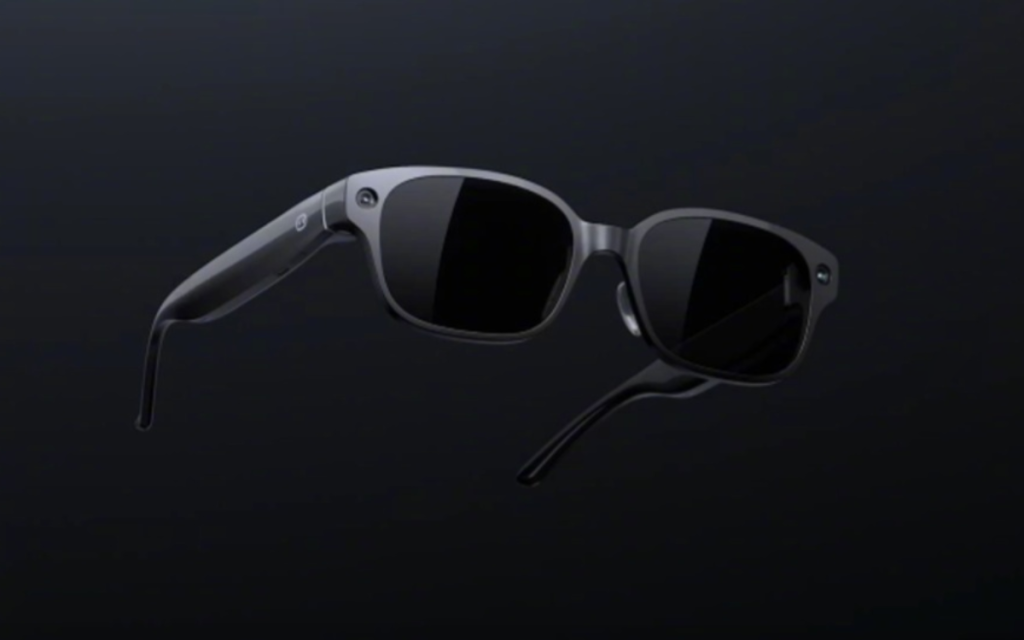
Specifications
The Xiaodu AI Glasses weigh just 45 grams and come equipped with a 16MP ultra-wide-angle camera with AI stabilization, enabling smooth and stable first-person perspective photography. These glasses also feature a four-microphone array to effectively capture sound and open-ear anti-leakage speakers that deliver clear audio, allowing users to engage in an immersive, hands-free experience.
The glasses support six core functionalities: real-time Q&A through walk-and-ask queries, calorie recognition, object identification through an encyclopedia feature, audio-visual translation, and intelligent reminders. They are also equipped with AI anti-shake technology for photos and videos, enabling users to document their experiences seamlessly.
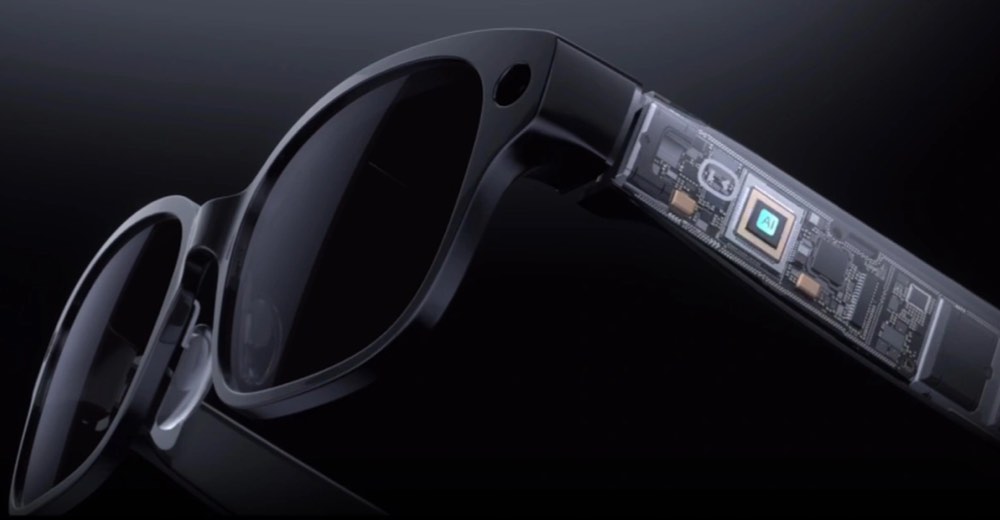
In terms of battery life, the Xiaodu AI Glasses offer up to 56 hours on standby and can run over 5 hours of continuous audio playback. The glasses are equipped with rapid-charging technology, enabling a full charge in just 30 minutes, making them a practical option for daily use.
The Xiaodu AI Glasses run on the DuerOS AI native operating system and are anticipated to support seamless integration with popular Baidu applications like Baidu Maps and Baike, further enhancing the user experience with Baidu’s services.
Pricing & Availability
Baidu has confirmed that the Xiaodu AI Glasses will officially launch in the first half of 2025, with an expected retail price of under 2,100 yuan (approximately $290).
In related news, Apple has begun work on a smart glasses project, codenamed “Atlas,” aiming to reshape wearable tech with a true AR experience. The project, led by Apple’s Product Systems Quality team, is currently in the research phase, gathering insights from internal focus groups. Apple aims to launch a lightweight, stylish model that initially integrates with the iPhone, leveraging its processing power, with a long-term goal of fully standalone smart glasses. However, high-quality standards mean the release maybe five years away. Meanwhile, Apple plans to release the Vision Pro 2 by 2025 or early 2026, featuring an upgraded M5 chip for improved AR capabilities.

Comments