Add GIZMOCHINA as Preferred Source on Google
Smartphones featuring stylus support are pretty rare in the current day. While displays have gotten pretty tall in devices, the stylus has slowly been fading away. However, they haven’t completely died down yet, but this begs the question, do smartphones really need a stylus? Read on to find out.
1. Advantages of a Stylus: Precision and Creativity
Let’s look at the positives first. The stylus excels in areas where precision is key. So users who are artists, designers, or even those who take notes need accuracy. These are tasks one can’t perform with their fingers. This is where the accessory comes in handy. Drawing and sketching are made easier, and creative work becomes more intuitive with a stylus.
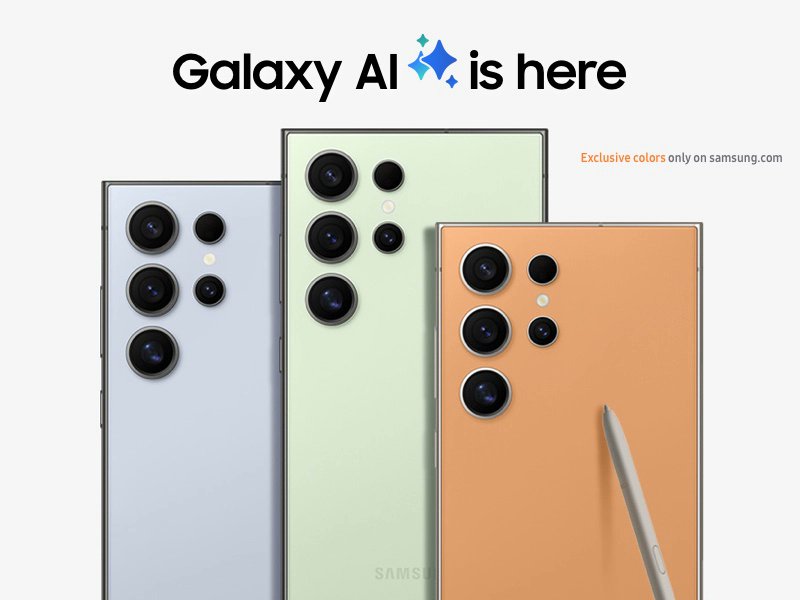
Samsung‘s S Pen is a great example of a stylus that allows students and professionals to quickly jot down notes since the device supports handwriting recognition software, which converts scribbles into editable text for convenience. There are also precision based tasks like editing photos, videos, documents, and more which are more accurate with a stylus rather than the finger.
2. Why fingers are just superior
While the stylus offers unique advantages, most smartphone users rely on their fingers for everyday use. Touch optimizations on modern operating systems like Android and iOS are built for intuitive finger gestures. This includes swiping, pinching, tapping, and others. For an average user, a stylus is just redundant. Unless your smartphone has a slot built into it, a stylus is also cumbersome to carry around with a constant fear of losing it.
Brands typically offer stylus support on experience large smartphones or tablets, so there is already a lack of many options to choose from. Lastly, even if you are a creative professional, more often than naught, you’d be going for a larger screen like iPad or Galaxy Tabs.
3. Stylus: A Niche Feature
The stylus has carved out a niche among professionals, creative, and power users. But the touchscreens are more responsive and precise than ever before, so there is no real benefit of the stylus in smartphones. Brands like Apple leads in innovation but have restricted the Apple Pencil to the iPad lineup rather than its iPhones. On the higher end, Samsung offers the S Pen on its flagship S Ultra models and with its Galaxy Tabs. But on the mid range segment, the Moto G Stylus is a rare model that features this accessory.
4. Conclusion
Do we need styluses for smartphones? For most users, the answer is no. Modern smartphones are perfectly optimized for touch input, and a stylus often feels unnecessary. However, for creatives, professionals, and those who value precision, a stylus remains a powerful tool. So this decision ultimately depends on the users themselves.