
Add GIZMOCHINA as Preferred Source on Google
Qualcomm‘s new flagship chipset, the Snapdragon 8 Elite, is proving to bring significant improvements in both battery efficiency and performance compared to its predecessor, the Snapdragon 8 Gen 3. Tech YouTuber Dave2D recently conducted several benchmark and real-world tests on two smartphones featuring the new processor, revealing impressive results.
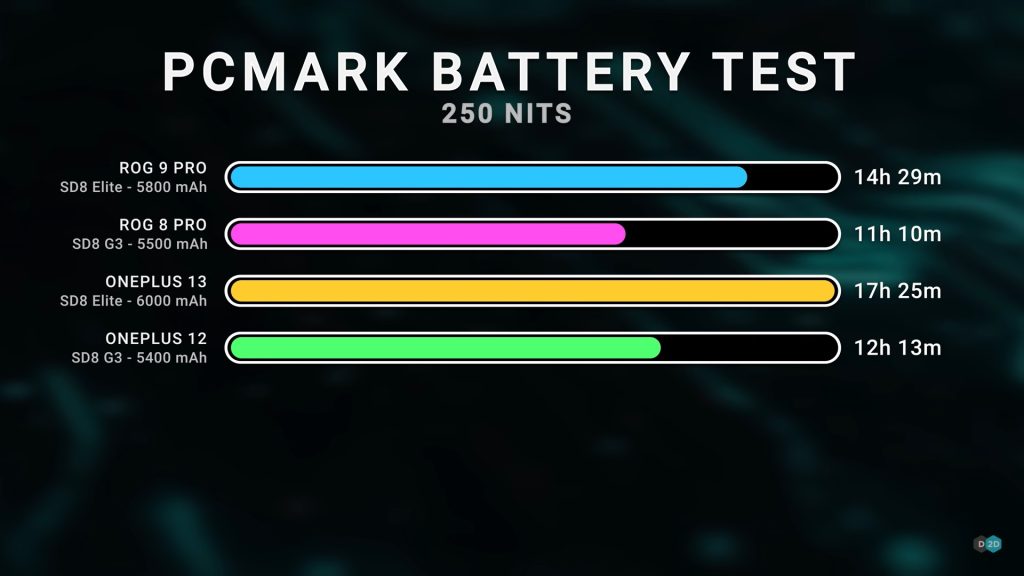
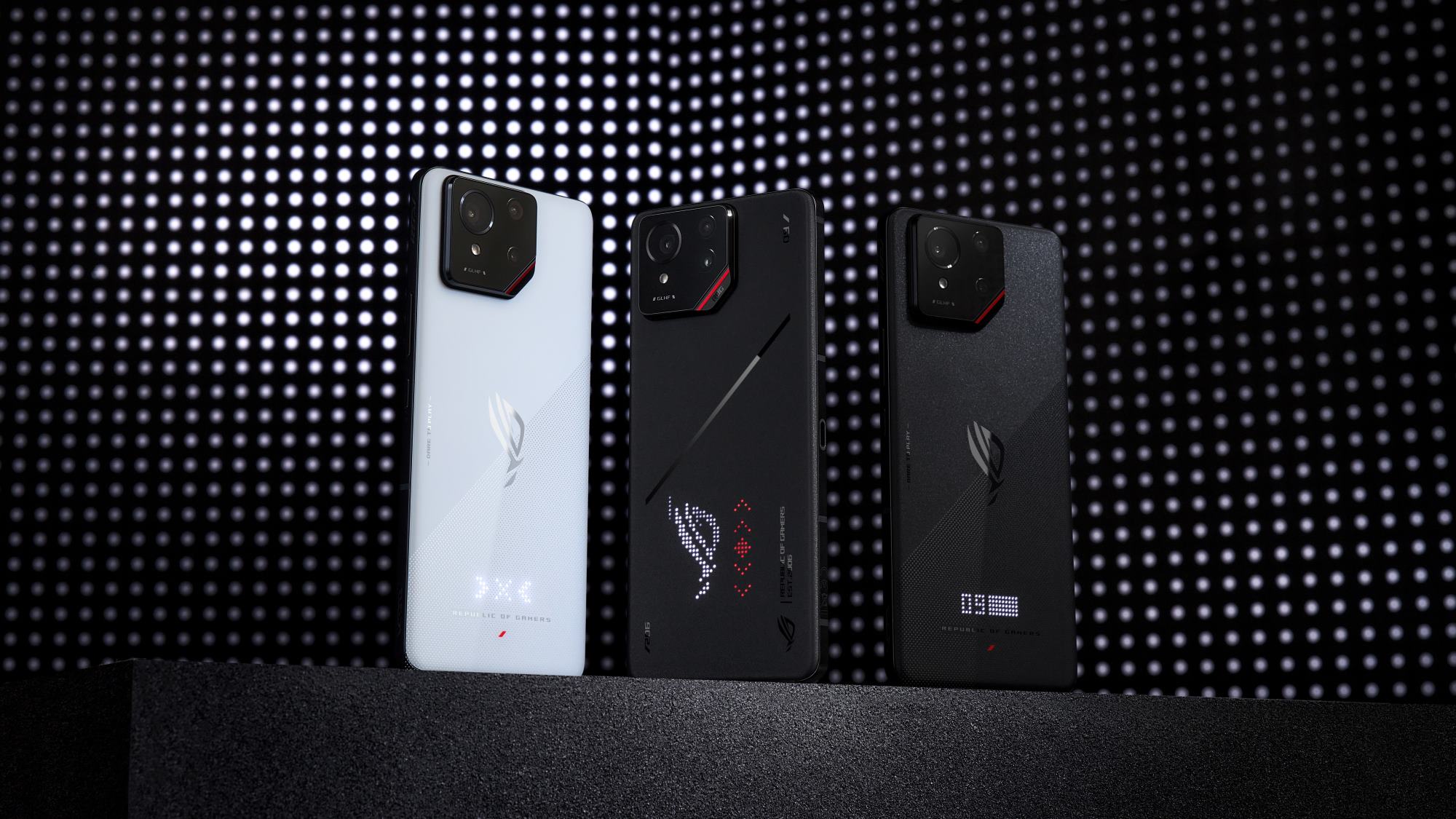
Dave2D tested the Chinese variant of the OnePlus 13, featuring a 6,000mAh battery, and the global ROG Phone 9 Pro model, equipped with a 5,800mAh battery, using the PCMark Battery test with screen brightness at 250 nits. The results showed impressive endurance, with the OnePlus 13 lasting 17 hours and 25 minutes and the ROG Phone 9 Pro achieving 14 hours and 29 minutes. These figures represent 43% and 30% battery life improvements, respectively, compared to their predecessors.
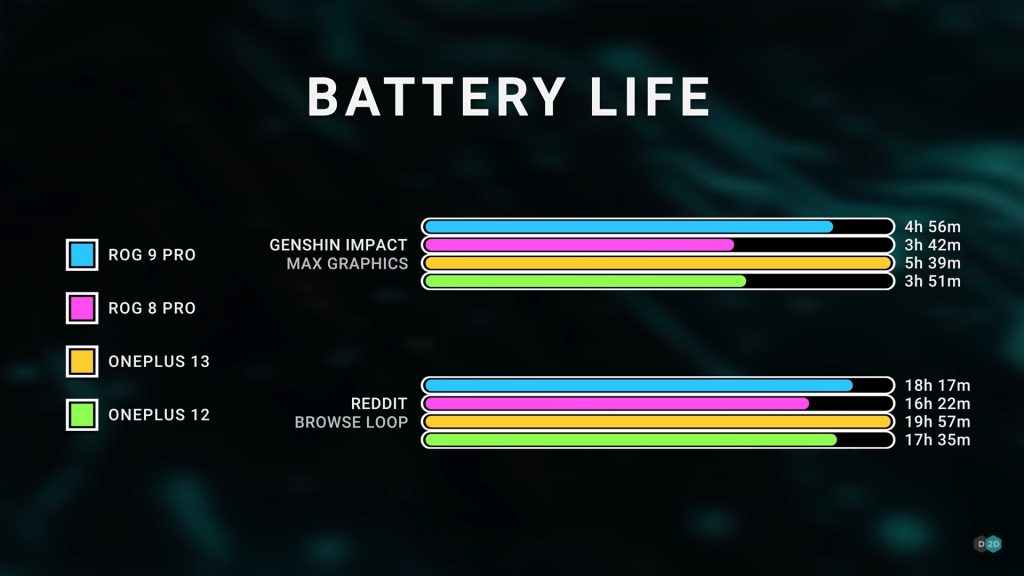
The Snapdragon 8 Elite also improves gaming performance. Dave2D tested the OnePlus 13 and ROG Phone 9 Pro with Genshin Impact, a game known to cause thermal throttling in many flagship devices. However, both phones performed better than their predecessors in terms of gameplay duration and consistent performance.
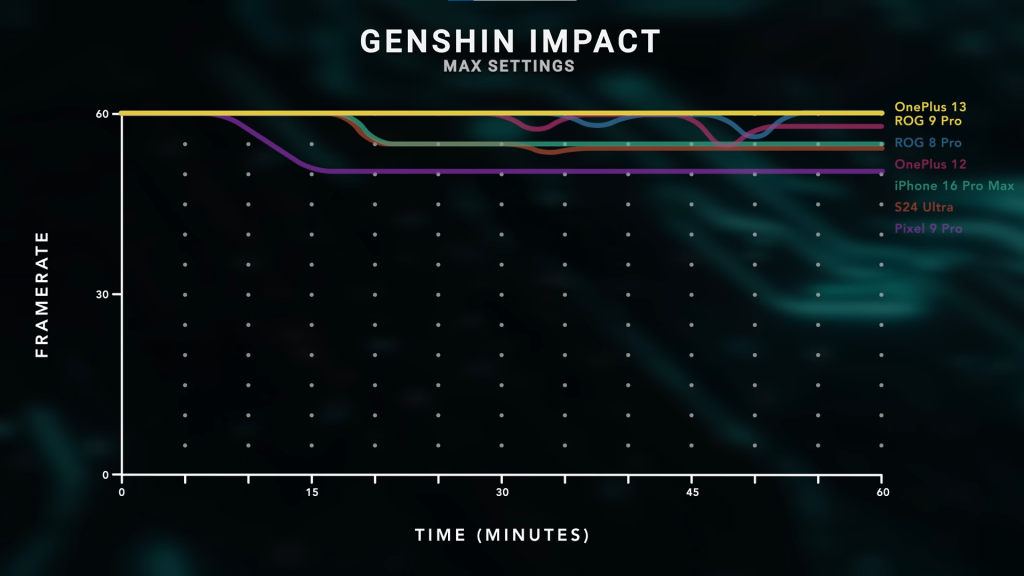
Thanks to the Snapdragon 8 Elite’s thermal management and efficiency, both devices were able to maintain smoother gameplay and higher frame rates for longer periods. However, it’s worth noting that the tests were conducted in Canada, where the cooler climate may have influenced the results, and performance could vary in hotter regions.
Apart from heavy tasks like gaming, the new processor also offers some significant battery life improvements in single-core tasks like browsing Reddit or serving the web.
Looking ahead, the Snapdragon 8 Elite shows a lot of potential. Upcoming flagship smartphones like the Galaxy S25 Ultra, Xiaomi 15 series, and even models like the Realme GT 7 Pro are expected to take advantage of the chipset’s advanced features and efficiency, offering a better overall experience compared to their predecessors.




Comments