Add GIZMOCHINA as Preferred Source on Google
iQOO 13 and OnePlus 13 are flagship smartphones packed with cutting-edge features, offering top-tier performance, stunning displays, and versatile camera setups. Both devices target premium users but cater to slightly different preferences iQOO focuses on gaming and speed, while OnePlus emphasizes photography and refined usability.
With similar core specifications but distinct features, this comparison dives into their design, performance, camera systems, and pricing to help you decide which suits your needs best. Whether you prioritize value, power, or unique extras, this comparison highlights what sets each device apart.
1. Design and Display
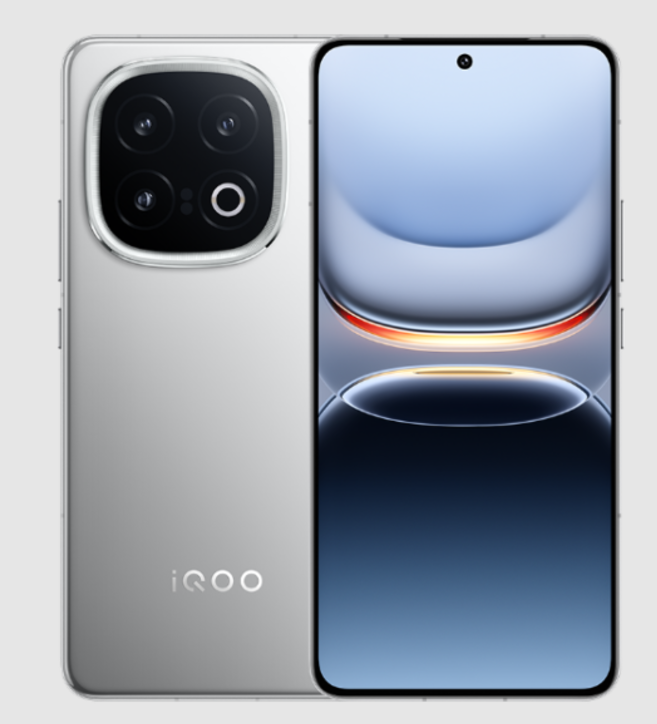
Both the iQOO 13 and OnePlus 13 feature premium designs with glass fronts and backs framed in aluminum, boasting IP68/IP69 ratings for durability. The iQOO 13 distinguishes itself with an RGB LED light on the back, adding a touch of flair for gamers and enthusiasts, while the OnePlus 13 opts for an understated aesthetic, offering an eco-leather option for a unique feel.
Their displays are equally impressive, with LTPO AMOLED panels supporting 1 billion colors and high resolutions. The iQOO 13 supports a 144Hz refresh rate for smoother visuals, while the OnePlus 13 caps at 120Hz but compensates with Dolby Vision and an Always-On Display. Brightness-wise, iQOO edges ahead with a peak of 6500 nits versus OnePlus’ 4500 nits.
The iQOO 13’s higher refresh rate and peak brightness make it more appealing for users who prioritize gaming and outdoor visibility. However, OnePlus’ Dolby Vision and eco-friendly design might win over users looking for a cinematic experience and sustainable materials.
2. Specifications
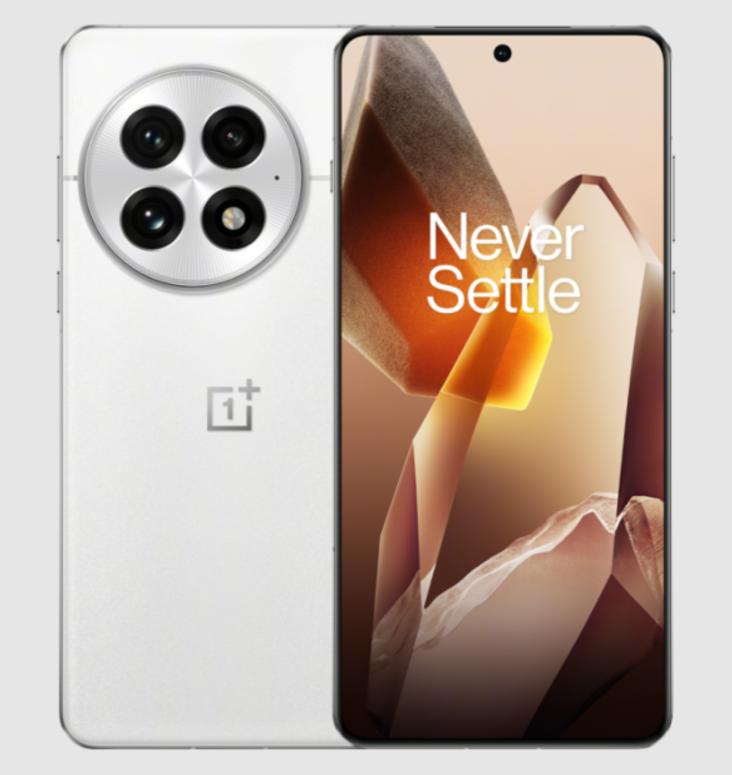
Both phones are powered by the Snapdragon 8 Elite chipset and support similar RAM and storage configurations. The iQOO 13 offers UFS 4.0 and 4.1 options, while OnePlus sticks to UFS 4.0. iQOO’s larger 6150 mAh battery (6000 mAh in India) and 120W charging deliver faster results, with a full charge in just 30 minutes. OnePlus’ 6000 mAh battery supports 100W wired, 50W wireless, and 10W reverse wireless charging, offering more versatile options.
While the iQOO 13’s faster charging speeds and larger battery are great for heavy users, OnePlus provides more versatile charging options that might appeal to those who prefer wireless convenience.
3. Camera
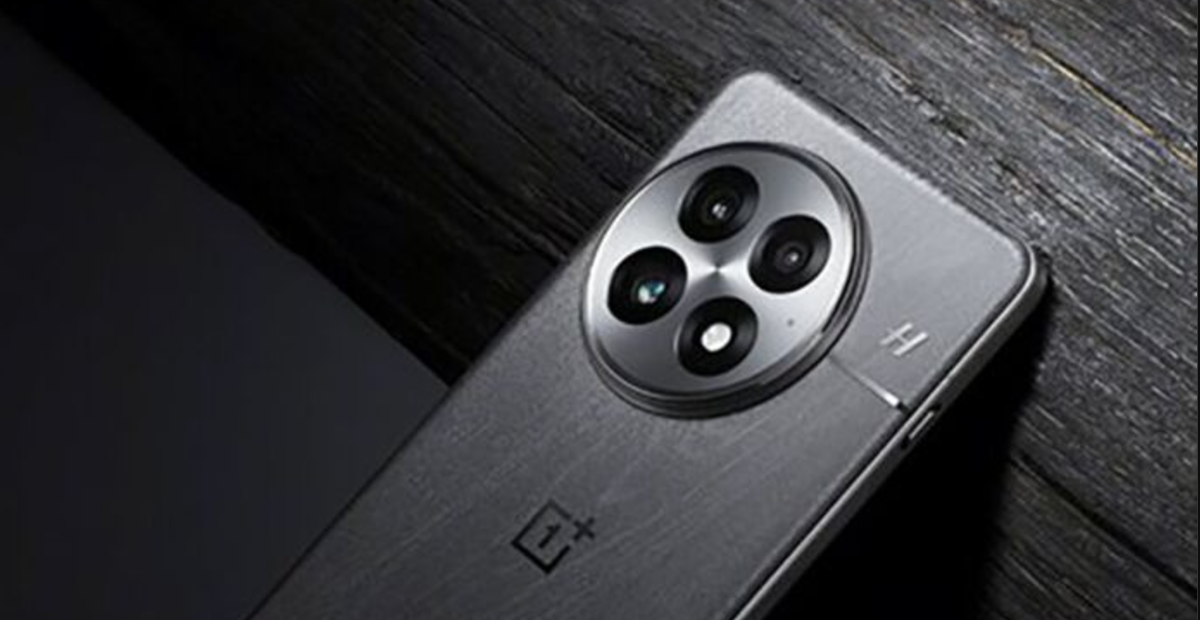
The iQOO 13 and OnePlus 13 feature triple 50 MP rear cameras but focus on different strengths. iQOO emphasizes balanced performance with 2x optical zoom and ultra-wide shots, while OnePlus delivers superior zoom capabilities with a 3x telephoto lens and Hasselblad Color Calibration for richer, more natural tones. Both offer 8K video recording and 4K selfie capabilities.
OnePlus’ Hasselblad integration and better zoom options provide a stronger appeal to photography enthusiasts, while iQOO offers a more versatile camera setup for everyday use.
4. Pricing
The iQOO 13 is priced at approximately €520, while the OnePlus 13 comes in at around €580. While both offer excellent value for their features, the slight premium for the OnePlus 13 reflects its advanced camera system and additional wireless charging features.
For budget-conscious users, iQOO offers almost identical specifications at a lower price, but OnePlus justifies its higher price with extra features that enhance overall usability.
5. Conclusion
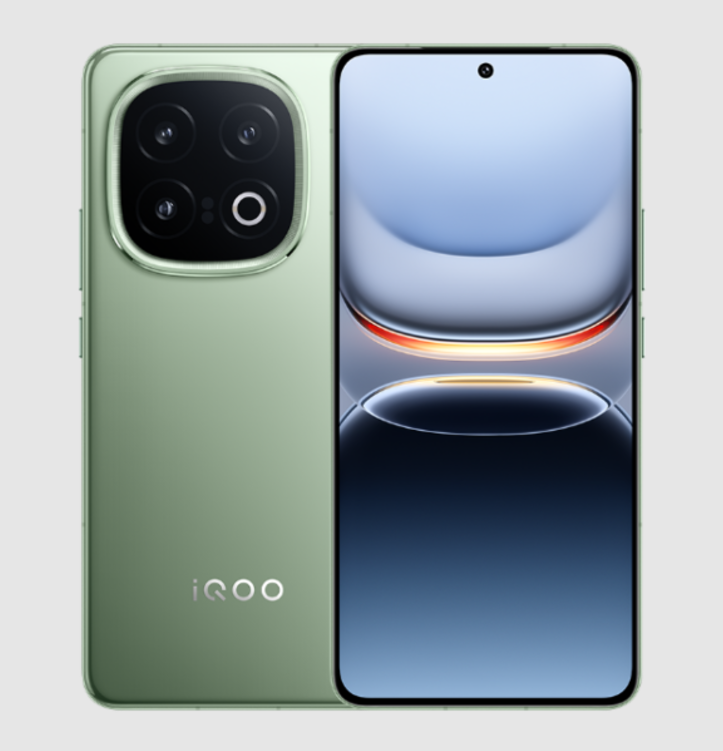
The iQOO 13 stands out with its RGB LED backlight, a gamer-focused feature, and its faster charging capabilities. On the other hand, the OnePlus 13 excels in wireless charging, Hasselblad-tuned cameras, and eco-leather material for a sustainable design. Both include advanced connectivity options and ultrasonic under-display fingerprint sensors, but OnePlus adds Dolby Vision for superior media playback.
If gaming and fast charging matter most, iQOO is the better choice. However, OnePlus wins for its polished, feature-rich experience, especially for photographers and users valuing sustainability.