Add GIZMOCHINA as Preferred Source on Google
Xiaomi Pad 7 and Pad 6 are powerful mid-range tablets designed for productivity and entertainment. While the Pad 6 impressed with its robust performance and premium design, the Pad 7 builds on this foundation with notable upgrades in display quality, processing power, and battery technology, all at a more affordable price. This comparison highlights their differences across features, helping you decide which tablet suits your needs better. Whether you’re a casual user or a multitasker, this comparison explores how each tablet stands out.
1. Design and Display
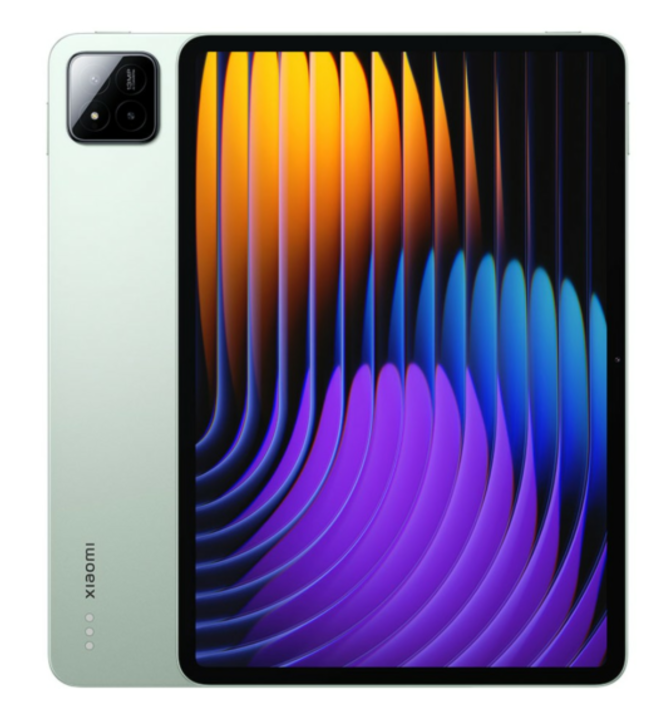
Xiaomi Pad 7 boasts a sleeker design with a slightly larger 11.2-inch display and a higher screen-to-body ratio (85.8%) compared to the Pad 6’s 11.0-inch screen (83.6%). Both feature premium aluminum frames and backs, but the Pad 7 adds a more vibrant IPS LCD panel with 68 billion colors, HDR10, Dolby Vision, and an impressive peak brightness of 800 nits, significantly brighter than the Pad 6’s 550 nits. The Pad 6 retains Gorilla Glass 3 protection, which the Pad 7 omits.
The Pad 7’s superior display specifications and brightness make it ideal for media consumption, though durability enthusiasts may appreciate the Pad 6’s Gorilla Glass protection. The slightly larger screen and enhanced visuals of the Pad 7 give it an edge.
2. Specifications
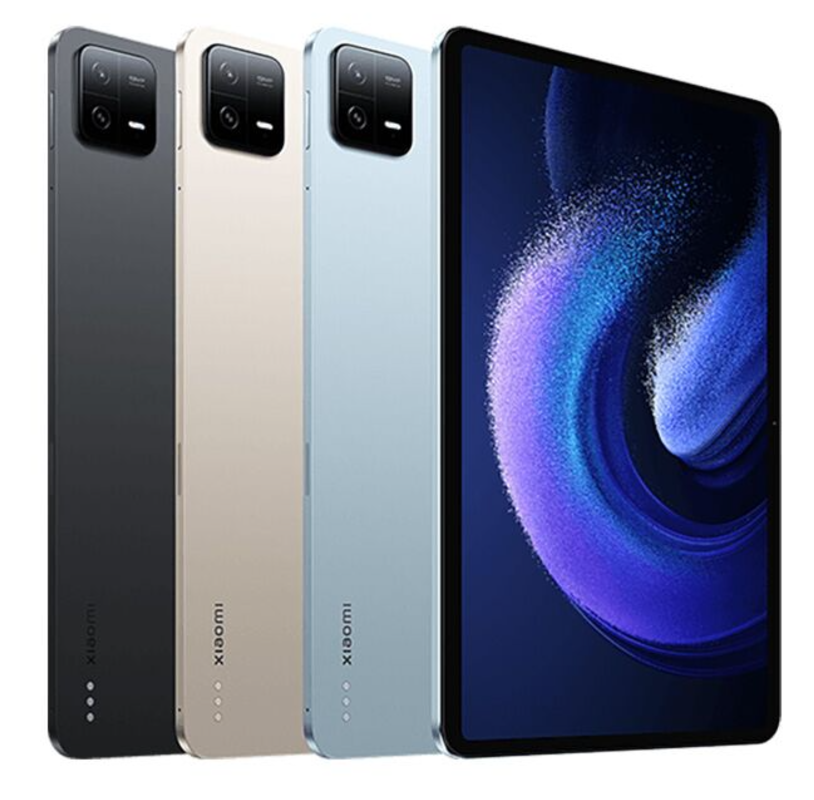
The Pad 7 is powered by the newer Snapdragon 7+ Gen 3 chipset, offering improved performance and efficiency over the Pad 6’s Snapdragon 870. It also introduces HyperOS 2 with Android 15, compared to the Pad 6’s MIUI Pad 14 on Android 13. Both tablets lack expandable storage, but the Pad 7 supports faster UFS 4.0 storage in higher variants. The Pad 7 has a slightly larger 8850 mAh battery with 45W fast charging, compared to the Pad 6’s 8840 mAh battery and 33W charging.
The Pad 7’s advanced chipset and software upgrades provide better multitasking and gaming capabilities, making it a stronger performer. The faster charging also makes it more convenient for heavy users.
3. Camera
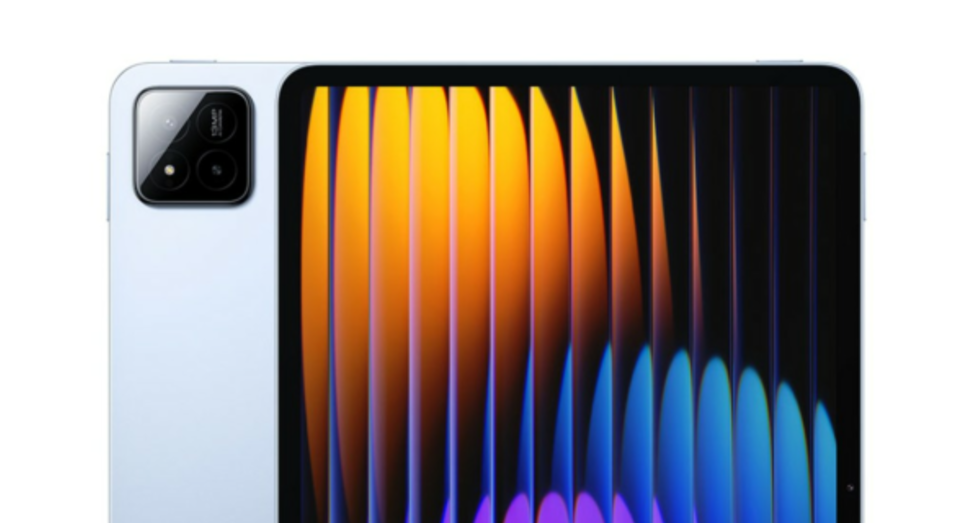
Both devices feature a 13 MP rear camera and an 8 MP front camera. However, the Pad 7 offers slightly better video recording, supporting 4K at 30 fps and improved HDR processing. While both cater to basic photography needs, the upgrades in processing on the Pad 7 may deliver sharper and more vibrant images.
For casual photography and video calls, both perform adequately. The Pad 7 edges ahead for users who value slight improvements in video quality and HDR features.
4. Pricing
The Pad 7 is priced around $329, significantly lower than the Pad 6 launch price. Despite the price difference, the Pad 7 offers significant hardware and software upgrades, making it a value-packed option. The Pad 7 specs make it a clear winner for budget-conscious users who don’t want to compromise on performance.
5. Conclusion
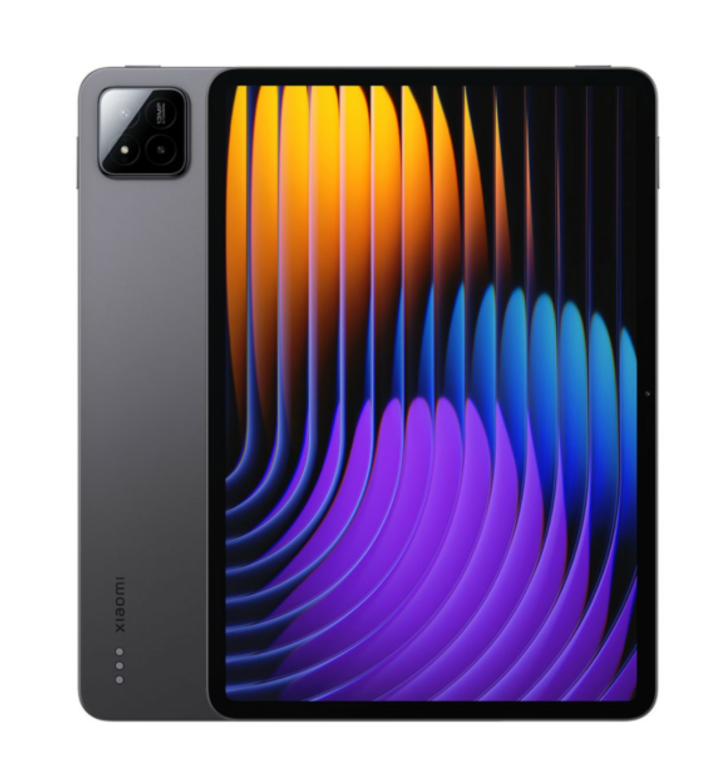
Xiaomi Pad 7 introduces several standout features: a brighter and more colorful display, the more advanced Snapdragon 7+ Gen 3 chipset, faster UFS 4.0 storage, and a larger battery with faster charging. It also runs on the latest Android 15 with HyperOS 2, ensuring better long-term software support.
Unique upgrades in the Pad 7, such as the display and processor improvements, highlight Xiaomi’s focus on offering cutting-edge tech at an affordable price. It’s a worthy successor to the Pad 6 for anyone seeking a tablet for media and productivity.