Add GIZMOCHINA as Preferred Source on Google
As an Amazon Associate, Gizmochina earns from qualifying purchases. Links on this page may earn us a commission at no extra cost to you.
Baseus S1 Pro Outdoor Security Camera System offers an intriguing blend of solar-powered innovation and solid camera performance. Over the past few weeks, I tested the S1 Pro system to see how it stands up to real-world use. Here’s a detailed review covering everything from unboxing to performance, durability, and my final impressions.
1. What’s in the Box?
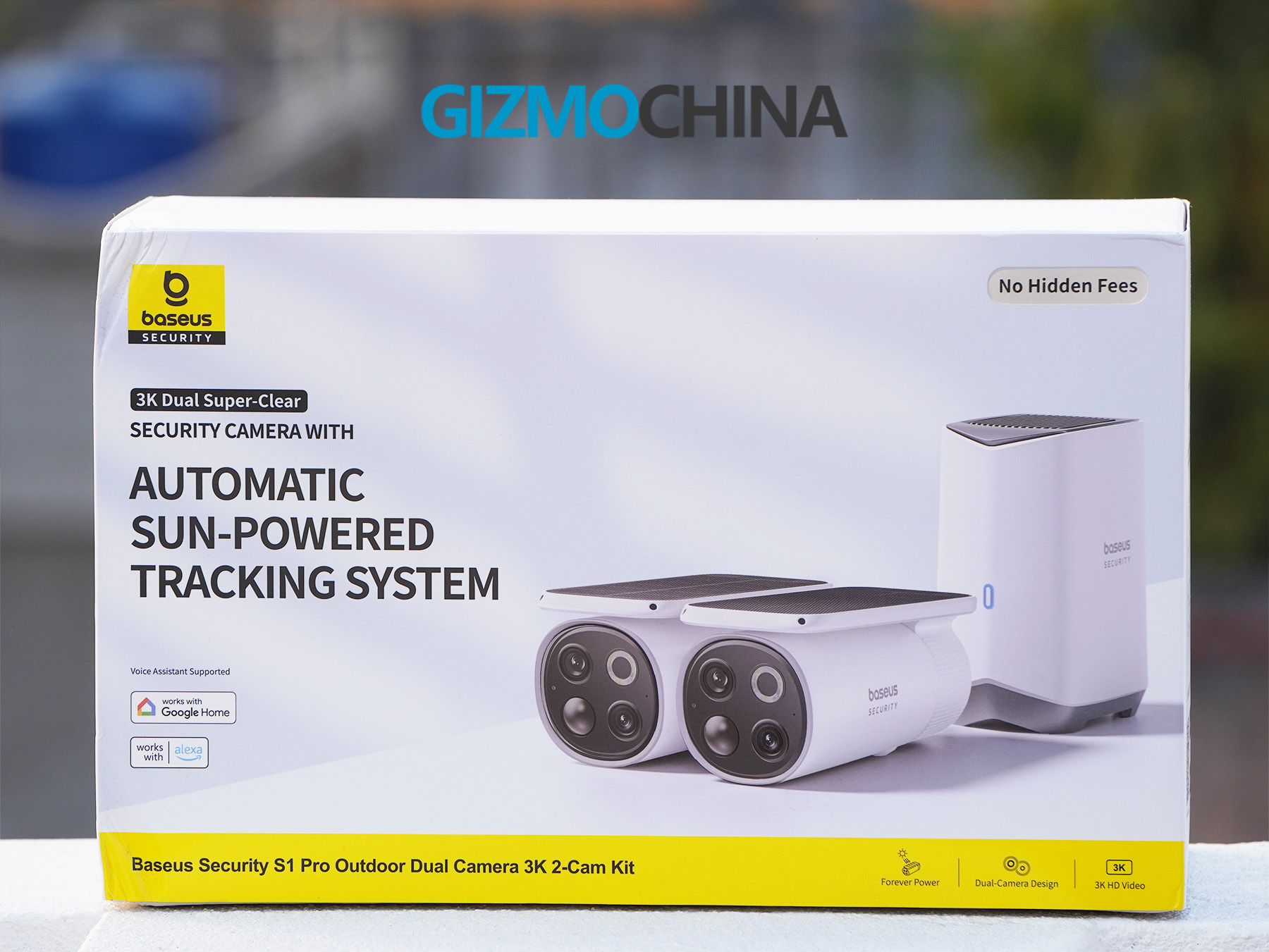
The Baseus S1 Pro package includes:
- Two S1 Pro cameras
- An H1 HomeStation hub
- A power adapter
- An Ethernet cable
- USB-A to USB-C charging cable
- Two screw mounts and a screw pack
- Quick start guide/user manual
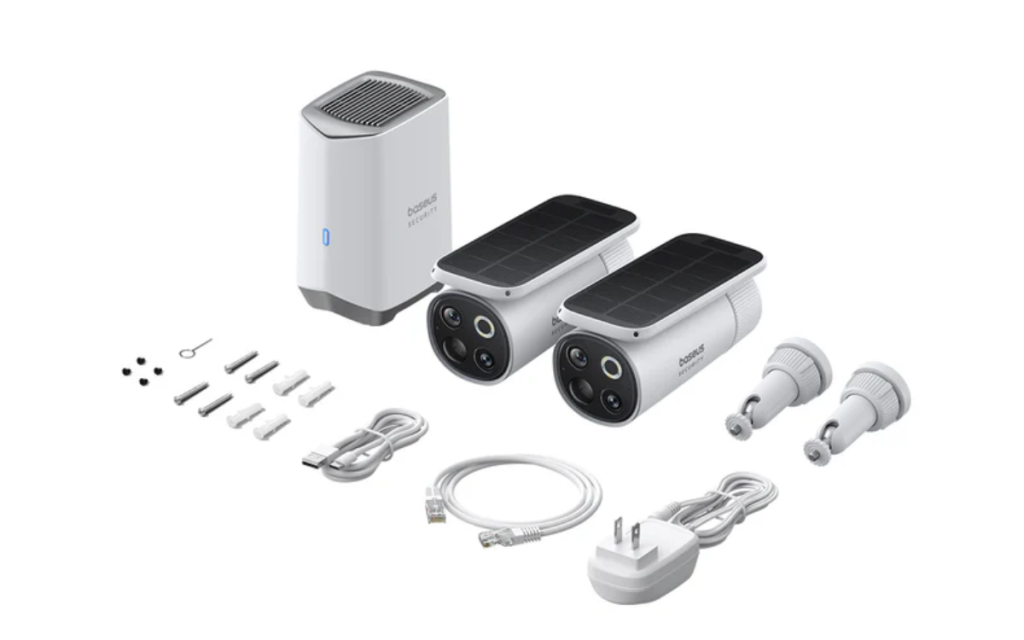
The contents are well-organized, and everything you need for setup is included.
2. Build Quality and Design
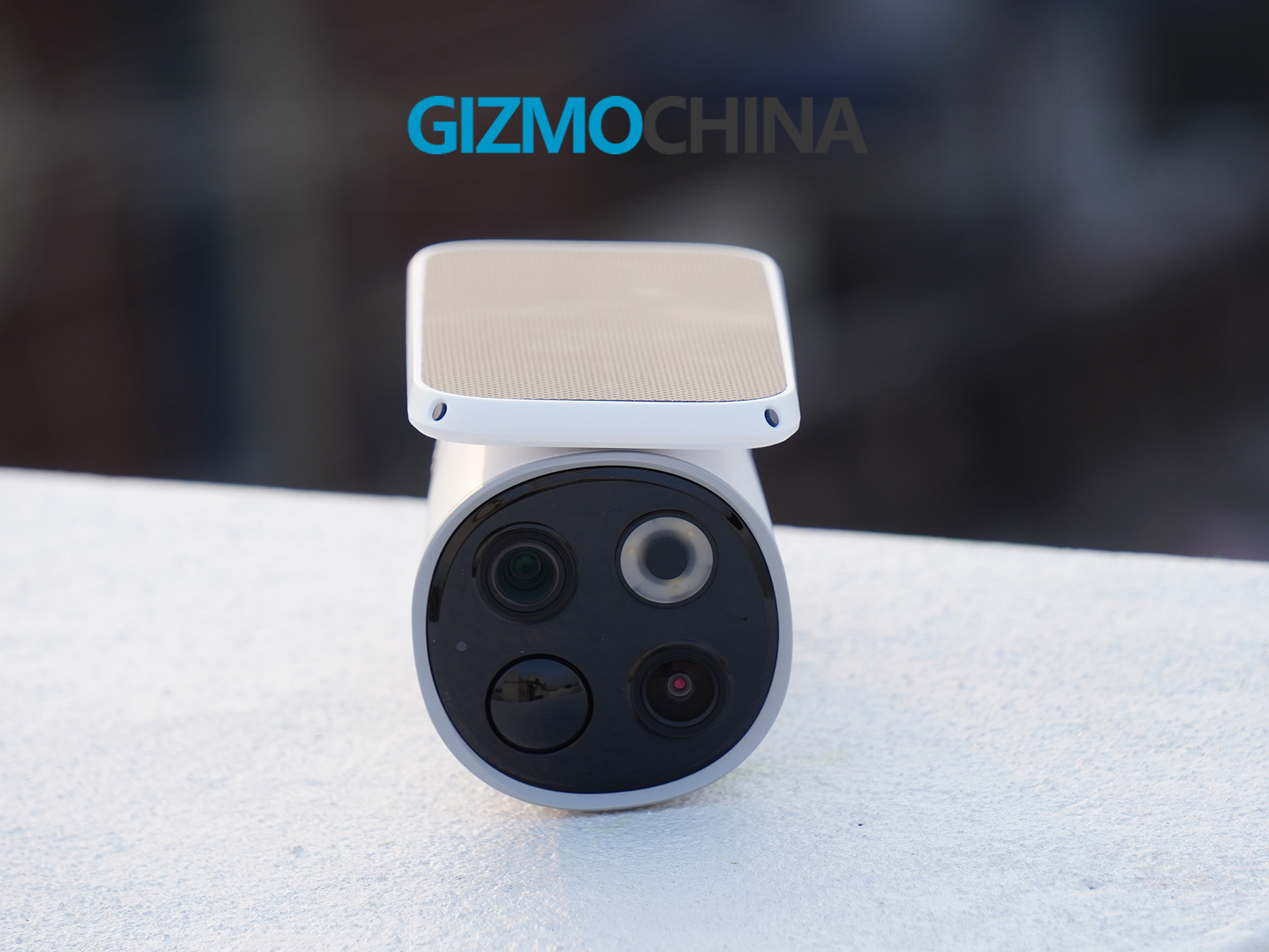
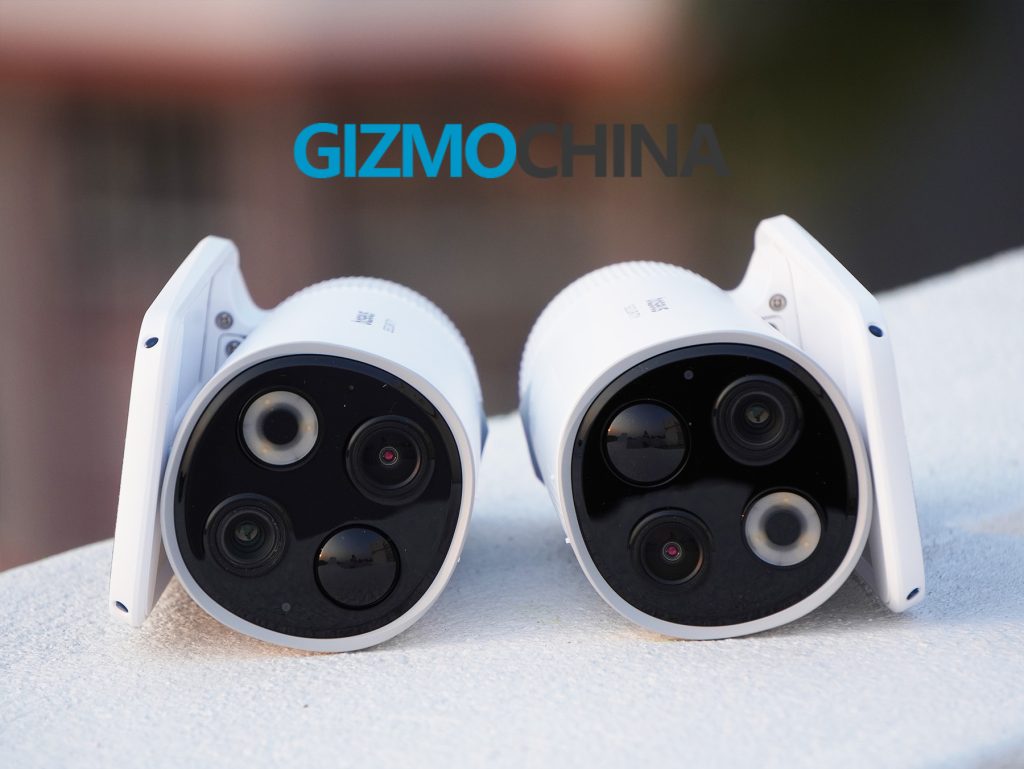
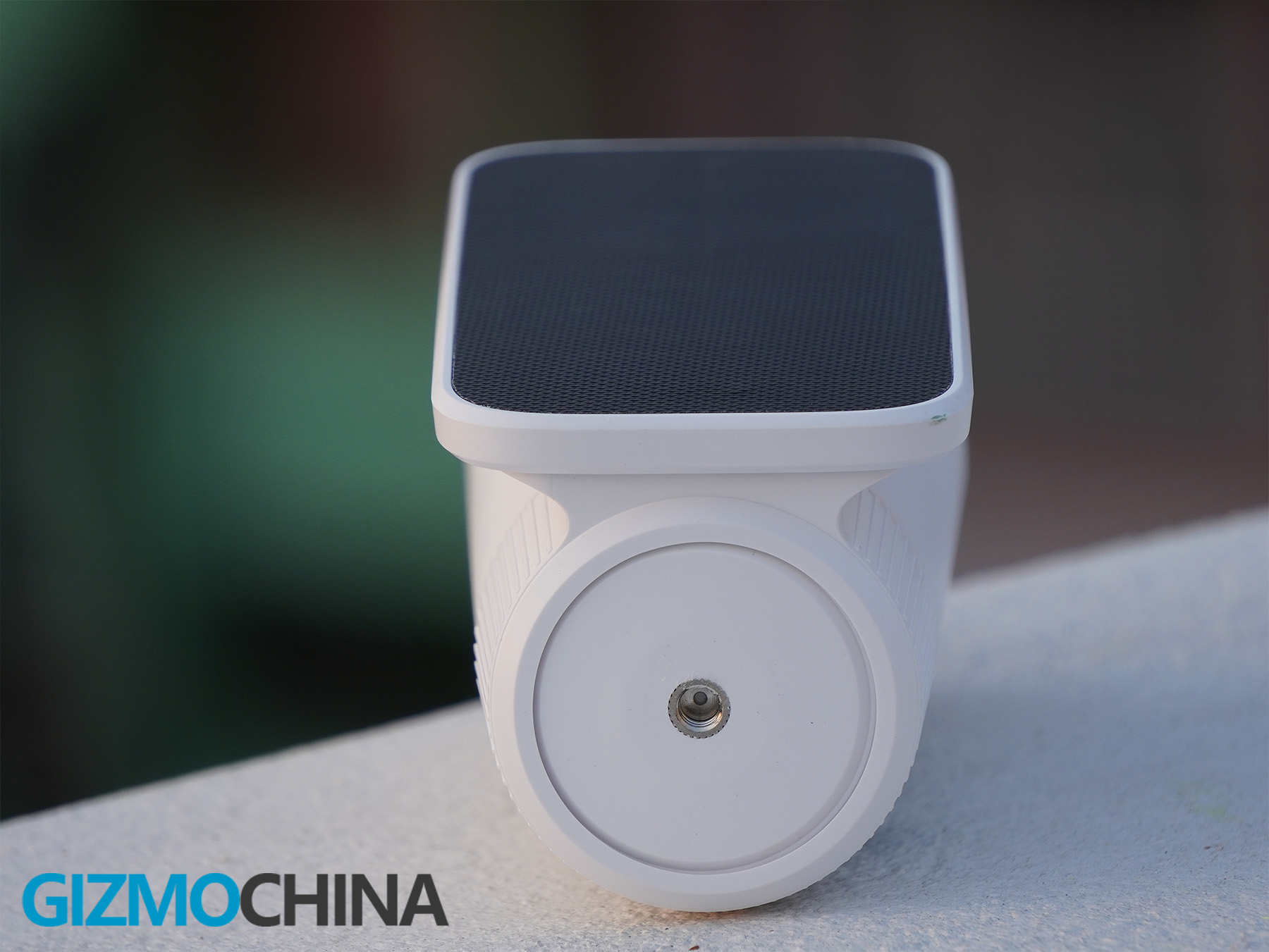
The S1 Pro cameras are built with industrial-grade plastic, providing a sturdy and durable feel. Each camera features an integrated solar panel that sits on top, dominating the design. While the large solar panels might appear bulky at first glance, they are practical, ensuring maximum sunlight absorption.
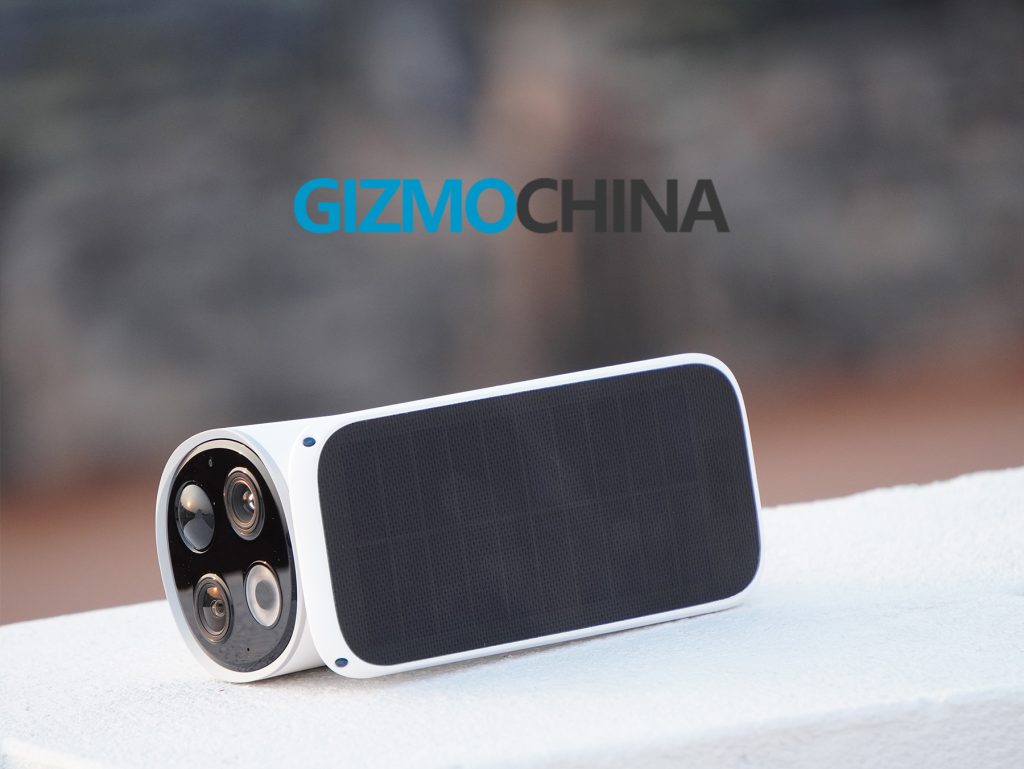
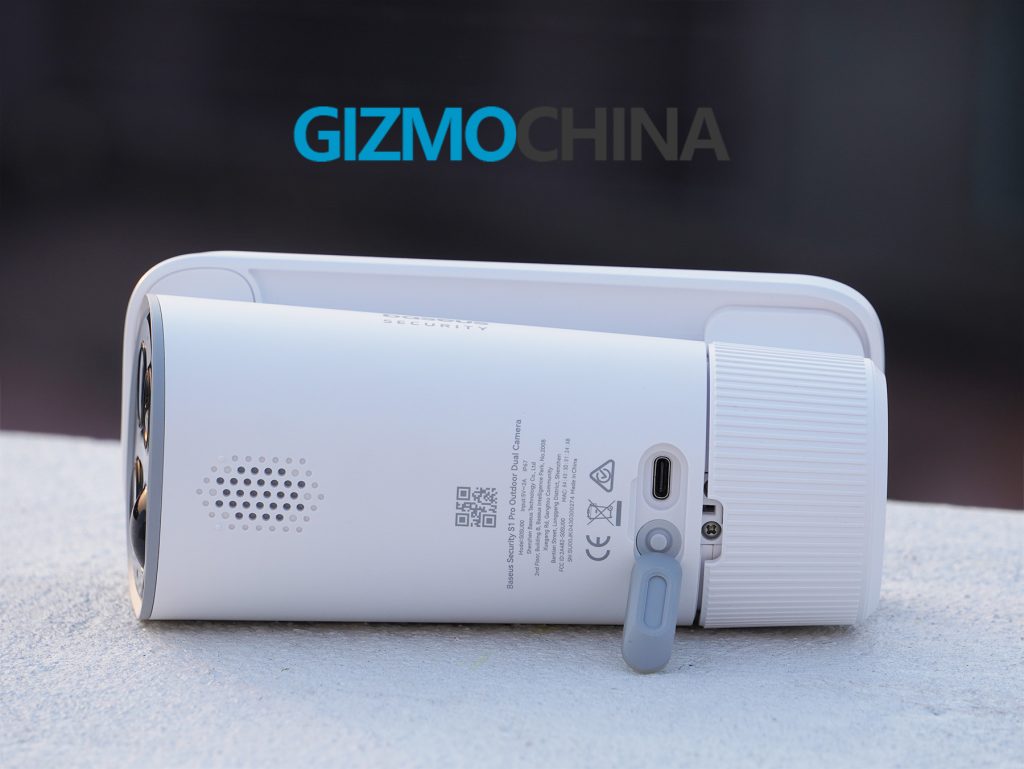
The cameras are rated IP67, making them resistant to dust and water. This durability reassured me about their outdoor placement. The HomeStation hub, on the other hand, has a minimalistic design meant to sit discreetly near your router. It’s compact and doesn’t take up much space.
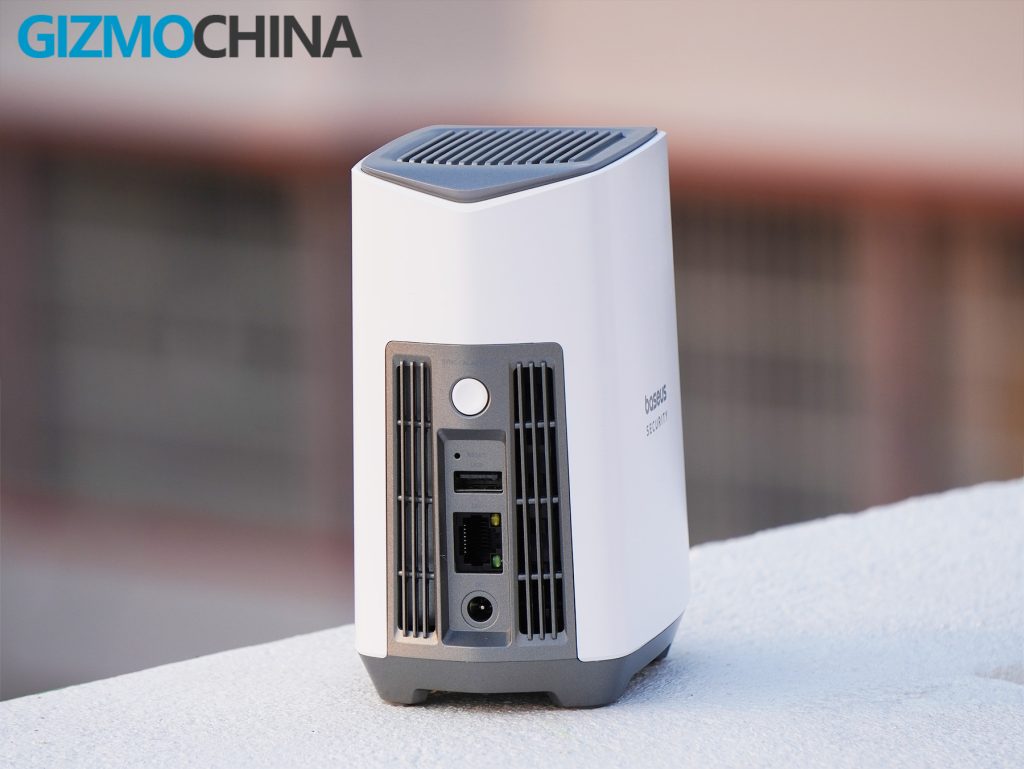
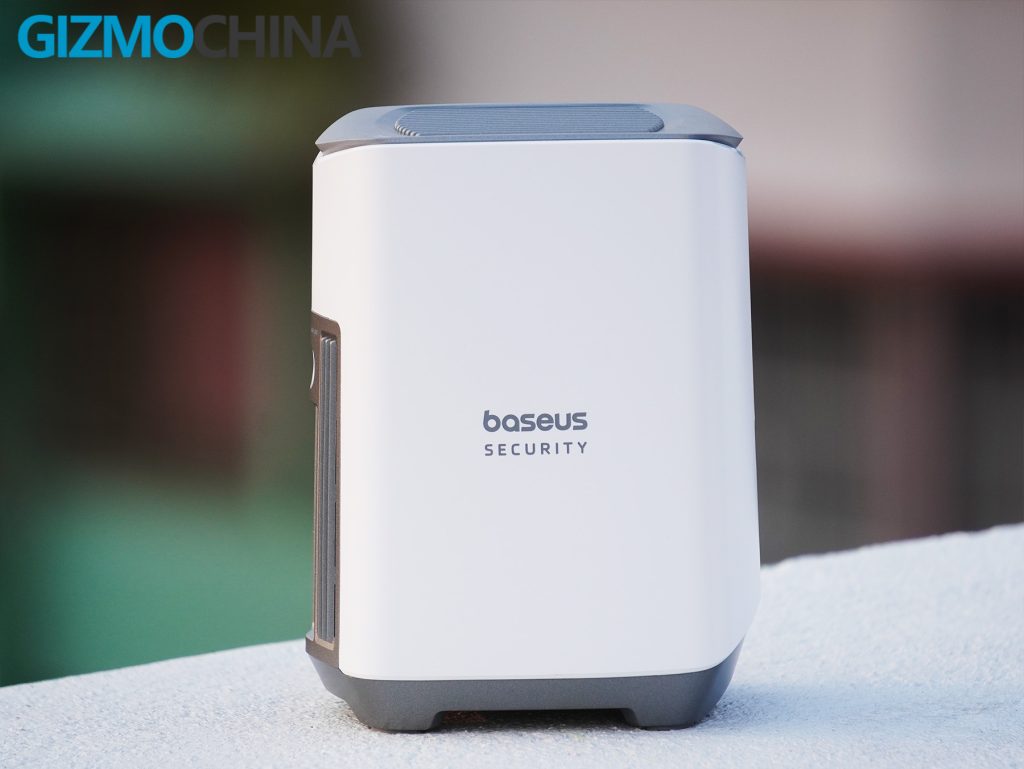
The dual-camera system features a wide-angle lens and a telephoto lens. Both are housed within a cylindrical body that feels well-built and capable of withstanding outdoor conditions.
3. Setup Experience
Setting up the Baseus S1 Pro was straightforward. The H1 HomeStation requires a power connection and an Ethernet cable to link with your router. After plugging in the hub, downloading the Baseus app, and completing a firmware update, I was ready to connect the cameras.
Mounting the cameras was simple thanks to the included hardware. I positioned them on my home balcony, where they could cover the parking area and also the nearby road. The app provided clear instructions, making the process smooth even for someone without technical expertise.
The pairing process between the cameras and the hub was seamless. Within minutes, both cameras were live and accessible through the app. The app itself is intuitive, with an organized interface for accessing live feeds, recorded footage, and motion alerts.
4. Performance
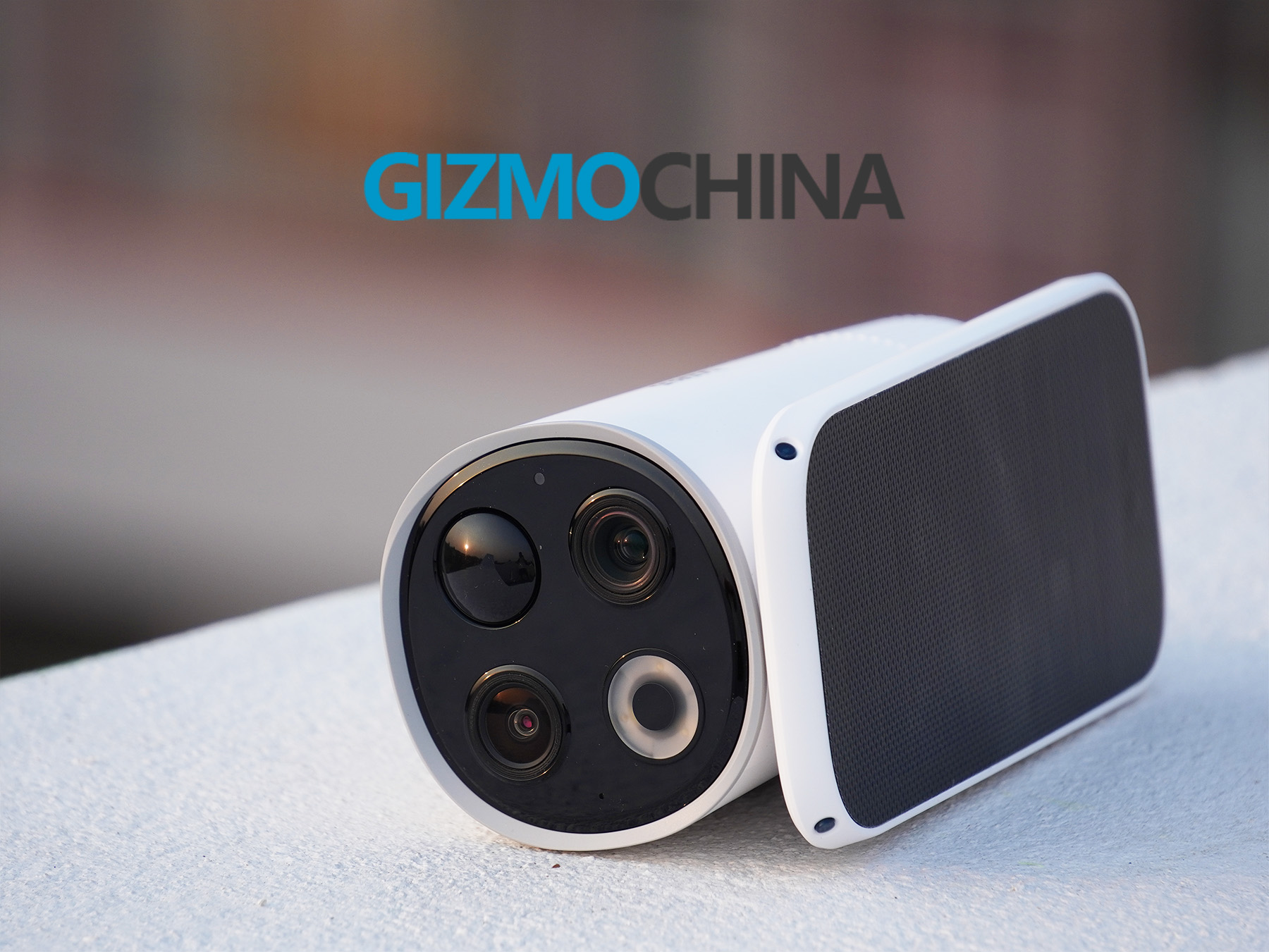
The Baseus S1 Pro offers commendable performance across various metrics, making it a strong contender in the home surveillance market. However, there are specific areas where it excels and others where improvements could enhance the overall experience.
The dual-camera setup includes a wide-angle lens and a telephoto lens, both of which deliver up to 3K resolution with 120-degree FOV and f/1.6 aperture. During my testing, the footage captured by both lenses was crisp, clear, and vibrant. The colors appeared natural and well-balanced, particularly during the day. Motion capture was smooth, with no noticeable ghosting or artifacting, even when capturing fast-moving subjects like vehicles. This level of detail makes the system highly effective for identifying people, license plates, or other crucial elements in surveillance footage.
Switching between the wide-angle and telephoto views was seamless. The app allows you to view both feeds simultaneously, with one lens displayed in a picture-in-picture mode. This feature is particularly useful for monitoring a single area with both a close-up and a broader perspective. The 8x optical zoom of the telephoto lens provided detailed views of distant objects, maintaining clarity even at maximum zoom.
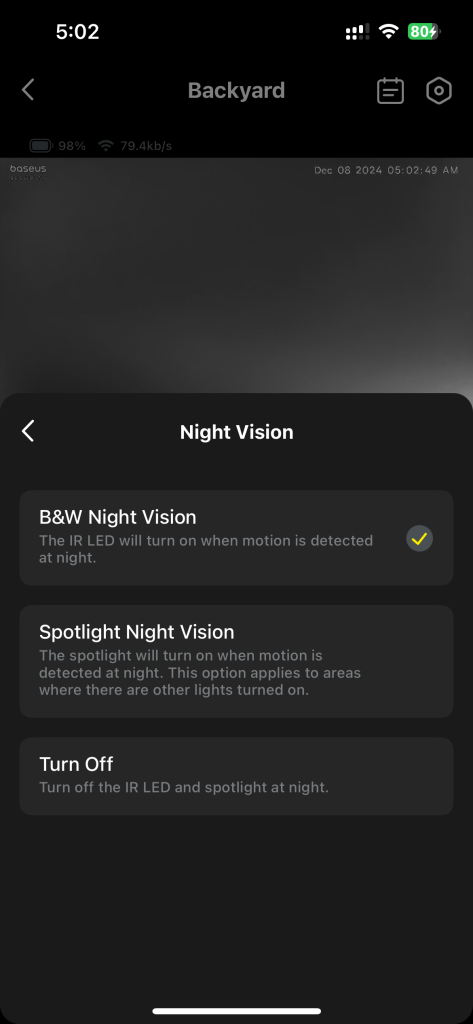
The S1 Pro offers two distinct night vision modes: standard infrared (IR) and spotlight night vision. The IR mode produced sharp, black-and-white footage, with clear visibility up. I found this sufficient for monitoring darker areas like parking lots or backyards.
The spotlight night vision mode, while more power-intensive, added a new layer of detail in low-light conditions. It provided a more natural representation of the surroundings, making it easier to identify colors and finer details. This feature is particularly useful in scenarios where black-and-white footage might miss critical visual cues, such as distinguishing clothing colors or car models.
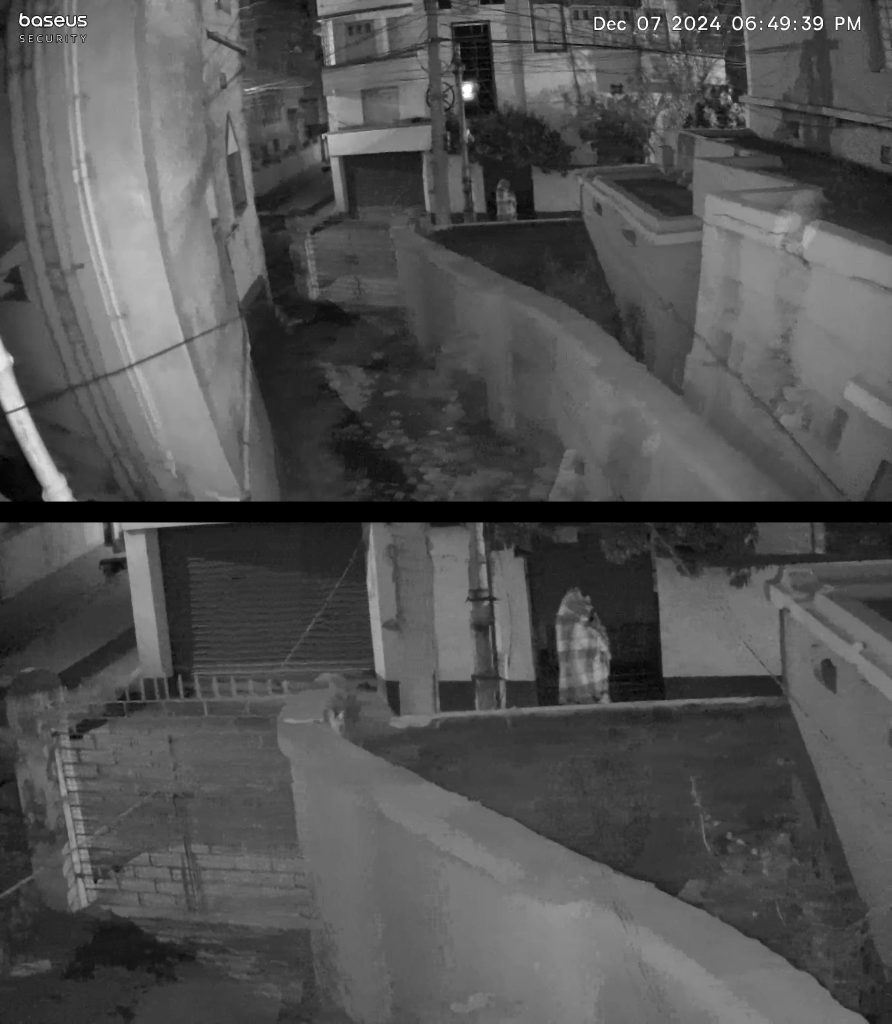
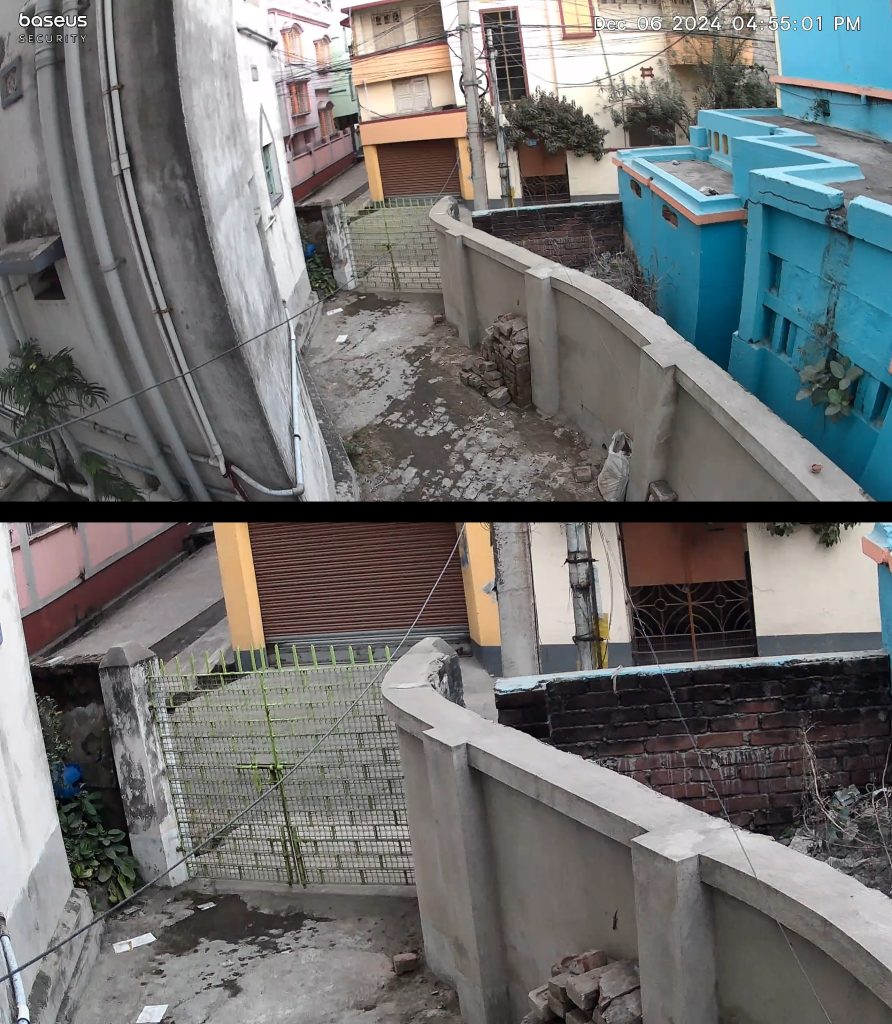
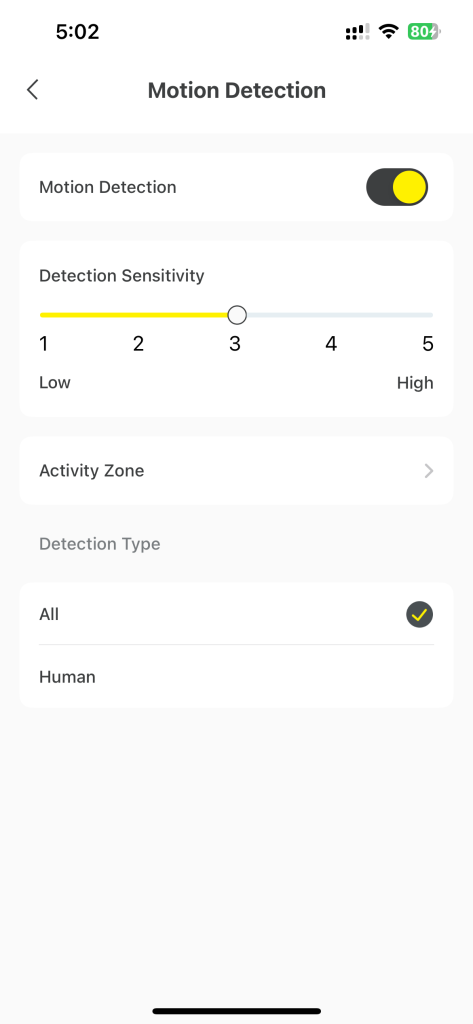
The S1 Pro cameras are equipped with motion detection that uses adjustable sensitivity levels, ranging from 1 to 5. The default setting of 3 struck a good balance during my testing, accurately identifying motion without too many false positives. The system leverages AI to distinguish between humans and environmental triggers like swaying trees or passing shadows. This AI-driven approach significantly reduced unnecessary notifications.
Alerts were delivered via rich notifications on my smartphone. This made it easy to quickly assess whether the alert warranted further attention. The timeline in the Baseus app allowed me to review and playback events effortlessly, with options to download or share clips directly.
The two-way audio feature on the S1 Pro cameras worked as expected. The built-in microphones captured clear audio with minimal background noise, while the speakers produced loud and understandable output. I tested the feature by speaking through the app while standing near the cameras, and the audio quality was adequate for conversations or instructions. However, there was a slight delay, which is typical for devices of this kind.
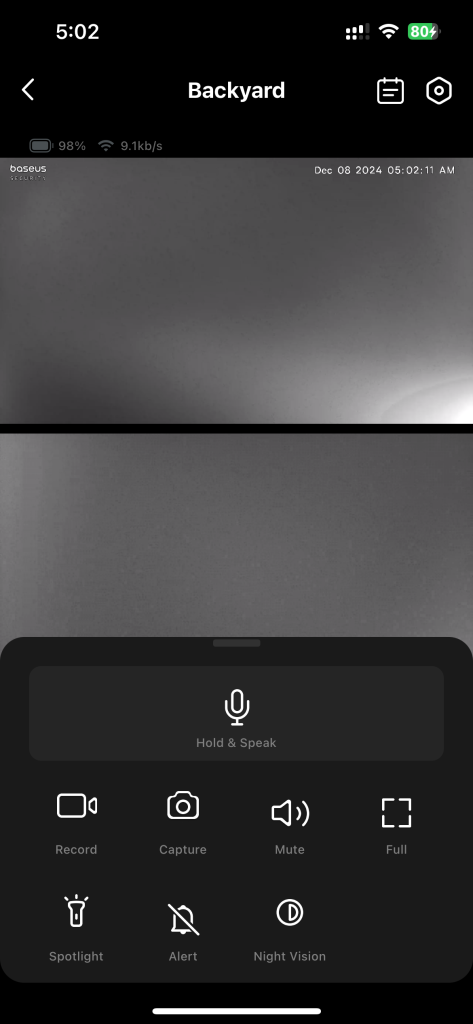
However, I noticed a delay when accessing live feeds through notifications. Occasionally, the app froze, requiring a restart to function properly. At times, even when the app seemed fine, the camera failed to display the live feed, although the motion sensor worked and continued sending notifications. This lag was frustrating and highlights an area where Baseus could improve.
The local storage system is a strong point. The H1 HomeStation comes with 16GB of built-in storage, expandable up to 16TB using a user-installed SSD. I didn’t face any storage issues during my test, but users with high recording demands might benefit from upgrading the storage capacity.
5. Durability and Battery Life
The S1 Pro boasts impressive durability, thanks to its IP67 rating, which guarantees protection against rain and dust. Although I tested it during winter and didn’t experience any rain, the build quality felt very premium just like any other Baseus product, and seemed well-suited to withstand tough outdoor conditions.
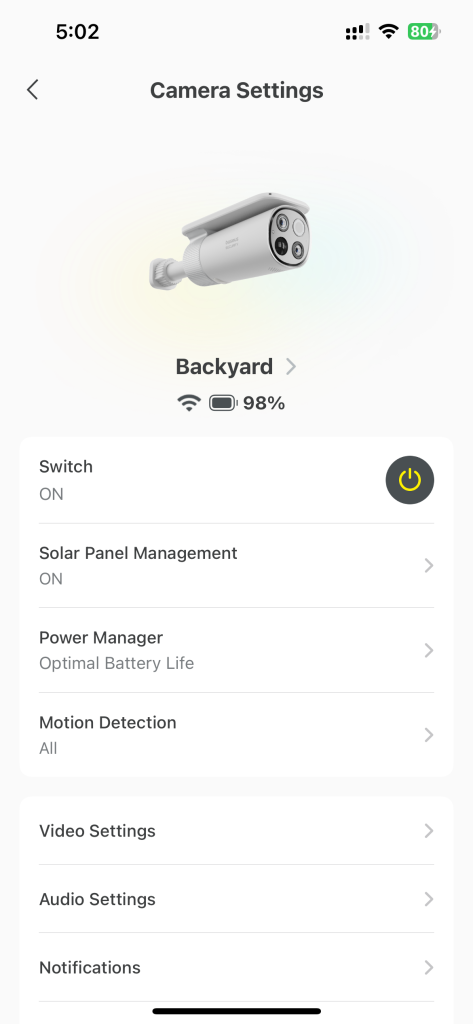
Battery life is where the S1 Pro truly shines. Thanks to the solar panels, I didn’t have to charge the cameras manually during the entire testing period. The cameras maintained sufficient power levels. This set-and-forget design is a major advantage for those seeking hassle-free operation.
Another notable feature is the rotating solar panels, which automatically adjust throughout the day to optimize sunlight exposure. This smart move ensures the batteries remain efficiently charged, reducing the need for frequent recharging.
6. Final Thoughts
The Baseus S1 Pro is a well-rounded package with some standout features, particularly the rotating solar panels and high-resolution dual-lens cameras. Its performance in daylight and nighttime scenarios was commendable, and the build quality inspires confidence in its longevity.
However, the system is not without its flaws. The lack of pan-and-tilt functionality for the cameras and occasional app delays detract from the overall experience. Additionally, the $430 price tag may deter budget-conscious buyers, especially since it currently lacks options for standalone camera purchases.
Despite these drawbacks, the S1 Pro offers reliable surveillance with no ongoing subscription fees. It’s a worthwhile investment for those seeking a durable, eco-friendly security solution.
7. Pricing and Availability
The Baseus S1 Pro Outdoor Security Camera, priced at $430, is available on the Baseus website and features dual cameras along with a local storage hub. Currently, it is offered on Amazon for a discounted price of $199.99 during a limited-time deal running from December 2 to December 31.
Earlier this year, we also reviewed the Baseus N1 Outdoor Security Camera, a more affordable option compared to these models, but it lacks solar panels.