Add GIZMOCHINA as Preferred Source on Google
Xiaomi recently launched the Redmi Note 14 Pro in India, promising improved specifications and features over its predecessor, the Redmi Note 13 Pro. But is the latest device a significant upgrade? Let’s break down the differences and find out.
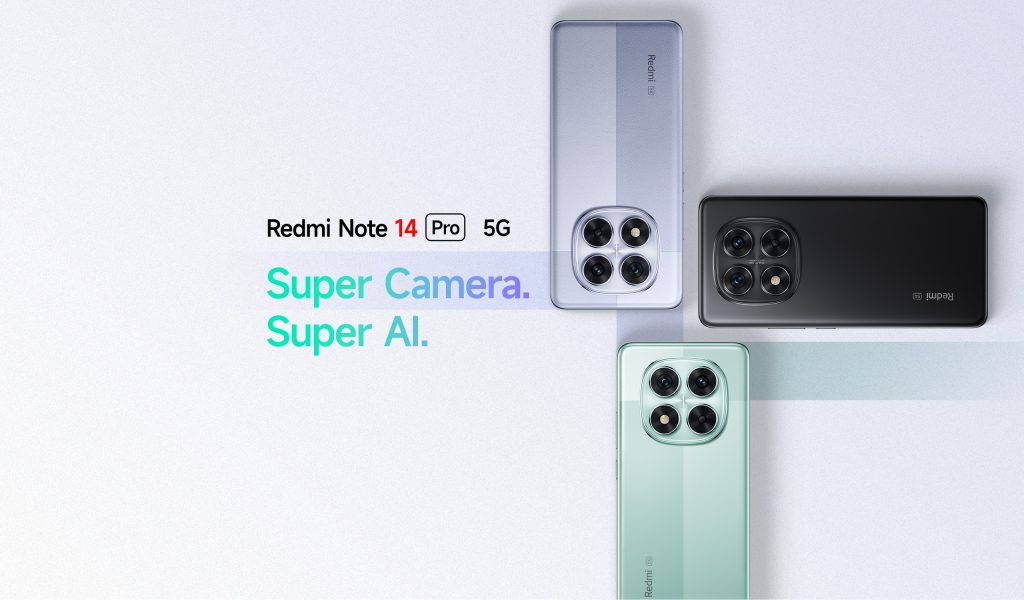
1. Design & Build Quality
The design philosophies of the two smartphones share similarities, yet there are notable differences. The Redmi Note 13 Pro offers a sleeker design with flat edges and an AG matte glass back. The Redmi Note 14 Pro, on the other hand, takes a more robust approach with IP66, IP68, and IP69 ratings, making it significantly more resistant to water and dust compared to the Note 13 Pro’s IP54 rating.
In terms of dimensions, the Note 14 Pro is slightly thicker and heavier, measuring 162.33 x 74.42 x 8.4mm (8.55mm for leather models) and weighing 190g. The Note 13 Pro is more compact at 161.15 x 74.24 x 7.98mm, with a lighter weight of 187g. While both phones are comfortable to hold, the Note 14 Pro’s additional water and dust resistance makes it more durable.
2. Display
The displays of both phones feature a 6.67-inch OLED panel with a 1.5K resolution of 2712 x 1220 pixels and a 120Hz refresh rate. The Redmi Note 14 Pro stands out with a peak brightness of 3000 nits, significantly brighter than the 1800 nits offered by the Redmi Note 13 Pro.
The Redmi Note 14 Pro also features the latest Corning Gorilla Glass Victus 2 for better screen durability, whereas the Redmi Note 13 Pro uses Corning Gorilla Glass Victus. Both displays support HDR10+, Dolby Vision, 1920Hz PWM dimming, and 12-bit color depth, ensuring vibrant visuals and smooth scrolling.
3. Performance
The Redmi Note 14 Pro is powered by the MediaTek Dimensity 7300-Ultra chipset, a significant upgrade from the Snapdragon 7s Gen 2 SoC found in the Redmi Note 13 Pro. This newer MediaTek processor delivers slightly better efficiency and sustained performance.
The Note 14 Pro also benefits from a cooling system featuring a 13780mm² Graphite sheet, ensuring sustained performance under load, compared to the 9000mm² cooling solution in the Note 13 Pro. Both models feature the same LPDDR4X RAM and UFS 2.2 storage.
4. Camera
The camera setups of these phones cater to different user needs. The Redmi Note 14 Pro features a 50MP Sony LYT-600 sensor with an f/1.5 aperture, designed for improved low-light photography. It is accompanied by an 8MP ultra-wide camera and a 2MP macro lens.
The Redmi Note 13 Pro, however, offers a higher resolution 200MP Samsung ISOCELL HP3 main sensor with optical image stabilization, an 8MP ultra-wide camera, and a 2MP macro lens.
While the Note 13 Pro is ideal for photography enthusiasts seeking high-resolution shots, the Note 14 Pro focuses on delivering better low-light performance and AI-driven camera enhancements like AI Clear Capture and AI Erase Pro.
5. Battery & Charging
Battery capacity and charging speeds vary between the two models. The Redmi Note 14 Pro houses a 5500mAh battery that supports 45W fast charging. In comparison, the Redmi Note 13 Pro has a slightly smaller 5100mAh battery but supports faster 67W charging. Both devices are capable of delivering all-day battery life, but the Note 13 Pro’s quicker charging speed may appeal to users who prioritize convenience.
6. Software & Other Features
The Redmi Note 14 Pro ships with Android 14 and Xiaomi’s latest HyperOS, which promises a more streamlined and efficient user experience. In comparison, the Redmi Note 13 Pro originally launched with MIUI 14 based on Android 13 but is also upgradable to HyperOS. Both devices offer long-term software support with three major Android updates and four years of security patches.
Both phones offer stereo speakers, Dolby Atmos support, USB Type-C audio, and 5G connectivity, ensuring a premium multimedia and connectivity experience. The Redmi Note 14 Pro includes additional AI features like AI Live Interpreter, AI Subtitles, and AI Translation, making it a better option for users who frequently require cross-language communication.
7. Pricing
Pricing plays a significant role in deciding between the two devices. The Redmi Note 14 Pro starts at Rs. 24,999 for the base variant with 8GB RAM and 128GB storage, while the Redmi Note 13 Pro is priced slightly higher at Rs. 25,999 for the same configuration.
The Note 14 Pro provides better durability, a brighter display, and updated software, making it an excellent value for its price. The Note 13 Pro justifies its price with a higher-resolution camera and faster charging, making it a compelling choice for users who prioritize these features.
8. Final Thoughts
The Redmi Note 14 Pro refines the mid-range smartphone experience with improvements in display brightness, durability, and software. The Redmi Note 13 Pro remains a strong contender for users who value camera resolution and faster charging.
Your choice will depend on whether you prioritize durability and AI-driven features or prefer a high-resolution camera and quicker charging. Both phones are excellent options in their price range, catering to slightly different user needs.
Stay ahead in tech! Join our Telegram community and sign up for our daily newsletter of top stories! 💡