
Add GIZMOCHINA as Preferred Source on Google
As an Amazon Associate, Gizmochina earns from qualifying purchases. Links on this page may earn us a commission at no extra cost to you.
Choosing the right flagship smartphone in 2024 isn’t as straightforward as it used to be. Each brand has its own take on what a premium device should offer, and the market is more competitive than ever.
From premium designs with titanium build to unmatched camera systems, today’s flagships are more versatile and feature-packed than ever. Here, we’ll list our top picks for the most impressive flagship devices in 2024.
And to clarify, we did not curate the list for a specific market; rather, we compiled the list for the global market, which includes China. So let’s get started.
Huawei Mate 70 RS Ultimate
Huawei’s Mate 70 RS Ultimate is the brand’s latest and most premium smartphone you can get right now. It features an eye-catching octagonal camera module, a brocade material back, and a high-gloss titanium frame.
The device’s definite highlight is its in-house Kirin 9020 chip, which offers a 30% performance boost over the previous Kirin 9010. It’s still not on par with the latest flagships from Snapdragon or MediaTek, but it comes close to competing with chips from a couple of generations ago.
It has a 6.9-inch display that uses dual-layer OLED technology. It can be as bright as 3,500 nits, has a 120Hz refresh rate, 440Hz high-frequency PWM dimming, and a 300Hz touch sampling rate.
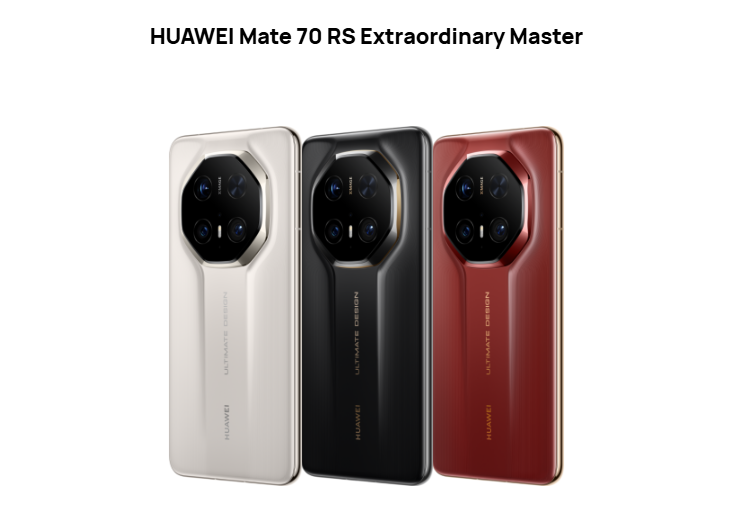
The rear camera setup includes a 50MP main camera with an adjustable aperture (F1.4-F4.0), OIS, and an RYYB sensor. It also has a 40MP ultra-wide-angle lens (F2.2 aperture, RYYB), a 48MP super-focus macro telephoto lens (F2.1 aperture, OIS, RYYB), and a 1.5MP multi-spectral lens. It supports 4x optical zoom and up to 100x digital zoom.
The device houses a 13MP selfie camera on the front paired with a 3D depth sensor. The setup is coupled with Huawei’s XMAGE imaging technology. Fueling the phone is a 5,200mAh battery that supports 88W wired and 50W wireless fast charging.
While these specs seem promising on paper, the phone’s Achilles’ heel remains its limited app support due to Huawei’s ongoing restrictions in accessing Google’s services. For those who can adapt to Huawei’s AppGallery ecosystem, though, the Mate 70 RS Ultimate can be a compelling choice.
Vivo X200 Pro
The Vivo X200 Pro, like its previous X-series phones, has a strong focus on imaging and design. Known for its camera-centric phones, Vivo continues its streak with ZEISS-branded optics and a premium glass and metal build that ensures a solid, ergonomic feel in the hand. The 6.78-inch AMOLED panel offers a 120Hz refresh rate, 1.5K resolution, and excellent color accuracy.
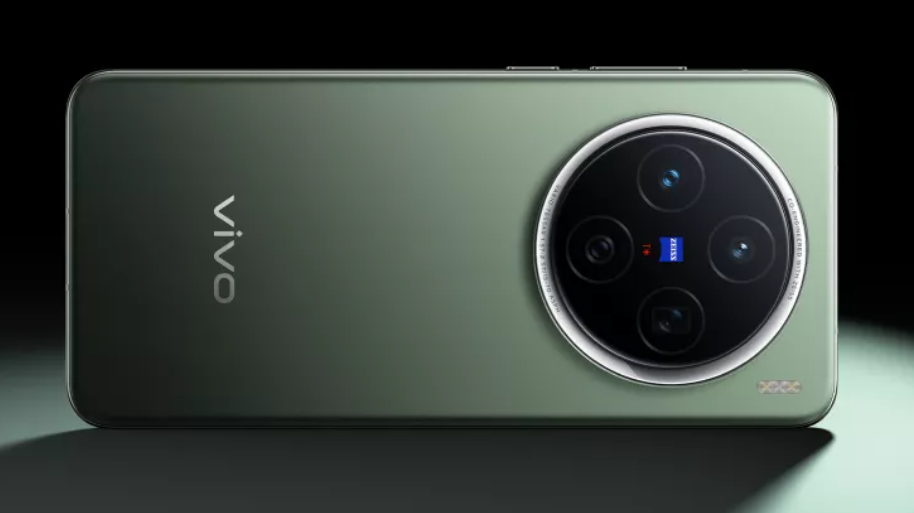
Running on MediaTek’s Dimensity 9400 chipset, the Vivo X200 Pro delivers performance comparable to Snapdragon 8 Elite devices. Vivo’s efficient thermal management ensures consistent performance even during extended gaming sessions.
Where the Vivo X200 Pro truly shines is its camera system. The 50MP 23mm wide sensor captures stunning details, while the ultrawide lens and a whopping 200MP periscope telephoto lens provide versatility for all shooting scenarios. Vivo’s V3+ imaging chip further improves portraits, and low-light photography, making it a go-to choice for photography enthusiasts.
On the software side, the device ships with FunTouch OS 15, Vivo’s take on Android 15. Keeping all things powered is a 6000mAh cell with 90W wired and 30W wireless charging.
| Preview | Product | |
|---|---|---|

|
Vivo X200 Pro 5G (Titanium Grey, 16GB RAM, 512GB Storage) with No Cost EMI/Additional Exchange… | Check Price on Amazon |
Please Note: When you buy something using the links in our articles, we may earn a small commission at no cost to you.
Apple iPhone 16 Pro Max
Apple has mostly refined its iPhones year after year while maintaining a consistent design, and this year is no exception. The Pro Max model has grown even larger in 2024 and now features a 6.9-inch display with extremely slim bezels that make the screen look more immersive.
There’s also a new Camera Control button for photo enthusiasts. While its usefulness is debatable, it could be a great feature for those who want to quickly open the camera and snap photos without touching the screen.
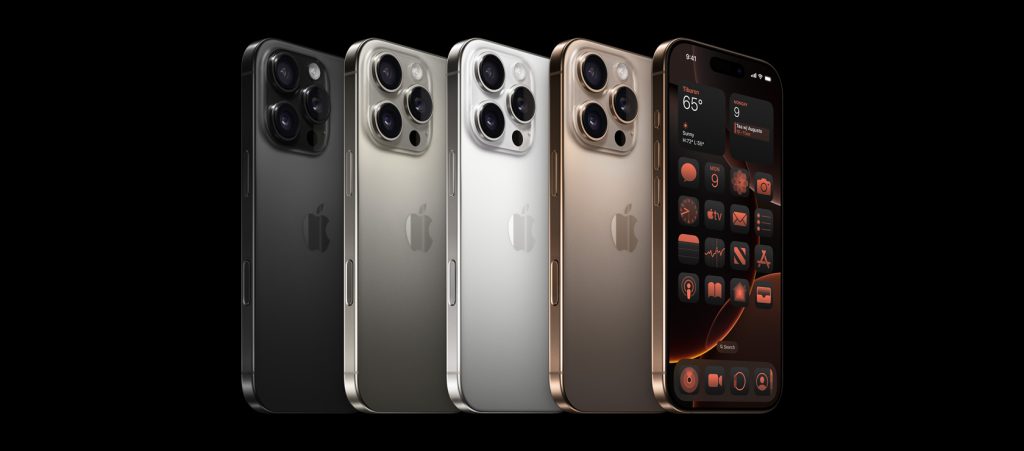
Powering the smartphone is an A18 Pro chip that offers incredible raw performance. It can easily handle everything you throw at it, and can also run Apple’s suite of AI features on-device.
Additionally, the iPhone 16 Pro Max introduces two notable camera upgrades: 4K video recording at 120 frames per second for smoother slow-motion footage without losing detail, and a new Audio Mix feature that enhances specific waveforms to make voices clearer.
The device also has improved battery life. Apple claims it can deliver 33 hours of video playback, up from 29 hours on last year’s model. Plus, the iPhone 16 Pro Max now supports 25W wireless charging via a compatible MagSafe adapter.
| Preview | Product | |
|---|---|---|

|
iPhone 16 Pro Max 256 GB: 5G Mobile Phone with Camera Control, 4K 120 fps Dolby Vision and a Huge… | Check Price on Amazon |
Please Note: When you buy something using the links in our articles, we may earn a small commission at no cost to you.
Xiaomi 14 Ultra
Last but not least, we have the Xiaomi 14 Ultra (review) on the list. The device features a 6.73-inch 2K OLED C8 LTPO display with up to 3000 nits brightness and support for HDR formats like Dolby Vision. It is built of a high-strength aluminum alloy frame and Dragon Crystal Glass and has an IP68 rating for dust and water resistance.
Under the hood, the Xiaomi 14 Ultra is powered by the Snapdragon 8 Gen 3 processor. Storage options include up to 1TB, paired with 16GB of RAM.
The major highlight of Xiaomi 14 Ultra is its cameras. While it’s not a big upgrade from Xiaomi 13 Ultra, it has an improved 1-inch main sensor with a bigger aperture, and the 5x telephoto camera’s aperture is also bigger this time. Another notable improvement is that its portrait telephoto lens has no cropping, it’s a true 75mm lens.
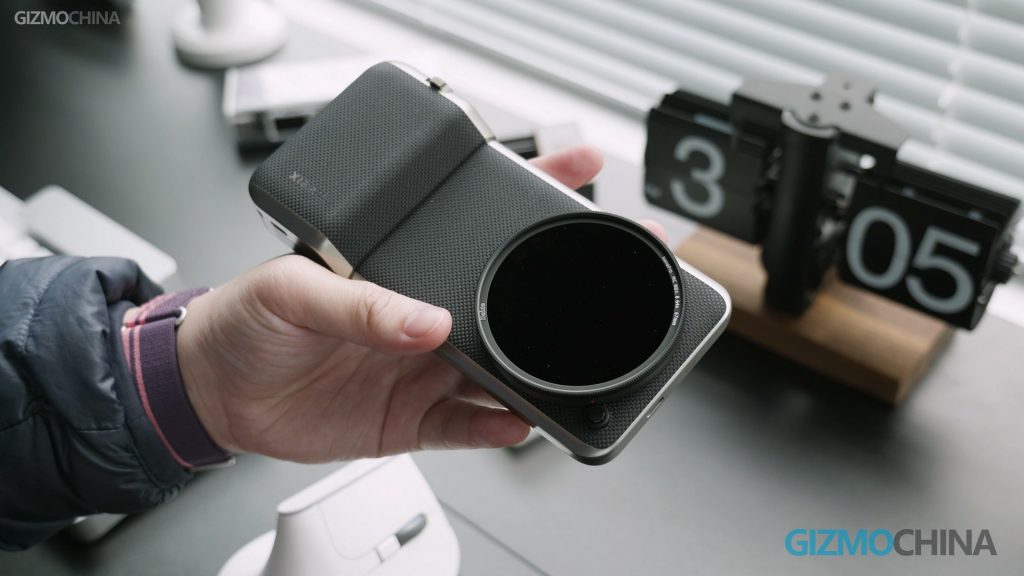
Of course, you get all the Leica filters and modes, but those who want a little extra from their smartphone camera can opt for a dedicated camera kit. The kit allows you to install a 67mm filter and even has a built-in 1500mAh cell, making it a power bank for your phone.
For audio, the Xiaomi 14 Ultra features stereo speakers with Dolby Atmos support The device also boasts a robust 5300mAh battery with 90W wired and 50W wireless charging.
| Preview | Product | |
|---|---|---|

|
Xiaomi 14 Ultra (Black, 16GB RAM, 512GB Storage) | 50 MP Leica Quad Camera | 2K 120 Hz LTPO AMoled |… | Check Price on Amazon |
Please Note: When you buy something using the links in our articles, we may earn a small commission at no cost to you.
Final Thoughts
Each of these flagship smartphones offers something unique. The Huawei Mate 70 RS Ultimate excels in luxury and craftsmanship but is hindered by software limitations. The iPhone 16 Pro Max remains the go-to for seamless ecosystem integration and computational photography, albeit at a premium price. Vivo’s X200 Pro is the top choice for photography enthusiasts, while the Xiaomi 14 Ultra is the most feature-packed camera phone, especially with its dedicated camera kit.
Ultimately, the best flagship for you depends on your priorities. Whether it’s design, camera performance, or overall value, these devices show the best of what 2024’s smartphone market has to offer.
Don’t miss a thing! Join our Telegram community for instant updates and grab our free daily newsletter for the best tech stories!




Comments