Add GIZMOCHINA as Preferred Source on Google
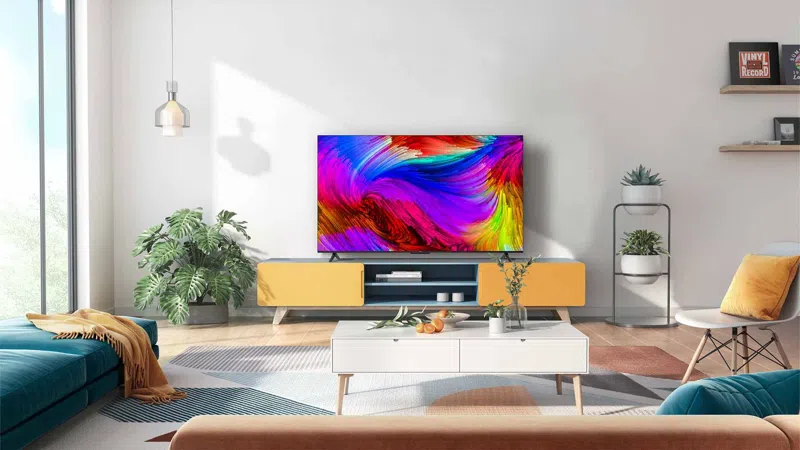
In today’s market, a 4K Smart TV is more than just a screen; it is an entertainment hub that combines stunning visuals with advanced features. Whether you are upgrading from an older model or buying your first 4K television, there are numerous factors to consider to ensure you get the best value for your money. From picture quality and smart features to connectivity and sound performance, understanding the technical aspects will help you make an informed decision.
1. Display Technology
At the core of any 4K TV is its display technology. The term “4K” refers to a resolution of 3840 x 2160 pixels, offering four times the detail of HD. This higher pixel count results in sharper and more detailed images, making it ideal for larger screen sizes. However, resolution alone is not enough to guarantee excellent picture quality. You should also consider the type of display technology, such as LED, QLED, OLED, or Mini LED.
OLED TVs are renowned for their ability to produce deep blacks and exceptional contrast. This is because each pixel emits its own light and can be turned off individually, allowing for perfect black levels and infinite contrast ratios. OLED technology also offers superior color accuracy and wide viewing angles, making it ideal for cinematic experiences in dark rooms. However, OLED TVs are generally more expensive and can be prone to image retention or burn-in if static images are displayed for extended periods.
QLED TVs, which stand for Quantum Dot Light Emitting Diode, utilize quantum dots to enhance brightness and color volume. This technology allows QLED TVs to deliver vibrant, saturated colors and higher peak brightness levels, making them an excellent choice for brightly lit environments. QLED models are often more affordable than OLEDs while still offering impressive picture quality, though they may lack the perfect blacks of OLED displays.
Mini LED is a newer technology that takes LED backlighting to the next level. By using thousands of tiny LEDs as a backlight, Mini LED TVs can achieve more precise control over brightness and contrast. This results in deeper blacks and improved detail in both dark and bright scenes. While Mini LED TVs are not quite on par with OLEDs in terms of perfect black levels, they offer a compelling middle ground, combining excellent picture quality with higher brightness and reduced risk of burn-in. They are also typically more affordable than OLED models.
Traditional LED TVs, while more budget-friendly, rely on larger backlighting zones, which can lead to less precise contrast and color reproduction. While they are a practical choice for casual viewing, they lack the advanced capabilities of QLED, OLED, or Mini LED displays.
When choosing a 4K TV, it’s essential to match the display technology to your viewing habits and environment. For example, if you often watch movies in a dark room, OLED may be the best choice. On the other hand, if you need a TV for a brightly lit living room or prefer a more affordable option, QLED or Mini LED could be more suitable. Each technology has its strengths, and understanding these differences will help you find the perfect TV for your needs.
Here’s a detailed summary of the TV panel comparison to help you decide which display technology suits your needs best.
| Feature | Mini-LED | OLED | QLED |
|---|---|---|---|
| Brightness | High | Moderate | High |
| Black Levels | Excellent (not perfect) | Perfect | Good |
| Contrast | Very Good | Infinite | Good |
| Viewing Angles | Decent | Excellent | Decent |
| Burn-In Risk | None | Moderate | None |
| Cost | Moderate | High | Moderate |
| Best For | Balance of performance | Cinema-like experience | Bright, vibrant viewing |
2. HDR Support
High Dynamic Range (HDR) enhances the range of colors and contrast in a TV’s picture. HDR formats such as HDR10, HDR10+, Dolby Vision, and HLG are becoming standard in most 4K TVs. Dolby Vision is widely regarded as the superior format because it uses dynamic metadata to adjust the brightness and color levels for each scene, providing a more immersive viewing experience. When shopping for a 4K TV, ensure it supports at least one HDR format, preferably Dolby Vision or HDR10+.
3. Refresh Rate
If you’re a gamer or plan to watch a lot of fast-paced content, such as sports, a TV’s refresh rate is crucial. A higher refresh rate, such as 120Hz, ensures smoother motion and reduces motion blur.
Many modern 4K TVs also include gaming-specific features, such as Variable Refresh Rate (VRR), Auto Low Latency Mode (ALLM), and support for HDMI 2.1. These features minimize input lag and screen tearing, providing a seamless gaming experience.
4. Smart Features
The “smart” in a smart TV signifies its capability to connect to the internet and run apps, transforming it into more than just a device for watching broadcast content. A user-friendly operating system is crucial for ensuring a seamless and enjoyable experience. Popular platforms such as Android TV, WebOS, and Tizen cater to various preferences, each offering a unique interface and features.
These platforms provide access to a wide array of streaming services, including Netflix, Disney+, Amazon Prime Video, Hulu, and more, allowing you to enjoy your favorite content with ease. Many modern smart TVs also support voice assistants like Alexa, Google Assistant, or even Apple’s Siri, enabling hands-free control. With these assistants, you can search for shows, adjust settings, or even manage other smart home devices using simple voice commands.
Additionally, some smart TVs come with unique features like personalized content recommendations, multi-user profiles, or the ability to cast content directly from your smartphone or tablet. Advanced models might even integrate smart home hubs, allowing you to control compatible devices like lights, thermostats, or security cameras directly from your TV screen. When choosing a smart TV, consider how well its operating system and smart features align with your preferences and existing smart home ecosystem.
5. Connectivity Options
Ensure the TV has a sufficient number of HDMI ports to connect all your devices, such as gaming consoles, Blu-ray players, and sound systems. HDMI 2.1 ports are particularly important if you own or plan to purchase next-generation gaming consoles like the PlayStation 5 or Xbox Series X. Additionally, look for features like eARC (Enhanced Audio Return Channel) for higher-quality audio pass-through and multiple USB ports for external storage devices.
6. Audio Quality
While many 4K TVs offer outstanding visuals, their built-in speakers often leave much to be desired in terms of audio quality. The slim designs of modern TVs, while visually appealing, limit the space available for robust speaker systems, often resulting in flat or underwhelming sound performance. Some high-end models do include advanced audio technologies like Dolby Atmos or DTS:X, which create a more immersive and dynamic sound experience by simulating a three-dimensional audio effect. However, these features are more the exception than the rule and are typically found in premium models.
For a truly cinematic audio experience, it is highly recommended to pair your TV with a quality soundbar or a home theater system. A soundbar is a compact and convenient solution that significantly enhances audio clarity and depth, often supporting advanced audio formats. For those seeking an even more immersive experience, a surround sound system with multiple speakers and a subwoofer can replicate the audio quality of a movie theater right in your living room. Investing in external audio equipment not only elevates your viewing experience but also ensures that the sound quality matches the stunning visuals of your 4K TV.
7. Energy Efficiency & Build Quality
Finally, pay attention to energy efficiency ratings, especially if you plan to use the TV frequently. Energy-efficient models can significantly reduce electricity consumption, saving you money in the long run and minimizing environmental impact.
Build quality is another crucial consideration. A TV with a sturdy design not only enhances its durability but also contributes to its overall aesthetic appeal. Well-constructed models are less likely to suffer from wear and tear over time, ensuring a longer lifespan. Additionally, many modern TVs feature bezel-less or ultra-thin bezel designs, which create a sleek, modern look and maximize the screen-to-body ratio.
This design element is particularly appealing if you want an immersive viewing experience or if the TV serves as a centerpiece in your living room. Combining robust build quality with a bezel-less design ensures your TV looks as good as it performs, blending seamlessly into your home décor.
8. Brand Reputation
Research brands and read customer reviews to gauge reliability and performance. Brands like Samsung, TCL, Hisense, LG, Sony, Xiaomi, and Panasonic have established reputations for quality, but emerging brands may also offer competitive models worth considering.
So yeah! Buying a 4K smart TV involves more than just picking the largest screen you can afford. By considering factors such as display technology, HDR support, refresh rates, smart features, connectivity options, and audio performance, you can find a TV that meets your needs and offers an exceptional viewing experience. Take your time to compare models, read reviews, and choose wisely to make your investment worthwhile.
If you’re into smartphones, consider checking out the best flagship killer smartphones of 2024 and the best flip-style foldable smartphones of 2024.
Tech enthusiast? Get the latest news first! Follow our Telegram channel and subscribe to our free newsletter for your daily tech fix! ⚡