Add GIZMOCHINA as Preferred Source on Google
Redmi Turbo 4 and Turbo 3 are two standout options in the mid-range smartphone market, each with its strengths. As newer models often bring subtle yet impactful upgrades, comparing these two helps you understand what truly matters, be it durability, performance, or features. This guide dives into the key differences to help you make an informed choice based on your priorities.
1. Design and Display
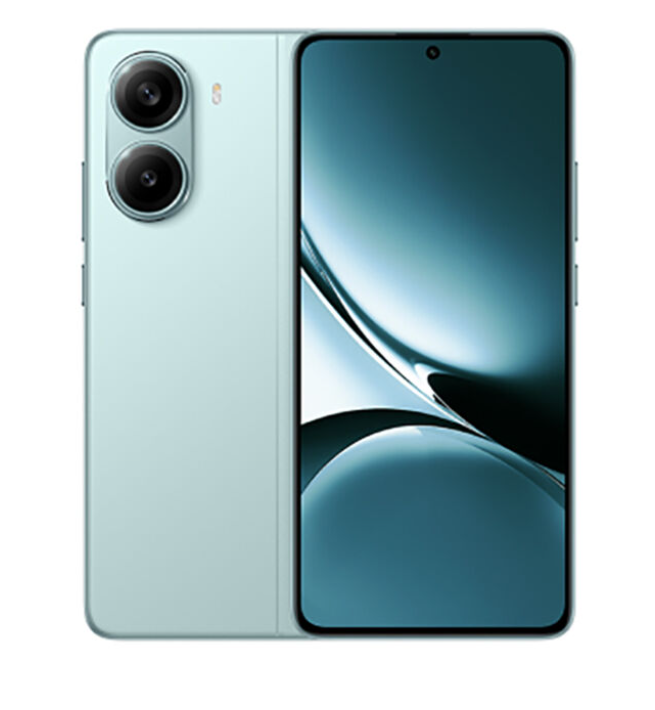
The Redmi Turbo 4 and Turbo 3 share a sleek, modern design, but the materials set them apart. The Turbo 4 features a Gorilla Glass Victus front, plastic frame, and plastic back, striking a balance between durability and a lightweight build. It also has an IP68 rating, offering superior dust and water resistance, making it better suited for outdoor use compared to the Turbo 3’s IP64 rating. Both phones feature 6.67-inch AMOLED displays with a 120Hz refresh rate and vibrant color accuracy. However, the Turbo 4’s peak brightness of 3200 nits surpasses the Turbo 3’s 2400 nits, ensuring excellent visibility even under harsh sunlight.
The Turbo 4’s improved durability and higher brightness make it a better choice for users who value ruggedness and outdoor usability. However, both models deliver immersive display experiences.
2. Specifications
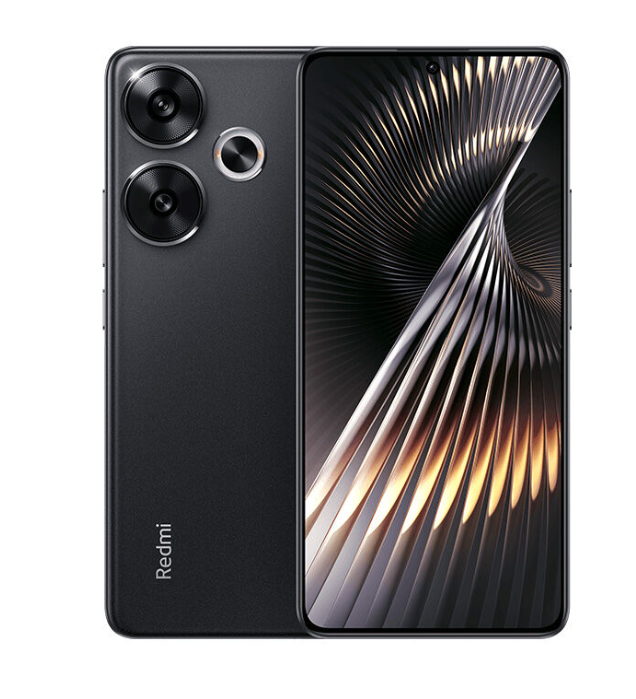
The Turbo 4 is powered by the MediaTek Dimensity 8400 Ultra chipset, delivering faster clock speeds and improved multitasking compared to the Snapdragon 8s Gen 3 in the Turbo 3. Both devices offer UFS 4.0 storage for faster data transfer speeds, with configurations up to 16GB RAM. Additionally, the Turbo 4 matches the Turbo 3 with a maximum of 1TB storage, ensuring ample space for data-intensive users. The Turbo 4’s 6550mAh Si/C battery offers significantly more capacity than the Turbo 3’s 5000mAh Li-Po battery. Both phones support 90W fast charging, ensuring quick top-ups.
The Turbo 4’s larger battery and efficient performance make it a superior option for heavy users, while its equivalent storage and RAM options provide parity with the Turbo 3 for those needing extensive capacity.
3. Camera
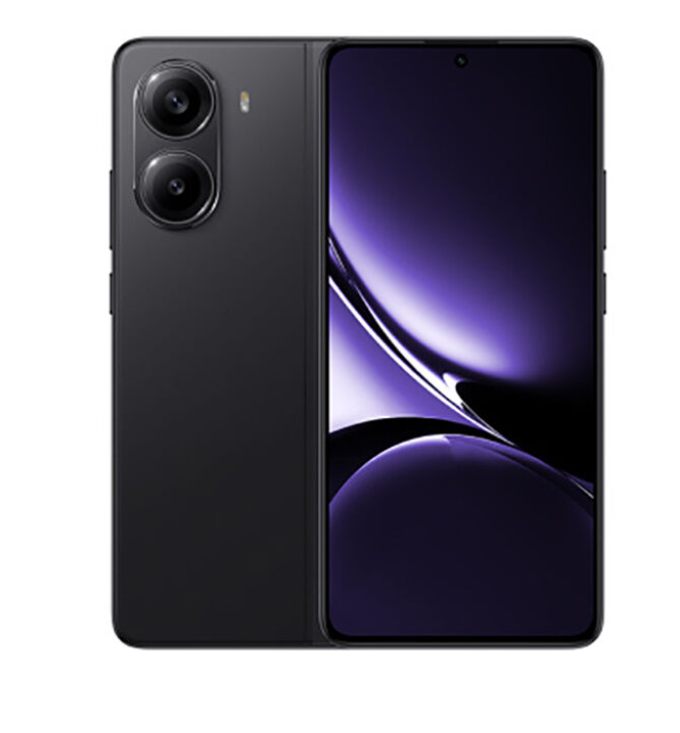
Both devices feature a dual-camera setup, with a 50MP primary sensor and an 8MP ultrawide. The Turbo 4 has a wider aperture (f/1.5) for better low-light photography, while the Turbo 3 uses f/1.6. The Turbo 4 also records 4K at up to 60fps with enhanced gyro-EIS stability, while the Turbo 3 offers HDR support for selfies.
The Turbo 4 edges ahead for videographers and low-light enthusiasts, though the Turbo 3 still excels in balanced photography performance.
4. Pricing
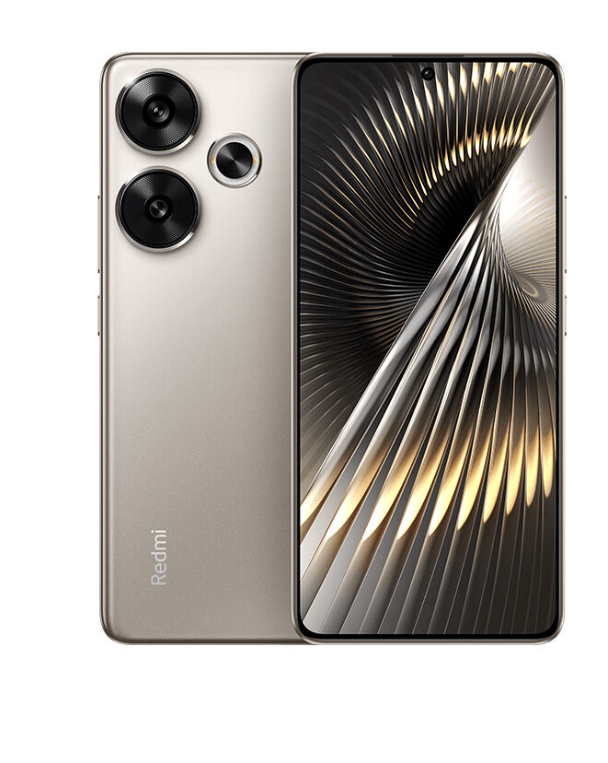
The Redmi Turbo 4 is priced at approximately $295, slightly higher than the Turbo 3’s $280. This price difference reflects the Turbo 4’s superior battery, brightness, and ruggedness.
The small price increase for the Turbo 4 feels justified, given the upgrades in durability and performance.
5. Conclusion
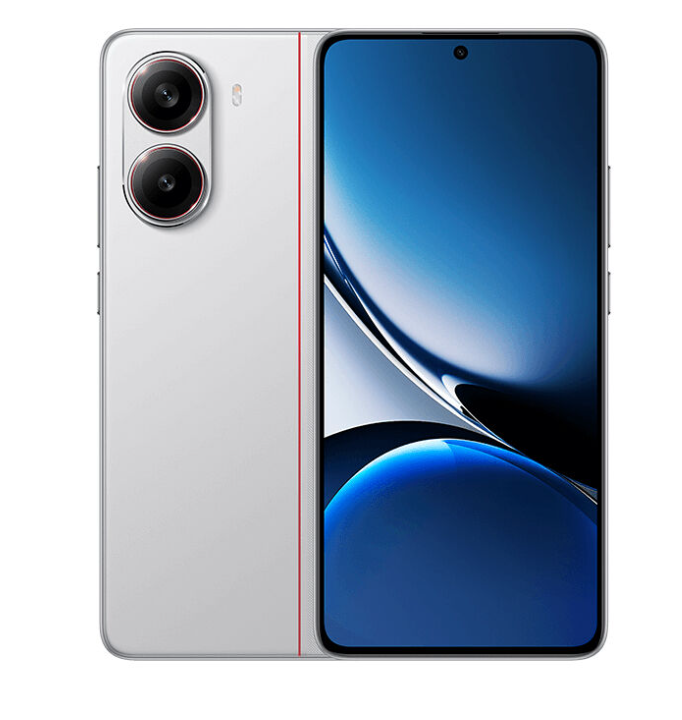
Redmi Turbo 4’s standout features include an IP68 rating, brighter display, larger battery, and better low-light camera performance. It also offers up to 1TB of storage and 16GB RAM, ensuring ample capacity for power users.
For those seeking a durable, high-performance smartphone with extended battery life and massive storage options, the Turbo 4 is the clear winner.