Add GIZMOCHINA as Preferred Source on Google
Redmi 14C 5G and Realme C63 5G are two budget-friendly smartphones vying for attention in the competitive 5G market. Both models promise impressive features at affordable prices, catering to users looking for performance, durability, and modern connectivity. This comparison highlights their strengths and differences, helping you decide which one suits your needs better. Whether you prioritize display quality, performance, or battery life, this guide simplifies the decision-making process, ensuring you make an informed choice.
1. Design and Display

The Redmi 14C 5G features a larger 6.88-inch IPS LCD with 120Hz refresh rate, offering smoother visuals. It boasts a durable build with splash and dust resistance, catering to everyday durability. The Realme C63 5G, though slightly smaller at 6.67 inches, provides a better screen-to-body ratio (85.1%) and a more vivid 625 nits brightness in HBM. Both models have HD+ resolutions but differ in pixel density, with Realme offering a slightly sharper display.
Realme’s slightly better brightness and screen-to-body ratio make it more appealing for vibrant visuals, while Redmi’s larger screen could suit multimedia enthusiasts better.
2. Specifications

The Redmi 14C 5G is powered by the Snapdragon 4 Gen 2 chipset, which is built on a 4nm process, offering better efficiency. It supports up to 6GB RAM and has a robust 5160mAh battery with 18W charging. The Realme C63 5G uses the Dimensity 6300 chipset (6nm), boasting better performance with higher CPU clock speeds. Its 5000mAh battery supports 15W charging, slightly slower than Redmi.
Redmi’s battery capacity and efficient chipset ensure longer usage, but Realme’s performance-oriented Dimensity chip edges ahead for multitasking.
3. Camera
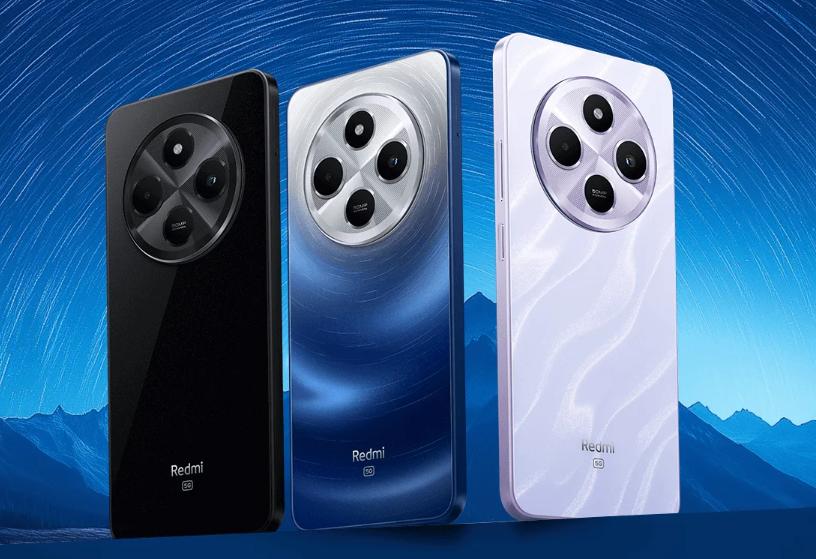
Redmi 14C 5G features a 50MP primary camera and an 8MP selfie camera, while Realme C63 5G opts for a 32MP main shooter with an equally capable 8MP front camera. Redmi’s higher resolution main camera likely captures more detail, whereas Realme prioritizes dynamic range with its f/1.9 aperture.
For photography enthusiasts, Redmi’s higher megapixel count stands out, but Realme could deliver better low-light performance.
4. Pricing
The Redmi 14C 5G is priced at ₹9,999, making it slightly more budget-friendly compared to the ₹10,300 Realme C63 5G. Both phones offer competitive features for their price points. However, the price difference is negligible. Redmi provides excellent value for budget-conscious buyers while Realme’s higher price is justified by its performance edge.
5. Conclusion
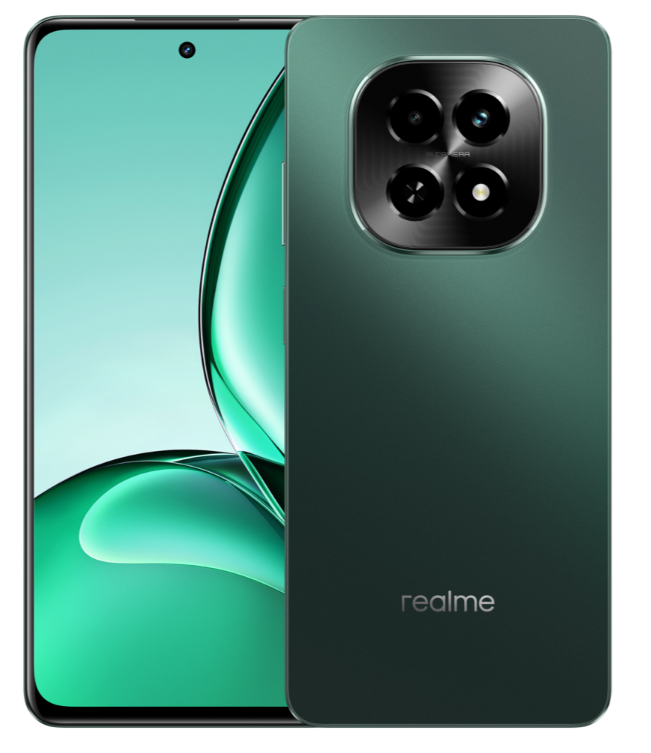
Redmi stands out with a larger battery and a high-resolution 50MP camera, ideal for users prioritizing endurance and photography. Realme excels with a sleeker design, better brightness, and a slightly more powerful chipset, catering to those who value style and multitasking.
Redmi excels in practicality and longevity, while Realme caters to users who prioritize performance and aesthetics.