Add GIZMOCHINA as Preferred Source on Google
Samsung has undeniably cemented its position as a global powerhouse in the smartphone arena. The Galaxy line, in particular, has been a driving force behind this success, consistently pushing the boundaries of mobile technology and design. But among the numerous models released over the years, some stand out as true game-changers, sparking revolutions and leaving an indelible mark on the industry. This article delves into the legacy of these titans, exploring top Samsung Galaxy smartphones that redefined the mobile experience.
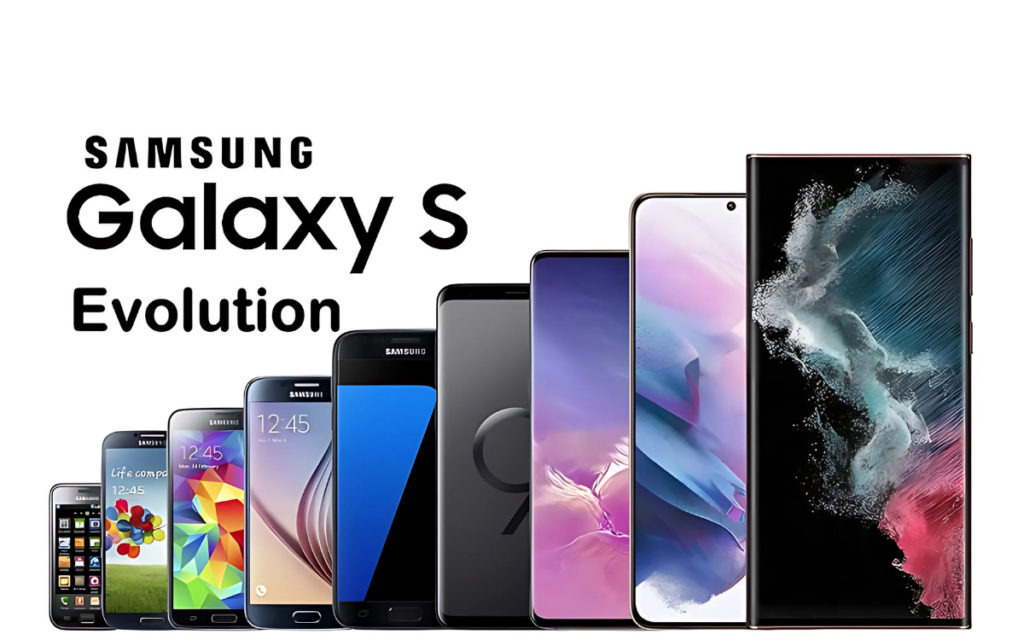
1. Samsung Galaxy S (2010)
Before the Galaxy S, Samsung was a significant player in the mobile market, but not necessarily a dominant one in the burgeoning smartphone space. The original Galaxy S changed everything. Released in 2010, this device was a watershed moment for both Samsung and the Android ecosystem. It showcased the potential of Google‘s operating system with its vibrant Super AMOLED display, a feature that would become a hallmark of Galaxy devices.
The Galaxy S wasn’t just about a pretty screen, though. It packed a powerful processor, a capable camera, and a sleek design that felt premium compared to its contemporaries. It was a complete package that demonstrated Samsung’s commitment to innovation and quality. More importantly, it signaled the arrival of a serious contender to Apple‘s iPhone, which had largely dominated the smartphone conversation until then. The Galaxy S laid the foundation for Samsung’s rise to prominence and helped solidify Android as the leading mobile platform.
2. Samsung Galaxy Note (2011)
In 2011, Samsung dared to challenge conventional wisdom with the Galaxy Note. At a time when most smartphones hovered around the 4-inch display size, the Note sported a massive (for the time) 5.3-inch screen. This audacious move was initially met with skepticism, with many critics dismissing the Note as too large and unwieldy. However, Samsung’s gamble paid off handsomely.
The Note wasn’t just about size; it also introduced the S Pen, a stylus that offered a unique way to interact with the device. This combination of a large display and a stylus proved to be a hit with users, particularly those who valued productivity and creativity on the go. The Galaxy Note essentially created the “phablet” category, blurring the lines between smartphones and tablets. It spawned a wave of imitators and solidified Samsung’s reputation as a company willing to take risks and innovate.
3. Samsung Galaxy S3 (2012)
With the Galaxy S3, Samsung shifted its focus from raw specifications to user experience. While the S3 boasted impressive hardware, it was the software features that truly set it apart. Samsung introduced a suite of “smart” features designed to make the phone more intuitive and user-friendly.
Features like Smart Stay, which kept the screen on as long as the user was looking at it, and S Voice, Samsung’s answer to Siri, showcased the company’s ambition to create a phone that anticipated and catered to the user’s needs. The Galaxy S3 also marked a significant improvement in design, with a more rounded and organic aesthetic. It was a phone that felt both powerful and approachable, solidifying Samsung’s position as a leader in smartphone design and user experience.
4. Samsung Galaxy S6 Edge (2015)
Samsung had experimented with curved displays before, but it was the Galaxy S6 Edge that truly brought the concept to the mainstream. The S6 Edge featured a revolutionary dual-curved display that wrapped around the sides of the phone, creating a visually stunning and immersive experience. This design wasn’t just about aesthetics; it also added functionality with features like Edge Lighting and information tickers.
The S6 Edge was a bold statement that showcased Samsung’s technological prowess and its willingness to push the boundaries of display technology. It was a phone that turned heads and sparked a new wave of innovation in smartphone displays. The curved edge display became a signature feature of subsequent Galaxy flagships, further cementing Samsung’s leadership in display technology.
5. Samsung Galaxy S8 (2017)
The Galaxy S8 was a major leap forward in smartphone design. Its “Infinity Display,” which stretched from edge to edge with minimal bezels, was a game-changer. It made the phone look sleek and modern, and it provided a more immersive viewing experience. The S8 also marked the debut of Bixby, Samsung’s AI assistant and it featured improved camera technology.
The S8’s design influenced the entire smartphone industry, with other manufacturers quickly adopting the bezel-less look. It solidified Samsung’s position as a leader in both design and technology, and it set a new standard for flagship smartphones.
6. Samsung Galaxy S20 Ultra (2020)
In recent years, Samsung has consistently pushed the boundaries of mobile photography with its Galaxy S series. The Galaxy S20 Ultra, in particular, was a landmark device in this regard. It boasted a groundbreaking camera system with a 108MP main sensor and a periscope zoom lens that offered an unprecedented 100x “Space Zoom.”
While the zoom capabilities were initially met with some skepticism, the S20 Ultra’s camera system was undeniably powerful and versatile. It set a new standard for smartphone photography, pushing other manufacturers to up their game. The S20 Ultra demonstrated Samsung’s commitment to delivering cutting-edge camera technology in its smartphones, a trend that continues to this day.
7. Samsung Galaxy Z Fold 3 (2021)
Samsung has been at the forefront of foldable phone technology, and the Galaxy Z Fold 3 was a significant step forward. It was more durable and refined than its predecessors, with improved hinge design and water resistance. The Fold 3 also featured an under-display camera on the inner folding screen, making for a more seamless viewing experience.
The Z Fold 3 signaled that foldable phones were becoming a viable option for consumers. It showed that Samsung was committed to pushing the boundaries of what’s possible with smartphones, and it offered a glimpse into the future of mobile devices.
These are just a few of the Samsung Galaxy smartphones that have made a significant impact on the industry. Samsung’s commitment to innovation, design, and user experience has made them a leader in the smartphone market, and their Galaxy line continues to push the boundaries of what’s possible with mobile technology.
If you’re unsure about the Snapdragon smartphone chipset lineup, check out our guide on Snapdragon processors for a detailed breakdown.
For more daily updates, please visit our News Section.
Stay ahead in tech! Join our Telegram community and sign up for our daily newsletter of top stories! 💡