
Add GIZMOCHINA as Preferred Source on Google
In the world of flagship smartphones, the Oppo Find X8 Ultra and Samsung Galaxy S25 Ultra represent two distinct philosophies in design, innovation, and user experience. With both devices pushing the limits of camera tech, performance, and display quality, this comparison matters more than ever for users torn between Android’s rising contenders. Whether you’re a power user, a photography enthusiast, or just want the best value, understanding how these two heavyweights stack up can help you make the right call.
[affiliate_genie_cta]1. Design and Display

Design Aesthetics & Durability:
The Find X8 Ultra offers a premium design with a minimalist slab feel and IP68/IP69 protection, emphasizing rugged durability with resistance to high-pressure water jets, rare even in flagships. In contrast, the Galaxy S25 Ultra takes things further with a titanium frame and Gorilla Armor 2 glass, giving it not just IP68 protection but also better scratch resistance and drop protection.
Display Quality:
Oppo delivers a vibrant 6.82″ LTPO AMOLED with Dolby Vision, HDR Vivid, HDR10+, and up to 2500 nits brightness. Samsung’s 6.9″ Dynamic LTPO AMOLED 2X panel pushes to 2600 nits, adds DX anti-reflective coating, and features a slightly better screen-to-body ratio. Both support 120Hz refresh and always-on displays, but Samsung also includes stylus support, making it more productivity-friendly.
Verdict:
While both are visually stunning, the S25 Ultra’s polished titanium build and S-Pen inclusion give it a practical and stylish edge. However, for sheer display quality with Dolby Vision and HDR Vivid, the Oppo might appeal more to cinephiles. For design and display versatility, Samsung wins slightly.
| Preview | Product | |
|---|---|---|

|
Samsung Galaxy S25 Ultra 5G AI Smartphone (Titanium Gray, 12GB RAM, 256GB Storage), 200MP Camera, S… | Check Price on Amazon |
Please Note: When you buy something using the links in our articles, we may earn a small commission at no cost to you.
2. Specifications
Performance & Software:
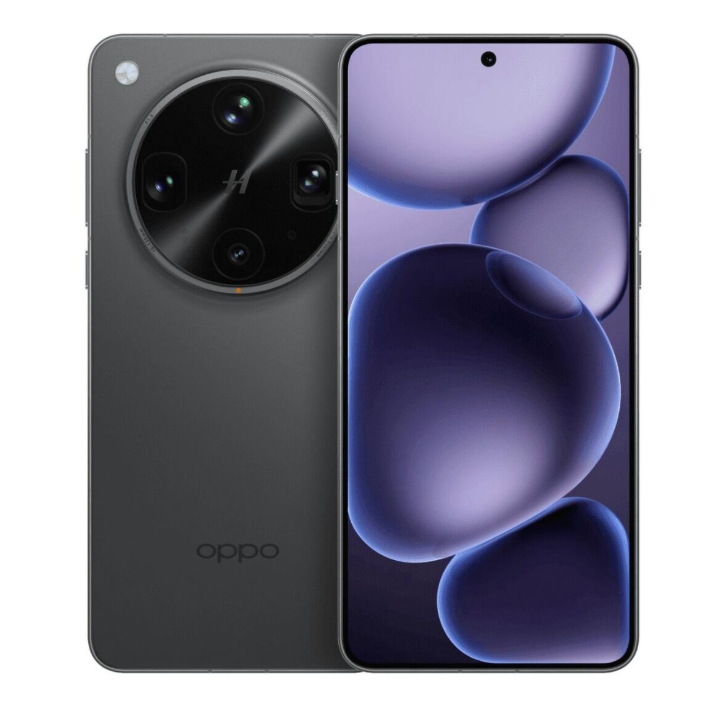
Both devices are powered by the Snapdragon 8 Gen 4 (Elite), with nearly identical CPU-GPU setups. However, Samsung guarantees 7 major Android updates, compared to Oppo’s historically shorter track record. Software-wise, ColorOS 15 is clean and customizable, while One UI 7 on Samsung offers deeper ecosystem integration, Samsung DeX, and new AI tools like Circle to Search.
Battery & Charging:
Oppo has a massive 6100 mAh Si/C battery with 100W wired and 50W wireless charging, making it the endurance champ. Samsung opts for a more standard 5000 mAh cell, with 45W wired and 15W wireless. Reverse wireless is faster on Oppo too (10W vs 4.5W). However, Samsung is Qi2 ready, a plus for future wireless standards.
Verdict:
Oppo easily wins in battery life and charging speeds, it’s a powerhouse. But Samsung’s longer software support and added PC-like utility with DeX make it better for long-term users. Choose Oppo for battery; and Samsung for long-term value.
3. Camera
Rear Camera Setup:
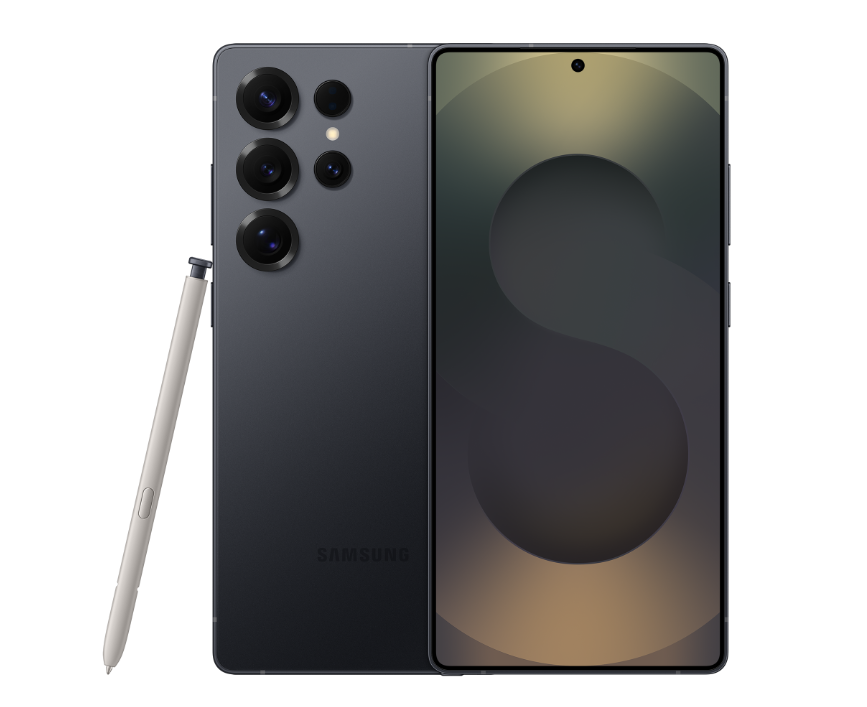
Oppo’s quad setup is a photographer’s dream with four 50MP sensors, including two periscope zoom lenses (3x & 6x) and a wide 1-inch main sensor with Hasselblad calibration. Samsung brings its 200MP main shooter with advanced AI processing and a versatile setup (3x + 5x telephoto). While the periscope zoom on Samsung is slightly lower in reach, its software tuning, 8K video, and HDR10+ make a difference in dynamic conditions.
Selfie Camera:
Oppo offers a 32MP front shooter with 4K@60fps recording. Samsung sticks with 12MP, but includes HDR10+ and more stable processing. Both have gyro-EIS.
Video Capabilities:
Samsung edges out with 8K@30fps, stereo recording, and Super Steady video on the ultrawide. Oppo counters with Dolby Vision, 10-bit video, and great stabilization, even at 4K 120fps.
Verdict:
Oppo is perfect for manual controls, pro photography, and versatility. Samsung’s camera shines with AI optimization and video quality. So Oppo is great for raw photographers while Samsung is for vloggers and content creators.
4. Pricing
Base Pricing:
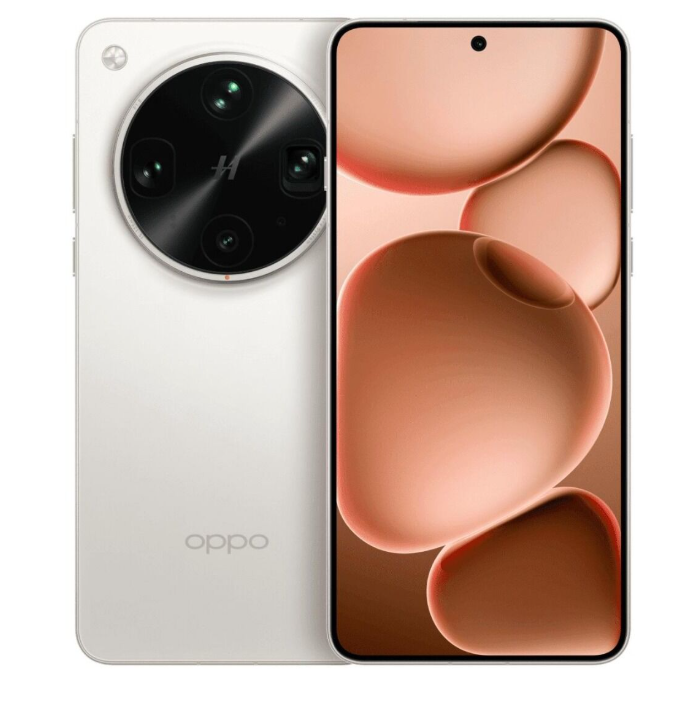
The Find X8 Ultra starts at $1000, offering configurations up to 1TB with 16GB RAM. Samsung starts slightly lower at $958, also maxing out at 1TB/16GB but with more widespread availability and trade-in deals in many markets.
Value for Money:
Oppo gives more battery and more camera hardware at a marginally higher price. However, Samsung bundles ecosystem perks like DeX, longer software updates, and S-Pen support, making it more than just a phone.
Verdict:
For raw hardware, Oppo offers better value per dollar. For users embedded in the Samsung ecosystem or needing productivity tools, the S25 Ultra justifies its price with longevity and features.
5. Conclusion
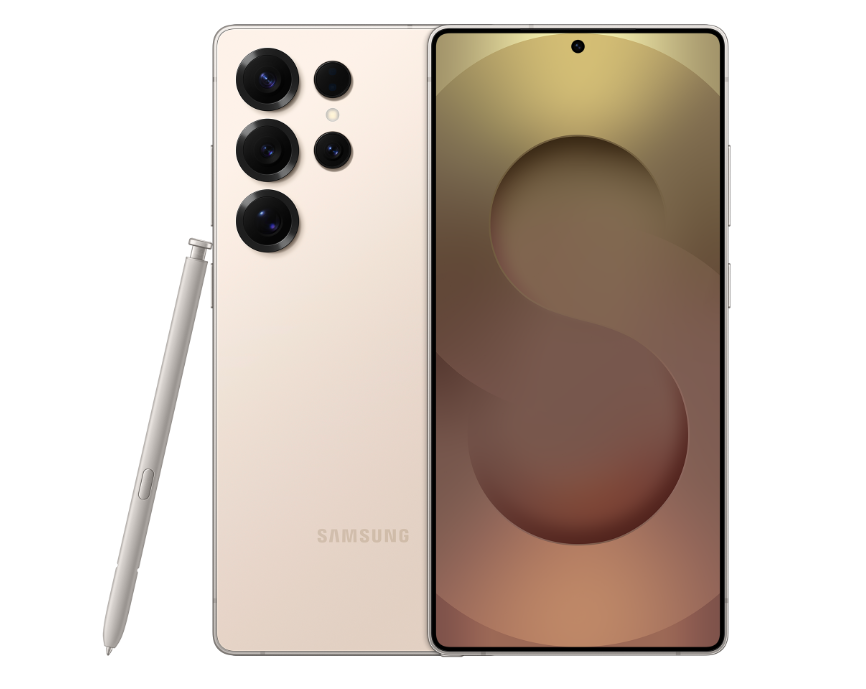
Oppo Find X8 Ultra:
- Dual periscope zoom lenses (3x & 6x)
- Massive 6100 mAh battery with ultra-fast 100W wired charging
- Hasselblad color science and Dolby Vision video
- Satellite SOS support (messages and calls)
Samsung Galaxy S25 Ultra:
- Titanium build with Gorilla Armor 2 glass
- Stylus support with in-device S-Pen slot
- Samsung DeX (wired + wireless) for desktop experience
- Circle to Search and Ultra Wideband (UWB) support
- 8K video recording and HDR10+ selfie camera
Final Verdict:
Samsung leans into the “smartphone as a PC” idea with S-Pen, DeX, and better integration. Oppo takes the “camera and endurance king” crown with zoom innovations and huge battery life. Both push flagship boundaries in different directions. Oppo impresses with power and camera hardware; Samsung excels in smart utility and software maturity. The choice ultimately depends on what you need.

Comments