Add GIZMOCHINA as Preferred Source on Google
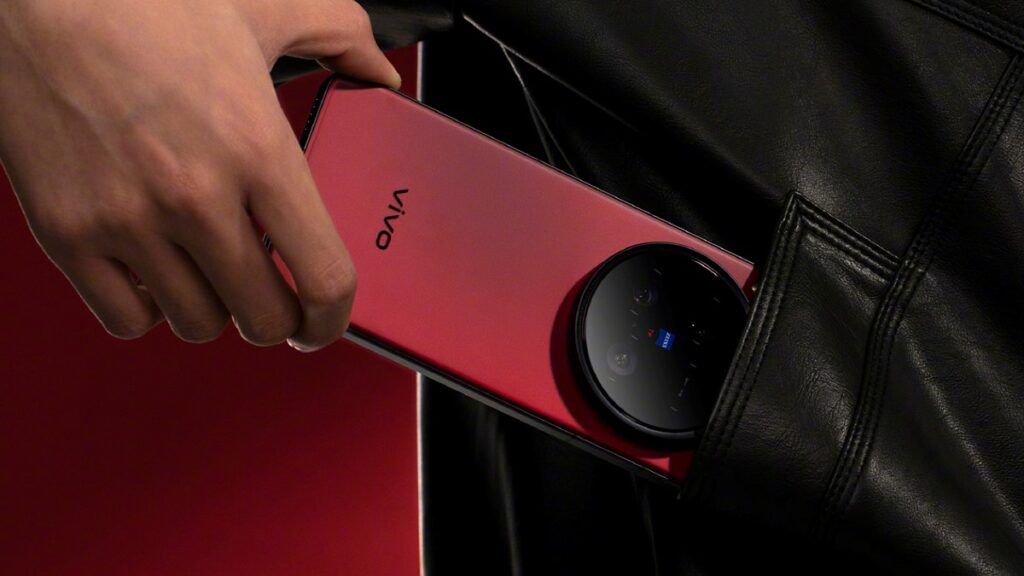
In an industry where smartphone camera improvements have become incremental, Vivo’s X200 Ultra takes a bold leap. Billed by the company as a “mirrorless camera that can make calls,” this flagship device goes beyond the standard computational photography playbook.
It introduces genuine optical engineering feats in partnership with Zeiss, fusing large sensors, floating lens elements, and periscope modules with custom-developed imaging silicon. So what makes the X200 Ultra’s camera system so remarkable?
1. Mirrorless System in Smartphone Clothing
Unlike most smartphones that rely on hybrid zoom or gimmicky macro sensors, the Vivo X200 Ultra uses a prime lens trio approach, just like a professional mirrorless camera. Each of the three rear cameras covers a distinct focal length with a dedicated optical system.
There is a 14mm ultra-wide-angle lens, a 35mm standard lens, and an 85mm Zeiss APO Super Telephoto Lens II. These are not just focal lengths slapped onto small sensors; they are full-featured optics with large apertures, optical coatings, and stabilization hardware.
The 14mm ultra-wide is paired with a 1/1.28-inch Sony LYT-818 sensor and an f/2.0 aperture, offering a 181 percent boost in light intake over its predecessor. It supports OIS with a stabilization angle of 1.95 degrees, matched with a frame-by-frame active recentering algorithm that mimics a miniaturized gimbal system.
The 35mm lens also uses the same LYT-818 sensor and f/1.7 aperture, making it ideal for portraits and street-style shots. Vivo has upgraded its GLC 2.0 coating to reduce reflections and ghosting, helping this lens produce crisp shots even in high-contrast lighting like backlit portraits or city lights.
Then there is the 85mm periscope telephoto lens, a true standout. This 200MP Zeiss APO unit is built using a unique floating lens structure and ultra-light prism design, co-developed with Samsung. The sensor, HP9, features the industry’s highest light intake in its class. OIS stabilization has been elevated to CIPA 5.0 standards, which are typically found in mirrorless systems.
2. Extended Telephoto with Zeiss Lens Attachment
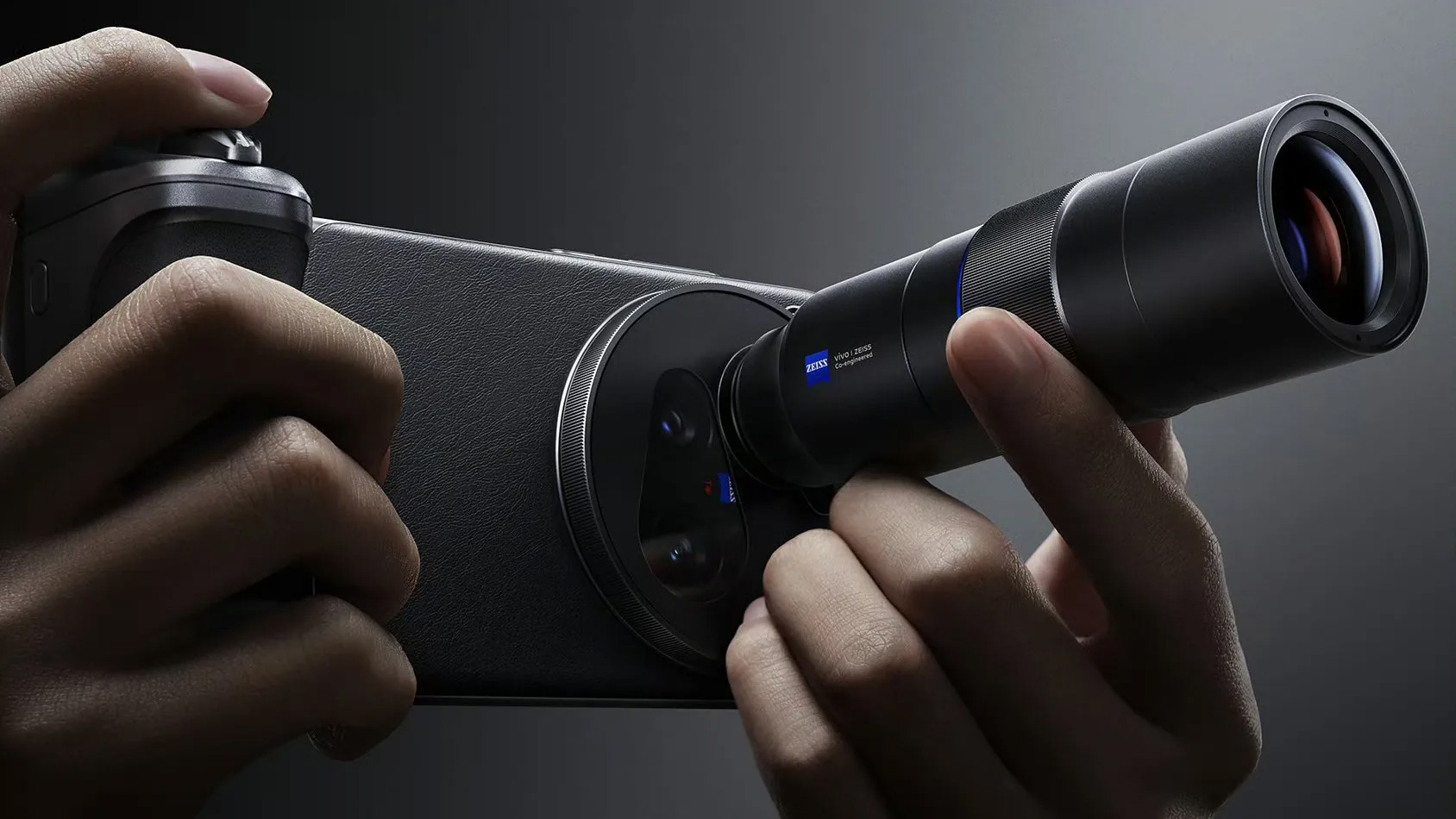
Perhaps the most unique feature is Vivo’s optional 2.35x Zeiss telephoto extender. When mounted onto the 85mm lens, it transforms the system into a full 200mm f/2.3 long-focus lens. That is full optical, not digital, zoom, made possible by a complex Kepler-inspired lens structure made of 13 high-transmittance glass elements. It offers a level of versatility and optical clarity rarely seen in mobile photography.
3. Dedicated Imaging Silicon and 4K Pro Video Features
To support the heavy optical lifting, Vivo added dual custom imaging chips. VS1 handles pre-processing and takes care of tasks like noise filtering and exposure balance before sending data to the Snapdragon 8 Elite chipset. V3+ is responsible for post-processing and enables features like 4K 60fps 10-bit Log, 4K 120fps slow motion, and 4K time-lapse. This division of labor allows for cinematic-grade image quality without overburdening the main SoC.
4. Built to Be Held Like a Camera

What sets the X200 Ultra further apart is its optional photographer’s kit, which adds a hardware grip with zoom and shutter controls, a 2300mAh battery for extended shoots, and a 67mm filter ring. It is a thoughtful nod to traditional mirrorless ergonomics, turning the phone into a modular photo tool that caters to enthusiasts and professionals alike.
5. Real Cameras, Real Ambitions
Vivo is positioning the X200 Ultra as a phone that competes not just with other flagships but with mirrorless systems. While the average user might never swap lenses or shoot 10-bit Log, Vivo is planting its flag in the ground for what smartphone cameras could be.
Where most brands tweak HDR or add megapixels, Vivo engineered optics, developed dual chips, and built a mobile-first lens ecosystem. And for those who live and breathe photography, that changes everything.
For more daily updates, please visit our News Section.
Stay ahead in tech! Join our Telegram community and sign up for our daily newsletter of top stories! 💡