Add GIZMOCHINA as Preferred Source on Google
OnePlus 13T and Samsung Galaxy S25 Ultra represent two very different approaches to flagship smartphones, one focused on high-value performance, the other on premium all-round excellence. With prices differing by more than double, this comparison matters for anyone weighing raw value against cutting-edge features. Whether you’re looking for top-tier specs on a budget or a no-compromise experience, understanding how these devices stack up helps make a smarter buying decision.
1. Design and Display
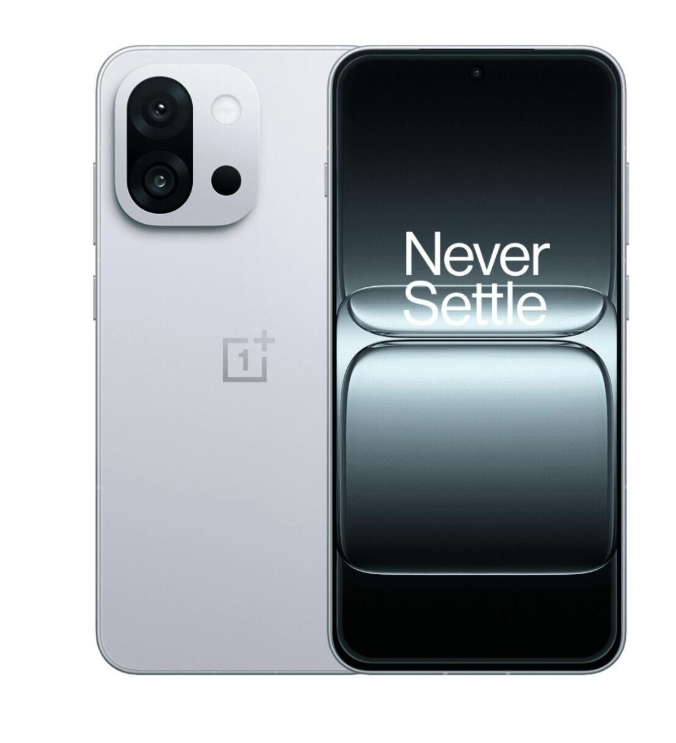
Build and Feel:
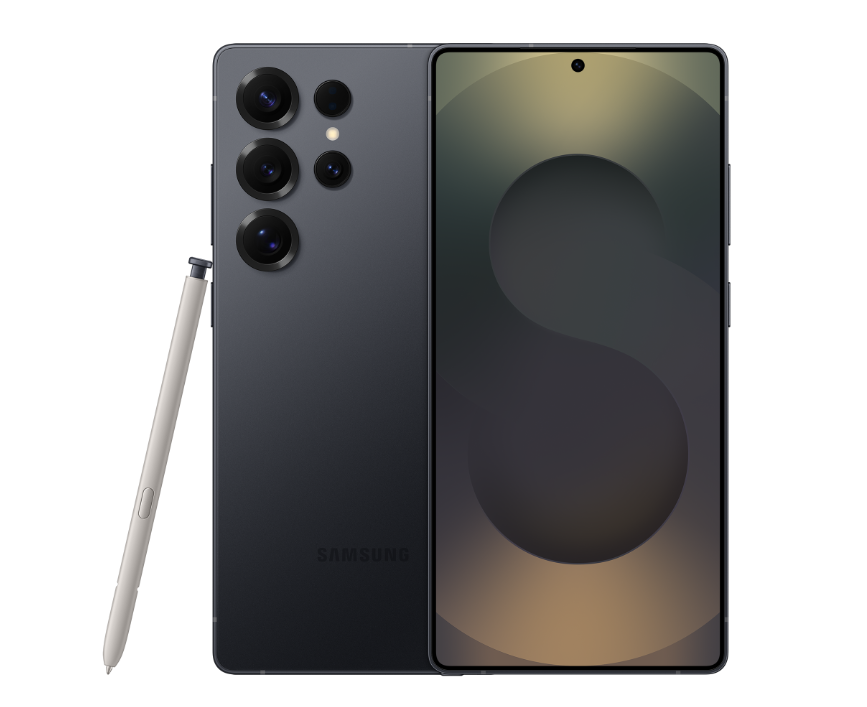
Galaxy S25 Ultra has a premium build with Gorilla Armor 2 on the front, Gorilla Glass Victus 2 on the back, and a titanium frame. This combination enhances durability and gives a more luxurious in-hand feel. It also boasts an IP68 rating, allowing full submersion protection. In contrast, the OnePlus 13T has a more modest aluminum alloy frame and Crystal Shield Glass, rated at IP65, which is splash-resistant but not submersible. The Galaxy’s use of more durable materials and higher water resistance makes it a better option for those who prioritize ruggedness and premium design.
Display Quality:
S25 Ultra features a 6.9-inch Dynamic LTPO AMOLED 2X panel with a resolution of 1440 x 3120 pixels and 2600 nits peak brightness. It offers stunning clarity, vivid HDR10+ content, and excellent visibility in bright conditions. The OnePlus 13T, with its smaller 6.32-inch LTPO AMOLED and 1600 nits peak brightness, also supports HDR10+, Dolby Vision, and HDR Vivid. However, it doesn’t match the brightness or resolution of the S25 Ultra. Samsung’s display offers better sharpness, color tuning, and outdoor performance.
Verdict:
Galaxy S25 Ultra leads in design and display. Its premium materials, IP68 rating, and superior AMOLED panel deliver a more refined experience, especially for users who prioritize screen quality and durability.
2. Specifications
Performance:
Both phones feature the Snapdragon 8 Elite chipset built on a 3nm process. However, the S25 Ultra runs slightly higher clock speeds (4.47 GHz vs 4.32 GHz), which gives it a marginal edge in raw performance. Additionally, Samsung promises 7 years of major Android updates, making it more future-proof. The OnePlus 13T also runs Android 15 and offers top-tier speeds with UFS 4.0 storage, but the long-term software support is more generous on the S25 Ultra. This makes Samsung the better choice for sustained performance and software longevity.
Battery and Charging:
OnePlus 13T houses a larger 6260 mAh silicon-carbon battery, outperforming the S25 Ultra’s 5000 mAh lithium battery in endurance. It also offers faster 80W wired charging compared to Samsung’s 45W, though the S25 Ultra has advantages like wireless (15W) and reverse wireless (4.5W), which the 13T lacks. For users who prioritize fast top-ups and long life on a single charge, the OnePlus 13T is more impressive.
Verdict:
Galaxy S25 Ultra has better long-term performance and update support, but the OnePlus 13T wins in battery capacity and wired charging speed. Overall, the Galaxy is ideal for longevity, while the OnePlus suits users needing endurance and quick charging.
3. Camera
Main and Secondary Lenses:
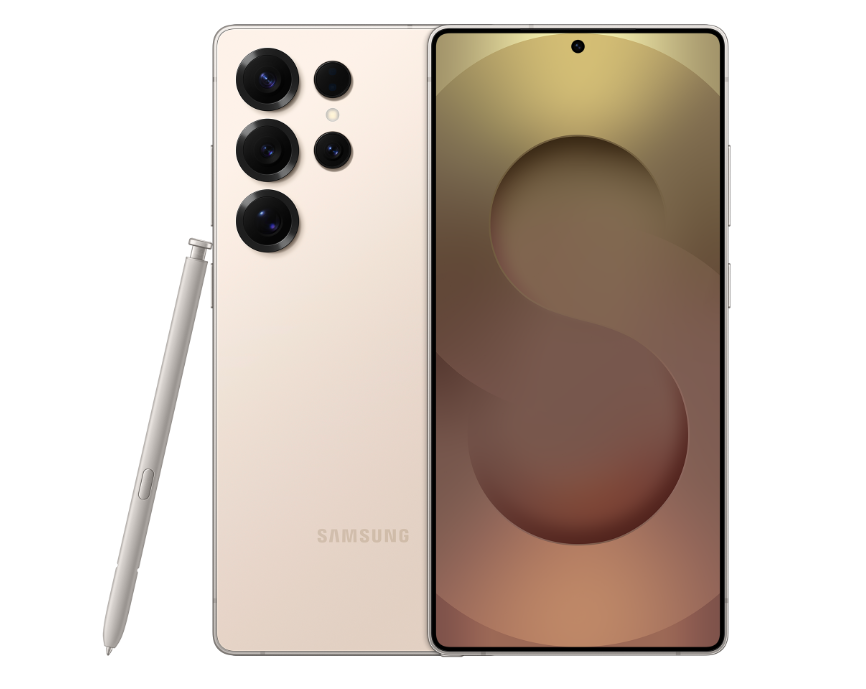
Samsung’s quad-camera setup is far more versatile. The 200 MP main sensor, 5x periscope zoom, 3x telephoto, and 50 MP ultrawide lens enable flagship-level photography in nearly any scenario. Features like laser autofocus and 8K video recording set it apart. The OnePlus 13T features a capable 50 MP wide and 50 MP 2x telephoto camera, which performs well but lacks ultrawide or periscope options. The Galaxy S25 Ultra is significantly more adaptable for serious photography and videography needs.
Selfie Camera:
Galaxy S25 Ultra also has a more advanced front camera setup, with a 12 MP sensor supporting 4K video at 60fps and HDR10+. It offers better video and focus capabilities than the OnePlus 13T’s 16 MP sensor, which is limited to 1080p video. This makes the Galaxy more appealing for high-quality selfies and video calls.
Verdict:
Samsung dominates in camera versatility and output. With superior zoom, ultrawide, and video options on both front and rear cameras, the S25 Ultra is better for users seeking a full-featured camera system.
4. Pricing
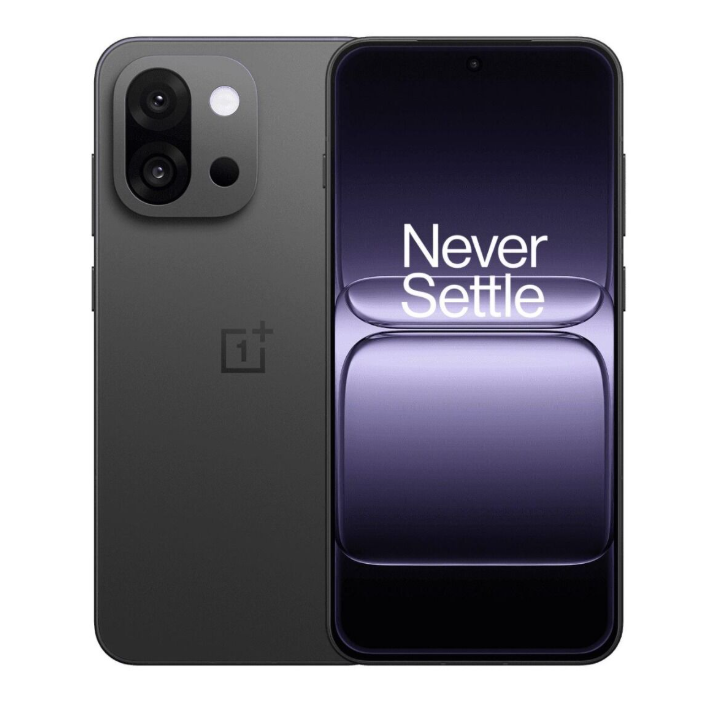
OnePlus 13T is priced at approximately $450, while the Galaxy S25 Ultra is around $1000. OnePlus offers excellent performance and battery life for less than half the cost, making it a standout value. However, the S25 Ultra justifies its premium with unmatched camera capabilities, display quality, and software support.
Verdict:
For those on a budget, the OnePlus 13T is a better buy, but the Galaxy S25 Ultra is worth the extra cost for users who demand flagship-level features across the board.
5. Conclusion

Galaxy S25 Ultra stands out with features like the built-in stylus, Ultra Wideband support, 7 years of Android updates, wireless and reverse wireless charging, Samsung DeX, and a periscope telephoto camera. Its 8K video capture and superior durability also set it apart.
On the other hand, the OnePlus 13T introduces a high-capacity silicon-carbon battery, rare at this price point, and supports dual 50 MP lenses. Its charging system is more aggressive, and it still manages to offer Dolby Vision and HDR Vivid support in media playback.
Samsung offers a more complete flagship experience with unique productivity and multimedia tools. OnePlus delivers outstanding essentials and performance at a much more accessible price.
Final Verdict:
Galaxy S25 Ultra is the superior device overall, offering unmatched camera versatility, software longevity, and premium design. It caters to power users, content creators, and those who want the best of everything.
For most users looking for value and efficiency, the OnePlus 13T is more than sufficient. However, for those wanting top-tier features with no compromises, the Galaxy S25 Ultra is the clear choice.
Read More:
- Oppo Find X8 Ultra vs Xiaomi 15 Ultra: Which Ultra Flagship Phone is Supreme
- OPPO Find X8 Ultra vs OnePlus 13: The Ultimate 2025 Flagship Face-Off
- Vivo X200 Ultra vs iPhone 16 Pro Max: Can Vivo Outshine Apple in 2025?