
Add GIZMOCHINA as Preferred Source on Google
Google’s custom chips are getting a new home. According to a report from Digi Times, Google is working out a long-term deal with TSMC to manufacture its Tensor processors for future Pixel phones.
The agreement will reportedly last anywhere from three to five years. If everything goes as planned, TSMC will be granted the rights to manufacture Tensor chips from the upcoming Pixel 10 to the Pixel 14.
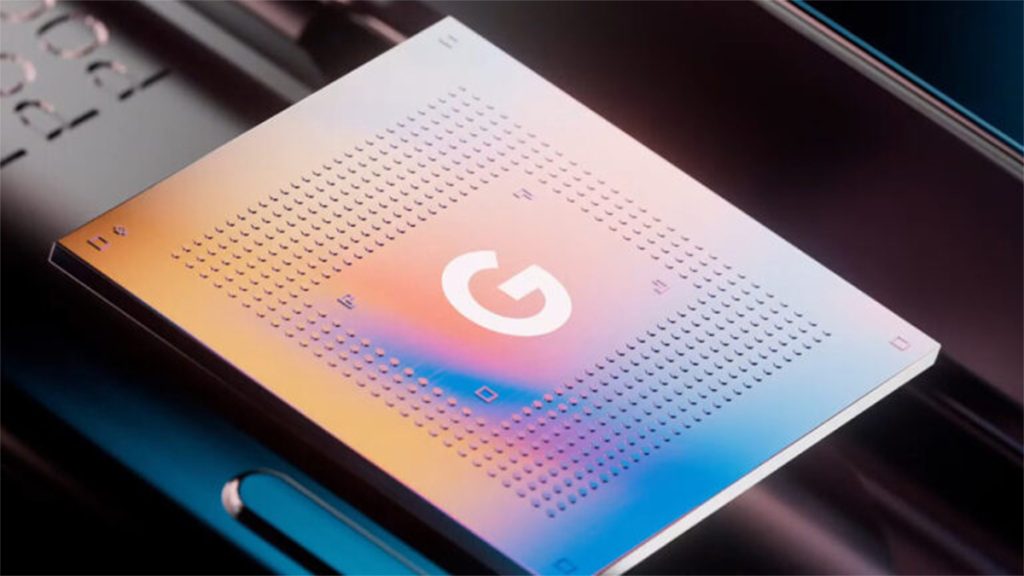
This is a big move. Google has relied on Samsung Foundry since the debut of the original Tensor chip. However, as the Samsung Foundry is facing yield issues with its own Exynos 2500 SoC, Google seems to be taking a step in the right direction.
The Pixel 10’s Tensor G5 will be the first chip to come out of the new TSMC partnership. It will be manufactured on TSMC’s N3E process, a more advanced version of the 3nm node.
Compared to Samsung’s 4nm process used in the Tensor G4, this should bring better performance, lower power draw, and improved thermal efficiency. Basically, all the things Google’s chips have been criticized for.
Tensor G5 will be the first Tensor chip by TSMC
The Tensor G5, internally called “Laguna,” will come with a pretty typical layout: one Cortex-X4 core for performance, five Cortex-A725 cores for mid-level tasks, and two smaller Cortex-A520 cores for efficiency.
The main focus here is still on Google’s own TPU, its custom AI hardware that powers a lot of the on-device machine learning features, like voice typing, photo processing, and more. The goal is to keep more of that work local to the device instead of relying on the cloud.
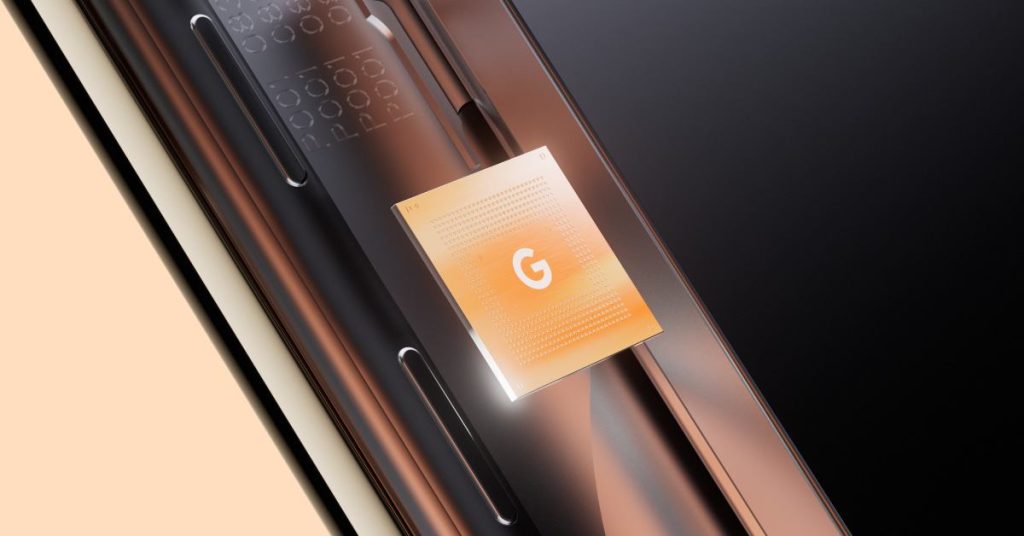
Google is also using TSMC’s InFO-POP packaging for the chip, which should help make it thinner and better at handling heat. And it’s not just the foundry that’s changing. The Tensor G5 is dropping a number of Samsung-made components, too.
The image signal processor is now designed by Google itself. The display controller comes from VeriSilicon, the video codec from Chips&Media, and the modem is being sourced from MediaTek. It’s a pretty clear signal that Google wants more control over its hardware stack, while slowly distancing itself from Samsung’s ecosystem.
For more daily updates, please visit our News Section.
Don’t miss a thing! Join our Telegram community for instant updates and grab our free daily newsletter for the best tech stories!



Comments