
Add GIZMOCHINA on Google:
Compact smartphones have become increasingly rare in recent years, but 2025 has delivered a surprisingly strong lineup for those who prefer smaller handsets. While most flagships now push beyond 6.7 inches, several new launches stay comfortably under the 6.3-inch mark or use foldable designs to remain pocket-friendly without sacrificing screen size.
Here are the top compact phones you can pick up this year. The list includes both traditional bar-style phones and modern flip phones, many of which earn their place thanks to their compact form factor.
1. Samsung Galaxy S25
Samsung launched the Galaxy S25 as one of the most compact Android flagships of the year. It features a 6.2-inch flat Dynamic AMOLED 2X display with LTPO technology, supporting up to 120Hz refresh rate. The panel peaks around 2600 nits, offering strong visibility even in bright conditions.
The device runs on the new Snapdragon 8 Elite processor, paired with 12GB of RAM. It delivers a noticeable performance boost over the Galaxy S24 and handles gaming, multitasking, and AI features with ease. The camera setup includes a 50MP main sensor, a 12MP ultra-wide lens, and a 10MP telephoto lens with 3x optical zoom. Image quality remains consistent across the board.
Samsung fitted the Galaxy S25 with a 4000mAh battery, which offers solid endurance thanks to the chip’s improved efficiency. The phone supports 45W wired and fast wireless charging. It also features IP68 water resistance and an ultrasonic fingerprint sensor. Pricing starts around $800 globally.
| Preview | Product | |
|---|---|---|

|
Samsung Galaxy S25 5G Smartphone with Galaxy AI (Icyblue, 12GB RAM, 256GB Storage), Snapdragon 8… | Check Price on Amazon |
Please Note: When you buy something using the links in our articles, we may earn a small commission at no cost to you.
2. Vivo S30 Pro Mini
The Vivo S30 Pro Mini is one of the most compact flagships Vivo has released in 2025. It features a 6.31-inch LTPO AMOLED display with a 1.5K resolution and 120Hz refresh rate. The screen supports 4320Hz PWM dimming for reduced eye strain and peaks at up to 5000 nits brightness, making it among the brightest compact phones available.
The phone is powered by the Dimensity 9300+ processor and comes with 12GB or 16GB RAM and up to 512GB UFS 3.1 storage. It runs Android 15 with OriginOS 5 in China.
Vivo includes a triple rear camera setup: a 50MP Sony IMX921 main sensor with OIS, an 8MP ultra-wide lens, and a 50MP periscope telephoto offering 3x optical zoom. The phone also has a 50MP autofocus front camera, making it capable of detailed selfies and sharp video calls.
Battery life is impressive with a 6500mAh cell, and charging speeds are strong at 90W. The phone is currently available in China, with pricing starting around CNY 3999 (approximately $560).
3. iPhone 16 Pro
Apple’s iPhone 16 Pro continues its trend of offering premium features in a compact, highly refined package. The 6.3-inch Super Retina XDR OLED display supports ProMotion up to 120Hz, peaks at 2000 nits outdoors, and remains one of the most color-accurate panels in any phone.
Under the hood, the 16 Pro runs on the A18 Pro chip with a vastly improved 16-core Neural Engine. This powers everything from real-time photo editing to Apple’s new on-device “Apple Intelligence” features, introduced with iOS 18.
The triple-camera system includes a 48MP main sensor, an ultra-wide, and a 5x telephoto, bringing long-range zoom to the smaller Pro for the first time. Image quality is excellent across the board, and Apple remains unmatched in mobile video. Build quality is also top-notch with a titanium frame and Ceramic Shield front.
At $999 for the 128GB model, the iPhone 16 Pro is priced as a premium device. But it’s easily one of the most powerful and compact phones you can buy, perfect for iOS users who don’t want a Max-sized screen.
| Preview | Product | |
|---|---|---|

|
iPhone 16 Pro 256 GB: 5G Mobile Phone with Camera Control, 4K 120 fps Dolby Vision and a Huge Leap… | Check Price on Amazon |
Please Note: When you buy something using the links in our articles, we may earn a small commission at no cost to you.
4. Google Pixel 9 Pro
Google reduced the size of its Pixel 9 Pro this year, introducing a more compact 6.3-inch model. The OLED panel features QHD+ resolution, 1–120Hz variable refresh rate, and high HDR brightness nearing 3000 nits.
The phone uses the Tensor G4 chip with 16GB RAM and prioritizes AI performance over raw benchmark numbers. It handles tasks smoothly and supports Google’s AI features such as Gemini, Magic Eraser, and Call Screen. The camera system includes a 50MP main sensor, a 48MP ultra-wide lens, and a 48MP telephoto lens with 5x optical zoom.
Google fitted a 4700mAh battery, offering good battery life. The phone supports 27W fast charging, wireless charging, and reverse wireless charging. It runs on Android 15 with seven years of software support. The Pixel 9 Pro starts at $999.
| Preview | Product | |
|---|---|---|

|
Google Pixel 9 Pro | Check Price on Amazon |
Please Note: When you buy something using the links in our articles, we may earn a small commission at no cost to you.
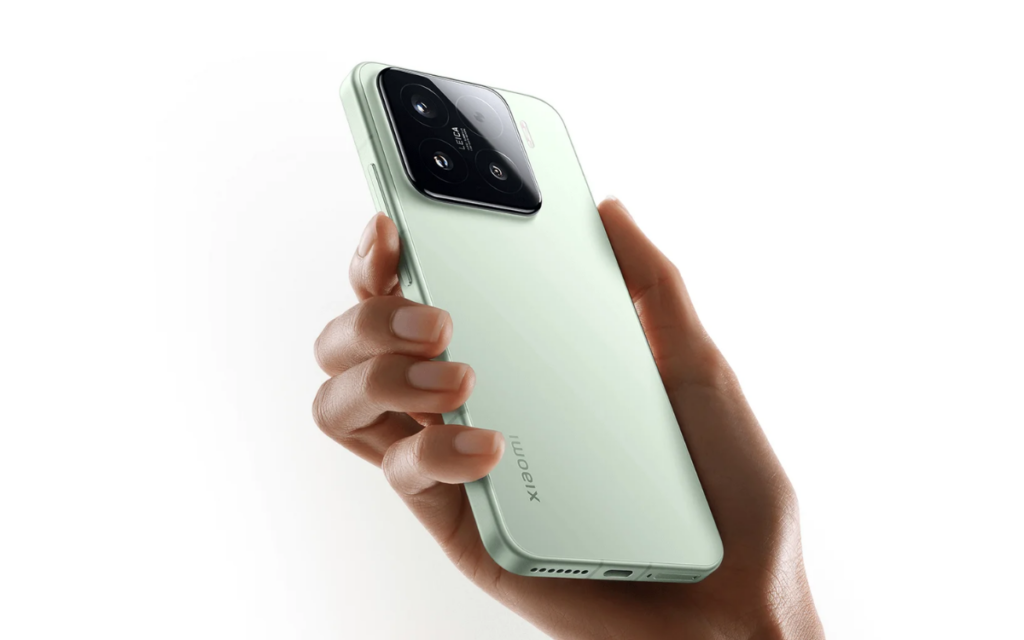
5. Xiaomi 15
Xiaomi introduced the Xiaomi 15 in late 2024, and it became globally available in 2025. It features a 6.36-inch LTPO AMOLED display with 1–120Hz refresh and peak brightness over 3500 nits. The design is flat with slim bezels and IP68 certification.
It runs on the Snapdragon 8 Elite processor and comes with up to 12GB of LPDDR5X RAM and UFS 4.0 storage. The triple-camera system includes three 50MP sensors covering wide, ultra-wide, and 2.6x telephoto zoom, developed in collaboration with Leica.
The phone includes a 5400mAh silicon-carbon battery that delivers long screen-on time and supports 90W wired and 50W wireless charging. Xiaomi ships the phone with HyperOS 2.0 based on Android 15. Global pricing starts at €799 for the 12+256GB variant.
| Preview | Product | |
|---|---|---|

|
Xiaomi 15 (Black, 12GB/512GB)| 50 MP Leica Triple Camera | SD 8 Elite | 1.5K CrystalRes Dynamic… | Check Price on Amazon |
Please Note: When you buy something using the links in our articles, we may earn a small commission at no cost to you.
6. Vivo X200 Pro Mini
Vivo launched the X200 Pro Mini as a smaller member of the X200 lineup. It features a 6.31-inch 2K AMOLED display with 120Hz refresh and 1440Hz PWM dimming. The phone weighs just 187g and is easy to use one-handed.
It is powered by MediaTek’s Dimensity 9400 processor and comes with up to 16GB RAM. Vivo paired the device with a triple 50MP camera setup co-engineered with Zeiss, including a main sensor, ultra-wide lens, and periscope telephoto zoom. The front camera is a 32MP sensor.
Battery life is a standout, with a 5700mAh unit and 90W wired charging. The phone runs OriginOS 5 based on Android 15. Pricing in China starts at around CNY 4999 (approximately $700).
7. Google Pixel 9a
The Pixel 9a is Google’s newest compact mid-range phone for 2025. It features a 6.3-inch FHD+ OLED display with 120Hz refresh and peak brightness up to 2700 nits. The design stays clean and compact, with Gorilla Glass 3 protection and IP68 water resistance.
Google uses its Tensor G4 chip in the 9a, paired with 8GB RAM and up to 256GB storage. Performance is solid for daily use, and the phone benefits from Google’s latest AI features. The rear camera setup includes a 48MP main sensor with OIS and a 13MP ultra-wide lens. On the front, there’s a 13MP camera that supports 4K video recording and wide-angle selfies.
Battery life holds up well with a 5100mAh cell, and charging is handled via 23W wired and 7.5W wireless options. The Pixel 9a ships with Android 15 and is eligible for seven years of OS and security updates. Pricing starts at $499.
| Preview | Product | |
|---|---|---|

|
https://geni.us/XfGt6q Google Pixel 9a with Gemini – Unlocked Android Smartphone with Incredible… | Check Price on Amazon |
Please Note: When you buy something using the links in our articles, we may earn a small commission at no cost to you.
8. Samsung Galaxy Z Flip 6
Samsung launched the Galaxy Z Flip 6 last year as its most polished Flip model to date. When folded, it is compact enough to fit in a small pocket. When opened, it offers a 6.7-inch Dynamic AMOLED display with a 120Hz refresh rate. The cover display measures 3.4 inches and allows quick access to widgets and notifications.
The Flip 6 runs on the Snapdragon 8 Gen 3 for Galaxy and features 12GB of RAM. The dual-camera system includes a 50MP main sensor and a 12MP ultra-wide lens. Users can take selfies using either the front 10MP camera or the rear cameras via the cover screen.
The battery has a capacity of 3700mAh, with support for 25W wired and 15W wireless charging. Samsung offers seven years of software updates. The phone launched at $999 and is available globally.
| Preview | Product | |
|---|---|---|

|
Samsung Galaxy Z Flip6 5G AI Smartphone (Blue, 12GB RAM, 256GB Storage) Without Offer | Check Price on Amazon |
Please Note: When you buy something using the links in our articles, we may earn a small commission at no cost to you.
9. Motorola Razr Ultra (2025)
Motorola introduced the Razr Ultra 2025 as its most advanced foldable yet. The phone features a 6.9-inch internal pOLED display with a 165Hz refresh rate and a large 4.0-inch outer display that also runs at 165Hz. Both screens are bright, smooth, and usable for full apps.
It uses the Snapdragon 8 Elite chipset and comes with 16GB RAM and 512GB storage. Motorola includes a 50MP main and 50MP ultra-wide camera on the rear, while the inner display has a 50MP under-display selfie camera. The camera system supports advanced video features and offers hands-free shooting when the phone is partially folded.
The Razr Ultra houses a 4700mAh battery and supports fast charging. Motorola includes AI features through a dedicated side button and supports Ready For wireless desktop mode. The phone is priced around $1099 in Europe and is available in select regions.
| Preview | Product | |
|---|---|---|

|
Motorola Razr Ultra 2025 | Unlocked | Made for US 16/512GB | 50MP Camera | Pantone Scarab | Check Price on Amazon |
Please Note: When you buy something using the links in our articles, we may earn a small commission at no cost to you.
10. Xiaomi Mix Flip
Xiaomi launched the Mix Flip as its first flip-style foldable. The main display measures 6.86 inches with a resolution of 2912×1224 and 120Hz refresh. The outer screen is a 4.01-inch near-square OLED that also supports 120Hz.
It is powered by the Snapdragon 8 Gen 3 chip and comes with 12GB RAM and 512GB storage. Xiaomi’s unique camera setup includes a 50MP main sensor and a 50MP telephoto lens, omitting an ultra-wide lens. The front camera is a 32MP sensor located on the inner display.
The Mix Flip includes a 4780mAh battery with 67W wired fast charging. Wireless charging is not supported. The phone runs HyperOS and is priced around £1099 in the UK.
For more daily updates, please visit our News Section.
Stay ahead in tech! Join our Telegram community and sign up for our daily newsletter of top stories! 💡