
Add GIZMOCHINA as Preferred Source on Google
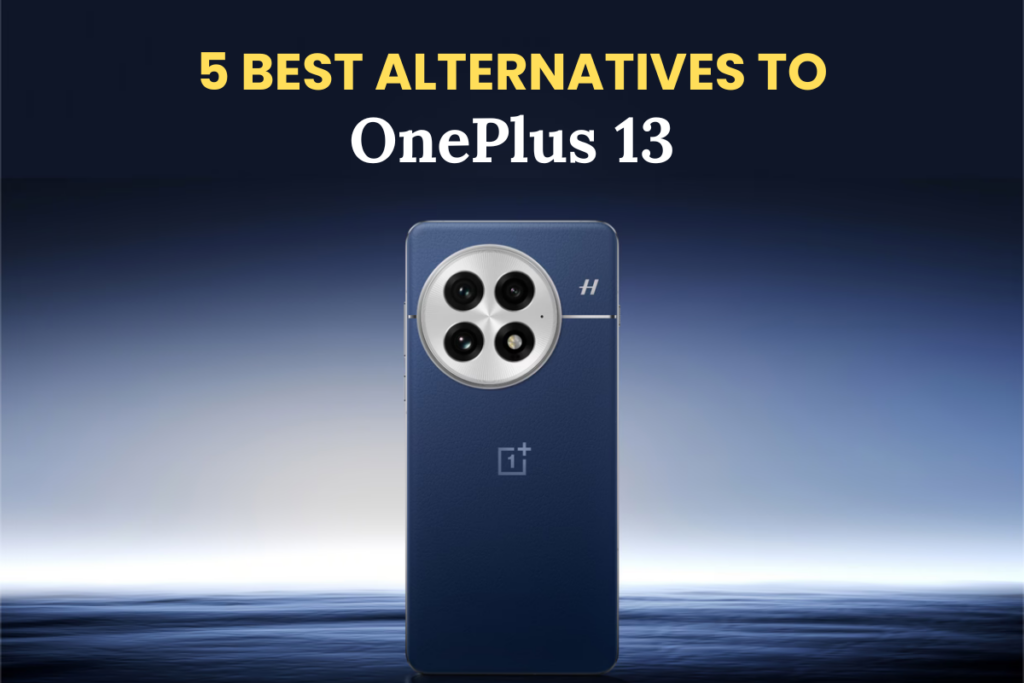
The OnePlus 13 is an impressive flagship, packing cutting-edge hardware, a sleek design, and feature-rich software. However, as with any device, it’s not without its compromises — and it may not be the perfect fit for everyone. If you’re in the market for a high-end smartphone but want to explore beyond OnePlus, we’ve handpicked five standout alternatives that deliver powerful performance, premium features, and excellent value at a similar price point.
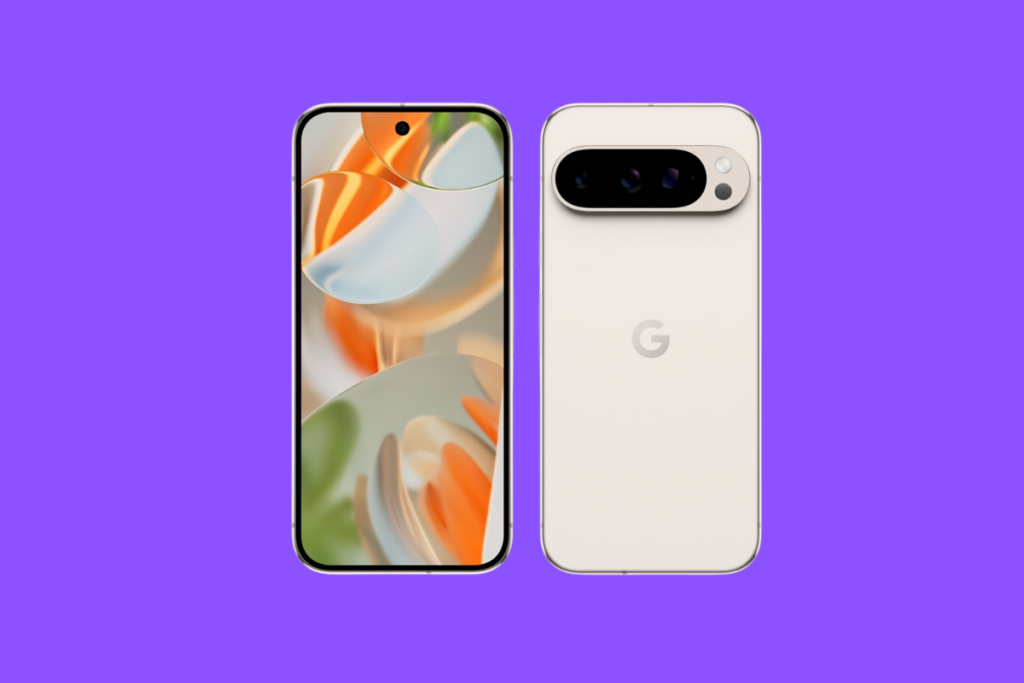
1. Google Pixel 9 Pro
The Pixel 9 Pro is a compact flagship phone from Google with excellent hardware. Unlike the OnePlus 13, it features the Pixel trademark horizontal camera bar on the rear side. The Pixel phone features a 6.3-inch OLED panel with a 120Hz refresh rate and 3000nits of peak brightness. It’s an LTPO panel for flexible refresh rate adjustments. It’s IP68 rated and features Gorilla Glass Victus 2 protection on both sides.
At the heart is the in-house Tensor G4 processor, which smoothly runs everyday tasks but is significantly behind the Snapdragon 8 Elite that powers the OnePlus 13. The latter handles demanding tasks with better stability, heating, and consistent frame rates. In short, the Pixel 9 Pro delivers reliable performance, but if performance is your top priority, it’s best to explore other options.
The horizontal bar on the back features three camera sensors: a 50MP primary shooter with OIS, a 48MP OIS-enabled telephoto camera with 5x optical zoom, and a 48MP ultrawide camera with a 123˚ field of view. The front side features a 48MP selfie shooter, capable of recording up to 4K video, while the rear setup supports up to 8K recording. The Pixel device also offers a range of camera features, including the popular Add Me and Best Take.
Another plus point of having a Pixel 9 Pro is that it will get Android updates for a whopping seven years, while the OnePlus 13 only promises four OS updates. Google Pixels are also the first devices to get the latest OS update. Moreover, the smartphone houses a 4,700mAh battery and supports 27W wired, as well as 21W wireless charging (with Pixel Stand). It features all the necessary connectivity options, including Wi-Fi 7, Bluetooth 5.3, NFC, and multiple positioning systems.
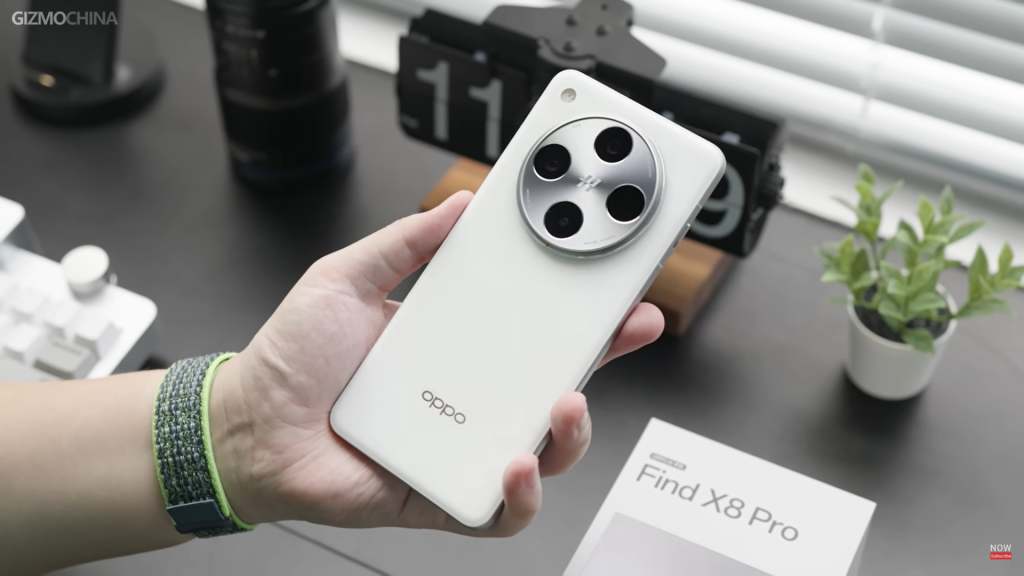
2. Oppo Find X8 Pro
This phone is approximately the same size as the OnePlus 13 but features a larger camera module with an additional camera sensor. It also has an LTPO AMOLED panel with 120Hz refresh rate and 4500nits peak brightness. The Gorilla Glass 7i ensures toughness to the screen, while the IP68/69 rating suggests it can withstand dust and water jets.
The Oppo Find X8 Pro (full review) is powered by MediaTek Dimensity 9400, which can smoothly run all your games and apps, even the high-end ones, though it’s slightly behind the Snapdragon 8 Elite powering the OnePlus 13. Both smartphones boot Android 15, but the Oppo phone promises an additional Android upgrade, five in total.
The giant camera module on the back houses four powerful sensors, including a 50MP primary sensor with OIS, two OIS-enabled 50MP periscope telephoto cameras (one with 3x optical zoom and another with 6x optical zoom), and a 50MP ultrawide camera with a 120˚ field of view. On the front, there’s a 32MP snapper for selfies. The device allows up to 4K video recording from both sides.
The Oppo Find X8 Pro packs a 5,910mAh battery with support for 80W wired charging. It also supports 50W wireless and 10W reverse wireless charging.
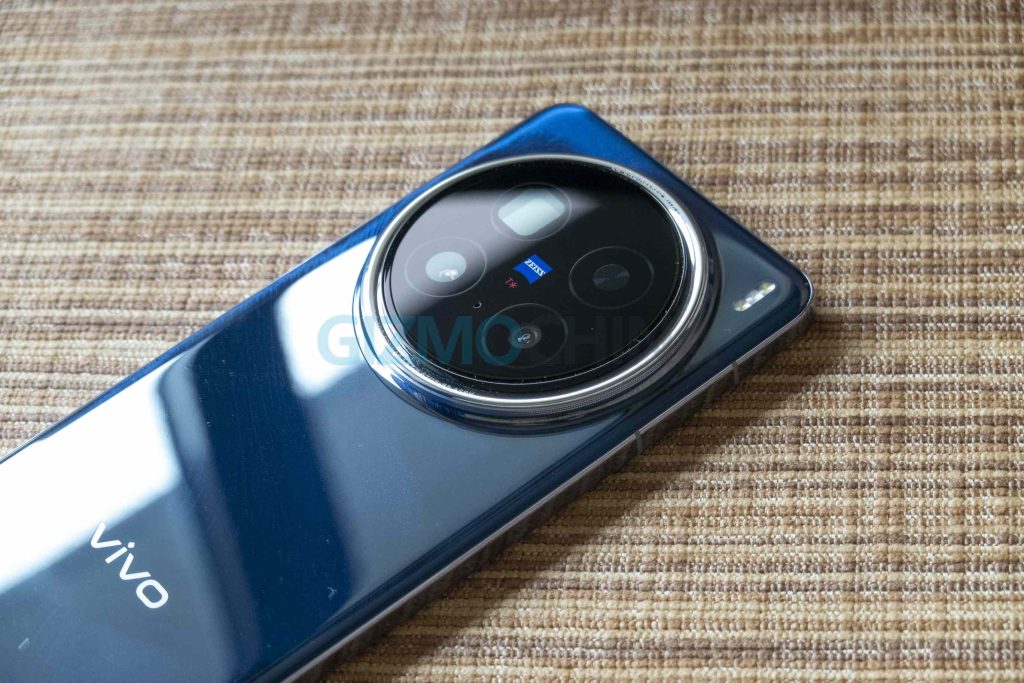
3. Vivo X200 Pro
Vivo X200 Pro (hands-on review) is another solid flagship smartphone and an excellent alternative to OnePlus 13. This phone has nearly the same-sized AMOLED screen with LTPO, 120Hz refresh rate, and 4500nits peak brightness. The IP68/IP69 rating ensures it’s protected against dust and water jets, and features armor glass on the front side for added protection.
The Vivo phone is powered by a MediaTek Dimensity 9400 chip, which offers excellent performance, even with heavy usage. It boots Android 15 out of the box and promises four major Android updates.
The giant camera setup on the X200 Pro takes incredible photos and videos across various lighting conditions. The setup includes a 50MP primary shooter with OIS, a 200MP OIS-enabled periscope telephoto lens with a 3.7x optical zoom and advanced macro capabilities, and a 50MP ultrawide lens with a 123˚ field of view. The rear cameras can record up to 8K videos, while the 32MP selfie camera peaks at 4K.
The Vivo X200 Pro is available in two battery options: 6,000mAh (for the global market) and 5,200mAh (for Austria, Hungary, and Germany). It supports 90W fast wired charging, allowing for a quick battery refill. The device also supports 30W wireless charging and reverse wired charging.

4. Samsung Galaxy S25
If you are looking for a compact flagship phone at a price similar to OnePlus 13, the Galaxy S25 can be a good option. It features a 6.2-inch LTPO AMOLED screen with a 120Hz refresh rate and 2600nits of peak brightness. For added protection, it has Gorilla Glass Victus 2 on both sides and an IP68 rating, ensuring protection against dust and water.
The Samsung phone is powered by a Snapdragon 8 Elite chip, featuring a powerful CPU and GPU. It ensures smooth performance, even when you’re playing high-end games. Software is another plus point of this phone, as it promises seven years of Android updates.
In terms of optics, the Galaxy S25 features a triple rear camera setup, comprising a 50MP primary camera with OIS, a 10MP telephoto camera with OIS and 3x optical zoom, and a 12MP ultrawide camera with a 120˚ field of view. It can record up to 8K videos, while the selfie video using the 12MP camera is limited to 4K.
The smartphone comes with a 4,000mAh battery, which is somewhat disappointing in a flagship phone when other brands offer 6,000mAh batteries. The charging speed is also restricted to 25W, while the wireless charging can go up to 15W. It also brings 4.5W reverse wireless charging support to power up your accessories.
5. iQOO 13
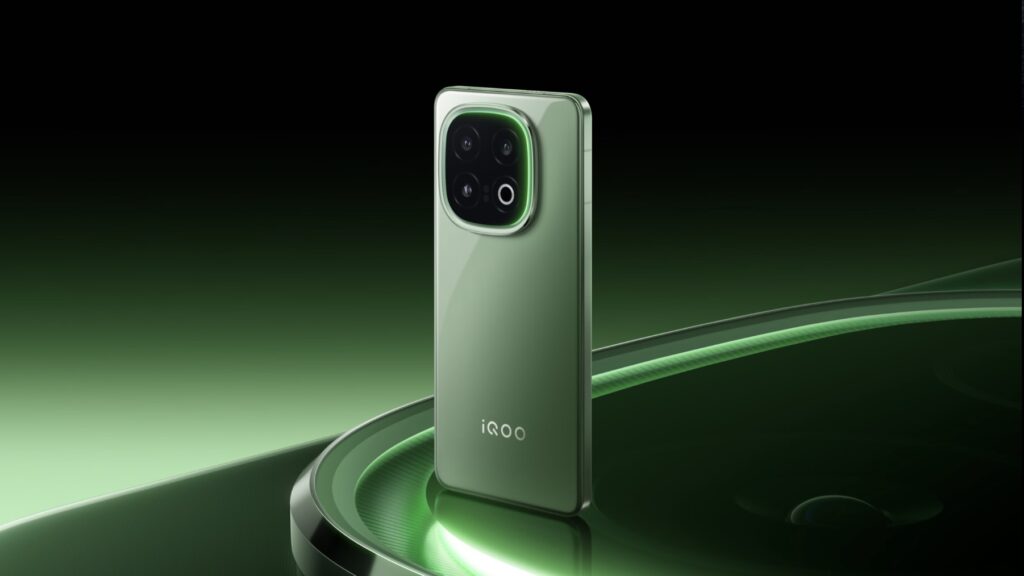
It’s the most affordable option on the list, prioritizing performance over everything else. It rocks a Snapdragon 8 Elite, which is the best you can get on an Android device.
The iQOO 13 features a 6.82-inch LTPO AMOLED screen with 144Hz refresh rate and 4500nits peak brightness. It’s IP68/IP69 rated and features Schott Xensation Alpha protection on the front.
The device features a triple camera setup on the back, which includes a 50MP primary camera with OIS, a 50MP telephoto camera with 2x optical zoom, and a 50MP ultrawide camera. There’s a 32MP selfie shooter for selfies and video calls. The device allows up to 8K video recording from the rear cameras, while selfie videos are limited to 4K resolution.
Like other devices on the list, the iQOO 13 boots Android 15 out of the box, and it promises four generations of Android updates. To keep it running, there’s a 6,150mAh battery inside (6,000mAh for the Indian variant) with support for 120W fast wired charging.

Comments