Add GIZMOCHINA as Preferred Source on Google
After spending a solid four months with the Samsung Galaxy S25 Ultra as my daily driver, I’ve had enough time to dive deep into its performance, features, and quirks. This isn’t just about first impressions; it’s a real-world evaluation of how Samsung’s flagship holds up with consistent daily use. Whether for work, entertainment, photography, or casual browsing, I’ve relied on the S25 Ultra for everything. In this long-term review, I’ll cover its design, display, performance, battery life, camera quality, software experience, AI features, and overall reliability, blending personal experience with broader user sentiment and tech community feedback.
4Camera
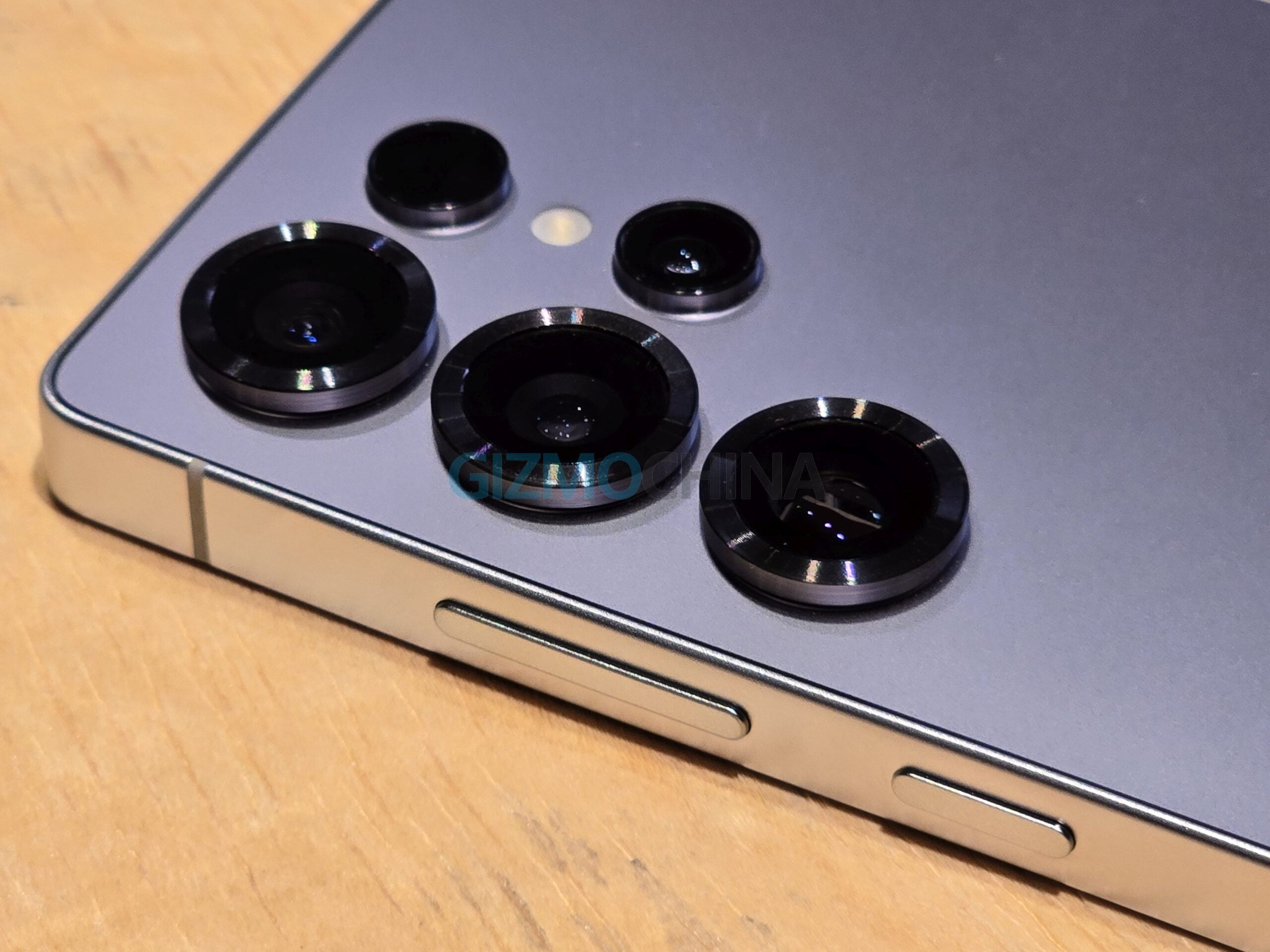
The camera system is arguably the Galaxy S25 Ultra’s headline feature, and it lived up to the hype over the long term. Additionally, the overhauled camera app interface made it easier to navigate settings, and I appreciated the extra screen space for framing shots.
- Main 200MP Sensor: Photos are consistently sharp, detailed, and vibrant in good lighting. Even in challenging mixed lighting conditions, the dynamic range is excellent. I rarely shot at the full 200MP, but the pixel-binning for 12MP shots truly maximizes light capture and detail.
- Ultrawide: The ultrawide lens produces excellent results, maintaining color consistency with the main sensor and showing minimal distortion, making it great for landscapes or group shots.
- Telephoto Lenses (3x and 5x): This is where Samsung truly dominates. The (10MP telephoto) 3x optical zoom is perfect for portraits and bringing subjects closer without quality loss. The (50MP persicope) 5x optical zoom is a marvel, allowing me to capture incredible detail from a distance. The improved digital zoom, leveraging AI, meant that even 30x or 50x shots were surprisingly usable for social media—something I wouldn’t have said for older models.
- 12MP Selfie: The front camera captures sharp and natural-looking selfies with good dynamic range. It performs well in video calls and supports 4K video recording.
- Low Light: Nightography has seen significant advancements. Images in low light are brighter, with less noise and better detail retention than previous generations. It’s not magic, but it certainly closes the gap with dedicated cameras.
- Video: Video recording capabilities are superb, offering stable, high-quality footage up to 8K. The improved stabilization makes handheld recording very smooth, and the audio capture is clear.






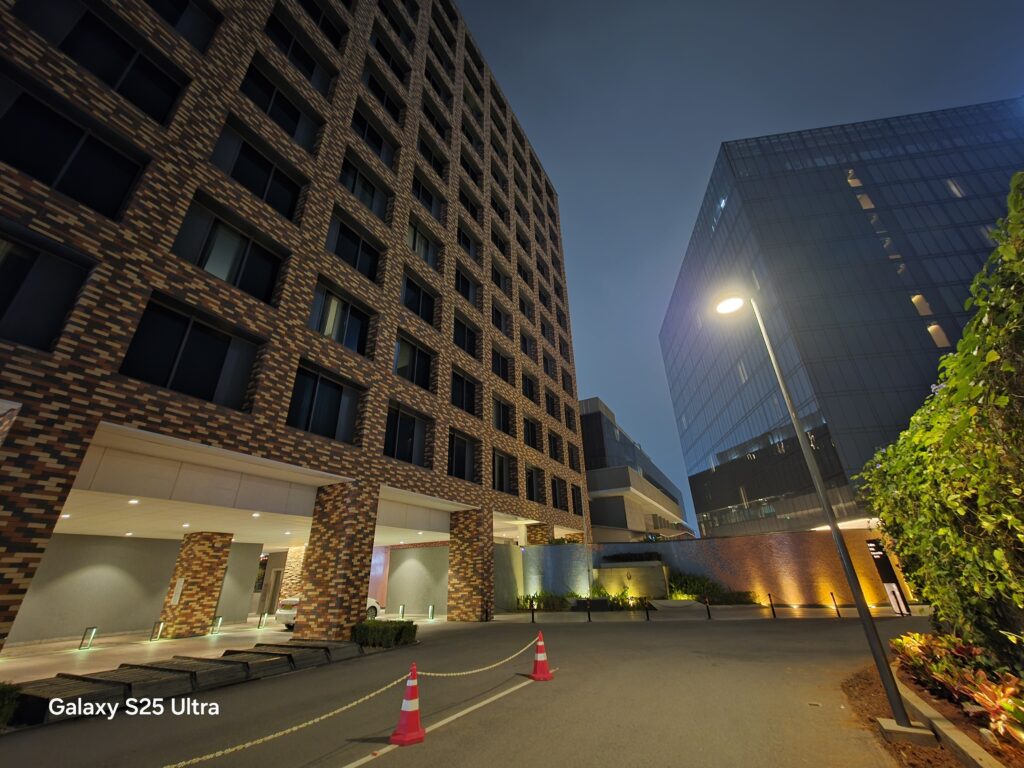
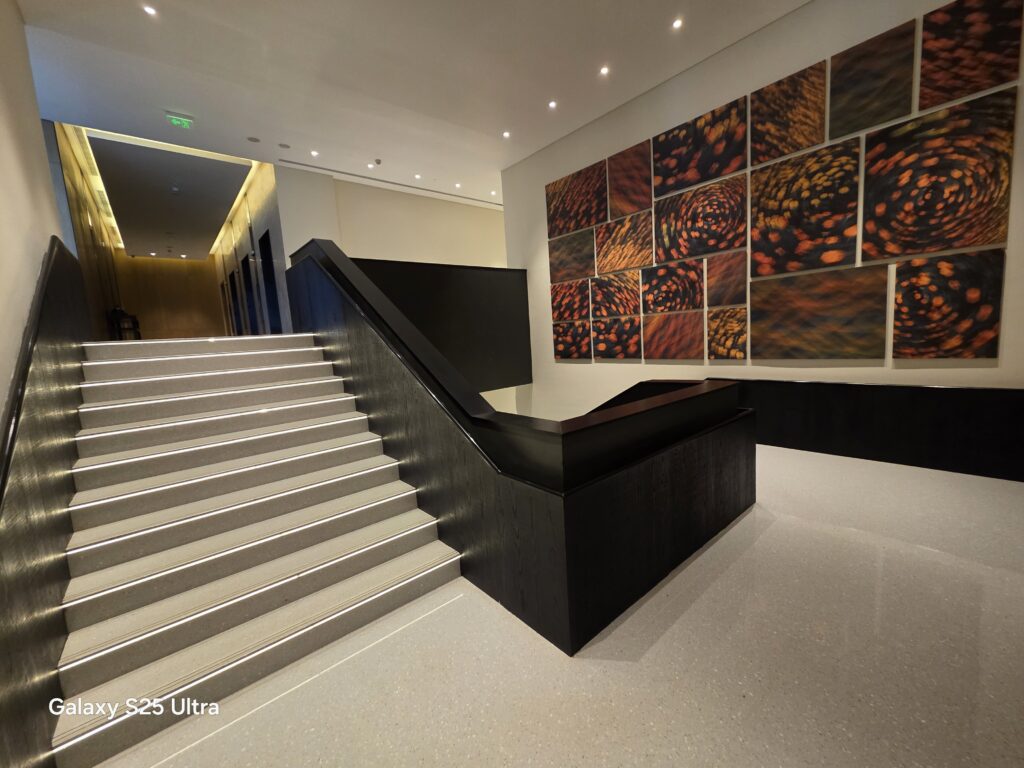


My only minor gripe is that sometimes the processing can be a bit aggressive, leading to slightly oversaturated colors, but this is a subjective preference and can often be tweaked.