
Add GIZMOCHINA as Preferred Source on Google
As an Amazon Associate, Gizmochina earns from qualifying purchases. Links on this page may earn us a commission at no extra cost to you.
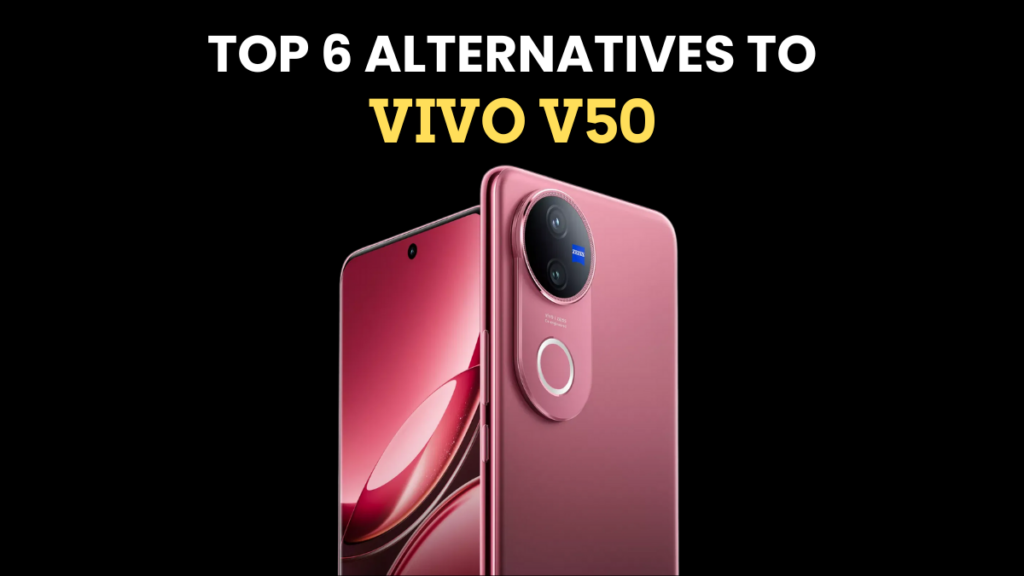
The Vivo V50 is an excellent camera phone and an impressive all-around package, featuring a fast Snapdragon processor, a high-quality AMOLED screen, and a large battery that easily lasts a full day — all for around INR 35,000. However, it’s far from being the only showstopper in this price range, as we’ve found six great alternatives that outshine the Vivo V50 in various ways.
1. Realme GT 7
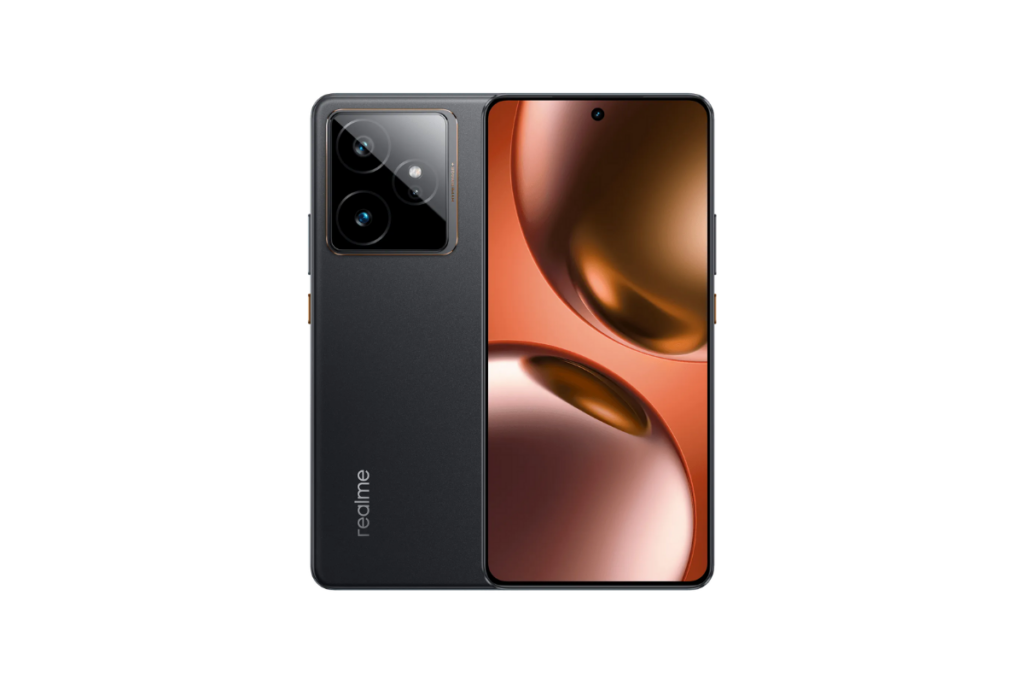
This Realme smartphone is powered by a significantly faster MediaTek Dimensity 9400e chipset, delivering a noticeable performance boost in gaming and demanding apps. It also promises an additional Android upgrade, bringing the total to four.
The GT 7 also brings LTPO support for improved battery efficiency and much higher peak brightness for superior visibility outdoors. It features Gorilla Glass 7i for better protection. The device offers a telephoto lens, in addition to primary and ultrawide shooters, for enhanced camera capabilities. It also excels in battery capacity and charging speed compared to Vivo V50.
Realme GT 7 specs:
- Display: 6.78” LTPO AMOLED, 1264 x 2780 pixels resolution, 120Hz refresh rate, 6000nits brightness (peak)
- Processor: MediaTek Dimensity 9400e (4nm)
- Software: Android 15, four major Android updates
- Rear camera: 50MP (primary), 50MP (telephoto), 8MP (ultrawide); up to 8K recording
- Selfie camera: 32MP; up to 4K recording
- Battery & charging: 7,000mAh; 100W (wired), 7.5W (reverse wired)
- Connectivity: Wi-Fi 7, Bluetooth v5.4, NFC
| Preview | Product | |
|---|---|---|

|
realme GT 7 (IceSense Blue,8GB+256GB) | India’s 1st MediaTek Dimensity 9400e Chipset | Strongest… | Check Price on Amazon |
Please Note: When you buy something using the links in our articles, we may earn a small commission at no cost to you.
2. OnePlus 13R
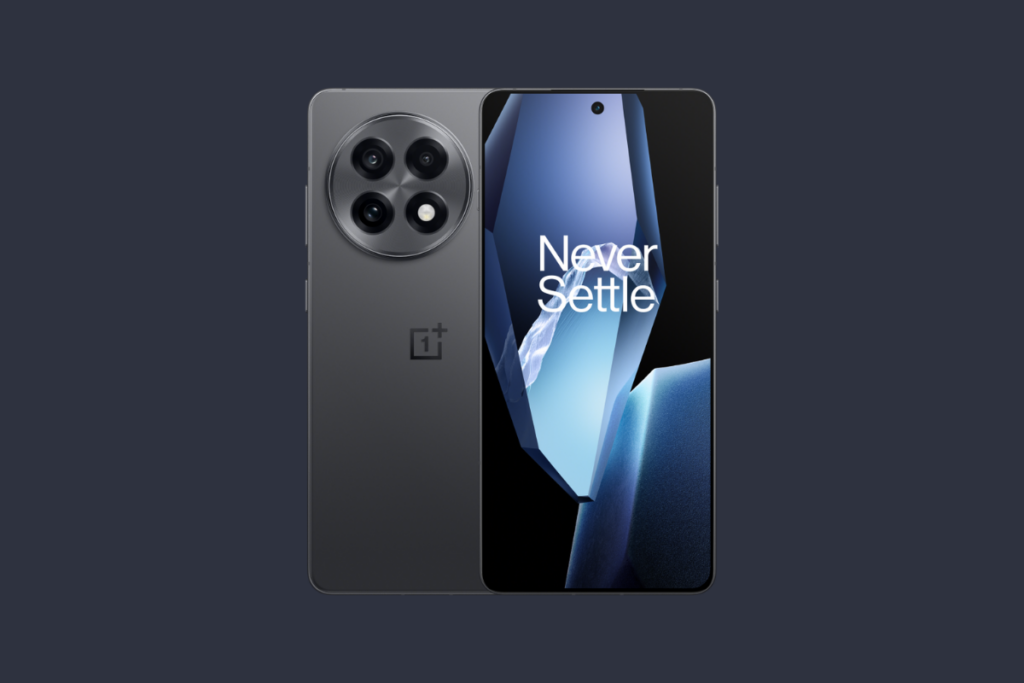
The OnePlus 13R is a premium option featuring an aluminum frame and the powerful Snapdragon 8 Gen 3 processor, which is much faster than the Vivo V50’s 7 Gen 3 processor. It offers an LTPO 4.1 screen, Gorilla Glass 7i protection, and Ultra HDR image support.
It features an additional telephoto shooter that enables high-quality zoom shots, in addition to a primary camera and an ultrawide camera. The ultrawide camera has a lower resolution, though. Furthermore, the OnePlus 13R supports the latest Wi-Fi 7 technology for reliable connection even in crowded places.
OnePlus 13R specs:
- Display: 6.78” LTPO 4.1 AMOLED, 1264 x 2780 pixels resolution, 120Hz refresh rate, 4500nits brightness (peak), Ultra HDR image support
- Processor: Qualcomm Snapdragon 8 Gen 3 (4nm)
- Software: Android 15, four major Android updates
- Rear camera: 50MP (primary), 50MP (telephoto), 8MP (ultrawide); up to 4K recording
- Selfie camera: 16MP; up to 1080p recording
- Battery & charging: 6,000mAh; 80W (wired)
- Connectivity: Wi-Fi 7, Bluetooth v5.4, NFC
| Preview | Product | |
|---|---|---|

|
OnePlus 13R | Smarter with OnePlus AI (12GB RAM, 256GB Storage Astral Trail) | Check Price on Amazon |
Please Note: When you buy something using the links in our articles, we may earn a small commission at no cost to you.
3. Oppo Reno 14
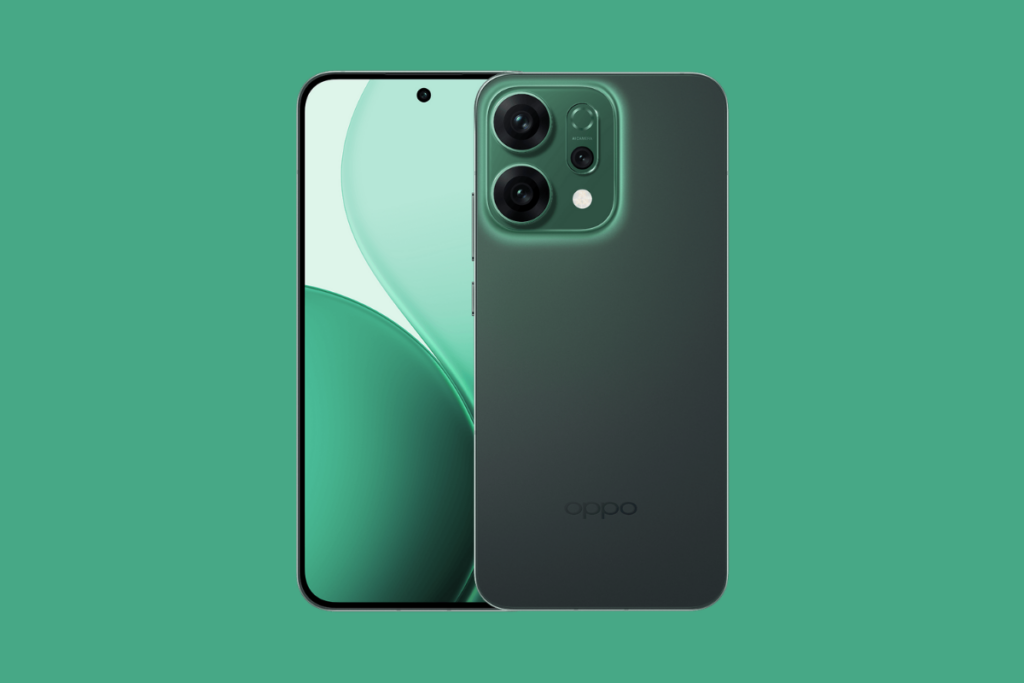
This is another excellent premium mid-range phone featuring an aluminum alloy frame, Gorilla Glass 7i protection, and an IP68 rating that ensures protection against dust and water. It has a slightly smaller screen size with a higher pixel density, resulting in sharper and crisper images. The device is powered by the MediaTek Dimensity 8350 chip, faster than Vivo V50’s Snapdragon 7 Gen 3.
The Reno 14 promises two additional Android upgrades than the Vivo V50. It also featured an additional camera unit (telephoto lens) on the rear side, enabling a range of shots. The battery capacities remain the same, but the charging speed is a little lower on the Oppo phone. The connectivity features are nearly identical, except for the NFC support on the Reno 14.
Oppo Reno 14 specs:
- Display: 6.59” AMOLED, 1256 x 2760 pixels resolutions, 120Hz refresh rate, Gorilla Glass 7i protection
- Processor: MediaTek Dimensity 8350 (4nm)
- Software: Android 15, five major Android updates
- Rear camera: 50MP (primary), 50MP (telephoto), 8MP (ultrawide); up to 4K recording
- Selfie camera: 50MP; up to 4K recording
- Battery & charging: 6,000mAh; 80W (wired)
- Connectivity: Wi-Fi 6e, Bluetooth v5.4, NFC

Please Note: When you buy something using the links in our articles, we may earn a small commission at no cost to you.
4. Samsung Galaxy S24 FE
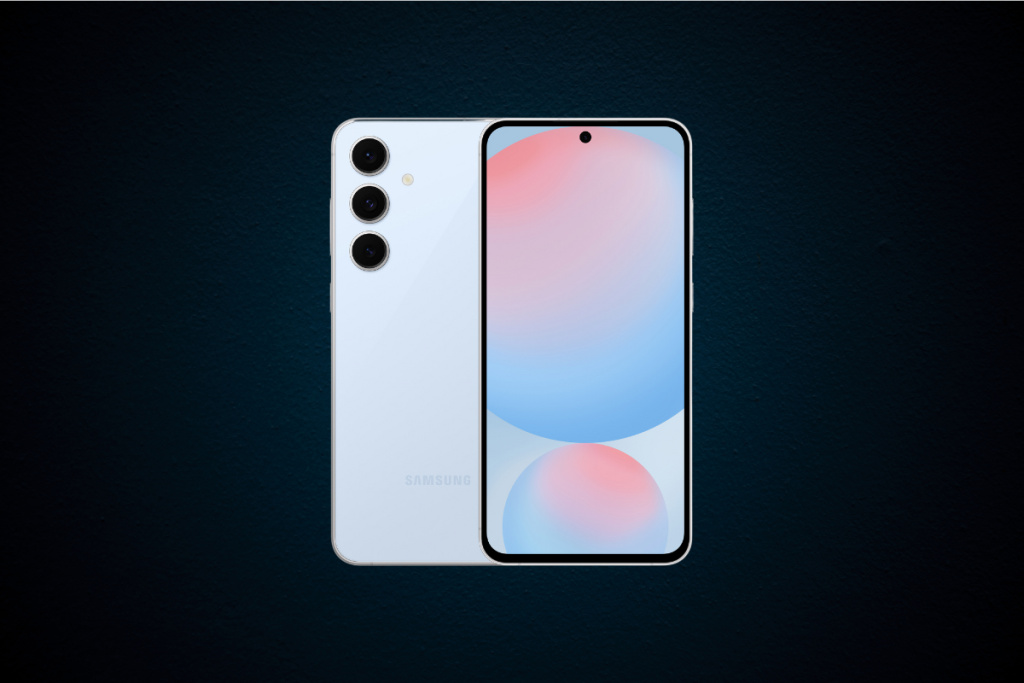
It’s another solid package on the list, featuring an aluminum frame, IP68 rating, and Gorilla Glass Victus+ protection on both sides. The Exynos 2400e chipset powers the handset, which is nearly twice as fast as the Snapdragon 7 Gen 3 on the Vivo V50.
The Galaxy S24 FE features a marginally smaller screen size with nearly the same pixel density but a significantly lower peak brightness. However, it leaves the Vivo V50 in the dust by offering seven years of Android upgrades. The device allows up to 8K video recording via its triple rear cameras, which also includes a telephoto unit. The battery capacity, however, is a bit disappointing, as is the charging speed (4700mAh, 25W). However, it supports wireless charging.
Galaxy S24 FE specs:
- Display: 6.7” Dynamic AMOLED, 1080 x 2340 pixels resolution, 1900nits brightness (peak), Gorilla Glass Victus+ protection
- Processor: Samsung Exynos 2400e (4nm)
- Software: Android 14, seven major Android updates
- Rear camera: 50MP (primary), 8MP (telephoto), 12MP (ultrawide); up to 8K recording
- Selfie camera: 10MP; up to 4K recording
- Battery & charging: 4,700mAh; 25W (wired), 15W (wireless)
- Connectivity: Wi-Fi 6e, Bluetooth v5.3, NFC
| Preview | Product | |
|---|---|---|

|
Samsung Galaxy S24 FE 5G AI Smartphone (Graphite, 8GB RAM, 128GB Storage) | Check Price on Amazon |
Please Note: When you buy something using the links in our articles, we may earn a small commission at no cost to you.
5. Vivo T4 Ultra
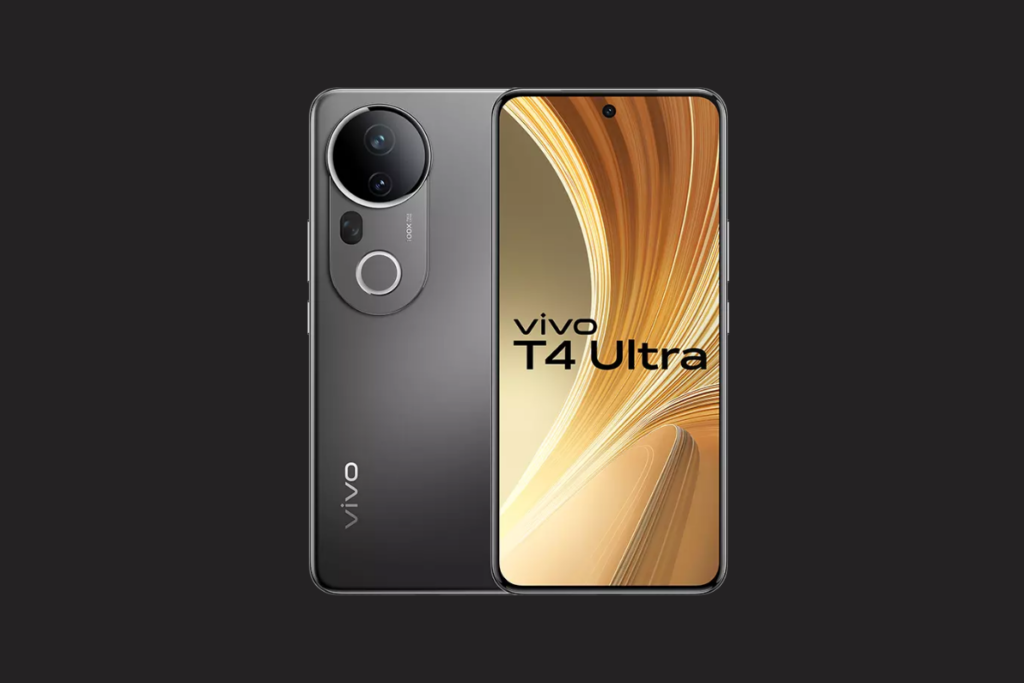
The Vivo T4 Ultra puts a tough show against the Vivo V50 while being similarly priced. It comes with the Dimensity 9300+ chipset, which is significantly faster than the Snapdragon 7 Gen 3 in the V50.
The T4 Ultra also features superior overall cameras, rocking a 50MP primary shooter, an 8MP ultrawide camera, and a 50MP periscope telephoto camera. The V50 lacks a telephoto camera. The T4 Ultra, however, features lower-resolution selfie and ultrawide cameras, but overall, it has a solid camera setup.
The battery is a bit smaller than the V50, but the charging speed remains fast.
Vivo T4 Ultra specs:
- Display: 6.67” AMOLED, 1260 x 2800 pixels resolution, 120Hz refresh rate, 5000nits brightness (peak)
- Processor: MediaTek Dimensity 9300+ (4nm)
- Software: Android 15, three Android updates
- Rear camera: 50MP (primary), 50MP (periscope telephoto), 8MP (ultrawide); up to 4K recording
- Selfie camera: 32MP
- Battery & charging: 5,500mAh; 90W (wired)
- Connectivity: Wi-Fi 6, Bluetooth v5.4, NFC

Please Note: When you buy something using the links in our articles, we may earn a small commission at no cost to you.
6. Nothing Phone (3a) Pro
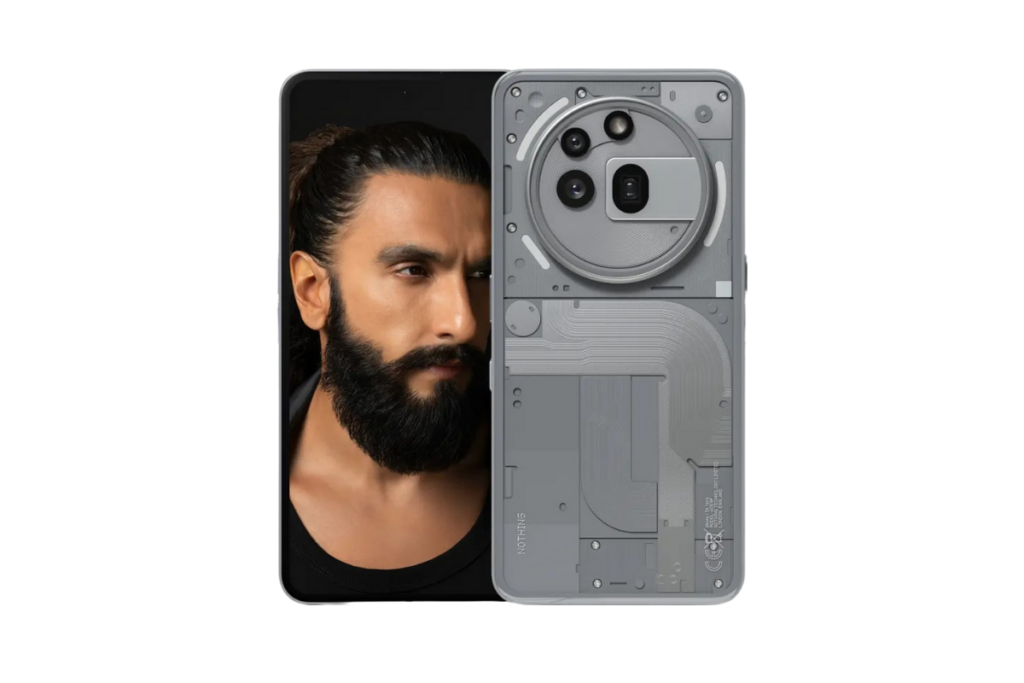
Nothing Phone (3a) Pro another excellent mid-range phone with a non-traditional rear design and a clean software experience. The device features a slightly better Snapdragon 7s Gen 3 chipset, the same-sized AMOLED panel, and Android 15 OS with three years of Android updates.
The rear setup includes a telephoto lens, making it more versatile than the V50. The battery capacity and charging speed are not the best but fairly good at 5,000mAh and 50W.
Nothing Phone (3a) Pro specs:
- Display: 6.77” AMOLED, 1080 x 2392 pixels resolution, 120Hz refresh rate, 133nits brightness (peak), Panda Glass protection
- Processor: Qualcomm Snapdragon 7s Gen 3 (4nm)
- Software: Android 15, three major Android updates
- Rear camera: 50MP (primary), 50MP (periscope telephoto), 8MP (ultrawide); up to 4K recording
- Selfie camera: 50MP; up to 4K recording
- Battery & charging: 5,000mAh; 50W
- Connectivity: Wi-Fi 6, Bluetooth v5.4, NFC

Please Note: When you buy something using the links in our articles, we may earn a small commission at no cost to you.
Would you still go for the Vivo V50 or pick any of the six alternatives? Share your thoughts in the comments below.


Comments