Add GIZMOCHINA as Preferred Source on Google
As an Amazon Associate, Gizmochina earns from qualifying purchases. Links on this page may earn us a commission at no extra cost to you.
With OPPO Reno 13A and Vivo T3 targeting the same mid-range market, buyers are left choosing between camera versatility and raw performance. Both offer AMOLED displays, fast charging, and 5G support, but with very different strengths. This comparison matters because it pits OPPO’s durability and battery life against Vivo’s processing power and price advantage, helping users decide which phone delivers better overall value in 2024.
1. Design and Display

Build and Feel:
The OPPO Reno 13A offers a premium construction with IP68/IP69 ratings, making it fully dustproof and highly water-resistant, a rare feature at this price point. It also integrates a slightly more refined AGC Dragontrail STAR2 glass on the front. In contrast, the Vivo T3 settles for an IP54 rating, meaning it’s only protected against water splashes and dust ingress to a minor extent. Vivo provides an eco-leather option, which adds a textured grip and aesthetic appeal, but its protection and longevity are not on par with the Reno 13A.
Display Quality:
Both phones use AMOLED panels with a 120Hz refresh rate and Full HD+ resolution, but the Vivo T3 goes brighter with a peak brightness of 1800 nits, compared to 1200 nits on the Reno 13A. However, Reno 13A features in-display fingerprint authentication and likely offers better panel durability due to its tougher glass. Vivo’s display is slightly smaller but offers an excellent screen-to-body ratio and more vivid peak brightness, enhancing outdoor visibility.
Verdict:
While Vivo T3 wins in brightness and aesthetic customization, the OPPO Reno 13A offers better durability and full IP69 protection, making it the better pick for rugged everyday use.
| Preview | Product | |
|---|---|---|

|
Vivo T3 5G (Crystal Flake, 128 GB) (8 GB RAM) | Check Price on Amazon |
Please Note: When you buy something using the links in our articles, we may earn a small commission at no cost to you.
2. Specifications

Performance:
The OPPO Reno 13A is powered by the Snapdragon 6 Gen 1 chipset built on a 4nm process, whereas the Vivo T3 uses MediaTek’s Dimensity 7200, also a 4nm chip. The Dimensity 7200 generally edges ahead in raw CPU performance, especially for sustained tasks and gaming, due to its Cortex-A715 high-performance cores. Additionally, the Mali-G610 GPU in the T3 handles graphics better than the Adreno 710 in the Reno 13A. Vivo T3 also supports up to 256GB storage, which is an advantage for heavy users.
Battery and Charging:
OPPO Reno 13A packs a larger 5800mAh battery versus Vivo T3’s 5000mAh. Reno also charges slightly faster at 45W, compared to Vivo’s 44W. While the difference is minimal in charging time, Reno’s higher capacity offers noticeably longer screen-on time, ideal for heavy media users and travelers. Both support Type-C and lack wireless charging.
Verdict:
Vivo T3 leads in performance and graphics, making it better for gamers and power users, while the Reno 13A takes the win in battery longevity and faster top-up, making it more reliable for all-day endurance.
3. Camera
Main and Secondary Lenses:
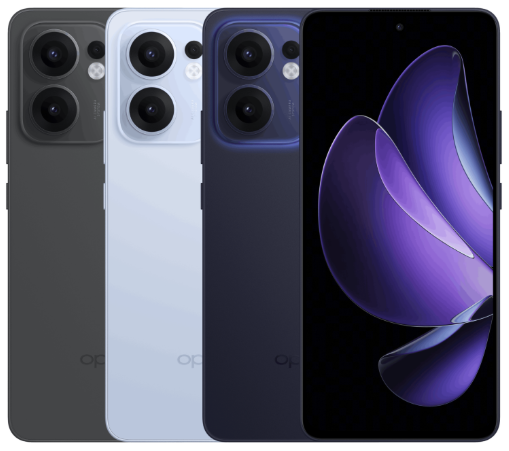
Both phones feature a 50MP primary camera with OIS, but OPPO includes an 8MP ultra-wide and a 2MP macro, offering more versatile photography options. Vivo T3 uses a simpler dual-camera setup with a 2MP depth sensor, which adds little practical value. The Reno 13A’s ultra-wide lens enhances group shots and landscapes, offering real utility.
Selfie Camera:
OPPO Reno 13A has a 32MP front-facing camera, which captures sharper and more detailed selfies compared to the 16MP unit on the Vivo T3. While both offer 1080p video recording, the Reno’s higher resolution sensor provides better dynamic range and clarity in varied lighting conditions.
Verdict:
OPPO Reno 13A clearly wins the camera battle with its more versatile triple-lens rear setup and a higher-resolution selfie camera, making it a better choice for photography enthusiasts.
4. Pricing
The OPPO Reno 13A is priced around $330, whereas the Vivo T3 is more affordable at $250. This slight price gap reflects in features like better ingress protection, a larger battery, and enhanced camera versatility on the Reno 13A. However, the Vivo T3 provides better performance for the price and suits budget-conscious users who prioritize speed and display brightness over camera features and rugged build.
Disclaimer:
Prices are approximate and may vary based on country, region, and applicable taxes.
5. Conclusion

The OPPO Reno 13A stands out with its IP68/IP69 rating, triple-camera setup including ultra-wide, and larger 5800mAh battery, making it a rare all-rounder under $350. Vivo T3, meanwhile, offers brighter display, superior chipset, and competitive pricing, appealing to performance-centric users. The Reno 13A is a better pick for users seeking camera flexibility, durability, and long battery life, while the Vivo T3 is best suited for those wanting high performance and modern display features at a lower cost.
Final Verdict:
Choose the Reno 13A for durability, camera versatility, and battery strength. Pick the Vivo T3 for better gaming performance, brighter visuals, and better value under budget.
Overall, for most users seeking a balanced, long-lasting phone with added protection and photography flexibility, the OPPO Reno 13A would be the more complete and future-proof choice.
Read More:
- Vivo X200 FE vs OPPO Reno 14: Which One Gives You More for Less?
- Huawei Pura 80 Ultra vs Pro: Is the $500 Extra Really Worth It?
- Vivo X200 FE vs Samsung Galaxy S25: Flagship Features, Tough Choice