
Add GIZMOCHINA as Preferred Source on Google
As an Amazon Associate, Gizmochina earns from qualifying purchases. Links on this page may earn us a commission at no extra cost to you.
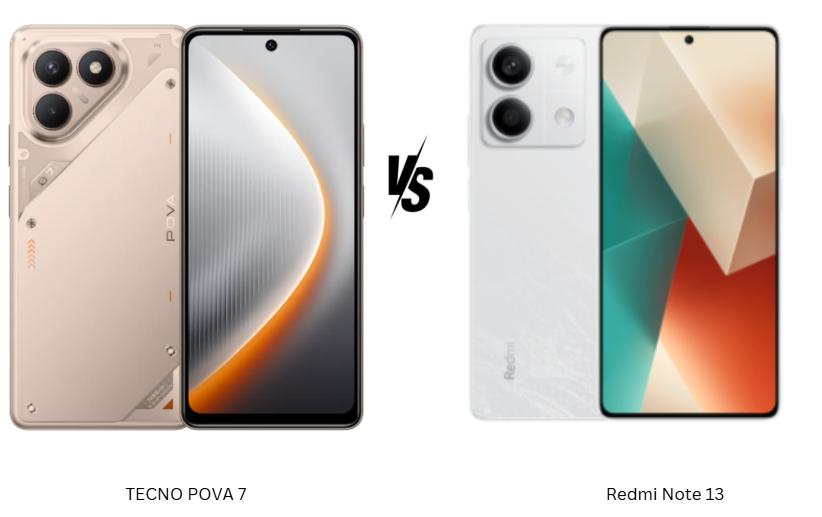
TECNO POVA 7 and Redmi Note 13 stand out in the $200 smartphone segment, both aiming to balance performance, design, and value. With TECNO pushing larger batteries and faster charging, while Redmi focuses on AMOLED visuals and camera versatility, this comparison highlights where each device shines and which upgrades make a bigger difference for everyday users.
1. Design and Display
Build and Feel:
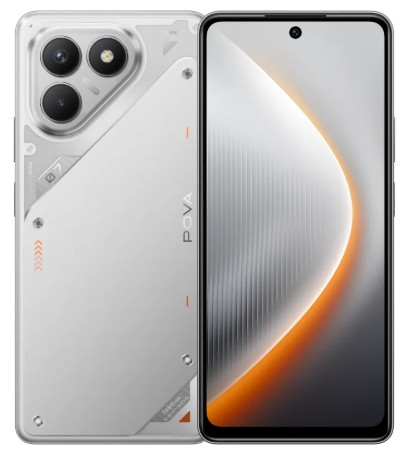
The TECNO POVA 7 comes with IP64 protection, a tougher rating than the Redmi Note 13’s IP54, making it slightly better against dust and splashes. It also adds a rear status LED, which is a unique touch for notifications. However, Redmi’s Gorilla Glass 5 front feels more premium and offers extra screen protection compared to TECNO’s standard build.
Verdict: Redmi Note 13 has a more polished feel, but TECNO POVA 7 is more practical with its higher durability rating and LED notification feature.
Display Quality:
POVA 7 uses a 6.78-inch IPS LCD with a 144Hz refresh rate, ensuring smooth scrolling and gaming responsiveness. On the other hand, Redmi Note 13 offers a 6.67-inch AMOLED panel with richer colors, deeper blacks, HDR support, and 1920Hz PWM dimming for eye comfort. While POVA 7 edges in refresh rate, Redmi’s AMOLED makes a much bigger difference in visuals and usability under bright light.
Verdict: Redmi Note 13 offers a superior viewing experience despite POVA’s faster refresh rate.
| Preview | Product | |
|---|---|---|

|
Redmi Note 13 5G (Prism Gold, 6GB RAM, 128GB Storage) | 5G Ready | 120Hz Bezel-Less AMOLED | 7.mm… | Check Price on Amazon |
Please Note: When you buy something using the links in our articles, we may earn a small commission at no cost to you.
2. Specifications

Performance:
TECNO POVA 7 runs on the newer MediaTek Dimensity 7300 Ultimate, a 4nm chipset with stronger Cortex-A78 cores and Mali-G615 graphics. This makes it more capable for gaming and long-term performance compared to Redmi’s Dimensity 6080 on 6nm, which is closer to mid-entry standards. For multitasking and gaming, POVA 7 is clearly more future-proof.
Verdict: TECNO POVA 7 takes the lead in processing power and efficiency.
Battery and Charging:
POVA 7 is equipped with a massive 6000mAh battery, 45W fast charging, and even 30W magnetic wireless charging with 10W reverse wired support. Redmi Note 13 comes with a smaller 5000mAh battery and 33W charging, with no wireless options. The gap in endurance and charging versatility is significant, especially for heavy users.
Verdict: TECNO POVA 7 dominates in power backup and charging flexibility.
3. Camera
Main and Secondary Lenses:
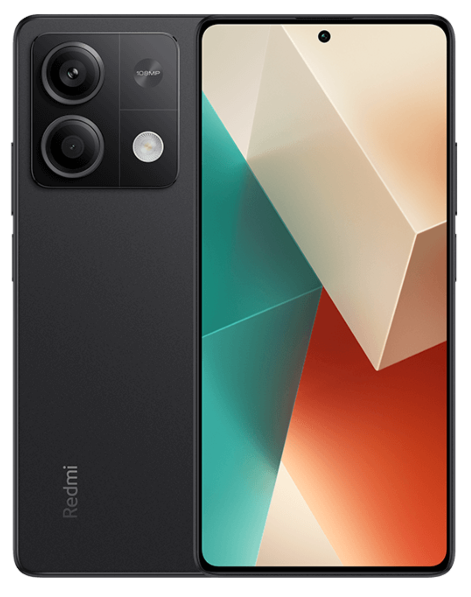
Redmi Note 13 features a triple setup with a 108MP primary, 8MP ultrawide, and 2MP depth sensor, which provides more versatility and better detail in various conditions. POVA 7 sticks to a single 50MP shooter, good for casual shots but limited in flexibility. While POVA supports 4K video, Redmi is capped at 1080p, which slightly balances the comparison.
Verdict: Redmi Note 13 is better for photography variety, while POVA 7 is stronger for video.
Selfie Camera:
The Redmi Note 13 has a 16MP selfie camera with HDR support, producing sharper, balanced shots. TECNO POVA 7 offers a 13MP shooter, which is decent but lacks Redmi’s edge in detail and clarity.
Verdict: Redmi Note 13 wins in the selfie department for social media users and video calls.
4. Pricing
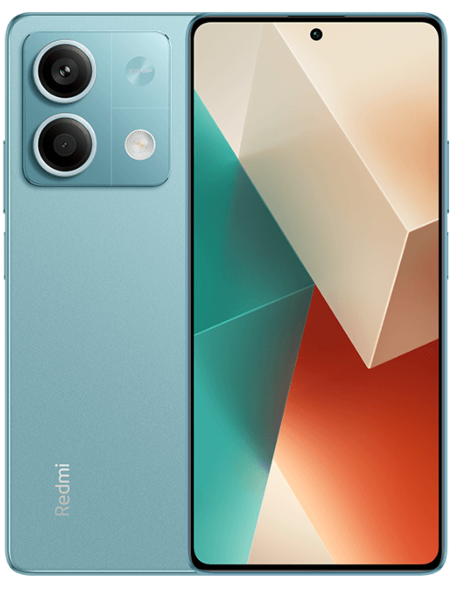
Both TECNO POVA 7 and Redmi Note 13 are priced around $200. However, TECNO offers higher-end hardware like a stronger chipset, bigger battery, and wireless charging at the same cost, giving it more raw value. Redmi Note 13 justifies the same price through its AMOLED display and better cameras.
Verdict: Both are equally priced, but POVA 7 delivers better hardware upgrades, while Redmi Note 13 gives a premium visual and camera experience.
Disclaimer:
Prices are approximate and may vary based on country, region, and applicable taxes.
5. SPECS Comparison
| Feature | TECNO POVA 7 | Redmi Note 13 |
|---|---|---|
| Build & Protection | IP64 dust & splash resistant, LED status light | Gorilla Glass 5 front, IP54 splash resistant |
| Display Type | 6.78″ IPS LCD, 144Hz | 6.67″ AMOLED, 120Hz, 1B colors (region dependent), 1000 nits peak |
| Resolution | 1080 × 2460 (~396 ppi) | 1080 × 2400 (~395 ppi) |
| OS & UI | Android 15, HIOS 15 | Android 13 (upgradeable to 14), HyperOS |
| Chipset | MediaTek Dimensity 7300 Ultimate (4nm) | MediaTek Dimensity 6080 (6nm) |
| CPU | Octa-core (4×2.5 GHz Cortex-A78 & 4×2.0 GHz Cortex-A55) | Octa-core (2×2.4 GHz Cortex-A76 & 6×2.0 GHz Cortex-A55) |
| GPU | Mali-G615 MC2 | Mali-G57 MC2 |
| RAM & Storage | 8GB + 128GB / 8GB + 256GB, microSD support | 6GB + 128GB / 8GB + 128GB / 8GB + 256GB / 12GB + 256GB / 12GB + 512GB, microSD support |
| Main Camera | 50MP (wide), 4K@30fps | 108MP (wide) + 8MP (ultrawide) + 2MP (depth), 1080p@30fps |
| Selfie Camera | 13MP, 1080p video | 16MP, HDR, 1080p video |
| Audio | Stereo speakers, 3.5mm jack, Hi-Res audio | Loudspeaker, 3.5mm jack, Hi-Res audio |
| Connectivity | Wi-Fi 6, Bluetooth, NFC, IR blaster, FM radio | Wi-Fi ac, Bluetooth 5.3, NFC (region dependent), IR blaster |
| Battery | 6000mAh, 45W wired, 30W wireless, 10W reverse wired | 5000mAh, 33W wired |
| Unique Features | Circle to Search, higher IP rating, wireless charging | Gorilla Glass 5, AMOLED with PWM dimming, 108MP camera |
| Price (Approx.) | $200 | $200 |
6. Conclusion
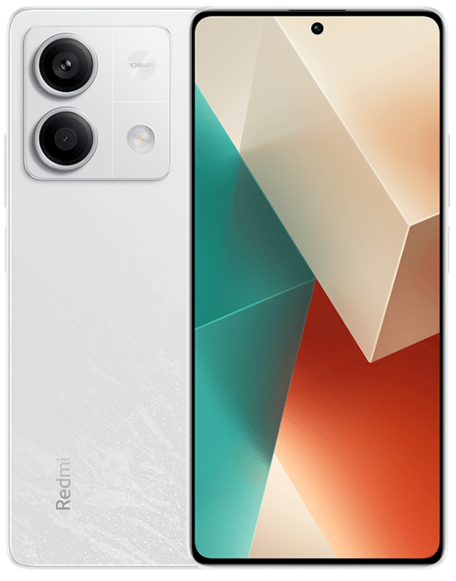
TECNO POVA 7 stands out with its 6000mAh battery, wireless charging, Circle to Search integration, and higher IP rating. Meanwhile, Redmi Note 13 is unique for its AMOLED display with 1B colors, Gorilla Glass 5 protection, and a versatile 108MP triple-camera system.
Verdict:
For power users, gamers, and those prioritizing endurance, the TECNO POVA 7 is the smarter pick. For users who value a premium feel, vibrant AMOLED visuals, and strong camera flexibility, the Redmi Note 13 is the better choice.
Both phones justify their upgrades, but the right option depends on whether battery strength or display and camera quality matter more.
Read More:

Comments