
Add GIZMOCHINA as Preferred Source on Google
Huawei Pura 80 and Vivo X200 Pro are two premium flagships priced around $800, targeting users who expect strong performance, high-end cameras, and long-lasting battery life. Both phones represent the best of their respective ecosystems, but they differ in approach. Huawei leans on its in-house chipset and satellite connectivity, while Vivo pushes hardware upgrades like a massive 200 MP telephoto lens and cutting-edge display brightness. This comparison highlights where each device makes its upgrades count.
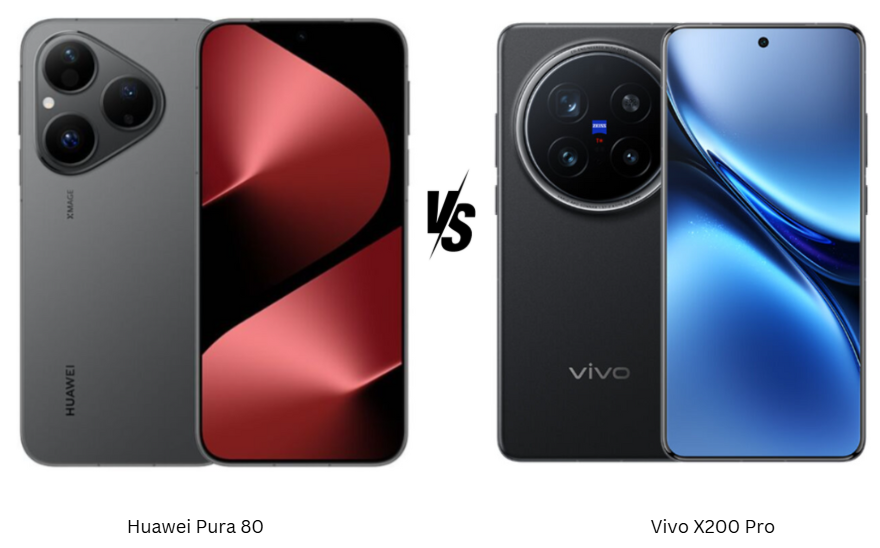
1. Design and display
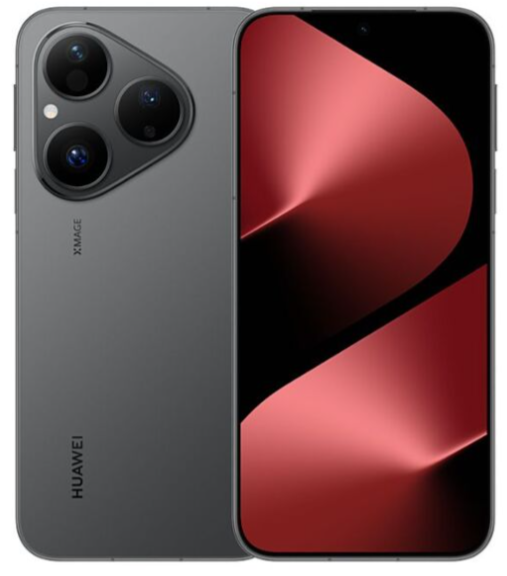
Build and Feel:
Huawei Pura 80 offers a premium aluminum frame with Kunlun Glass 2 for enhanced durability, along with IP68/IP69 water resistance that can withstand immersion up to 2 meters. Vivo X200 Pro also uses a strong aluminum alloy frame with Armor Glass protection, but it supports both glass and fiber back options for a different aesthetic appeal. While both are rugged, Huawei emphasizes extreme protection, whereas Vivo balances durability with design flexibility.
Verdict: Huawei feels more rugged and survival-ready, while Vivo provides a more polished, versatile design.
Display Quality:
Huawei comes with a 6.6-inch LTPO OLED panel, HDR Vivid, and 2800 nits peak brightness, making it excellent for HDR media. Vivo steps up with a larger 6.78-inch LTPO AMOLED screen, HDR10+, Dolby Vision, and a massive 4500 nits peak brightness—one of the brightest panels in the market. The higher PWM dimming (2160Hz vs Huawei’s 1440Hz) also makes Vivo better for eye comfort.
Verdict: Vivo offers a more advanced display, particularly for outdoor visibility and HDR viewing.
Verdict:
Both phones feel durable, but Huawei leans on rugged resistance while Vivo focuses on display innovation. For users prioritizing readability, media consumption, and brightness, Vivo has the edge. Those needing extreme toughness may find Huawei more appealing.
| Preview | Product | |
|---|---|---|

|
Vivo X200 Pro 5G (Cosmos Black, 16GB RAM, 512GB Storage) with No Cost EMI/Additional Exchange Offers | Check Price on Amazon |
Please Note: When you buy something using the links in our articles, we may earn a small commission at no cost to you.
2. Specifications

Performance:
Huawei uses its Kirin 9010s (7 nm), which delivers efficient performance but falls short of modern flagship benchmarks. Vivo counters with the cutting-edge 3 nm Dimensity 9400 chipset, offering faster cores, higher GPU performance (Immortalis-G925), and better AI processing. For gaming, heavy multitasking, and longevity of support, Vivo’s hardware is far more future-proof. Verdict:
Vivo outperforms Huawei in raw power and software support, making it better for demanding users.
Battery and Charging:
Huawei ships with either 5170 mAh or 5600 mAh (China) batteries, paired with 66W wired and 50W wireless charging. Vivo pushes ahead with a larger 6000 mAh battery (global version) and faster 90W wired charging, though its wireless speed is capped at 30W. While Huawei has slightly faster wireless, Vivo’s bigger battery and faster wired charging make it better for long-term endurance.
Verdict: Vivo provides superior stamina and charging flexibility, making it the more reliable choice for heavy users.
Verdict:
Vivo’s stronger chipset and bigger battery make it clearly superior in specifications. Huawei provides balanced charging speeds and satellite messaging, but Vivo wins in future-ready performance and power management.
3. Camera
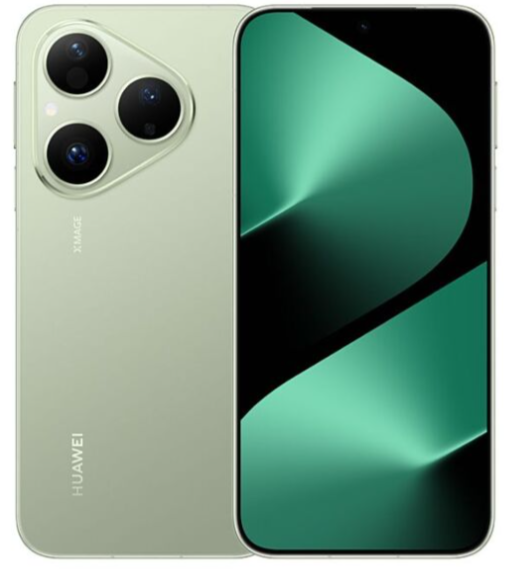
Main and Secondary Lenses:
Huawei features a versatile 50 MP main lens with variable aperture, a 12 MP 5x periscope, and a 13 MP ultrawide. Vivo elevates the competition with a 50 MP main sensor, a massive 200 MP telephoto periscope (3.7x zoom + macro), and a 50 MP ultrawide with autofocus. Huawei offers consistency and good color science, but Vivo’s Zeiss partnership, larger sensor sizes, and 8K recording support give it a professional-grade edge.
Verdict: Vivo dominates in camera versatility and advanced optics.
Selfie Camera:
Huawei provides a 13 MP ultrawide selfie shooter capable of 4K video with gyro-EIS, ideal for group selfies and vlogging. Vivo counters with a 32 MP wide-angle camera with higher detail capture and also supports 4K video at 60fps. While Huawei’s wider field of view is useful, Vivo’s higher resolution and better dynamic range produce sharper selfies. Verdict: Vivo offers a more detailed and flagship-level selfie experience.
Verdict:
Huawei’s cameras are strong, but Vivo’s Zeiss optics, 200 MP telephoto, and higher-end video options make it the superior photography device. For camera enthusiasts, Vivo provides more advanced hardware and features.
4. Pricing
Both the Huawei Pura 80 and Vivo X200 Pro are priced at approximately $800. Considering their equal cost, Vivo provides more value with its superior chipset, display brightness, larger battery, and advanced camera system. Huawei’s appeal lies in its rugged durability, satellite messaging, and balanced wireless charging.
Verdict: Vivo offers stronger upgrades at the same price, but Huawei appeals to those prioritizing durability and satellite features.
Disclaimer:
Prices are approximate and may vary based on country, region, and applicable taxes.
5. Conclusion
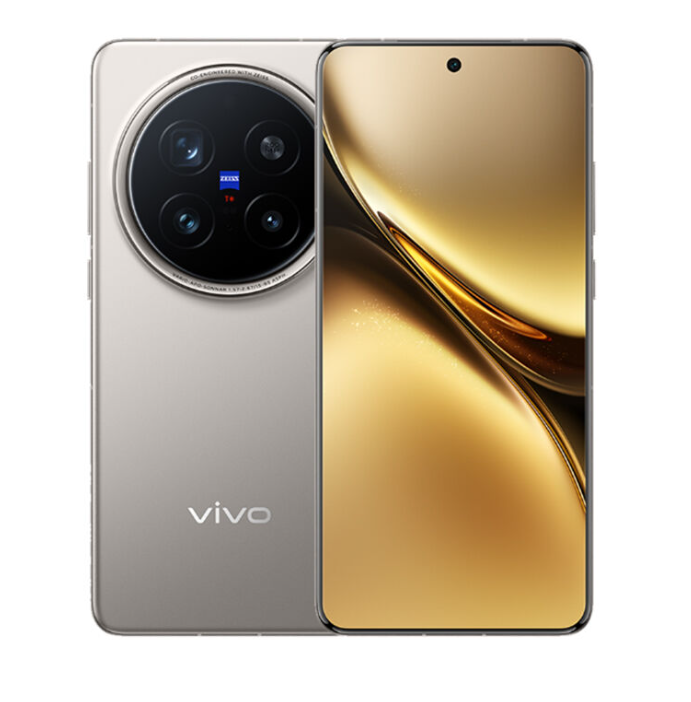
Huawei’s standout features include its IP69 rugged resistance and satellite messaging (China-only), making it attractive for outdoor explorers and users who want extreme reliability. Vivo’s uniqueness lies in its 200 MP telephoto camera, 4500 nits display, and future-ready Dimensity 9400, appealing to power users and mobile photographers.
Verdict:
Both flagships are excellent, but their strengths cater to different needs. The Huawei Pura 80 is better suited for durability-focused users who value satellite communication and balanced design. The Vivo X200 Pro is the more powerful choice, excelling in performance, camera versatility, and display quality.
For most users seeking upgrades in everyday use, Vivo X200 Pro offers more at the same price point.
Read More:

Comments