
Add GIZMOCHINA as Preferred Source on Google
As an Amazon Associate, Gizmochina earns from qualifying purchases. Links on this page may earn us a commission at no extra cost to you.
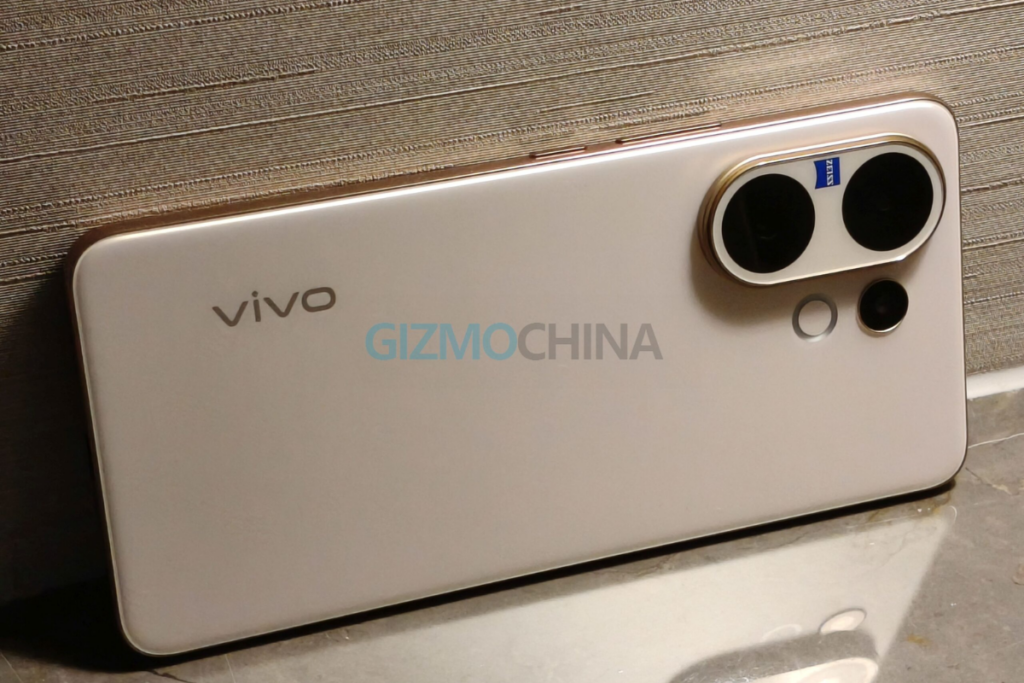
Vivo V60 (full review) arrived last month as a mid-range smartphone packed with impressive features like a bright AMOLED panel, Snapdragon 7 Gen 4 processor, powerful cameras, and a huge 6,500mAh battery — all for a starting price of INR 37,000. It’s an excellent choice for the price, but not the only showstopper in this price segment.
There are several great alternatives to the Vivo V60 from its rivals, including OnePlus, Realme, Samsung, Google, and others. Here are six excellent alternatives that give the Vivo V60 some serious competition.
1. OnePlus 13R
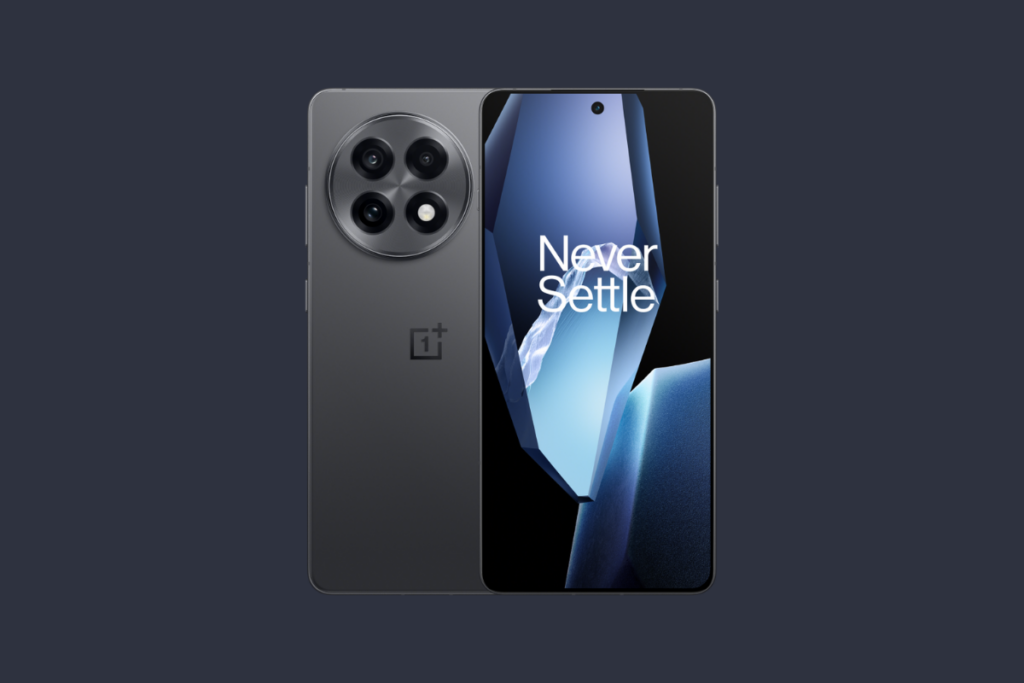
The OnePlus 13R is a strong contender in the premium mid-range segment for many reasons. The primary one is solid performance, thanks to Snapdragon 8 Gen 3. It’s faster and more power-efficient than the Snapdragon 7 Gen 4 inside the Vivo V60, making it better for gaming and multitasking. Both phones have AMOLED screens, but the 13R adds LTPO, Dolby Vision, and HDR Vivid for richer visuals and improved efficiency.
On the back, it features a circular rear camera setup comprising a 50MP main shooter, a 50MP telephoto lens, and an 8MP ultrawide lens. It can record up to 4K videos, while the 16MP selfie camera is limited to 1080p, which can feel a bit underwhelming. The 6,000mAh battery and 80W charging are generous, though Vivo’s bigger 6,500mAh cell and 90W charging still hold the edge.
On the plus side, the OnePlus 13R offers Wi-Fi 7 connectivity, higher peak download and upload speeds, and even Wi-Fi 6e in select markets. A clean and bloat-free software is another reason to pick OnePlus over Vivo.
OnePlus 13R specs:
- Display: 6.78″ LTPO 4.1 AMOLED, 1264 x 2780 pixels, 120Hz refresh rate, HDR10+, Dolby Vision, HDR Vivid, 4500nits (peak)
- Processor: Qualcomm Snapdragon 8 Gen 3 (4nm)
- Software: Android 15, up to four major Android upgrades
- Rear camera: 50MP (wide) + 50MP (telephoto) + 8MP (ultrawide); up to 8K video recording
- Selfie camera: 16MP, up to 1080p video recording
- Battery & charging: 6,000mAh; 80W (wired)
- Connectivity: Wi-Fi 7, Bluetooth 5.4, NFC
| Preview | Product | |
|---|---|---|

|
OnePlus 13R | Smarter with OnePlus AI (12GB RAM, 256GB Storage Nebula Noir) | Check Price on Amazon |
Please Note: When you buy something using the links in our articles, we may earn a small commission at no cost to you.
2. Samsung Galaxy S24
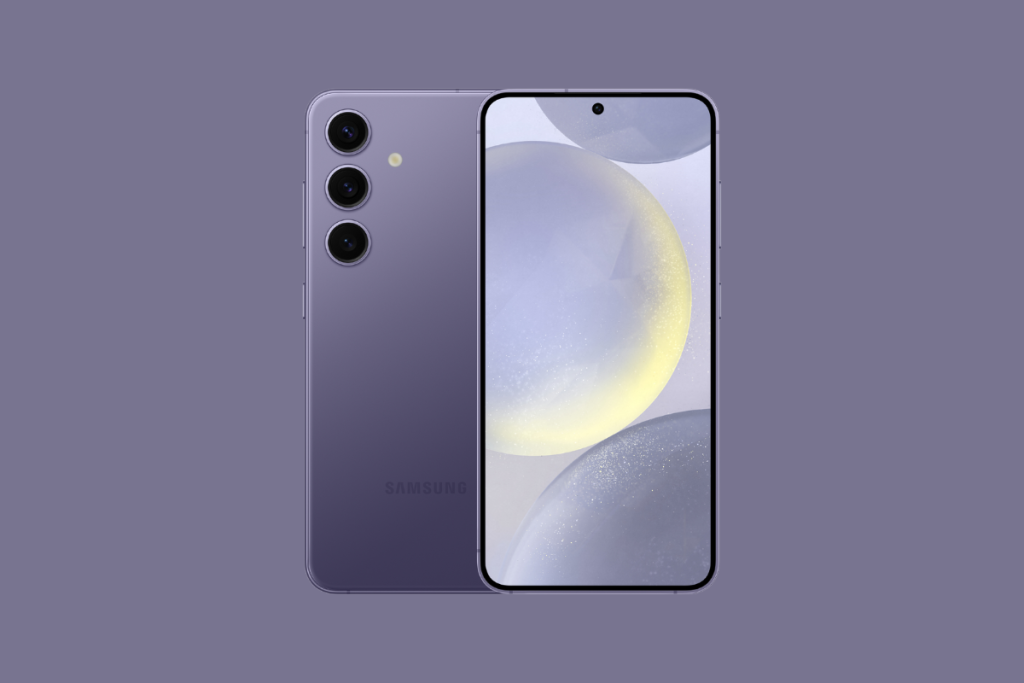
Launched at a starting price of INR 79,999, the flagship-grade Galaxy S24 is now available at a much lower price. It comes in two chip options: Exynos 2400 and Snapdragon 8 Gen 3. The latter offers better gaming performance, but both of them easily outperform the Vivo V60’s 7 Gen 4.
The 6.2-inch LTPO AMOLED display may be smaller, but it delivers excellent colors and smoothness. For cameras, the S24 features a 50MP primary camera, a 10MP telephoto unit, and a 12MP ultrawide shooter, with support for 8K video recording. The 12MP selfie camera can shoot up to 4K videos.
The battery capacity and charging speed are somewhat disappointing, but Samsung compensates for this by offering wireless and reverse wireless charging. The Galaxy S24 also offers solid connectivity features, a more durable body, and an ultrasonic fingerprint sensor for better accuracy.
Samsung Galaxy S24 specs:
- Display: 6.2″ Dynamic LTPO AMOLED 2X, 1080 x 2340 pixels, 120Hz refresh rate, HDR10+, 2600nits (peak)
- Processor: Qualcomm Snapdragon 8 Gen 3 (4nm) – version 1, Samsung Exynos 2400 (4nm) – version 2
- Software: Android 14, up to seven major Android upgrades
- Rear camera: 50MP (wide) + 10MP (telephoto) + 12MP (ultrawide); up to 8K video recording
- Selfie camera: 12MP, up to 4K video recording
- Battery & charging: 4,000mAh; 25W (wired), 15W (wireless), 4.5W (reverse wireless)
- Connectivity: Wi-Fi 6e, Bluetooth 5.3, NFC
| Preview | Product | |
|---|---|---|

|
Samsung Galaxy S24 5G AI Smartphone (Cobalt Violet, 8GB, 256GB Storage) | Check Price on Amazon |
Please Note: When you buy something using the links in our articles, we may earn a small commission at no cost to you.
3. Google Pixel 8 Pro

The Pixel 8 Pro delivers big on camera and software. It features a horizontal camera bar that holds a 50MP primary sensor, a 48MP periscope telephoto unit, and a 48MP ultrawide camera, all capable of 4K recording. In addition to high-resolution sensors, there’s software magic from Google that further enhances images and videos. There’s a 10.5MP selfie camera, which also supports 4K recording.
Software is another great aspect of Pixel phones. You get a clean UI, the fastest OS updates, and up to seven years of software updates and security patches. In comparison, the Vivo V60 has some bloatware and only promises four major OS updates.
The main trade-off is the 5,050mAh battery with 30W wired charging, which doesn’t quite match Vivo’s. However, it does offer 23W wireless and reverse wireless charging, along with a tougher build and the latest connectivity standards.
Google Pixel 8 Pro specs:
- Display: 6.7″ LTPO OLED, 1344 x 2992 pixels, 120Hz refresh rate, HDR10+, 2400nits (peak)
- Processor: Google Tensor G3 (4nm)
- Software: Android 14, up to seven major Android upgrades
- Rear camera: 50MP (wide) + 48MP (periscope telephoto) + 48MP (ultrawide); up to 4K video recording
- Selfie camera: 10.5MP, up to 4K video recording
- Battery & charging: 5,050mAh; 30W (wired), 23W (wireless), (reverse wireless)
- Connectivity: Wi-Fi 7, Bluetooth 5.3, NFC
| Preview | Product | |
|---|---|---|

|
Google Pixel 8 Pro (Obsidian, 128 GB &12 GB RAM | Check Price on Amazon |
Please Note: When you buy something using the links in our articles, we may earn a small commission at no cost to you.
4. Realme GT 7 Pro
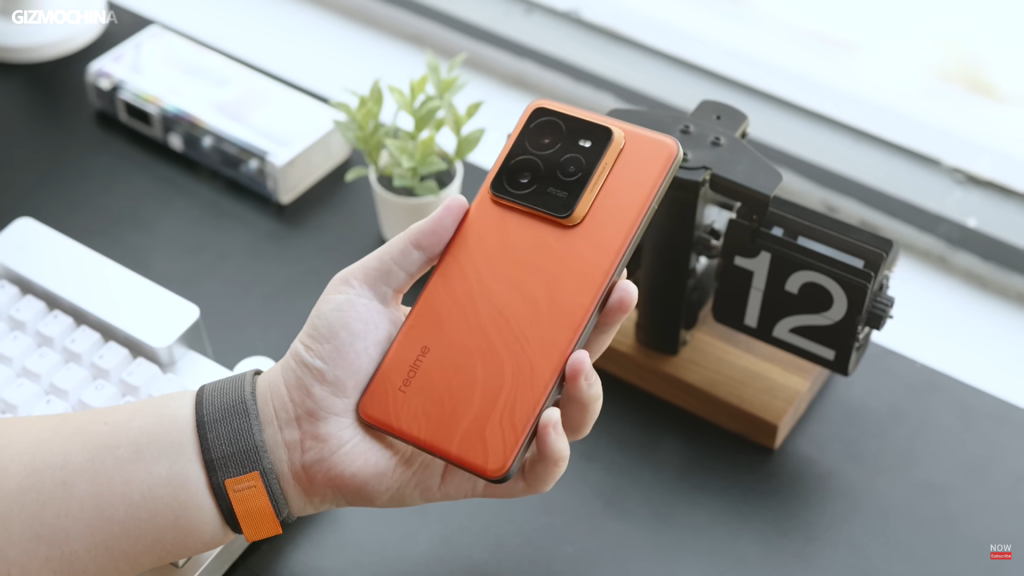
If raw performance is your priority, the Realme GT 7 Pro (full review) is tough to beat. It rocks the Snapdragon 8 Elite, which easily outclasses the Snapdragon 7 Gen 4 in the V60. The display is nearly the same size but features higher resolution, LTPO technology, and an incredible 6,500 nits peak brightness.
The rear setup includes a 50MP primary camera, a 50MP telephoto camera, and an 8MP ultrawide lens, with support for 8K recording. The 16MP selfie camera, limited to 1080p video, is the only weak spot here.
The global model matches the Vivo V60 in battery size, while the Indian version comes with a slightly smaller battery but superior 120W wired charging. The GT 7 Pro also benefits from Wi-Fi 7, an ultrasonic fingerprint sensor, and better durability.
Realme GT 7 Pro specs:
- Display: 6.78″ LTPO AMOLED, 1264 x 2780 pixels resolution, 120Hz refresh rate, HDR10+, Dolby Vision, 6500nits (HBM)
- Processor: Qualcomm Snapdragon 8 Elite (3nm)
- Software: Android 15, up to three major Android upgrades
- Rear camera: 50MP (wide) + 50MP (telephoto) + 8MP (ultrawide); up to 8K video recording
- Selfie camera: 16MP; up to 1080p video recording
- Battery & charging: 6500mAh (Global), 5800mAh (India); 120W (wired)
- Connectivity: Wi-Fi 7, Bluetooth 5.4, NFC
| Preview | Product | |
|---|---|---|

|
realme GT 7 Pro (Galaxy Grey,12GB+256GB) | India’s First Snapdragon 8 Elite Processor | 3X Periscope… | Check Price on Amazon |
Please Note: When you buy something using the links in our articles, we may earn a small commission at no cost to you.
5. Oppo Reno 14 Pro

It’s another excellent addition to the list, featuring triple 50MP rear cameras — wide, periscope telephoto, and ultrawide — with support for 4K video recording. The selfie camera is also 50MP and supports 4K recording.
The Reno 14 Pro has the Dimensity 8450 chip under the hood, which is faster and more power-efficient than the Vivo V60’s Snapdragon 7 Gen 4. It features a slightly larger AMOLED screen with a higher pixel density.
Where it falls is the battery size, but at 6,200mAh and 80W, it’s still ahead of most rivals in this price segment. But the Reno 14 Pro supports 50W wireless charging and Wi-Fi 6e, both of which are lacking on the Vivo V60.
Oppo Reno 14 Pro specs:
- Display: 6.83″ AMOLED, 1272 x 2800 pixels, 120Hz refresh rate, HDR10+, 4500nits (peak)
- Processor: MediaTek Dimensity 8450 (4nm)
- Software: Android 15, up to five major Android upgrades
- Rear camera: 50MP (wide) + 50MP (periscope telephoto) + 50MP (ultrawide); up to 4K video recording
- Selfie camera: 50MP; up to 4K video recording
- Battery & charging: 6,200mAh; 80W (wired), 50W (wireless)
- Connectivity: Wi-Fi 6e, Bluetooth 5.4, NFC

Please Note: When you buy something using the links in our articles, we may earn a small commission at no cost to you.
Which one of these is the best alternatives to Vivo V60 in your opinion? Share your thoughts in the comments below.


Comments