
Add GIZMOCHINA as Preferred Source on Google

Samsung Galaxy S25 FE and Google Pixel 10 represent two compelling choices in the premium mid-tier segment. Both devices aim to balance flagship-level performance with a more accessible price point. This comparison is important because while Samsung emphasizes versatility, multimedia, and ecosystem integration, Google focuses on AI-driven experiences and advanced computational photography. Understanding how these phones differ helps determine which one offers better value depending on user priorities.
1. Design and Display
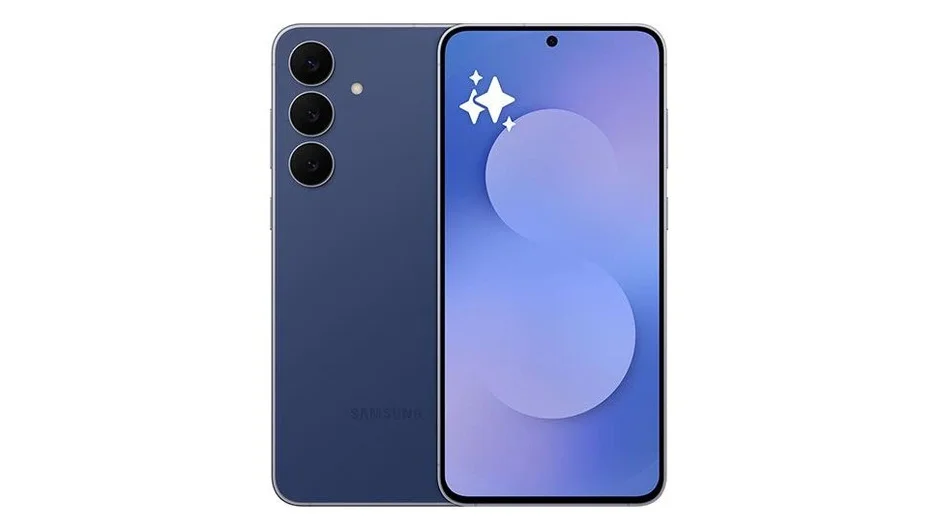
Build and Feel
The Galaxy S25 FE uses Gorilla Glass Victus+ on both front and back, paired with an enhanced armor aluminum frame. This makes it highly durable, while still offering a premium glass-and-metal design. The Pixel 10 opts for Gorilla Glass Victus 2 and an aluminum frame, which provides improved drop resistance but slightly less scratch protection than Samsung’s Victus+. Samsung also offers more SIM flexibility with multiple dual-SIM combinations, while Google emphasizes eSIM integration with satellite SOS for added safety.
Verdict: The Galaxy S25 FE feels more versatile and robust, though the Pixel 10 edges ahead for emergency-ready features.
Display Quality
Samsung equips the S25 FE with a 6.7-inch LTPO AMOLED 2X panel supporting 120Hz refresh rate, HDR10+, and 1900 nits peak brightness. Google’s Pixel 10 has a smaller 6.3-inch OLED with 120Hz and HDR10+, but offers higher resolution density and up to 3000 nits peak brightness. This makes the Pixel 10 better for outdoor visibility and sharper visuals. However, Samsung’s LTPO technology improves efficiency with adaptive refresh rates.
Verdict: The Pixel 10 wins for brightness and clarity, but the Galaxy S25 FE delivers smoother efficiency for extended use.
Verdict
Samsung prioritizes durability and adaptive visuals, while Google delivers higher brightness and resolution density. For users valuing outdoor readability and compactness, the Pixel 10 is better. For those seeking toughness and efficiency, the Galaxy S25 FE holds the edge.
2. Specifications
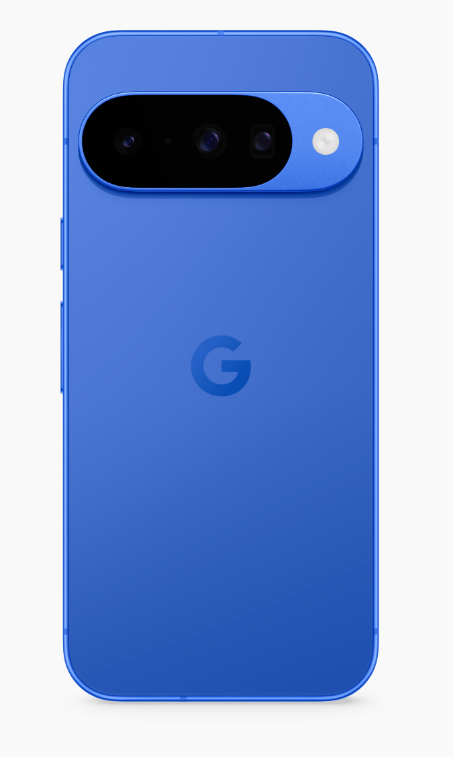
Performance
The Galaxy S25 FE runs on the Exynos 2400, featuring a 10-core CPU and Xclipse 940 GPU. It provides strong multitasking, backed by One UI optimizations. The Pixel 10 uses Google’s Tensor G5, built on a 3nm process, with a focus on AI and machine learning workloads. While Samsung’s hardware may be stronger in raw performance, Google’s chipset is better optimized for AI-driven features like real-time translation and image enhancements.
Verdict: The Pixel 10 stands out for AI tasks, while the Galaxy S25 FE offers slightly broader raw performance consistency.
Battery and Charging
Samsung equips the S25 FE with a 4900 mAh cell, supporting 45W wired charging, 15W wireless, and reverse wireless. Google’s Pixel 10 carries a slightly larger 4970 mAh battery with 30W wired charging, 15W wireless, reverse wired, and bypass charging. Samsung charges faster, reaching 65% in 30 minutes, while Google’s bypass charging protects battery health.
Verdict: The Galaxy S25 FE excels in charging speed, while the Pixel 10 provides better long-term battery health tools.
Verdict
Samsung delivers higher charging speeds and versatile reverse wireless support, ideal for fast top-ups. Google focuses on efficiency and sustainability with bypass charging and stronger AI battery management. Both balance well, but the Galaxy S25 FE is more appealing for heavy, on-the-go users.
3. Camera
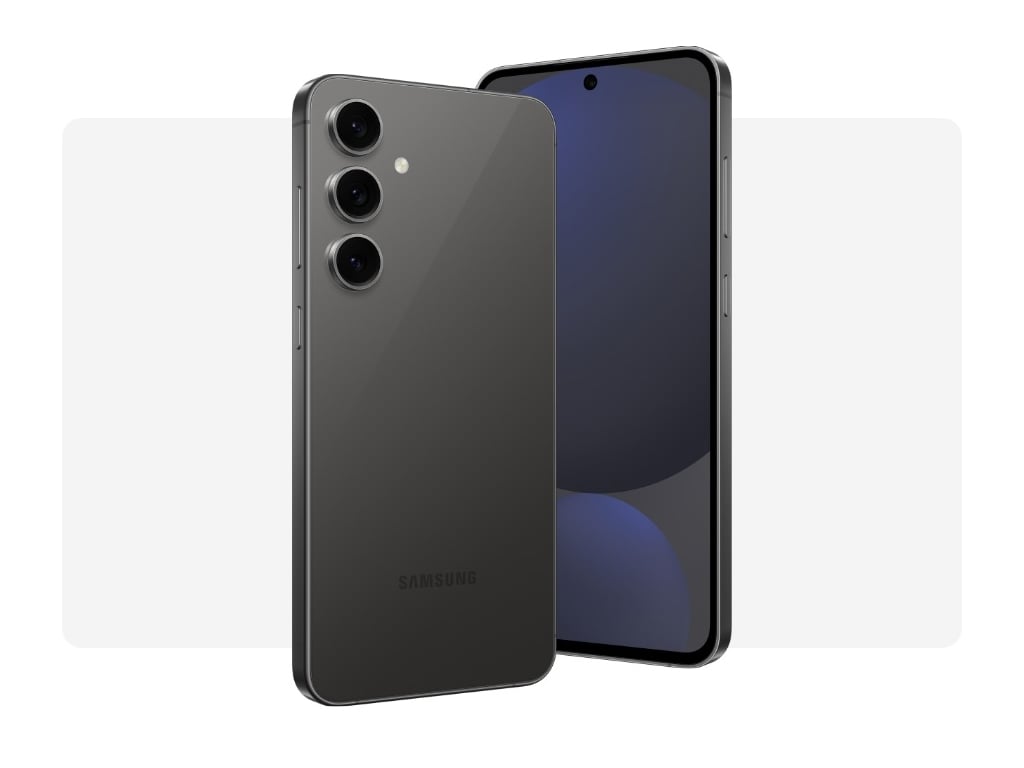
Main and Secondary Lenses
The Galaxy S25 FE offers a triple-camera system with a 50MP wide, 8MP telephoto with 3x zoom, and a 12MP ultrawide. It supports 8K video recording and advanced stabilization. The Pixel 10 has a 48MP wide, 10.8MP telephoto with 5x optical zoom, and a 13MP ultrawide. Google’s strength lies in software, adding Pixel Shift, Ultra-HDR, and Best Take for computational improvements.
Verdict: The Pixel 10 wins for zoom capability and AI enhancements, while the Galaxy S25 FE appeals to users needing higher-resolution video recording.
Selfie Camera
Samsung uses a 12MP front camera with 4K recording support at up to 60fps. The Pixel 10 features a 10.5MP ultrawide selfie camera with PDAF, offering broader framing for group selfies and sharp focus. Google emphasizes versatility with HDR and panorama features, while Samsung focuses on crisp detail and smooth video.
Verdict: The Pixel 10 is better suited for content creators and group selfies, while the Galaxy S25 FE provides steadier video capture.
Verdict
Overall, Google’s Pixel 10 leads in photography thanks to its software-driven enhancements and superior zoom. Samsung’s Galaxy S25 FE remains competitive for users prioritizing video resolution and balanced lens versatility.
4. Pricing
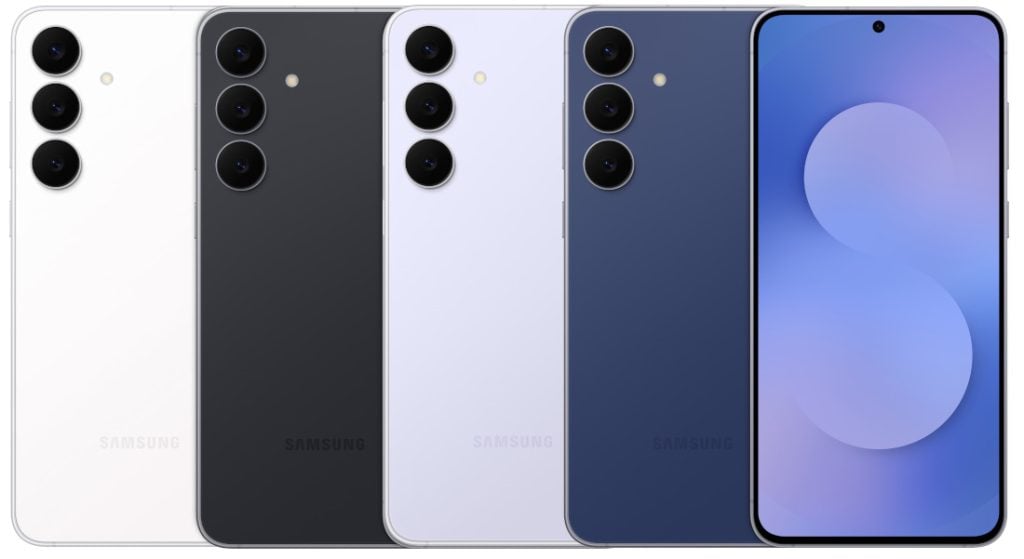
The Galaxy S25 FE is priced around $700, while the Pixel 10 costs approximately $800. For $100 less, Samsung offers a larger display, faster charging, and higher video resolution. However, Google justifies its higher price with superior brightness, AI-focused performance, and advanced photography features.
Verdict: The Galaxy S25 FE provides better value for budget-conscious buyers, while the Pixel 10 earns its premium through smarter AI integration and advanced imaging.
Disclaimer:
Prices are approximate and may vary based on country, region, and applicable taxes.
5. Conclusion
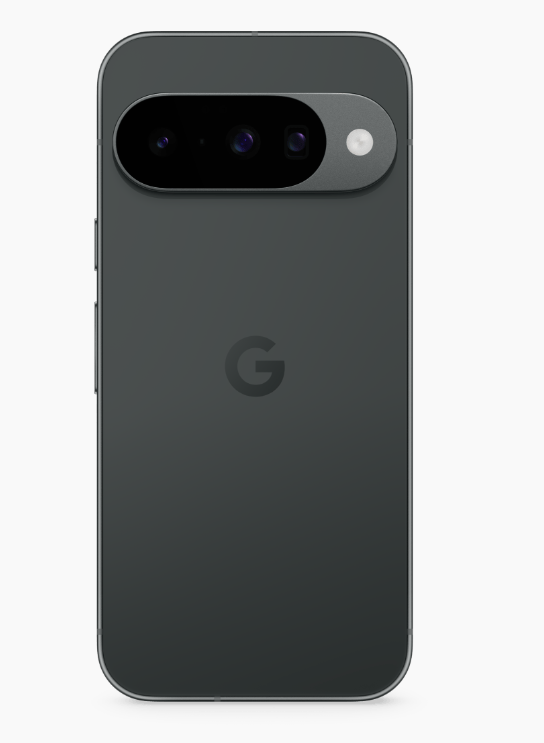
The Galaxy S25 FE distinguishes itself with Samsung DeX support, 8K video, faster charging, and broader SIM flexibility. On the other hand, the Pixel 10 brings satellite SOS service, stronger AI capabilities with Tensor G5, Ultra-HDR photography, and bypass charging. Each device includes Circle to Search and long-term Android update promises, ensuring extended software relevance.
Verdict
The Galaxy S25 FE is best for users who prioritize value, charging speed, larger display efficiency, and productivity tools like DeX. The Pixel 10 suits those who want cutting-edge AI, advanced photography, brighter screens, and emergency-ready features. Both phones shine in their own areas, making the final choice dependent on whether efficiency or intelligence is more important.
Read More:

Comments