
Add GIZMOCHINA as Preferred Source on Google
Xiaomi 15T and Samsung Galaxy S25 FE represent two of the most competitive upper mid-range flagships of 2025. Both phones aim to balance premium features with more accessible pricing, making them key options for users who want high performance and flagship-level design without stretching into the Ultra tier. This comparison highlights their unique strengths, helping buyers choose between Xiaomi’s feature-rich offering and Samsung’s polished ecosystem advantage.
1. Design and display
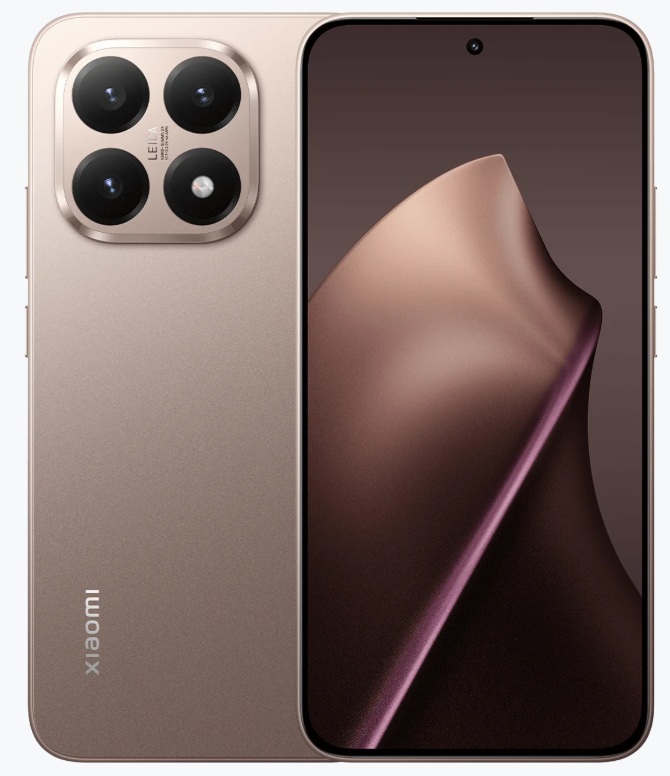
Build and Feel:
Xiaomi 15T uses a glass fiber back and plastic frame, while Samsung opts for a sturdier Gorilla Glass Victus+ back with an armor aluminum frame. Xiaomi emphasizes lightness and durability, but Samsung delivers a more premium, robust build. The S25 FE also has enhanced frame protection, which adds confidence for long-term use.
Verdict: Samsung feels more premium in the hand, making it the stronger option in build quality.
Display Quality:
Xiaomi leads with a massive 6.83-inch AMOLED panel, pushing 3200 nits peak brightness, Dolby Vision, HDR10+, and finer resolution at 447 ppi. Samsung’s 6.7-inch LTPO AMOLED 2X peaks at 1900 nits with HDR10+, but it is slightly less sharp at 385 ppi. Xiaomi also offers advanced PWM dimming at 3840Hz for eye comfort.
Verdict: Xiaomi’s brighter, sharper, and more advanced display makes it the superior choice for media and gaming.
Verdict:
Samsung wins on build strength, while Xiaomi dominates in display innovation. Users valuing durability should lean toward Samsung, while entertainment-heavy users will benefit more from Xiaomi’s superior panel.
2. Specifications
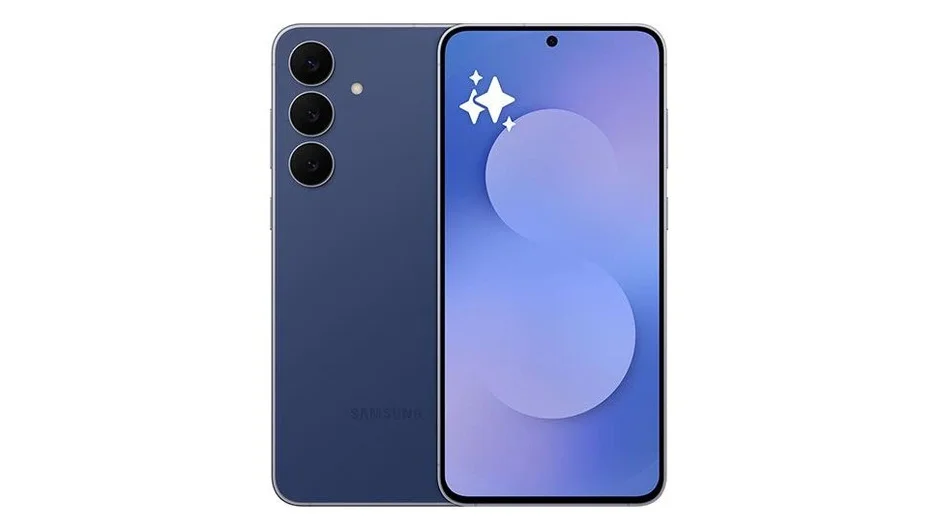
Performance:
Xiaomi 15T runs on the Dimensity 8400 Ultra, while the Galaxy S25 FE features the Exynos 2400 with Xclipse GPU. Samsung offers stronger graphics performance and better long-term support with up to seven major Android upgrades, making it a future-proof choice. Xiaomi, though efficient, trails in raw GPU power and software longevity.
Verdict: Samsung provides the better overall performance and future support.
Battery and Charging:
Xiaomi equips a large 5500 mAh cell with 67W wired charging, achieving a full charge in about 50 minutes. Samsung’s 4900 mAh battery charges at 45W wired and adds 15W wireless plus reverse wireless charging. Xiaomi offers more capacity and faster full charging, but Samsung wins in versatility with wireless and reverse charging.
Verdict: Xiaomi excels in endurance, while Samsung offers more flexible charging options.
Verdict:
Samsung is stronger for long-term performance and support, while Xiaomi delivers better endurance and charging speed. Choice depends on whether battery longevity or performance sustainability matters more.
3. Camera
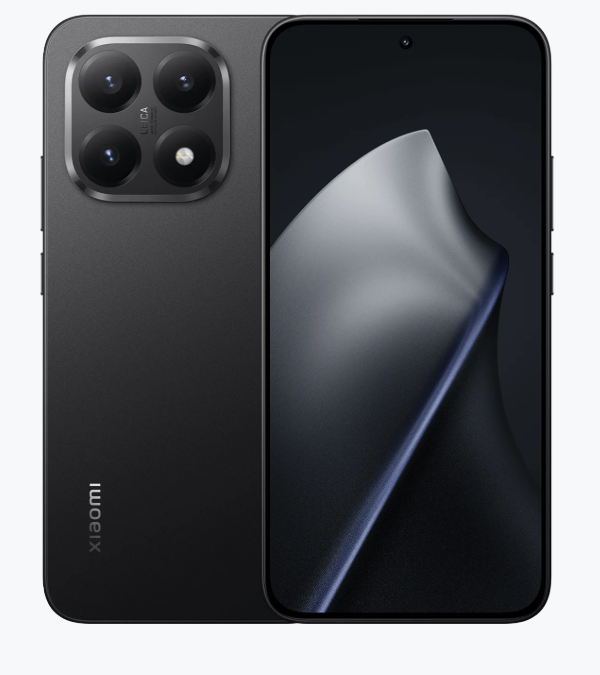
Main and Secondary Lenses:
Xiaomi features a 50 MP wide, 50 MP 2x telephoto, and 12 MP ultrawide, enhanced by Leica optics and a color spectrum sensor. Samsung offers a 50 MP wide, 8 MP 3x telephoto, and 12 MP ultrawide. Samsung’s telephoto provides true 3x zoom, while Xiaomi’s Leica collaboration elevates detail, color science, and overall image depth.
Verdict: Xiaomi’s Leica lenses make it more appealing for photography enthusiasts, though Samsung’s 3x zoom is sharper at a distance.
Selfie Camera:
Xiaomi 15T comes with a 32 MP front sensor supporting 4K HDR10+ video, compared to Samsung’s 12 MP selfie with 4K at 60 fps. Xiaomi provides sharper details and higher dynamic range, especially in low light. Samsung focuses more on stability and color accuracy.
Verdict: Xiaomi’s higher-resolution selfies edge out Samsung’s front camera.
Verdict:
Xiaomi leads in overall photography versatility and detail, while Samsung holds its own with optical zoom precision. For general users, Xiaomi’s cameras deliver more standout results.
4. Pricing
Xiaomi 15T is priced around $760, while the Galaxy S25 FE comes in at approximately $700. Samsung offers a more affordable option with flagship-level durability, software support, and balanced performance. Xiaomi justifies its slightly higher cost with a superior display, larger battery, and Leica-enhanced cameras.
Verdict: Samsung provides better value for budget-conscious buyers, while Xiaomi offers worthwhile upgrades for those willing to spend more.
Disclaimer:
Prices are approximate and may vary based on country, region, and applicable taxes.
5. Specs Comparison
| Feature | Xiaomi 15T | Samsung Galaxy S25 FE |
|---|---|---|
| Build | Glass front (Gorilla Glass 7i), plastic frame, glass fiber back | Glass front & back (Gorilla Glass Victus+), aluminum frame |
| Water Resistance | IP68 (up to 3m for 30 min) | IP68 (up to 1.5m for 30 min), enhanced armor aluminum |
| Display | 6.83″ AMOLED, 120Hz, Dolby Vision, HDR10+, 3200 nits peak, 3840Hz PWM | 6.7″ Dynamic LTPO AMOLED 2X, 120Hz, HDR10+, 1900 nits peak |
| Resolution | 2772 × 1280 (~447 ppi) | 2340 × 1080 (~385 ppi) |
| OS | Android 15, HyperOS 2 | Android 16, One UI 8, 7 major upgrades |
| Chipset | MediaTek Dimensity 8400 Ultra (4 nm) | Exynos 2400 (4 nm) |
| CPU | Octa-core (3.25GHz Cortex-A725 peak) | 10-core (3.2GHz Cortex-X4 peak) |
| GPU | Mali-G720 MC7 | Xclipse 940 |
| Storage / RAM | 256GB/12GB, 512GB/12GB (UFS 4.1) | 128GB/8GB, 256GB/8GB, 512GB/8GB |
| Main Camera | 50 MP wide (OIS) + 50 MP telephoto 2x + 12 MP ultrawide | 50 MP wide (OIS) + 8 MP telephoto 3x + 12 MP ultrawide |
| Video (rear) | 4K@60fps, 1080p@960fps, HDR10+ | 8K@30fps, 4K@120fps, HDR |
| Selfie Camera | 32 MP, 4K@30fps, HDR10+ | 12 MP, 4K@60fps, HDR |
| Audio | Stereo speakers with Dolby Atmos, Hi-Res audio | Stereo speakers |
| Connectivity | Wi-Fi 6e, BT 6.0, NFC, IR Blaster, USB-C 2.0 | Wi-Fi 6e/tri-band, BT 5.4, NFC, USB-C 3.2, Samsung DeX |
| Battery | 5500 mAh, 67W wired (100% in 50 min) | 4900 mAh, 45W wired (65% in 30 min), 15W wireless, reverse wireless |
6. Conclusion
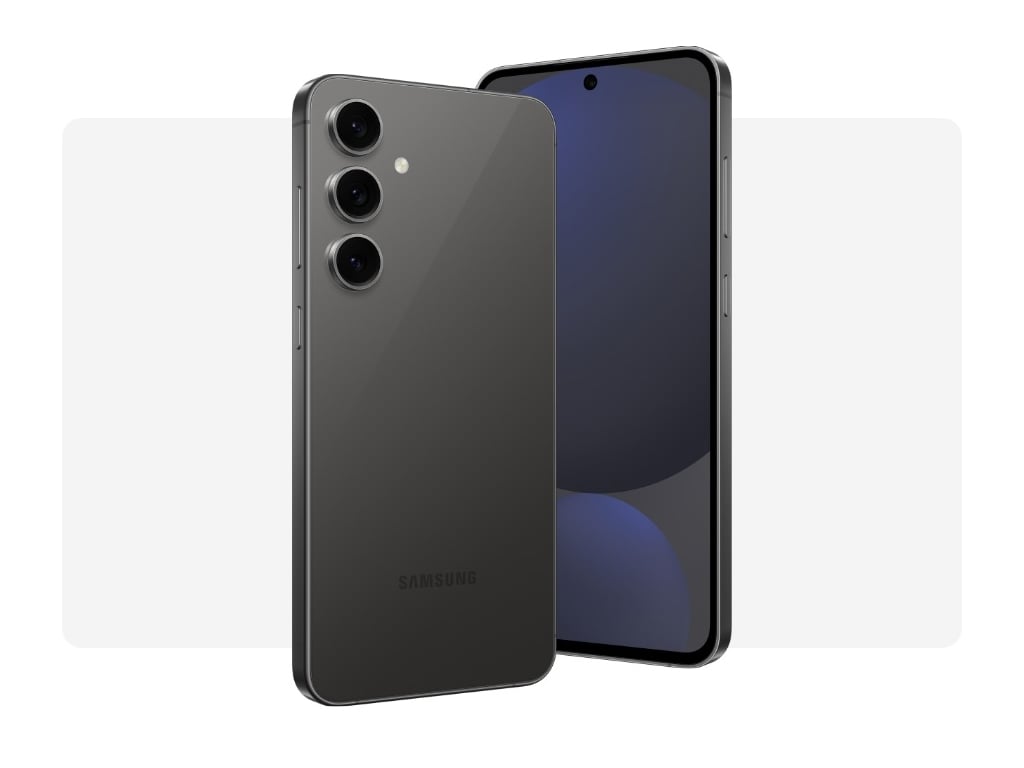
Xiaomi 15T shines with its Leica camera partnership, 5500 mAh battery, blazing-fast charging, and ultra-bright AMOLED display with 3840Hz PWM. The Galaxy S25 FE counters with longer software support, a sturdier build, wireless charging, Samsung DeX, and stronger GPU performance.
Verdict:
Buyers who prioritize multimedia, photography, and battery endurance will find the Xiaomi 15T more rewarding. Meanwhile, those seeking durability, future-proof updates, and wireless ecosystem advantages should opt for the Galaxy S25 FE.
Both phones are competitive, but the decision hinges on whether a premium display and camera experience (Xiaomi) or long-term ecosystem reliability (Samsung) is more important.
Read More:

Comments