Add GIZMOCHINA as Preferred Source on Google
In an era where smartphones keep getting larger, both flip phones and compact smartphones have carved out a niche for users who prefer easier-to-hold devices. But since these two kinds of smartphones have their own spin on portability, which one is better? There are advantages on both sides, so let’s take a closer look at what sets them apart.
1. Design and Portability
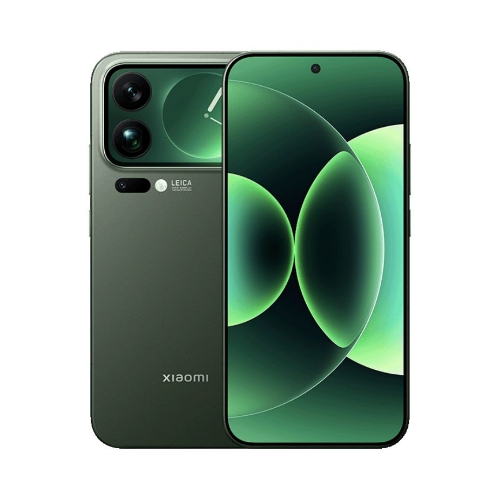
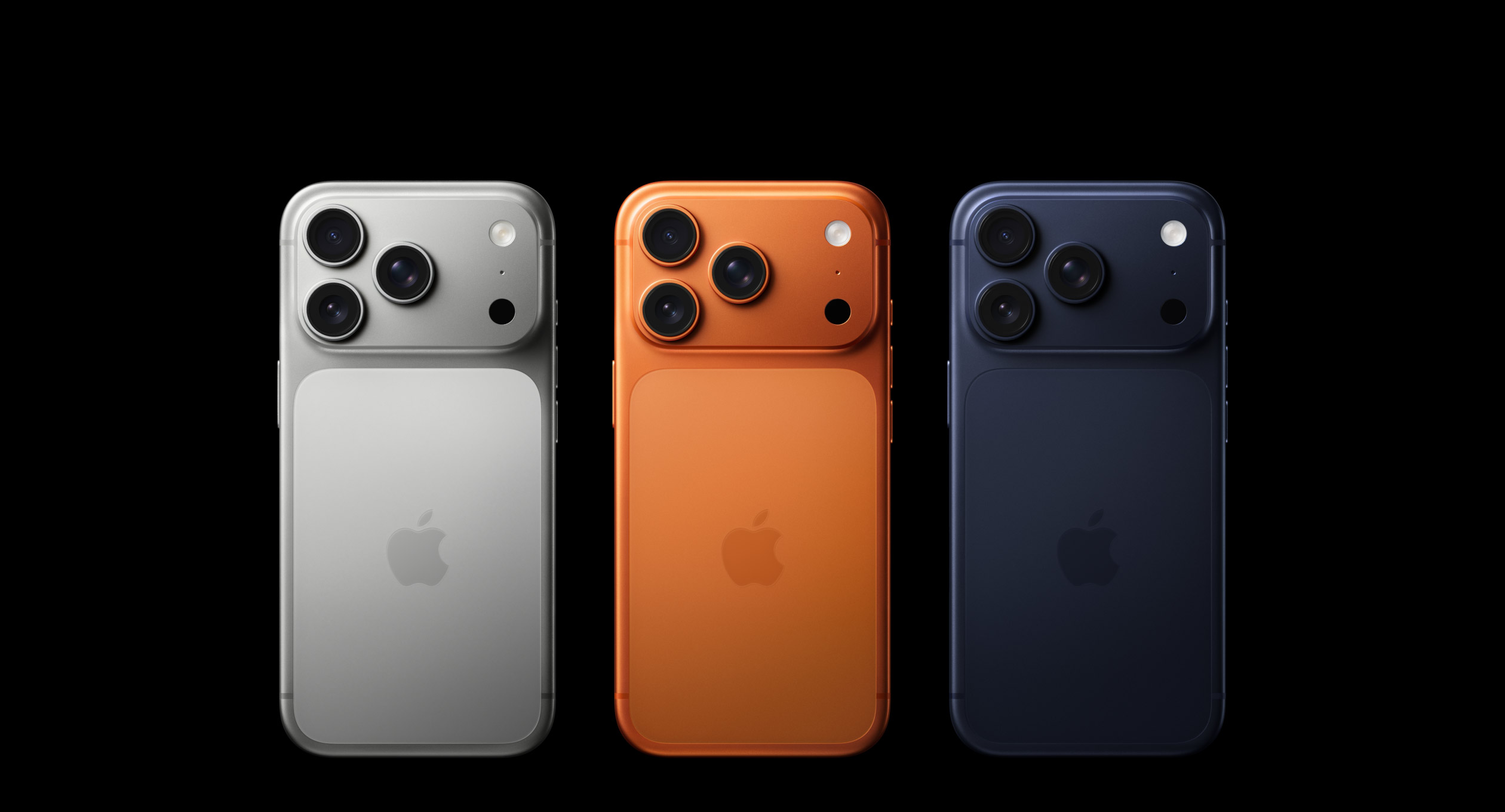
Compact smartphones like the Xiaomi 17 Pro and iPhone 17 Pro focus on delivering high end performance in a smaller form factor. While typical flagship phones often sport bright, tall displays with high resolution, these devices have a more modest size that makes them fit your hands better. They’re designed for one-handed use, easy pocketability, and straightforward reliability. Since these have a conventional smartphone design, one doesn’t need to worry about the hinge mechanism or a weaker foldable screen.
Flip phones, on the other hand, deliver a nostalgic yet futuristic experience. Devices like the Samsung Galaxy Z Flip 7 and Motorola Razr 60 Ultra combine modern hardware with the fun of snapping a phone shut. When folded, these models are even more compact than small-screen smartphones. However, the hinge design introduces long-term durability concerns, especially since you miss out on a dustproof design. While newer models are more robust, they still don’t match the reliability of a traditional phone.
2. Display and Durability

One of the biggest differences between flip phones and compact smartphones lies in their displays. Flip phones feature flexible AMOLED screens that fold in half, allowing for a larger display when opened. In the folded state, it easily takes up less space in your pockets, but unfurling it offers you a display size that is typically around 6.8 inches or longer. So you technically get the best of both worlds with portability and larger screen real estate. This gives flip phones a clear edge in immersive media consumption and multitasking.
Unfortunately, flexible screens are more prone to wear and tear. The crease in the middle is still visible on most foldables, and protective layers don’t offer the same durability as glass panels. Compact smartphones, in contrast, feature sturdier Gorilla Glass protection and are generally more resilient to accidental drops. If longevity and peace of mind are your priorities, compact devices still take the win here.
3. Performance and Battery Life
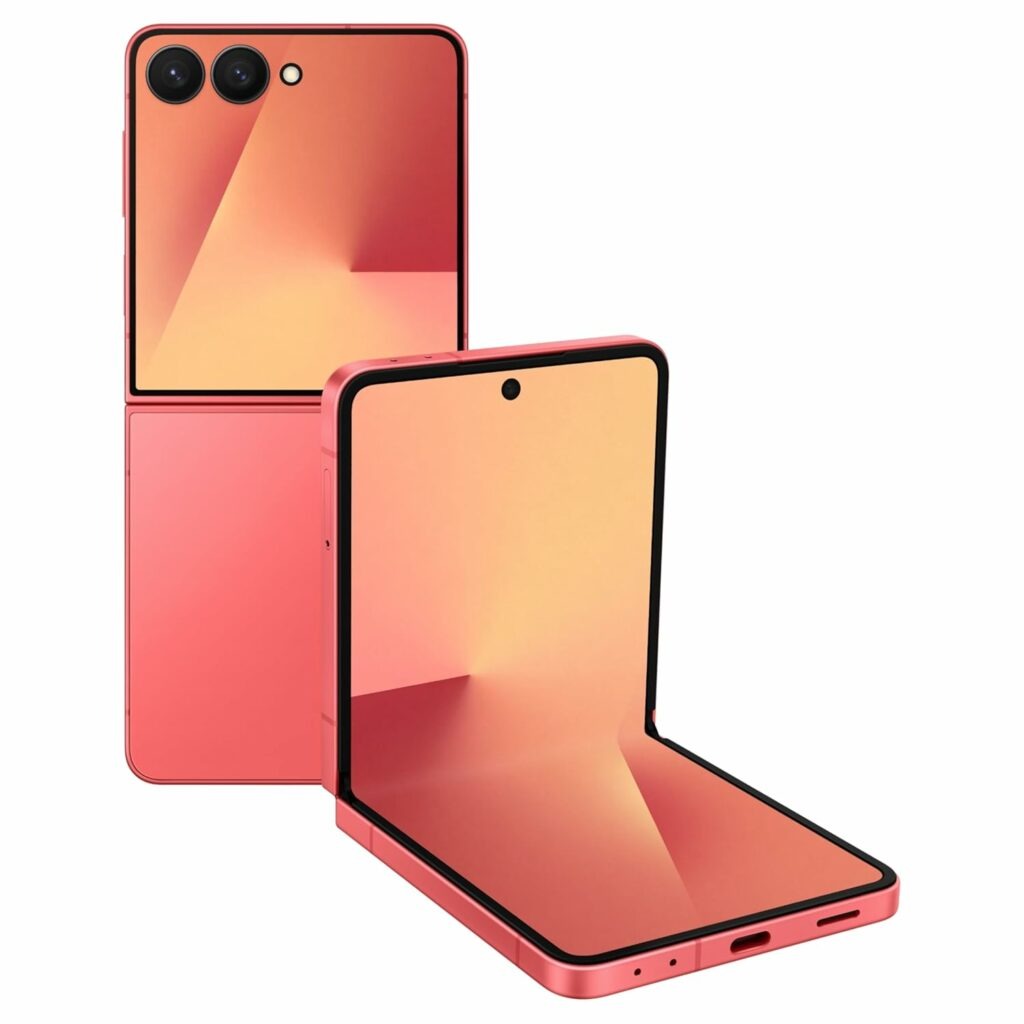
When it comes to performance, both categories are now evenly matched. Most flip phones, such as those from Samsung and Motorola, pack high-end chips like the Snapdragon 8 Elite, the same ones powering compact flagships. You’ll get a smooth multitasking and gaming experience on both.
Although, battery life tends to favor compact smartphones. Flip phones have to make room for hinges and folding mechanisms, leaving less space for large batteries. Compact phones, though smaller, often feature better-optimized designs that support larger battery cells and faster charging speeds. For heavy users, that could make all the difference in daily convenience.
4. Pricing & Verdict
Flip phones are still significantly more expensive than compact smartphones, even though they share similar specs. The cost of foldable display technology and the complex hinge mechanism drives up pricing. For example, the Galaxy Z Flip 7 costs hundreds of dollars more than the Galaxy S25 despite having similar hardware. Meanwhile, compact smartphones remain a safer bet for those seeking flagship features without premium foldable pricing.
So if you want a smartphone that’s sleek, practical, and reliable, compact smartphones still offer the best value. But if you’re someone who values innovation, design flair, and a touch of nostalgia, flip phones are an exciting option that stands out from the crowd.
For more daily updates, please visit our News Section.
Don’t miss a thing! Join our Telegram community for instant updates and grab our free daily newsletter for the best tech stories!