
Add GIZMOCHINA as Preferred Source on Google
TCL set the stage for a major technological leap at the 2025 Global Technology Innovation Conference (TIC) held in Guangzhou, China. With the theme “AI for Real,” the 12th annual gathering focused on turning artificial intelligence into practical solutions that deliver measurable benefits. Researchers, industry experts, and global partners explored how AI can reshape manufacturing, consumer electronics, and green innovation. TCL highlighted its goal of creating AI that brings economic value, enhances daily life, and supports a sustainable future.
Practical AI Adoption
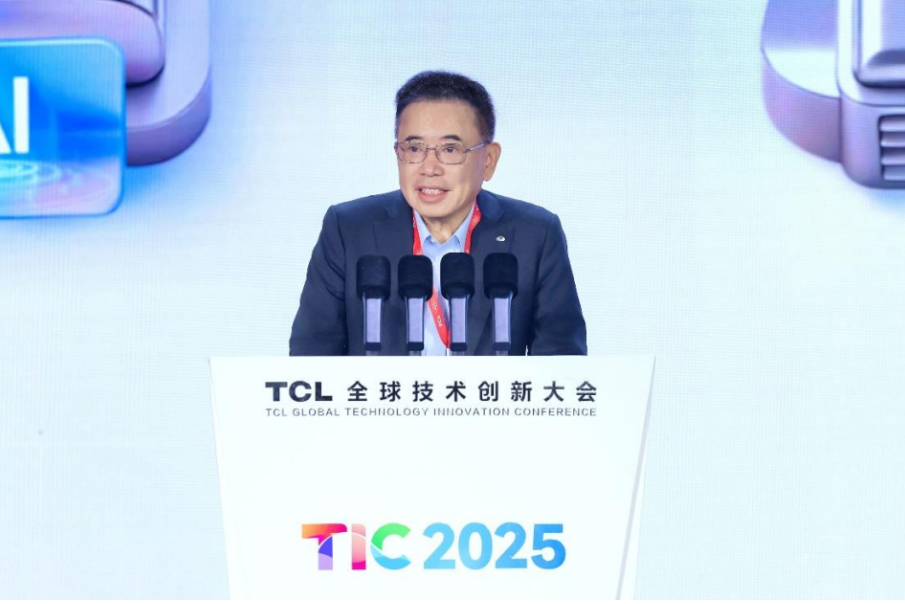
TCL Founder and Chairman Li Dongsheng stressed that AI must produce real, tangible value across industries. He shared that TCL’s AI solutions are expected to generate more than US$140 million in economic benefits in 2025. He also urged deeper cross-sector collaboration to accelerate AI-powered industrial transformation.
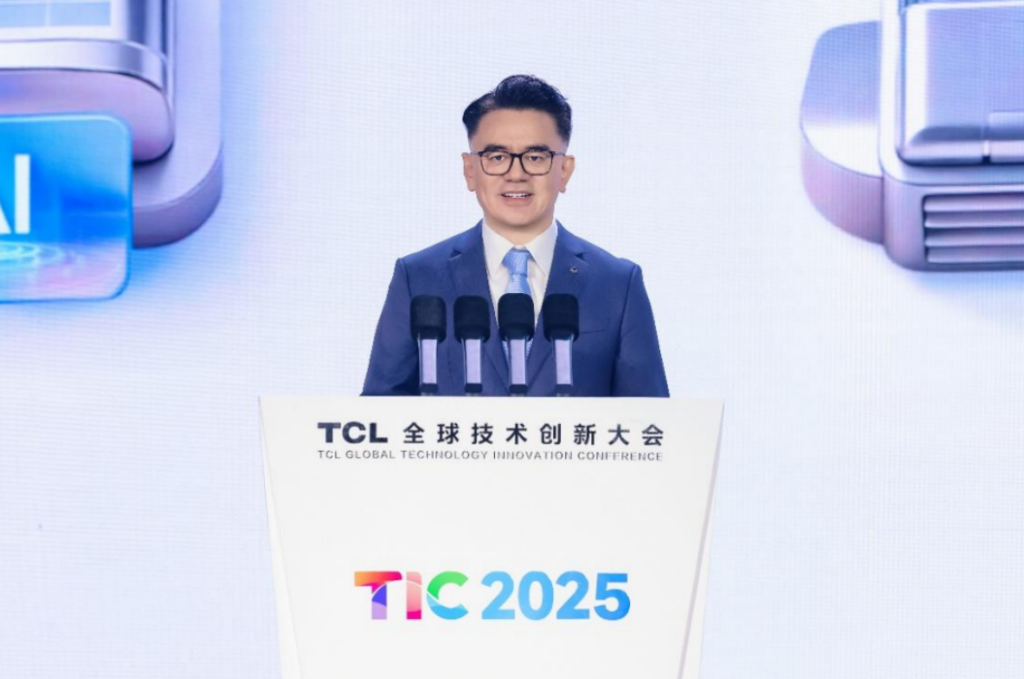
COO Kevin Wang reinforced this message, emphasizing the shift from conceptual AI to real-world deployment. He noted that TIC 2025 aims to define the next chapter of industrial AI development by focusing on measurable and sustainable outcomes.
Major Breakthroughs in Intelligent Manufacturing
A highlight of the event was TCL CSOT’s launch of X-Intelligence 3.0, the world’s first large AI model built specifically for display technologies. It improves issue analysis by 20% and boosts materials development efficiency by 30%. TCL also introduced its APEX philosophy, which focuses on eye protection, eco-friendly materials, and imaginative display experiences.
TCL confirmed a major milestone with its 8.6-generation inkjet-printed OLED (IJP OLED) production line, a US$4 billion project now ready for mass manufacturing. New innovations included the world’s first 5.65-inch Real Stripe RGB OLED for smartphones and an advanced 28-inch foldable portable display.
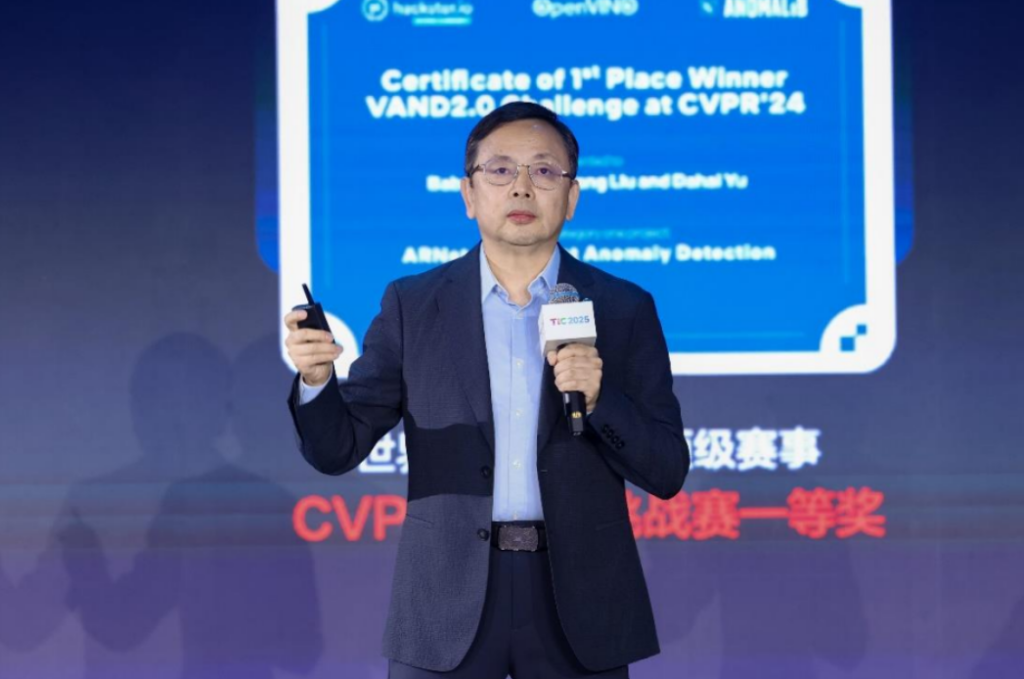
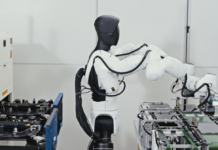
Dr. Yan Xiaolin, CTO of TCL Technology and TCL CSOT, highlighted the company’s major progress in industrial automation. He explained that TCL has now achieved complete end-to-end automation, covering Auto Defect Classification (ADC), evaluation, and Auto Defect Repair (ADR). He noted that this full-scale deployment has already generated more than US$7 million in annual revenue, demonstrating the real commercial value of AI-driven manufacturing.
AI-Powered Smart Living Products
In consumer technology, TCL expanded its AI smart living ecosystem. The FreshIN AI air conditioners reduce energy use by up to 40% and improve sleep quality. AI refrigerators maintain precise temperatures, while AI Super Drum washing machines use sensors and the Fuxi LLM to customize wash cycles. TCL’s AI TVs can understand complex voice commands and refine visuals frame by frame.
The company also showcased RayNeo X3 Pro AR glasses, featuring real-time subtitles, translation, and visualized AI assistance. Another standout innovation was TCL AiMe, the world’s first modular AI home robot designed for emotional interaction and family companionship.
R&D Power and Global Collaboration
TCL highlighted its strong innovation capacity, backed by US$8.4 billion in R&D investment over six years, more than 20,000 researchers, and over 110,000 patents. Its global partnerships continue to expand through major initiatives such as the US$2.8 billion Rising Sun Project, strengthening ecosystem-wide technological development.
Commitment to Green and Sustainable Technology
Sustainability was another major theme. TCL emphasized the role of AI in promoting energy-efficient products, responsible material sourcing, and cleaner manufacturing. The TCLGreen initiative aims to merge technology, clean energy, and eco-friendly design to support both planetary health and consumer wellbeing.


Comments