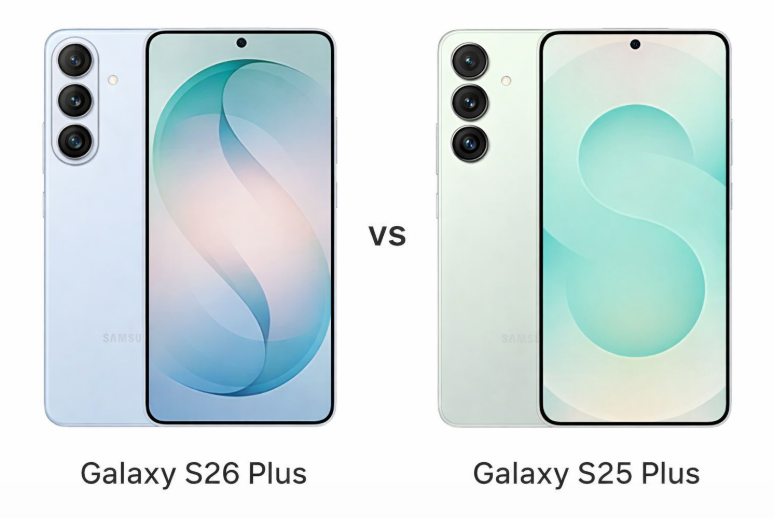
Samsung Galaxy S26 Plus arrives as a refinement-focused upgrade over the Samsung Galaxy S25 Plus, bringing improvements that are subtle on paper but impactful in daily use. While both devices share a similar design and core hardware, the newer model introduces better performance, improved efficiency, and smarter processing. This comparison breaks down the key differences and upgrades that actually matter, helping buyers understand whether the latest generation is worth the extra investment.
The design language remains largely unchanged, but the Samsung Galaxy S26 Plus brings subtle refinements in finish and frame durability. The upgraded Armor Aluminum 2 and improved glass treatment give it a slightly more premium and polished feel. While the Samsung Galaxy S25 Plus still feels flagship-grade, the newer model comes across as more refined in hand, even if the visual differences are minimal.
Display Quality
Both devices share the same core display specs, but the S26 Plus introduces better panel tuning and slightly higher pixel density. Colors appear more vibrant, and brightness handling feels more controlled in extreme lighting. The improvement isn’t drastic, but side-by-side usage reveals a cleaner, more refined viewing experience on the newer model.
Verdict
No major overhaul, but the S26 Plus delivers small refinements that make the display and build feel more premium overall.
2. Specifications Including Battery
Performance
This is where the biggest upgrade lies. The S26 Plus moves to Snapdragon 8 Elite Gen 5 / Exynos 2600, offering a clear jump in performance over the previous generation chip in the S25 Plus. Expect faster app launches, smoother multitasking, and improved gaming stability. The difference feels noticeable, especially under heavy usage, making the newer model more future-proof.
Battery and Charging
Battery capacity stays the same, but efficiency improves on the S26 Plus thanks to the newer chipset. Wireless charging also gets a bump (20W vs 15W), which adds real convenience. Daily usage feels slightly longer-lasting, even without a capacity increase.
Verdict
Performance and efficiency upgrades make the S26 Plus a meaningful step forward over the S25 Plus.
3. Camera
Main and Secondary Lenses
Hardware remains identical, but the S26 Plus benefits from improved image processing and new features like Horizon Lock. Photos show better dynamic range and more consistent HDR, especially in tricky lighting. Video stabilization also feels more refined, making footage look smoother.
Selfie Camera
The front camera is mostly unchanged, but software tuning improves color accuracy and HDR handling on the S26 Plus. The difference is subtle but noticeable in portraits and social media shots.
Verdict
No hardware changes, but smarter processing gives the S26 Plus a clear edge in real-world photography.
4. Pricing
The Samsung Galaxy S26 Plus comes in at around $1100 (₹120,000), while the Samsung Galaxy S25 Plus is priced closer to $1000 (₹100,000). The gap reflects the generational upgrade rather than a complete redesign.
Value for Money
The S25 Plus offers excellent value since most core features remain similar. However, the S26 Plus justifies its higher price with meaningful upgrades in performance, efficiency, and software processing. It feels like a smarter long-term investment rather than just a yearly refresh.
Verdict
S25 Plus wins on value, but S26 Plus is better suited for those wanting the latest performance gains.
Disclaimer: Prices are approximate and may vary based on country, region, and applicable taxes.
5. Conclusion
The S26 Plus stands out mainly through its new chipset, improved efficiency, faster wireless charging, and enhanced camera processing. These upgrades may seem incremental on paper, but they translate into smoother daily usage and better longevity. The S25 Plus, meanwhile, still delivers a flagship experience with fewer compromises.
Verdict
The S26 Plus is a refinement-focused upgrade, not a redesign. It’s the better choice for performance-focused users, while the S25 Plus remains a strong alternative for those prioritizing value over incremental improvements.
Disclaimer: This comparison is based on the specifications provided and is intended for general informational purposes. Actual performance, camera results, battery life, and overall experience may vary depending on real-world usage, software updates, and individual preferences.
We use cookies on our website to give you the most relevant experience by remembering your preferences and repeat visits. By clicking “Accept”, you consent to the use of ALL the cookies.
This website uses cookies to improve your experience while you navigate through the website. Out of these, the cookies that are categorized as necessary are stored on your browser as they are essential for the working of basic functionalities of the website. We also use third-party cookies that help us analyze and understand how you use this website. These cookies will be stored in your browser only with your consent. You also have the option to opt-out of these cookies. But opting out of some of these cookies may affect your browsing experience.
Necessary cookies are absolutely essential for the website to function properly. This category only includes cookies that ensures basic functionalities and security features of the website. These cookies do not store any personal information.
Any cookies that may not be particularly necessary for the website to function and is used specifically to collect user personal data via analytics, ads, other embedded contents are termed as non-necessary cookies. It is mandatory to procure user consent prior to running these cookies on your website.




Comments