
Add GIZMOCHINA as Preferred Source on Google
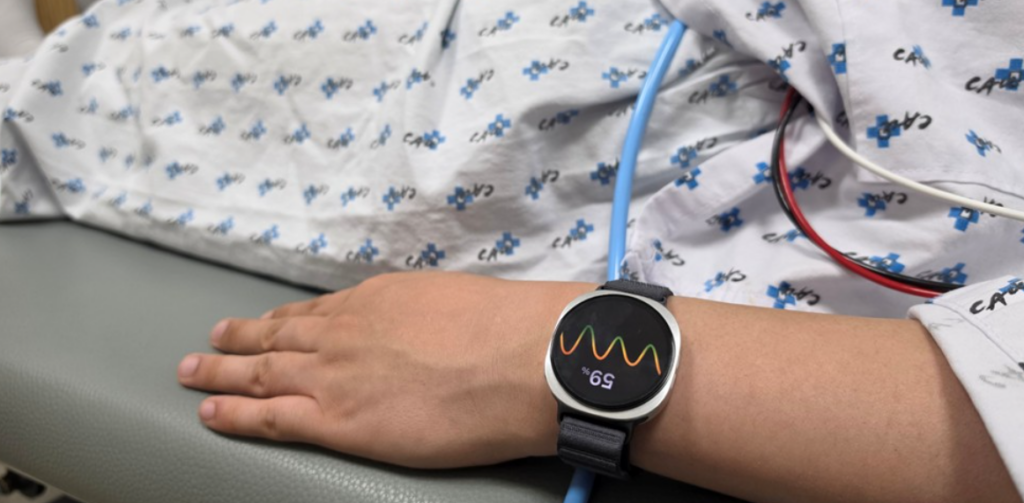
Samsung has announced a major advancement in wearable healthcare technology. A new clinical study conducted in partnership with Chung-Ang University Gwangmyeong Hospital in South Korea found that the Samsung Galaxy Watch6 can predict fainting episodes before they happen.
The research focused on vasovagal syncope (VVS), one of the most common causes of fainting. According to the study, the smartwatch was able to warn users up to five minutes before a fainting episode with an overall accuracy of 84.6%.
What is Vasovagal Syncope?
Vasovagal syncope occurs when a person experiences a sudden drop in heart rate and blood pressure. This can temporarily reduce blood flow to the brain, causing loss of consciousness.
Common triggers include stress, fear, emotional shock, anxiety, and pain. While fainting itself is usually not life-threatening, sudden falls can lead to serious injuries such as fractures, head trauma, and concussions.
Researchers noted that up to 40% of people may experience VVS at least once during their lifetime, while many patients suffer repeated episodes.
How the Galaxy Watch6 Detected Fainting Risk
The study involved 132 patients with suspected VVS symptoms. Under medical supervision, participants underwent induced fainting tests while wearing the Galaxy Watch6.
The smartwatch used its built-in photoplethysmography (PPG) sensor to collect heart rate variability (HRV) data. Researchers then analyzed the data using an AI-based prediction system.
The results showed:
- 84.6% overall prediction accuracy
- 90% sensitivity
- 64% specificity
- Up to 5 minutes of advance warning
Samsung says this is the world’s first successful demonstration of a commercially available smartwatch predicting fainting spells in advance.
Samsung Plans More Preventive Health Features
Professor Junhwan Cho, who led the research, said early warnings could give patients enough time to sit down, lie safely, or seek help before collapsing.
Samsung also stated that it plans to expand AI-powered preventive healthcare features in future Galaxy wearables. The findings of the study were published in the European Heart Journal, Digital Health.
Read More:
- Qualcomm Snapdragon 6 Gen 5 and 4 Gen 5 Announced With Wi-Fi 7, 90FPS Gaming
- Samsung Turned Smartphone Screens Into Health Monitors: Blood Pressure, Heart Rate and More
- XPPen Magic Note Pad Feels Like Real Paper – Price, Specs & Discount
(via)


Comments