
Add GIZMOCHINA as Preferred Source on Google
Introduction
In an era where smartphone innovation has become a game of microscopic refinements, a truly great device is no longer just about stacking specs—it’s about reimagining the user experience. Honor’s digital series has long been praised for its trendy design and balanced performance. Now, with the all-new Honor 600 Pro, the brand aims to push the boundaries of what a mid-range phone can achieve, leveraging a suite of “above-class” technologies to deliver a genuinely upgraded experience.
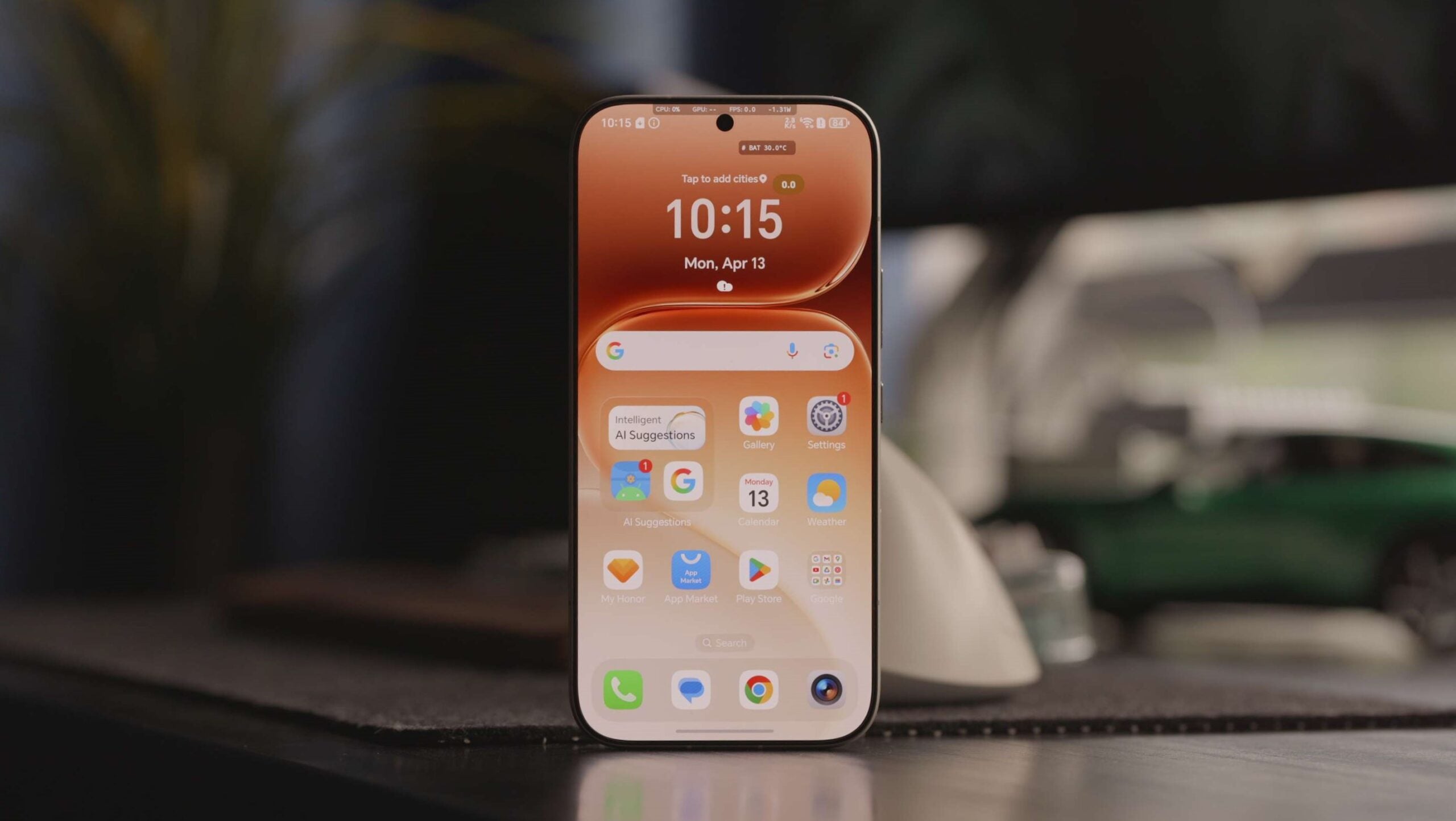
Design: Sleek, Solid, and Surprisingly Comfortable
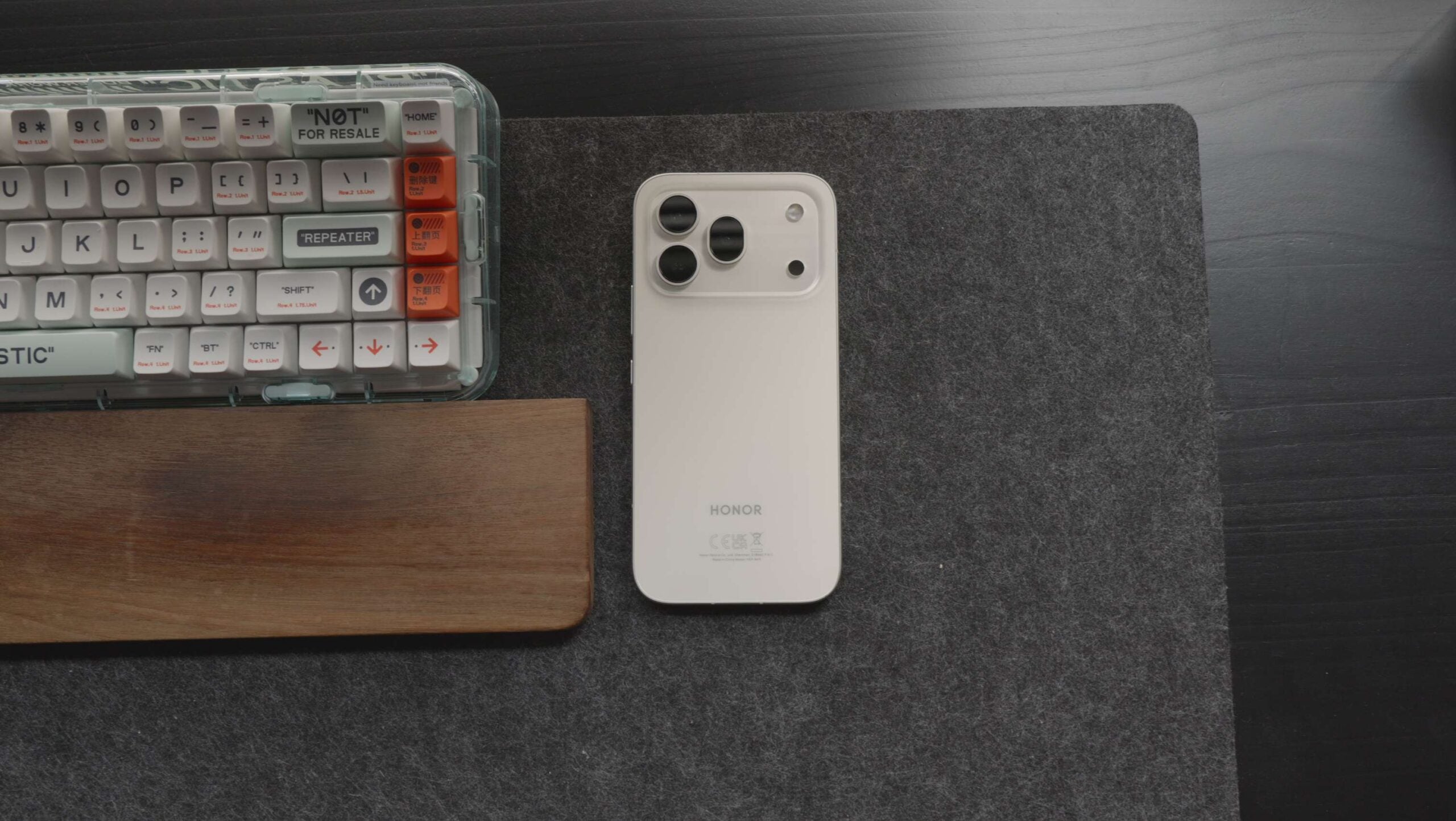
The Honor 600 Pro makes a strong first impression with its restrained elegance. At just 7.8mm thin and weighing 200g, it feels refreshingly light compared to many 250g+ flagship phones. What truly stands out, however, is the attention to detail. Honor claims the device features the “largest corner radius on any Android phone” and an “industry-leading 0.98mm bezel.”
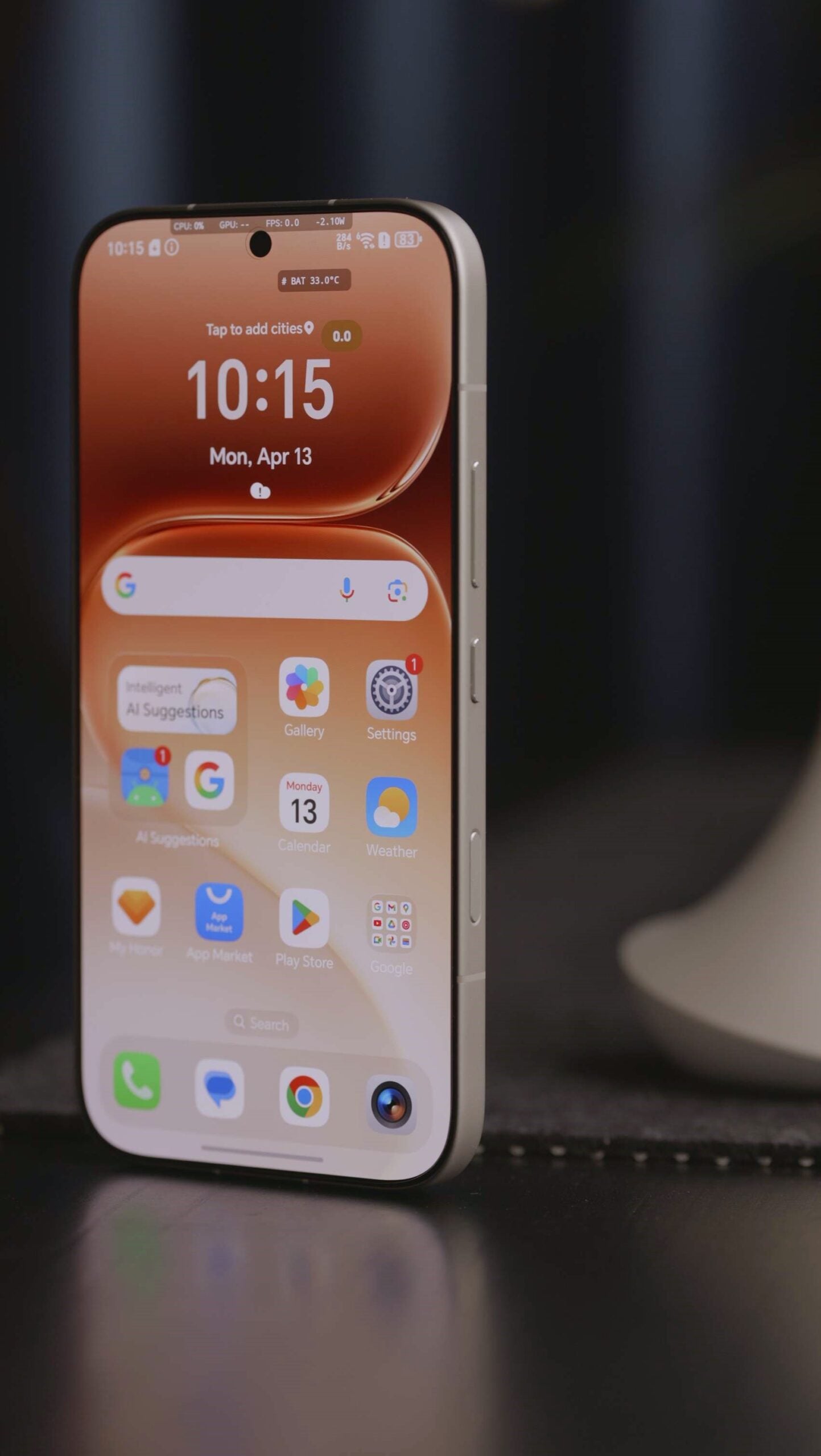
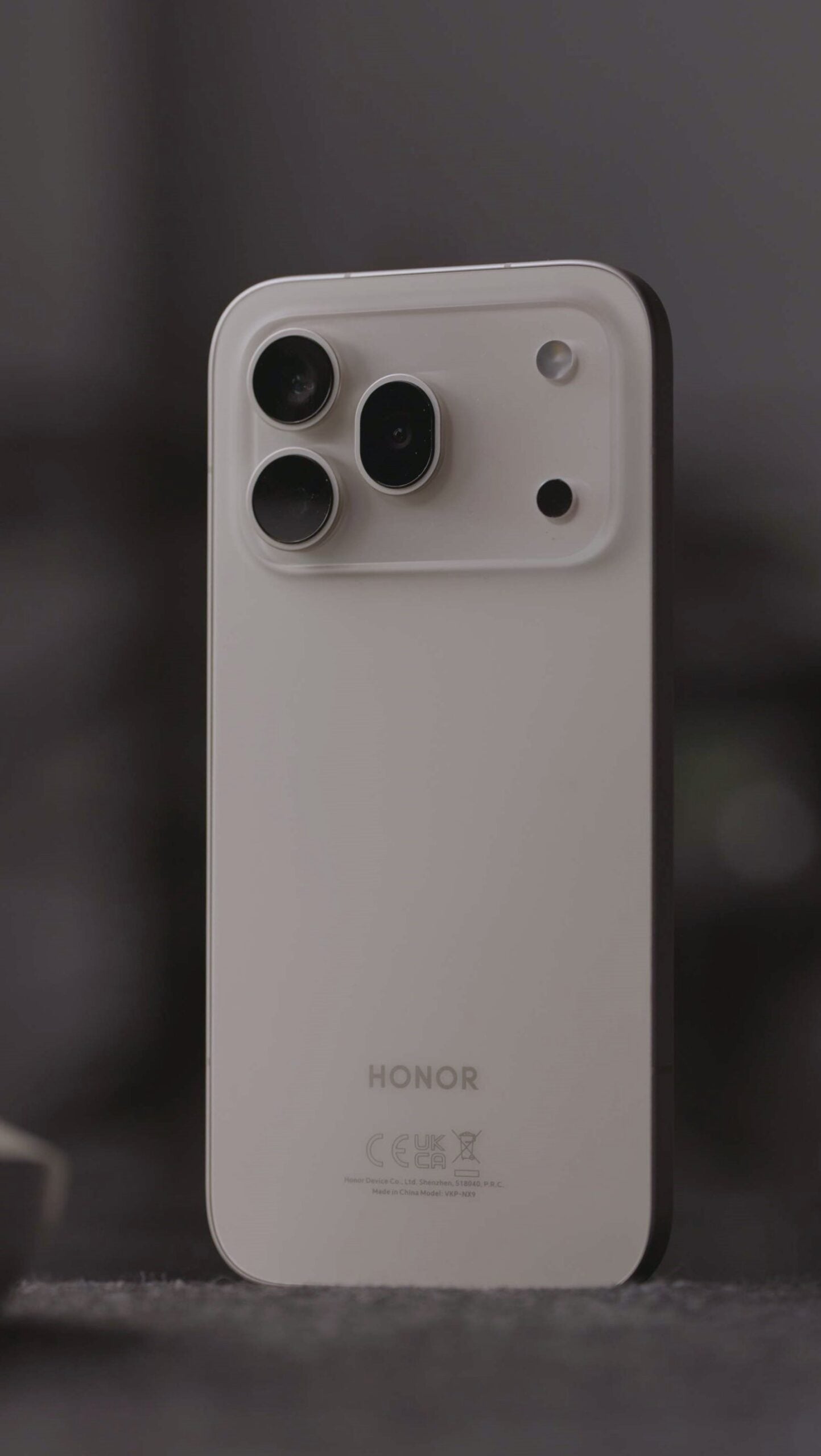
In practice, the seamless curvature between the screen and the frame creates a harmonious, edge-free feel. The matte metal frame offers a fine, grippy texture that resists fingerprints and accidental slips. On the back, the “ultra-durable composite fiber” material mimics the glossy look of glass while delivering a warmer, softer touch—and it never smudges.
Display: Stunning Brightness and Eye Comfort
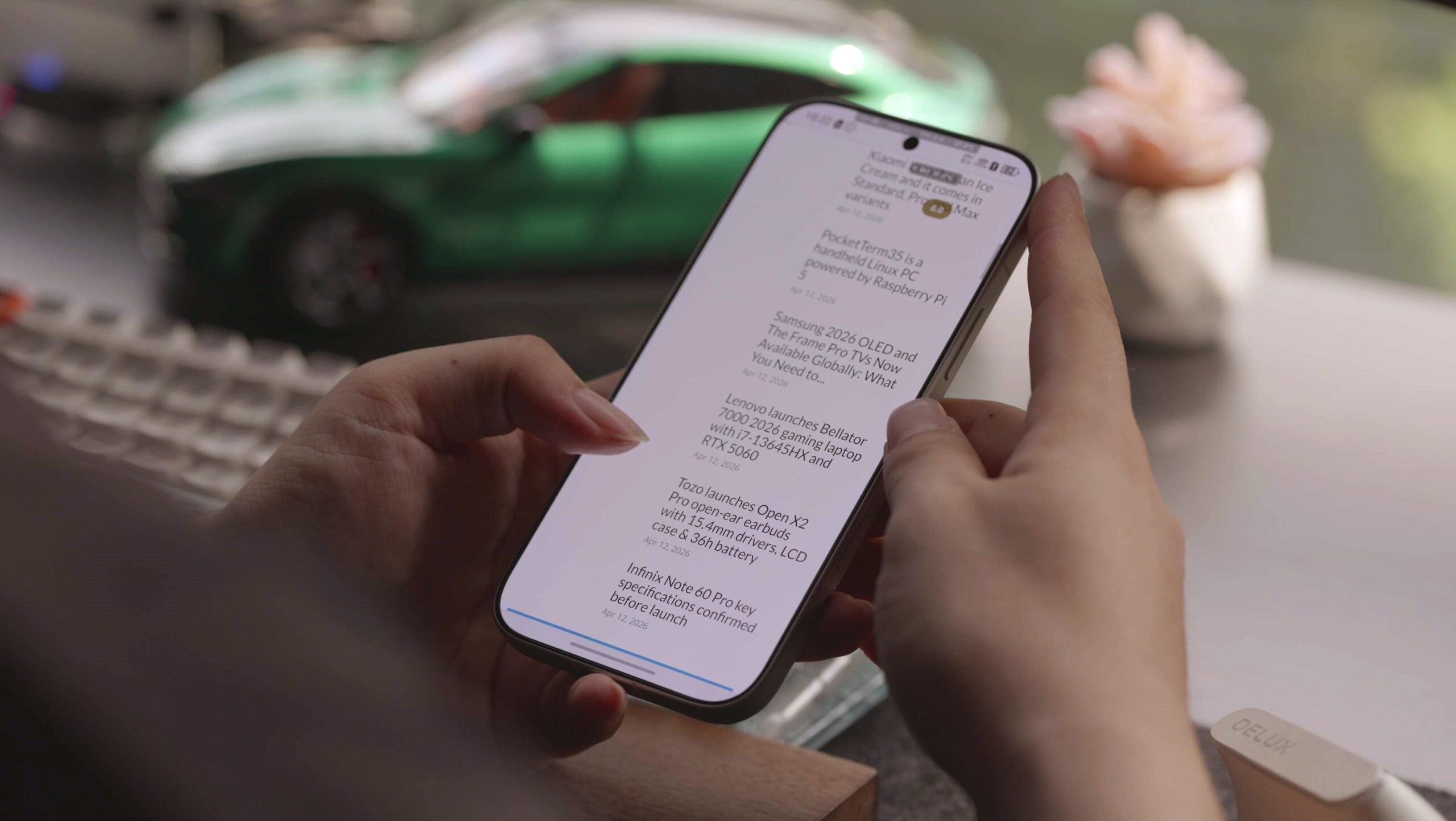
The 6.57-inch display boasts an eye-popping peak brightness of 8,000 nits. Under direct noon sunlight, content remains perfectly readable—a feat that even many premium flagships struggle to match. In a side-by-side test with the Galaxy S25 Ultra, the Honor 600 Pro’s “Sunlight Mode” kept the screen noticeably brighter and easier to read. Additionally, the 3840Hz ultra-high frequency PWM dimming significantly reduces eye strain. After long sessions of browsing or watching videos, my eyes felt considerably less fatigued compared to using the S25 Ultra.
Camera: The “Unexpected” Battleground
The imaging capabilities of the Honor 600 Pro are its most compelling “flagship killer” feature. We put it head-to-head with the Samsung Galaxy S25 Ultra in multiple real-world shooting scenarios, and the results were surprising.
Ultra-Wide: Shining in Backlight
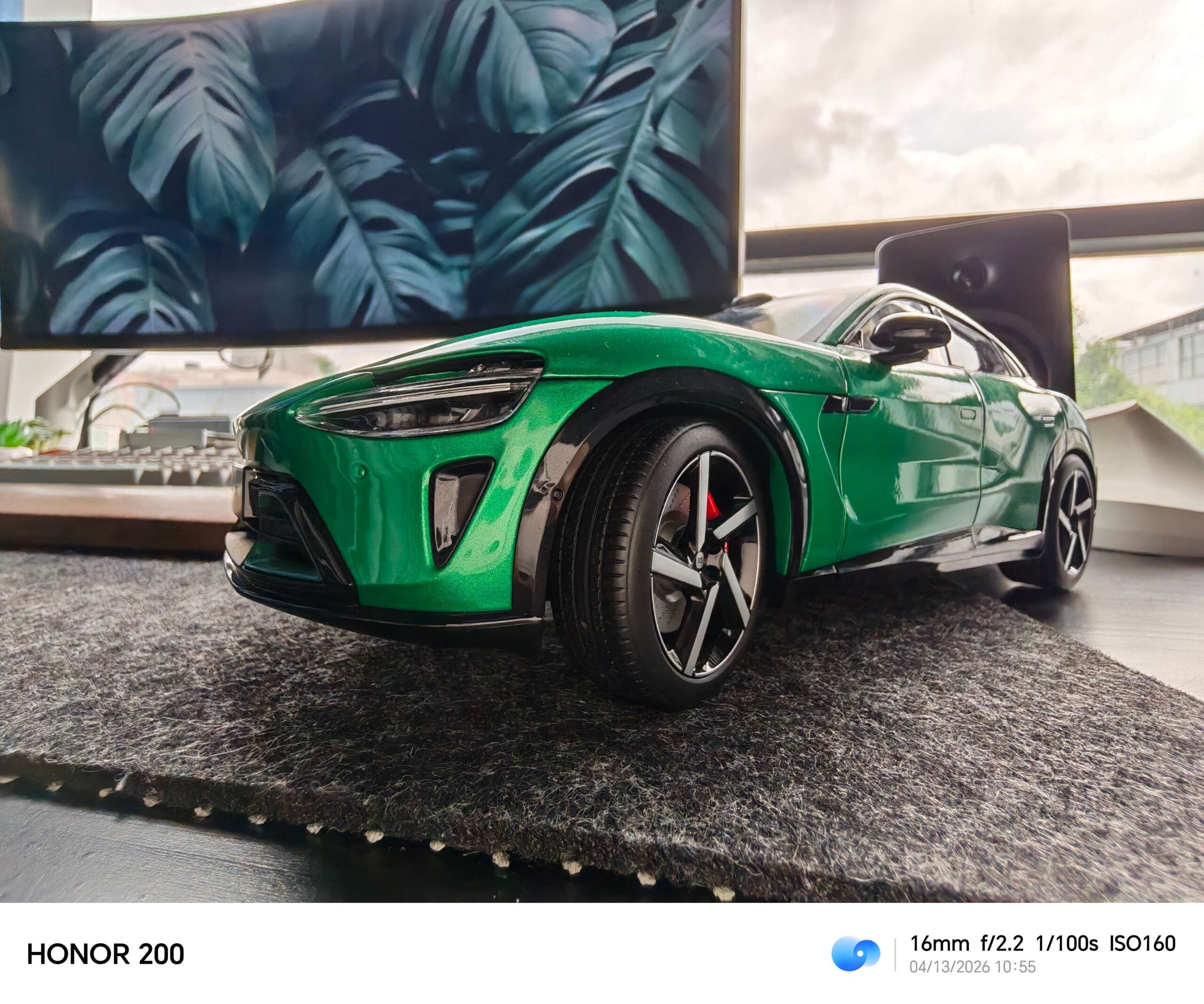
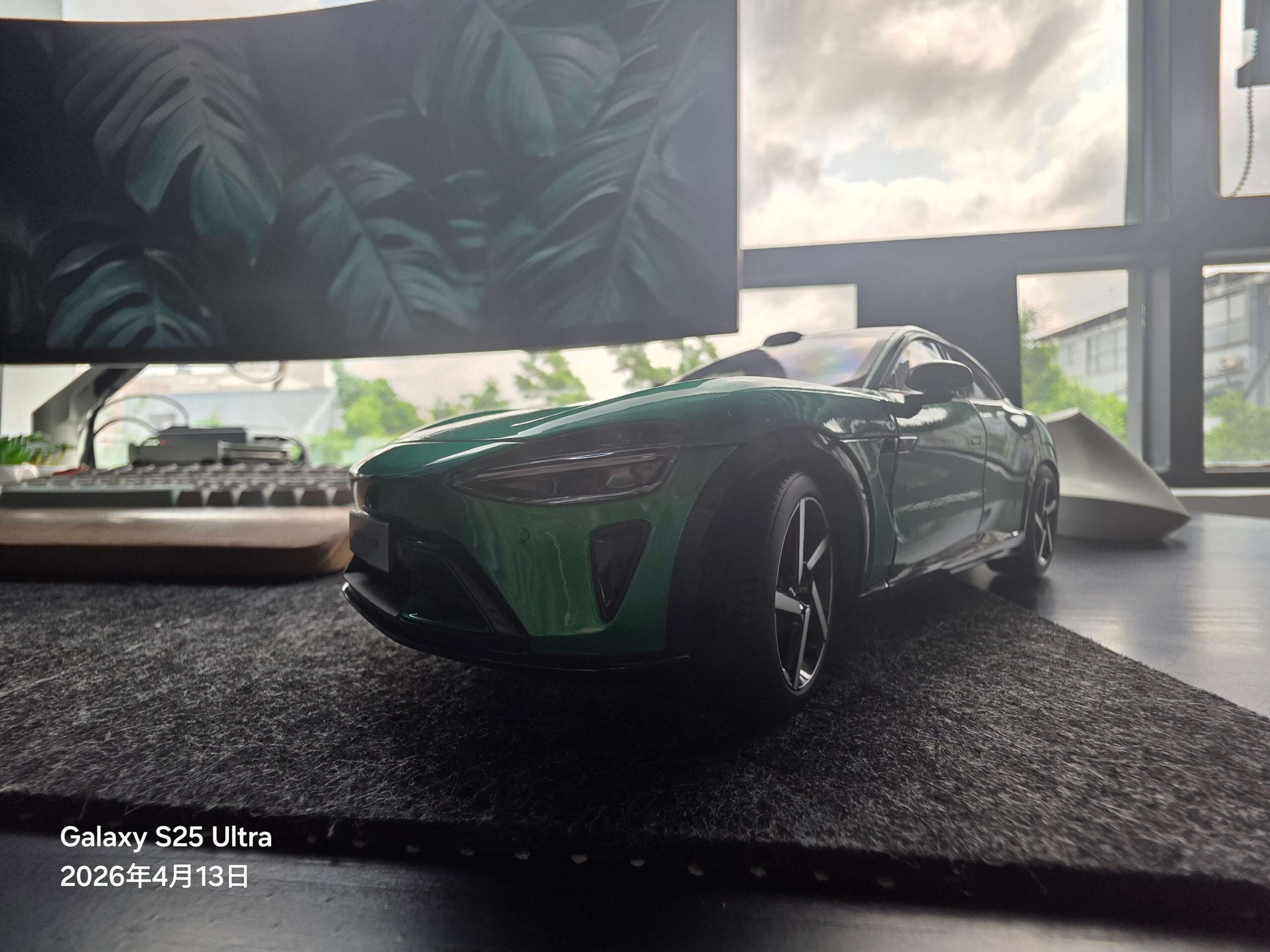
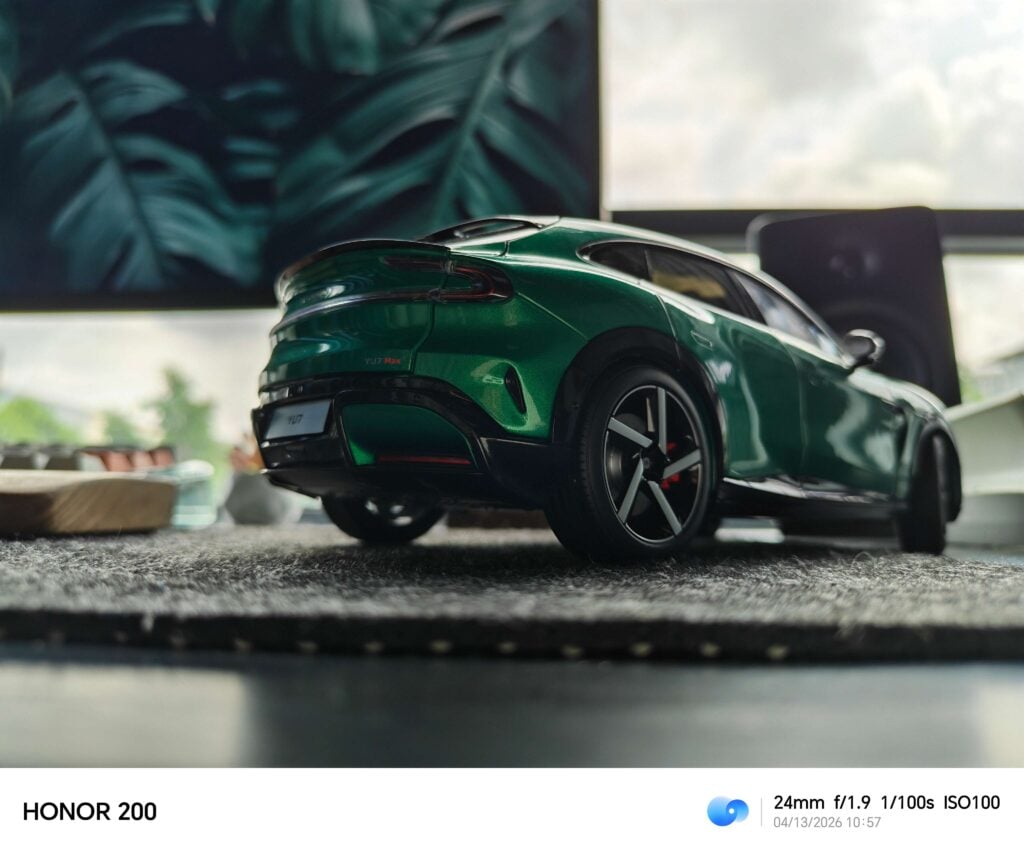
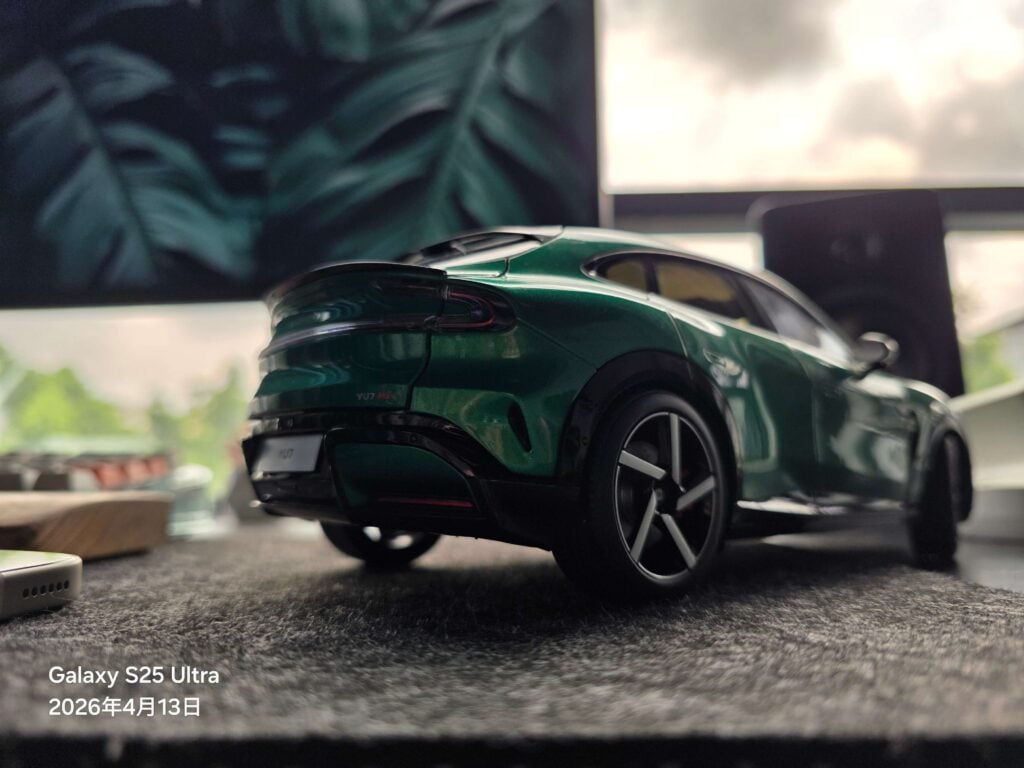
In a backlit window scene featuring a car model, the S25 Ultra’s ultra-wide lens nearly failed—the front of the car was severely underexposed (almost pitch black), while the clouds outside were blown out to white. The dynamic range collapsed. In contrast, the Honor 600 Pro, despite using a 16mm ultra-wide lens, delivered impressive HDR performance: the car’s green paint and black details were preserved, highlights were well-controlled, and even carpet textures and keyboard details remained clear. In extreme lighting conditions, this “mid-range” device actually outperformed Samsung’s flagship main camera.
Main Camera: A Tale of Two Lighting Conditions
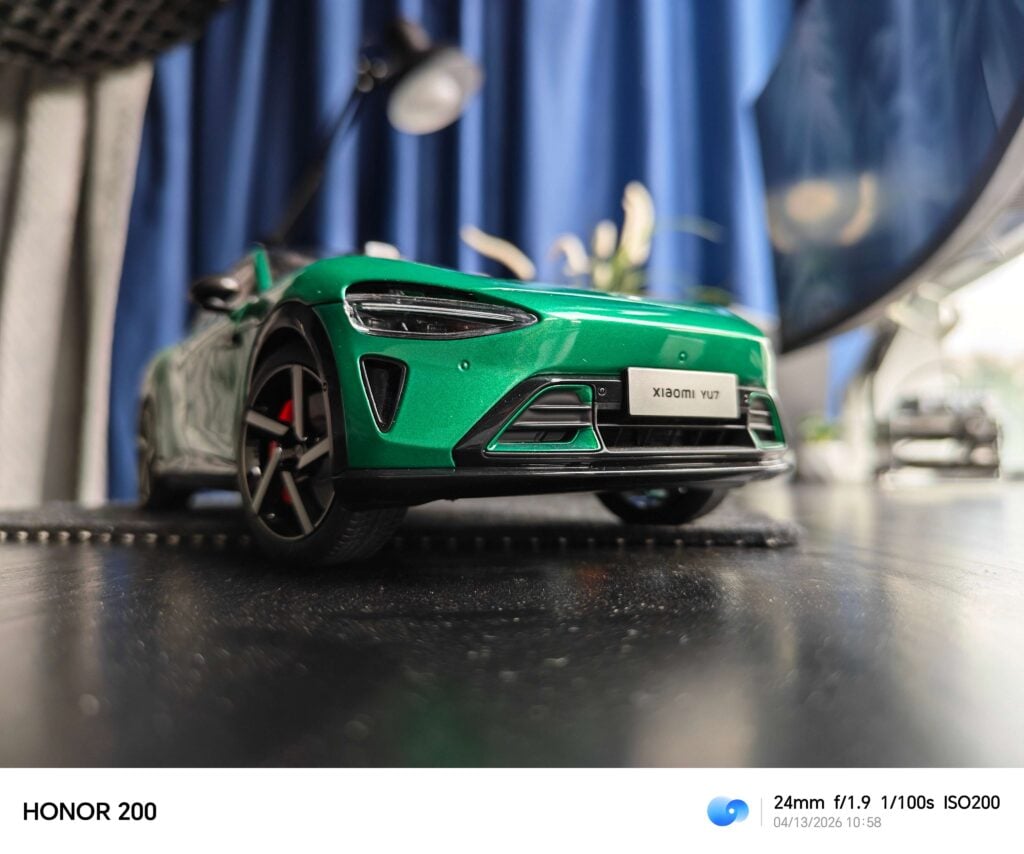
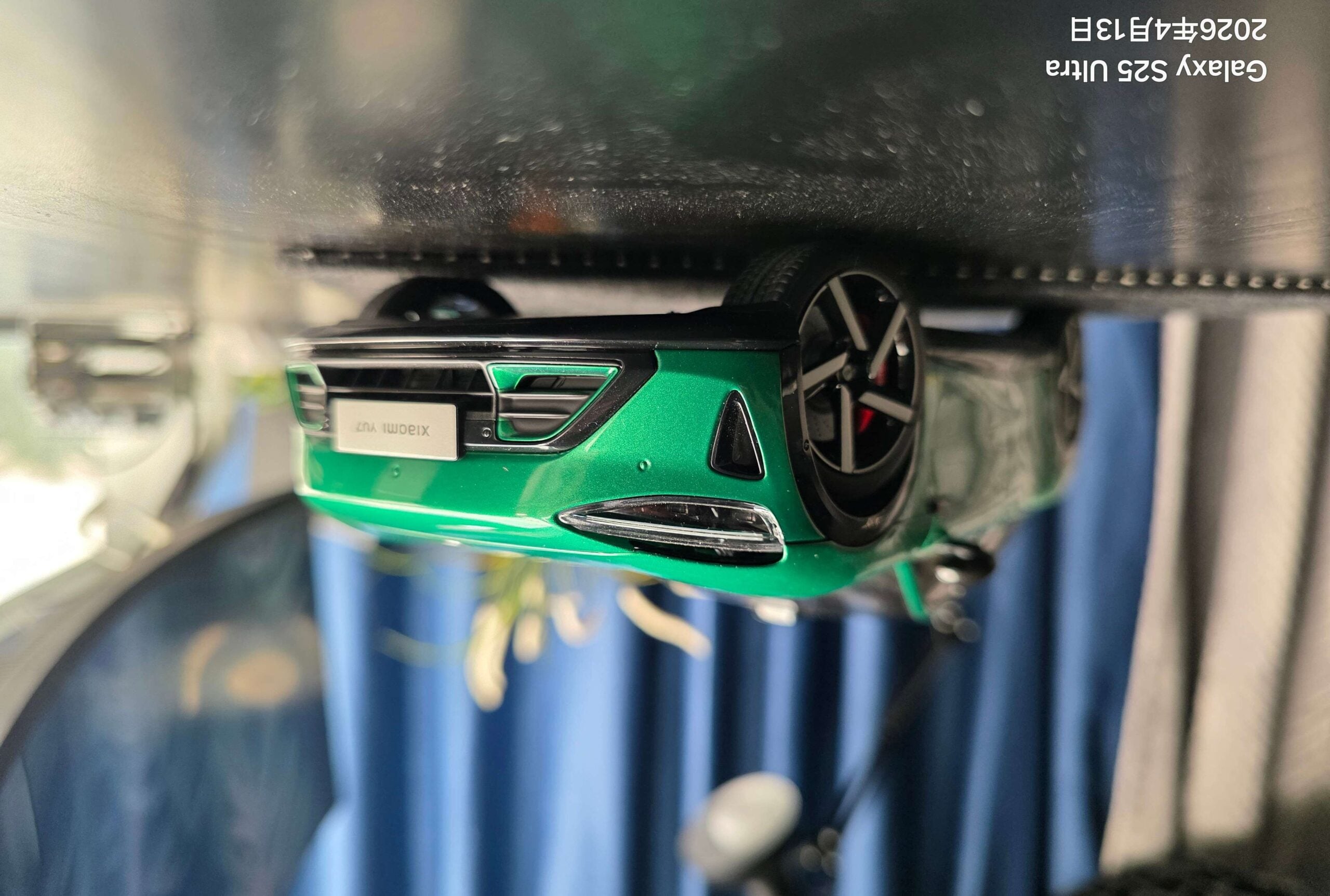
In backlit scenes, the Honor 600 Pro continued to shine—wide dynamic range, rich shadow details, and natural metallic paint reflection on the car model. The S25 Ultra, by comparison, produced darker shadows and blown highlights, requiring post-processing fixes. However, in well-lit, front-lit scenes, the tables turned. The Samsung delivered controlled tonal balance, fine paint grain, and smooth background blur. The Honor, in contrast, showed signs of over-sharpening, algorithmic smudging on black plastic parts, and harsh background texture rendering. When it comes to the main camera, Samsung still holds the edge.
Telephoto: Hardware Gap Is Hard to Bridge
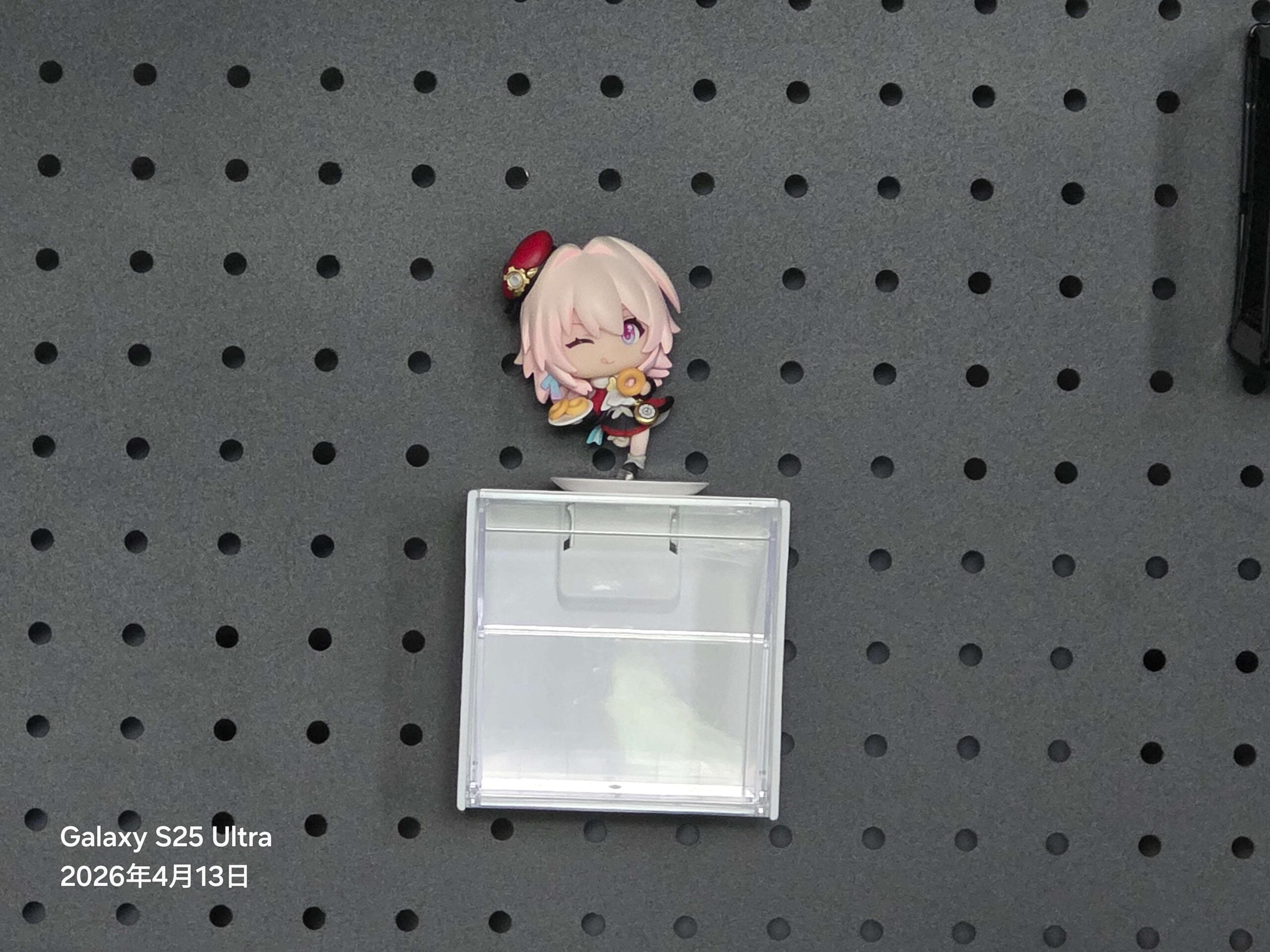
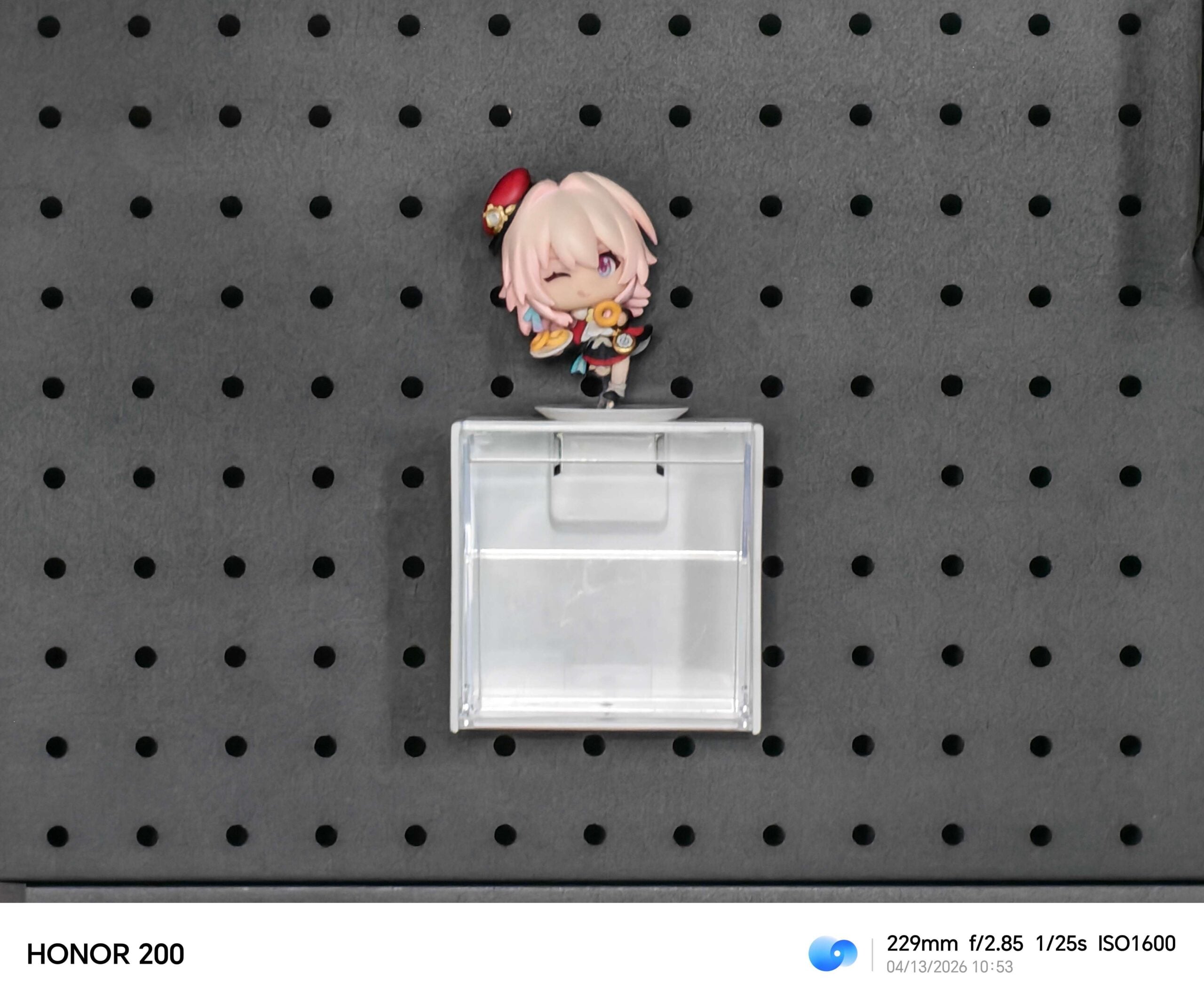
At 10x zoom, the S25 Ultra is in its element. Its optical telephoto lens delivers solid image quality—building stains and fabric wrinkles are crisp and distinguishable. The Honor 600 Pro’s hybrid zoom suffers from heavy smudging, visible edge artifacts, and a loss of depth in distant subjects. However, in indoor still-life scenes, the Honor’s more pleasing color tuning—rosy skin tones, vibrant hair accessories, clean backgrounds—gives it a win in straight-out-of-camera (SOOC) appeal.


Battery Life & Charging: Ultra-Large Capacity in a Slim Body
Packing a 6,400mAh battery into a 7.8mm chassis feels like a technological marvel. In real-world testing, 30 minutes of high-graphics Honkai: Star Rail consumed only 9% of the battery.
- 80W wired charging gets you from 0% to 50% in just 15 minutes.
- 50W wireless charging adds convenience for daily top-ups.
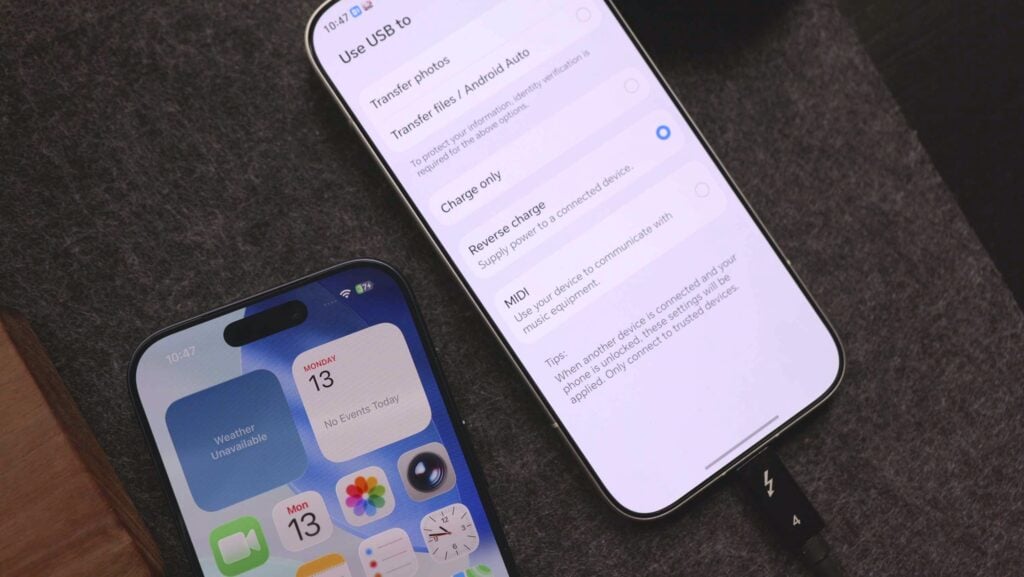
- 27W wired reverse charging is a standout feature. I tested it by charging an iPhone 17 Pro—it’s not as fast as the iPhone’s own charger, but as an emergency power bank, it’s remarkably useful, adding about 20% charge in half an hour.
Verdict
The Honor 600 Pro is not your typical “all-rounder.” Instead, it’s a purpose-driven device with distinct strengths—design feel, AI-enhanced creativity
Final Verdict
The Honor 600 Pro is not a simple “all-rounder.” It’s a “specialist” with distinct strengths and trade-offs. In terms of design feel, screen brightness, eye-care display performance, and backlit HDR algorithms, it demonstrates flagship-grade capabilities that exceed its price tier—even going toe-to-toe with and sometimes outperforming the Samsung Galaxy S25 Ultra. However, its camera performance is highly scene-dependent. The software algorithms work wonders in complex lighting, but fall short when hardware quality is put to the test in straightforward conditions.
For users who prioritize point-and-shoot convenience and frequently shoot in backlit or high-contrast environments, the Honor 600 Pro offers exceptional value. For imaging enthusiasts who demand consistent optical quality across all focal lengths, a true flagship remains the safer bet.

Comments