Add GIZMOCHINA as Preferred Source on Google
If you have used a OnePlus phone from a few years back (like the OnePlus 11), you might know what OnePlus used to focus on. The company built phones that gave you flagship-level speed, fast charging, clean Android software, and decent cameras without charging Samsung or Apple prices.
Yes, you may have had to compromise on a few things. Like the OnePlus 11 skipped wireless charging, offered only basic water resistance, and missed some premium extras. However, it was a bargain for its launch price.
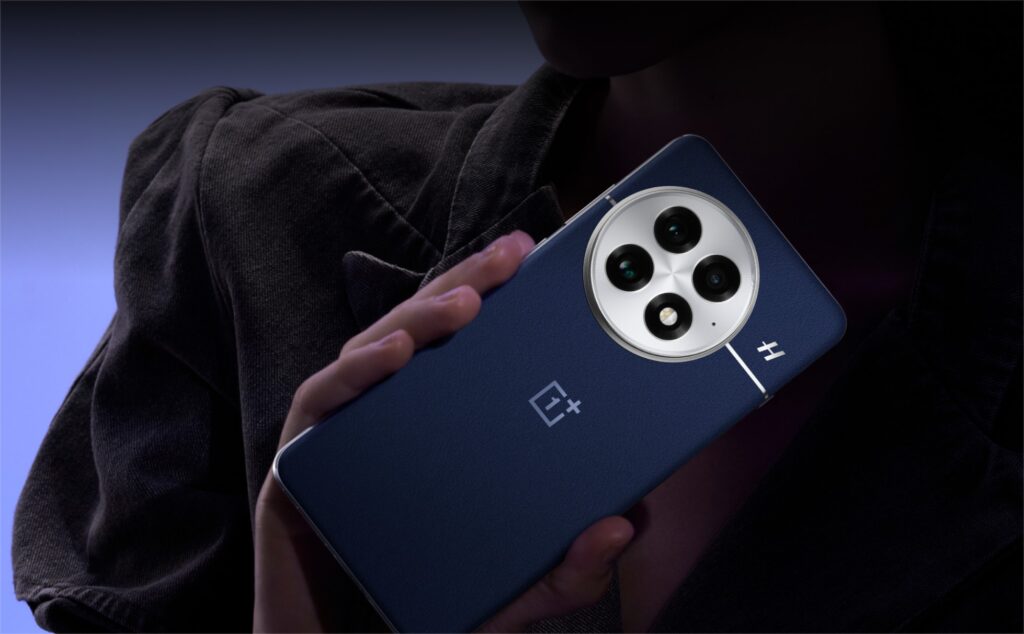
Things started to change with the OnePlus 13. It actually fixed most of the missing features of the OnePlus 11 while keeping the same overall idea intact. But it was the start of a change. And the OnePlus 15 finally took the lineup in a different direction.
With its latest generation, OnePlus dropped Hasselblad, lowered the display resolution, used smaller camera sensors, and started focusing on gaming features rather than making an all-around flagship.
So if you still use a OnePlus 11 and are wondering whether you should upgrade, this comparison covers what’s changed across generations, what OnePlus tried to achieve, and which phone actually makes sense for you.
Quick note: We are skipping the OnePlus 12 here because the OnePlus 13 is a bigger jump and still sells in most markets.
1. OnePlus 11 still handles things well
OnePlus launched the OnePlus 11 in January 2023 with a simple goal: bring back the kind of phone people expect from OnePlus. As such, we titled our review “OnePlus is getting better.”
The phone runs on Snapdragon 8 Gen 2, has a 6.7-inch QHD+ AMOLED display with a 120Hz refresh rate, a 5,000mAh battery, and 100W charging that can fully charge the phone in roughly 25 minutes. OnePlus priced it at $699, which made it much cheaper than Samsung or Google flagships back then.
The camera has Hasselblad tuning and includes a 50MP main sensor, a 32MP 2x telephoto camera, and a 48MP ultrawide camera. The photos looked good overall, although the 2x zoom felt weaker compared to phones offering 3x or 5x optical zoom.
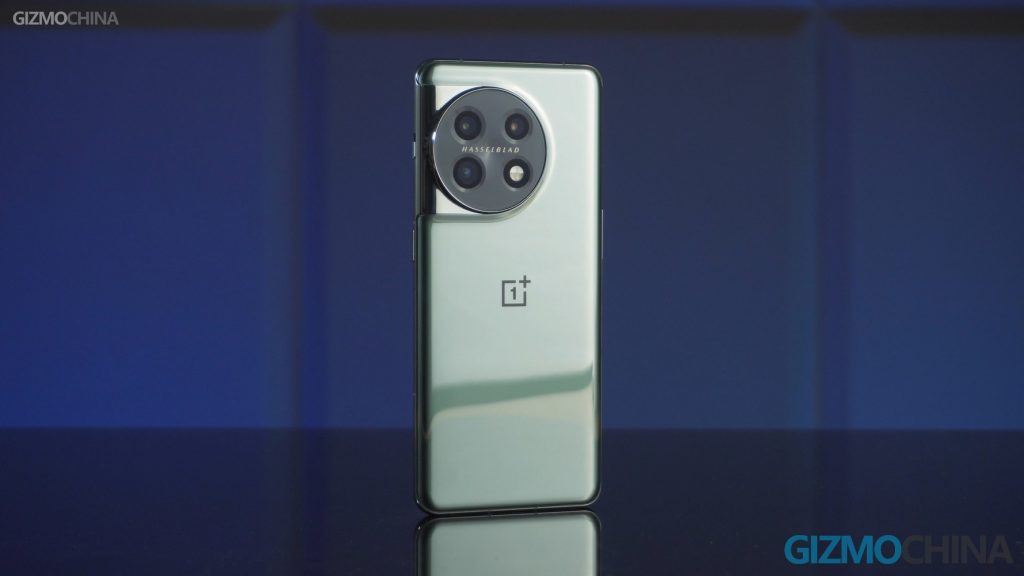
However, to hit that lower price, OnePlus made a few obvious cuts. It only has an IP64 rating that protects the phone from splashes but not full water immersion. The company skipped wireless charging completely, even though some cheaper phones already offered it. The optical fingerprint sensor also felt slower than the ultrasonic scanners Samsung used. Heavy gaming pushed the phone harder than expected, too, especially in demanding games like Genshin Impact.
That said, even in 2026, the OnePlus 11 still handles daily use well enough. OnePlus is also supporting it with up to Android 16 update, so software is not the problem. The bigger issue is that the hardware now sits two generations behind newer flagship phones. The lack of wireless charging and the weaker water resistance also stand out more today than they did in 2023.
2. OnePlus 13 is a more complete flagship
OnePlus launched the OnePlus 13 in China in late 2024 before bringing it globally in early 2025. Instead of changing everything, the company focused on fixing the weak spots from the OnePlus 11.
The phone now runs on the Snapdragon 8 Elite, which improved both performance and efficiency. OnePlus also increased the battery size from 5,000mAh to 6,000mAh using silicon-carbon battery technology. And… OnePlus finally brought back 50W wireless charging.
We also got an IP rating jump to IP68 and IP69; the fingerprint scanner is now ultrasonic, too.
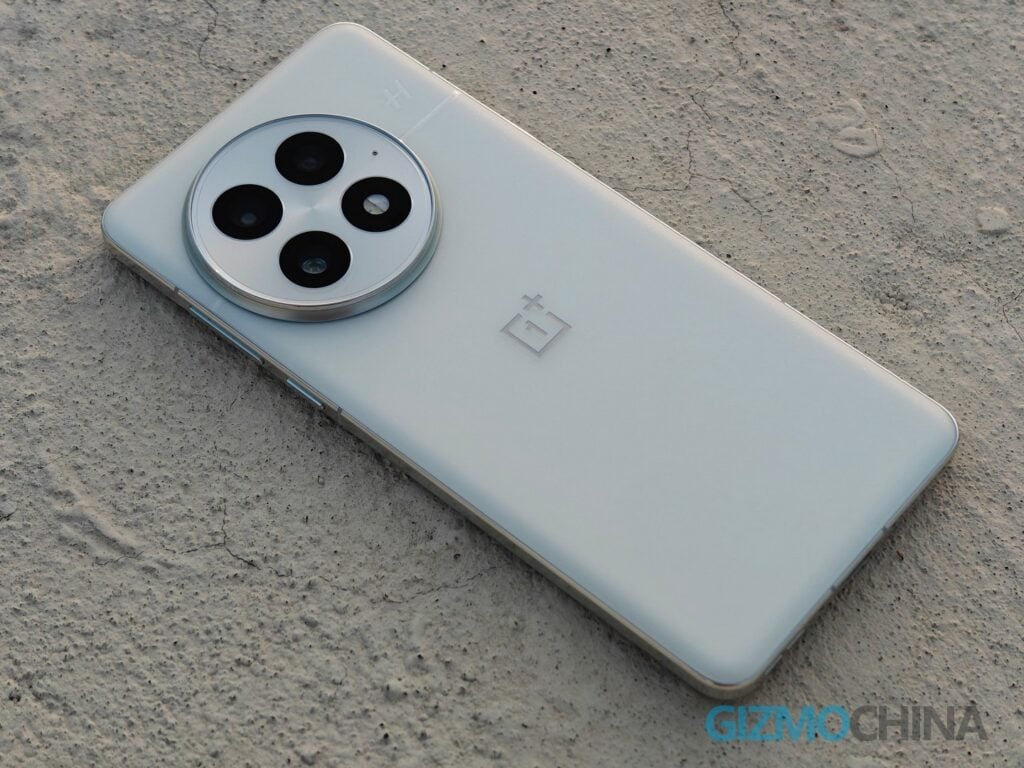
Moreover, the display also improved in several ways. The 6.82-inch QHD+ AMOLED panel uses LTPO 4.1 technology and reaches up to 4,500 nits peak brightness. OnePlus also moved away from curved edges and switched to a flat display design.
It’s the cameras that have had the biggest improvement. The fifth-generation Hasselblad system used three 50MP sensors, including a proper periscope telephoto camera with 3x optical zoom. The main sensor also grew larger than the one inside the OnePlus 11, so photos looked more natural, with better color balance and less aggressive processing.
Of course, these upgrades mean users had to pay more. The OnePlus 13 launched at $899, which was $200 more than the OnePlus 11. At this point, OnePlus was no longer selling this as a budget-friendly alternative to premium flagships. It was pricing itself alongside them. That said, it still came in below the Pixel 9 Pro and Galaxy S25 at launch.
3. OnePlus 15 changed the formula
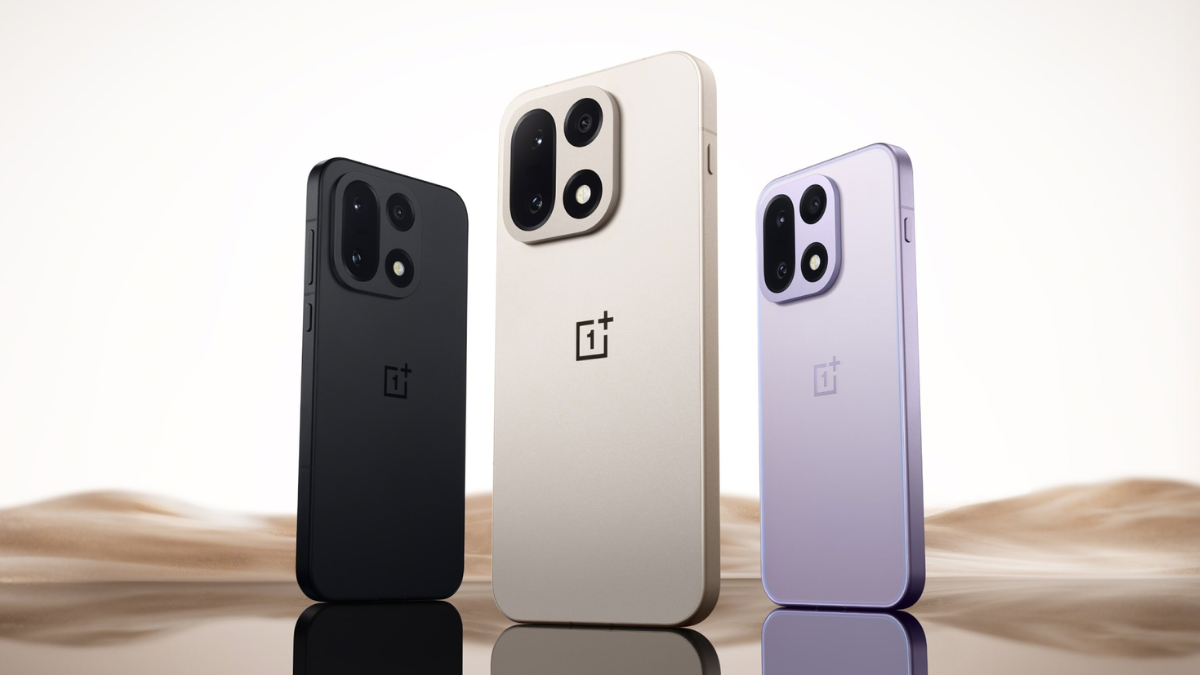
The OnePlus 15 launched in late 2025, and this is where the lineup changed its direction.
Before launch, OnePlus confirmed that its partnership with Hasselblad had ended. Instead, the company introduced its own image processing system called DetailMax Engine. OnePlus also removed the circular camera design it had used for years and replaced it with a more standard rectangular camera bump.
The display became another major talking point. OnePlus introduced a 165Hz refresh rate; however, to make that happen, the company lowered the resolution from QHD+ to 1.5K.
According to OnePlus, current display panels cannot support both QHD+ resolution and 165Hz refresh rates at the same time. As a result, the company chose refresh rate over resolution, and we think that decision may have influenced the entire phone.
It runs on the Snapdragon 8 Elite Gen 5. OnePlus also increased the battery size again, from 6,000mAh to 7,300mAh, making it one of the largest batteries in a mainstream flagship phone. And the charging speeds increased from 100W to 120W.
The company also added several gaming-focused features, including a UAV-grade gyroscope, a dedicated touch processing chip, improved cooling, and a gaming Wi-Fi chip designed to reduce latency.
The 165Hz display needs some context, though. The phone only reaches 165Hz in supported games like Call of Duty: Mobile, Battlegrounds Mobile India, Clash of Clans, and Blood Strike. Outside of gaming, the system still runs mostly at 120Hz. Even so, the 3,200Hz touch sampling rate makes controls feel more responsive during gaming sessions.
The software side improved further with OxygenOS 16 on Android 16. OnePlus added AI tools for summarizing content, scanning documents, writing assistance, and easier file sharing with iPhones. The company also extended software support to four Android updates and six years of security patches. Despite all these changes, the price stayed at $899.
4. So, should you upgrade?
That really depends on how you use your phone.
OnePlus 11 to OnePlus 13
This feels like the most balanced and straightforward upgrade path. The OnePlus 13 fixes almost every major complaint people had about the OnePlus 11. You get stronger water resistance, wireless charging, a brighter display, faster fingerprint unlocking, better cameras, and much longer battery life.
Since the phone has been out for some time, prices have likely dropped as well. If you find it on sale, the value becomes even better.
OnePlus 11 to OnePlus 15
This upgrade makes more sense if gaming matters more to you than cameras. The larger battery, gaming hardware, cooling system, and 165Hz support all target mobile gamers directly.
You do give up some camera quality and display sharpness compared to the OnePlus 13, though. If you care about photography, the OnePlus 13 still offers a better overall camera system. But if battery life and gaming performance matter most, the OnePlus 15 fits that role better.
OnePlus 13 to OnePlus 15
This one is harder to justify.
Yes, the OnePlus 15 runs faster and lasts longer on a charge. But it also lowers the display resolution, reduces camera sensor sizes, and loses the Hasselblad tuning that made the OnePlus 13 cameras stand out.
Unless gaming or battery life sits at the top of your priority list, the OnePlus 13 still could be a more balanced flagship, if you really wanna upgrade. Waiting another generation might make more sense, especially if OnePlus improves the camera system again.
For more daily updates, please visit our News Section.
Stay ahead in tech! Join our Telegram community and sign up for our daily newsletter of top stories! 💡