Advertisement

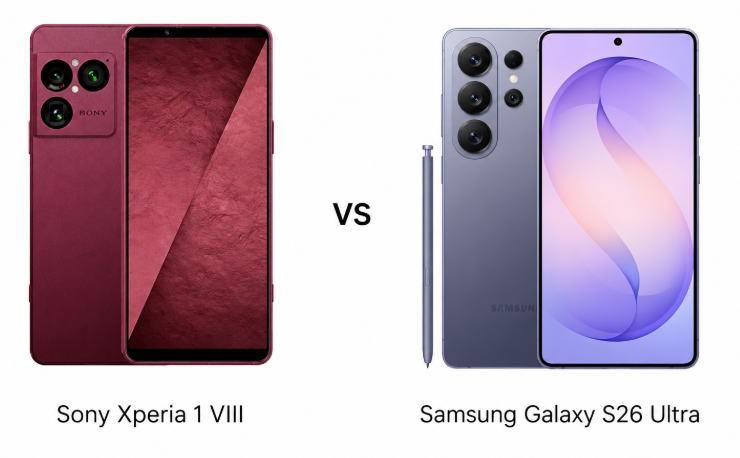
Sony Xperia 1 VIII and Samsung Galaxy S26 Ultra take two completely different approaches to the premium flagship experience. Sony focuses on creator-centric features, professional camera tools, and practical hardware additions, while Samsung pushes toward an all-in-one ultra-premium smartphone with cutting-edge display technology, AI features, and versatile cameras. This comparison breaks down which flagship truly delivers the better experience for photography enthusiasts, power users, and everyday premium buyers.  
Major Features:

FeatureSony Xperia 1 VIIISamsung Galaxy S26 UltraWinner
DesignMinimalist aluminum and glass design with creator-focused stylingPremium ultra-flagship design with integrated S PenSamsung – Feels more futuristic and premium overall
Display6.5-inch LTPO OLED, 120Hz6.9-inch Dynamic LTPO AMOLED 2X, 120HzSamsung – Sharper, brighter, and more immersive
Resolution1080 x 2340 pixels1440 x 3120 pixelsSamsung – Higher pixel density improves clarity
ProtectionGorilla Glass Victus 2Gorilla Armor 2 with anti-reflective coatingSamsung – Better durability and outdoor visibility
ProcessorSnapdragon 8 Elite Gen 5Snapdragon 8 Elite Gen 5Samsung – Slightly faster clock speeds
RAM & StorageUp to 16GB RAM and 1TB storageUp to 16GB RAM and 1TB storageTie – Both offer flagship-level memory options
Expandable StorageYes, dedicated microSD slotNoSony – Rare flagship flexibility advantage
Main CameraTriple 48MP setup with Zeiss optics200MP quad camera setupSamsung – More versatile and powerful hardware
Zoom Camera48MP periscope with 2.9x optical zoom50MP periscope with 5x optical zoomSamsung – Better long-range zoom performance
Selfie Camera12MP with 4K recording12MP with HDR10+ supportSamsung – Better processing and HDR quality
Video Recording4K up to 120fps8K up to 30fps, 4K up to 120fpsSamsung – More advanced video capabilities
AudioStereo speakers + 3.5mm headphone jackStereo speakersSony – Headphone jack remains a huge plus
Battery5000mAh5000mAhTie – Similar endurance expected
Wired Charging30W60WSamsung – Much faster charging speeds
Wireless Charging15W25WSamsung – Faster wireless charging
Software Support4 major Android upgrades7 major Android upgradesSamsung – Longer long-term software support
Special FeaturesAlpha camera support, bypass chargingS Pen, Samsung DeX, UWBSamsung – More productivity-focused extras
PricePriced around $1600 / ₹140000Priced around $1300 / ₹140000Samsung – Better overall value globally
Overall WinnerExcellent for creators and enthusiastsBetter all-round flagship experienceSamsung – More balanced flagship for most buyers
Disclaimer: Specs are based on available data. Actual performance may vary. Verify details from official sources before buying.

1. Design and Display

Build and Feel

The Sony Xperia 1 VIII follows Sony’s signature minimalist design language with a slim profile, flat edges, and practical additions like a dedicated microSD card slot and a 3.5mm headphone jack. The aluminum frame and Gorilla Glass protection give it a premium in-hand feel while still focusing on utility. Samsung Galaxy S26 Ultra feels more futuristic with its curved premium styling, integrated S Pen, and stronger Gorilla Armor 2 protection. Samsung’s anti-reflective coating also makes daily outdoor use noticeably more comfortable.

Sony’s approach feels more enthusiast-focused, especially for users who prefer expandable storage and wired audio. Samsung, meanwhile, feels more polished and luxurious for mainstream flagship buyers.

Display Quality

Samsung clearly pushes ahead in display technology with its larger Dynamic LTPO AMOLED 2X panel, sharper 1440p resolution, and extremely high peak brightness. HDR10+ support and the anti-reflective layer improve media viewing significantly. Sony’s LTPO OLED display still delivers excellent color accuracy and smooth 120Hz performance, especially for creators who appreciate Sony’s natural color tuning.

Verdict

The Xperia 1 VIII feels practical and creator-oriented, while the Galaxy S26 Ultra delivers the more visually impressive flagship experience overall. Samsung wins this round because its display feels more immersive and premium in everyday use.

2. Specifications Including Battery

Performance

Both smartphones use Snapdragon 8 Elite Gen 5 chipsets paired with Adreno 840 graphics, making them among the fastest Android phones available. Samsung’s version carries slightly higher clock speeds, which may provide marginally better benchmark performance and sustained gaming output. The Galaxy S26 Ultra also benefits from Samsung’s software optimization and a seven-year Android update commitment.

Sony counters with cleaner software and features aimed at power users, including native Sony Alpha camera integration and bypass charging for gaming sessions. The dedicated microSD slot also adds flexibility that most premium phones no longer offer.

Battery and Charging

Both devices include 5000mAh batteries, but Samsung takes a major lead in charging speeds with 60W wired and 25W wireless charging. The Xperia 1 VIII’s 30W charging feels slower at this price level, though Sony’s battery management and bypass charging can help maintain long-term battery health. Samsung simply feels more convenient for fast top-ups during busy days.

Verdict

Performance differences are small, but Samsung offers a more complete flagship package thanks to faster charging, longer software support, and stronger optimization. Sony still appeals more to enthusiasts who prioritize flexibility and creator-focused features.

3. Camera

Main and Secondary Lenses

Sony equips the Xperia 1 VIII with a triple 48MP camera setup featuring Zeiss optics, advanced eye tracking, and strong manual camera controls. The imaging style leans toward natural colors and professional-grade tuning rather than aggressive processing. The telephoto sensor with close focusing abilities also adds versatility for creative photography.

Samsung Galaxy S26 Ultra goes for outright hardware dominance with its massive 200MP main camera, dual telephoto system, and advanced computational photography features. The 5x periscope zoom and high-resolution ultrawide camera give Samsung more flexibility across different shooting conditions. Samsung’s video capabilities, including 8K recording and advanced stabilization, also feel more consumer-friendly and polished.

Sony’s camera experience feels more rewarding for photography enthusiasts who enjoy manual control. Samsung, however, consistently produces more dramatic and instantly shareable images.

Selfie Camera

Both phones feature 12MP selfie cameras capable of 4K recording, but Samsung adds HDR10+ support and stronger image processing. Selfies from the S26 Ultra tend to appear brighter and more social-media-ready, while Sony maintains a more natural appearance.

Verdict

Sony offers a refined creator-focused camera system, but Samsung delivers the more versatile and dependable flagship camera experience overall. The Galaxy S26 Ultra is better suited for most users, especially those who prioritize zoom, video, and quick image processing.

4. Pricing

The Sony Xperia 1 VIII is priced around $1600 / ₹140000, while the Samsung Galaxy S26 Ultra is priced around $1300 / ₹140000. Despite the similar Indian pricing, Samsung undercuts Sony significantly in global markets while offering stronger charging speeds, a larger and brighter display, longer software support, and more versatile camera hardware.

Sony justifies its premium positioning through enthusiast-oriented features such as expandable storage, a headphone jack, Alpha camera integration, and a cleaner, professional-style experience. These additions are becoming increasingly rare in flagship smartphones, which gives Xperia a unique identity. However, many mainstream buyers may still find Samsung’s broader feature set more compelling for the money.

Samsung feels like the safer value choice because it balances premium hardware with practical everyday advantages. Sony appeals more to a niche audience that specifically values creative freedom and hardware flexibility.

Verdict

The Galaxy S26 Ultra delivers stronger overall value for most flagship buyers. The Xperia 1 VIII justifies its price mainly for photography enthusiasts, creators, and users who still prefer classic premium smartphone features.


Disclaimer:
Prices are approximate and may vary based on country, region, launch timing, and applicable taxes. Always check whether the listed price is for a China unit or a global/international variant when purchasing.

5. Conclusion

The Sony Xperia 1 VIII stands out because it refuses to follow modern flagship trends completely. Features like the headphone jack, microSD expansion, manual photography tools, and Sony Alpha integration make it feel like a true enthusiast smartphone. It is clearly designed for creators who want precision and control rather than automated processing.

The Samsung Galaxy S26 Ultra focuses on delivering the ultimate all-around flagship experience. The brighter display, integrated S Pen, stronger software support, faster charging, advanced AI features, and versatile camera system make it feel more future-proof. Samsung also delivers a smoother balance between productivity, entertainment, and casual photography.

Sony’s uniqueness gives it a distinct charm, especially for users tired of identical flagship experiences. Samsung, however, simply covers more areas successfully and feels easier to recommend universally.

Verdict

The Sony Xperia 1 VIII is the better choice for creators, audio enthusiasts, and users who value flexibility. The Samsung Galaxy S26 Ultra is the superior overall flagship for most buyers thanks to its balanced performance, display quality, charging, software support, and camera versatility.

Disclaimer: This comparison is based on the specifications provided and is intended for general informational purposes. Actual performance, camera results, battery life, and overall experience may vary depending on real-world usage, software updates, and individual preferences.

Read More:

Comments