
Add GIZMOCHINA as Preferred Source on Google
As an Amazon Associate, Gizmochina earns from qualifying purchases. Links on this page may earn us a commission at no extra cost to you.
Let’s get it straight: the OPPO Find X9 Ultra did not disappoint. It’s genuinely a great camera phone. After carrying it on a five‑day trip to Japan and capturing over a thousand photos, I came to fully appreciate just how impressive its strengths really are. That said, I also discovered quite a few weaknesses. So let’s dive into the sample shots and break down the camera performance of the Find X9 Ultra.
**All the photos on this webpage are compressed. Please check out the video for high-resolution samples.**
Buy the OPPO Find X9 Ultra Global version on GeekWills here.
Master Mode
Since Master Mode tends to reduce shutter time, photos often come out slightly underexposed. Combined with vignetting and lighter post-processing, the results look more cinematic. Shots taken at dusk also appear much closer to what your eyes actually see, while the default mode makes it feel like the sun never went down. The downside, however, is that exposure can sometimes be pushed too low, turning sunny days into scenes that look overcast.
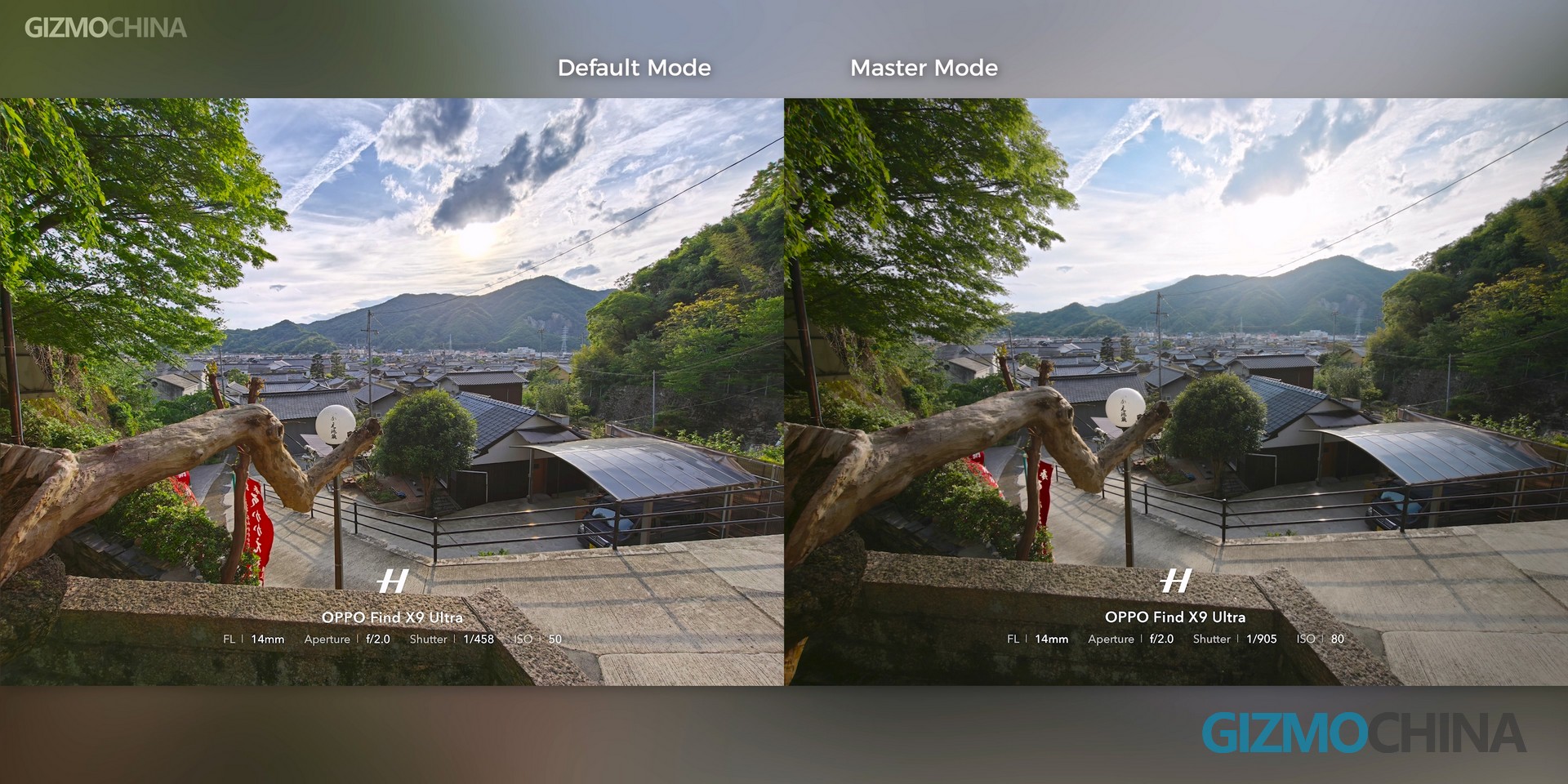
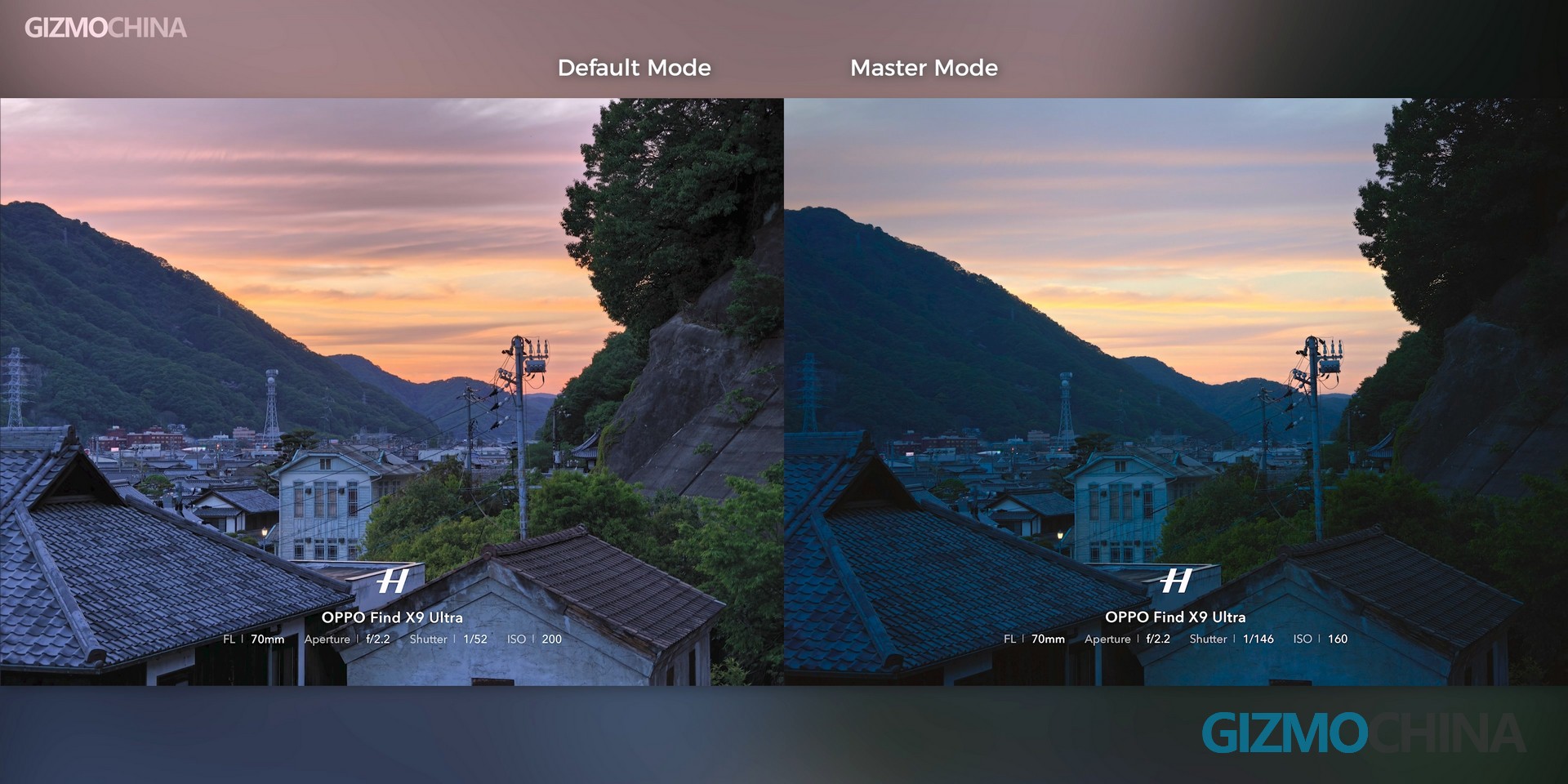
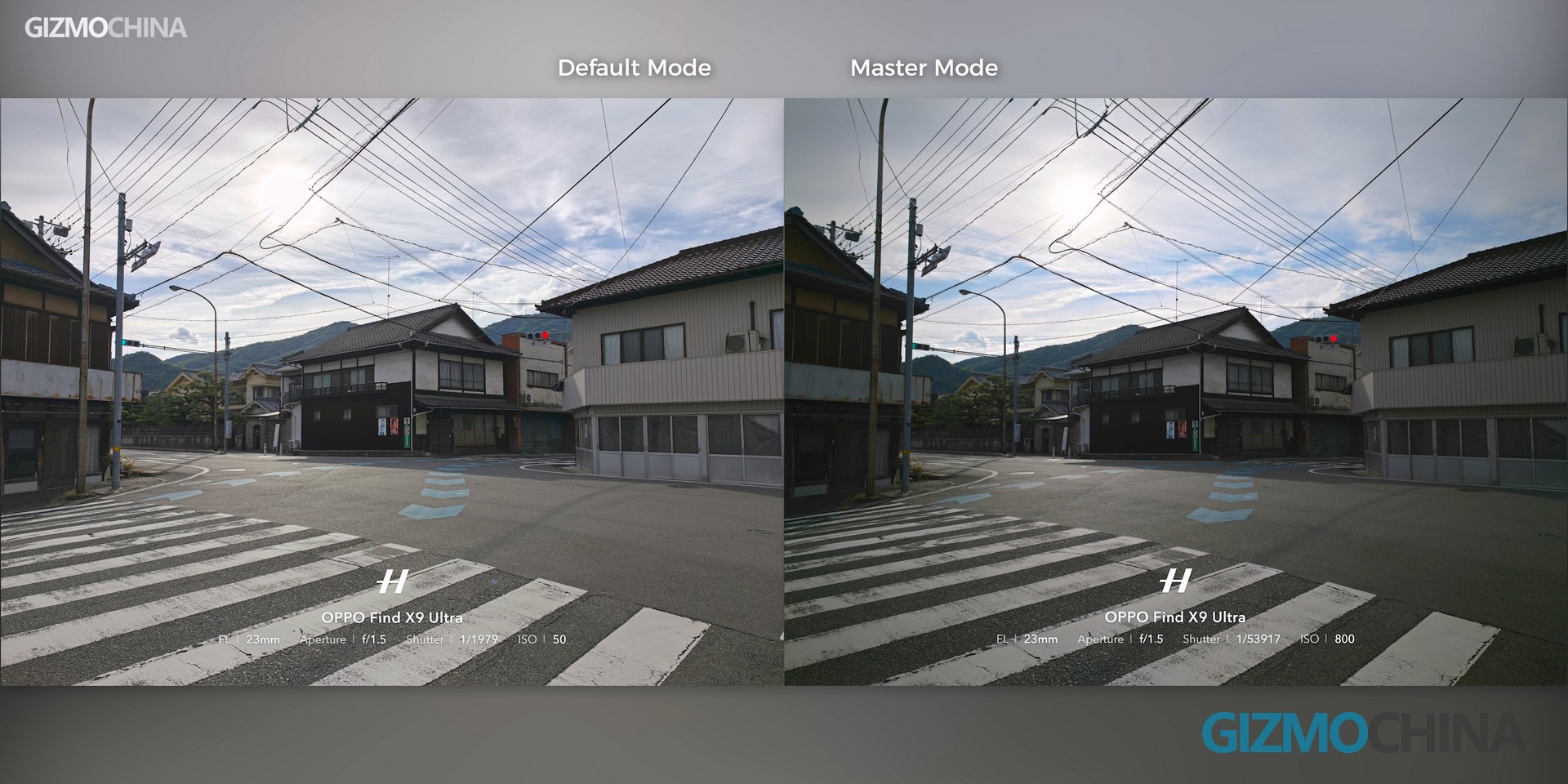
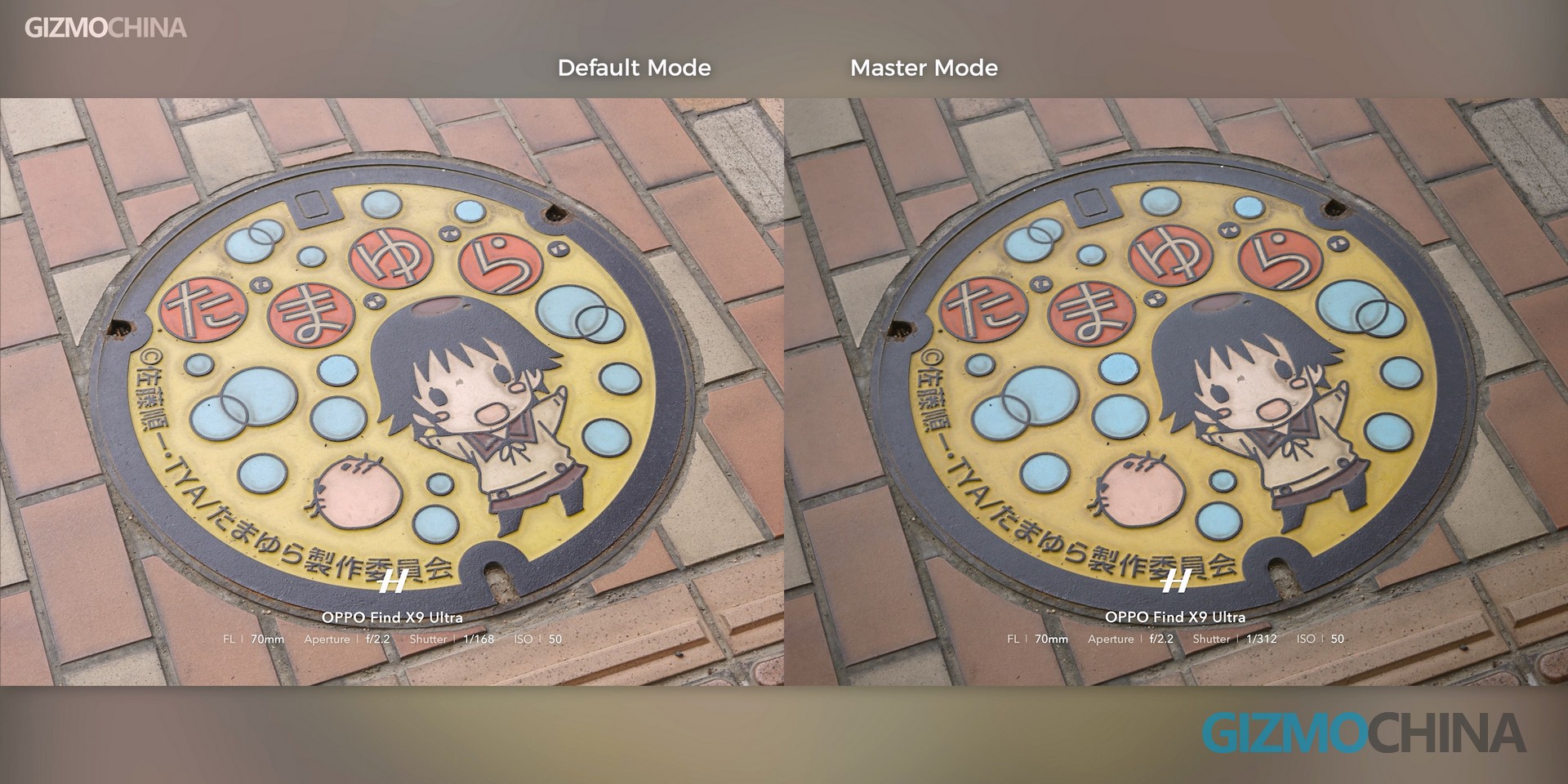
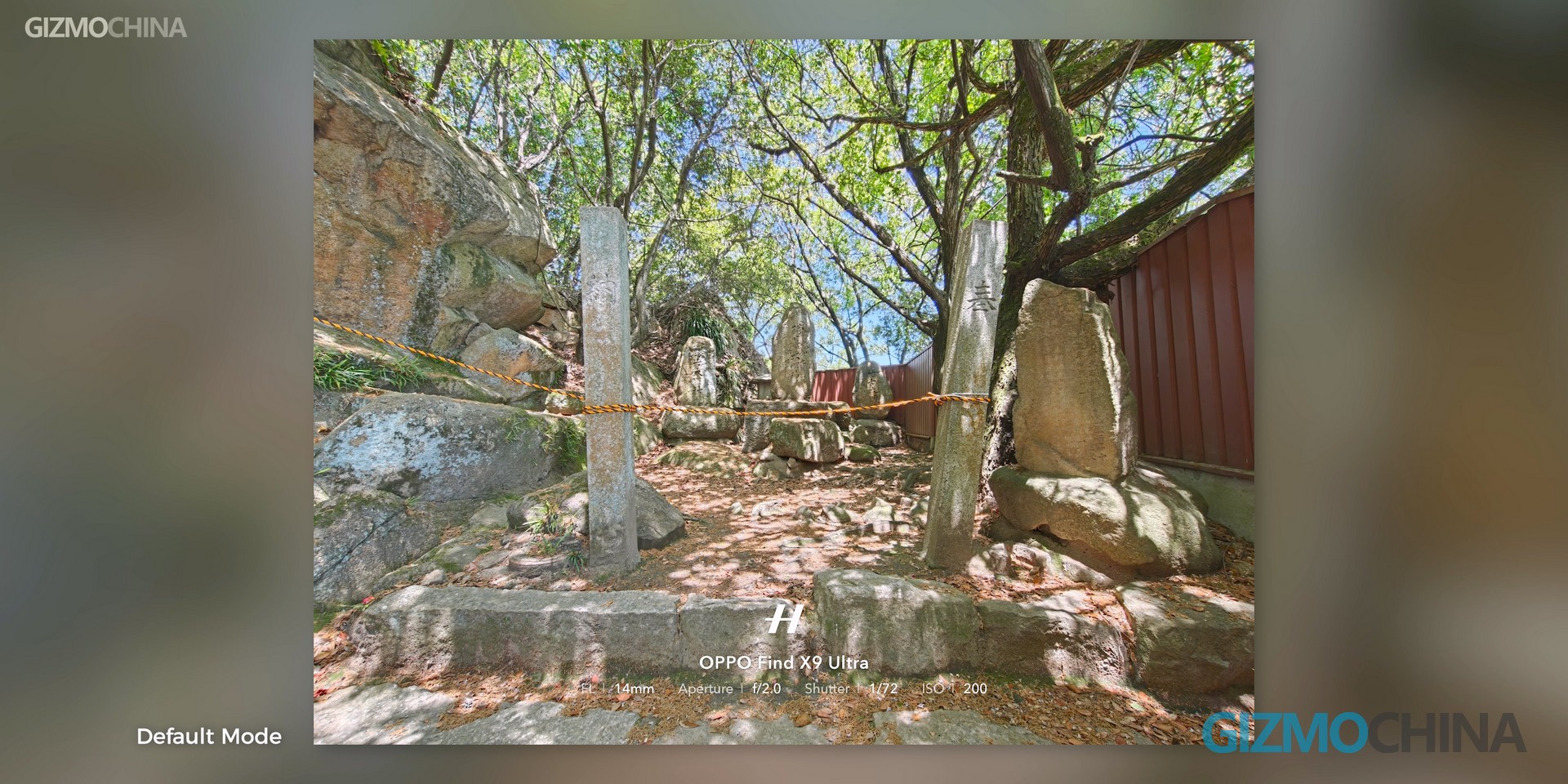
As for the default mode, its characteristics are very aggressive HDR, heavy sharpening, and highly saturated colors. Well, sometimes it really does make your photos look better, like sharper details and higher dynamic range. But it depends on the scene, and sometimes it completely ruins the shot. For example, the excessive HDR processing can make daytime photos look flat, and even the sun no longer feels blinding.

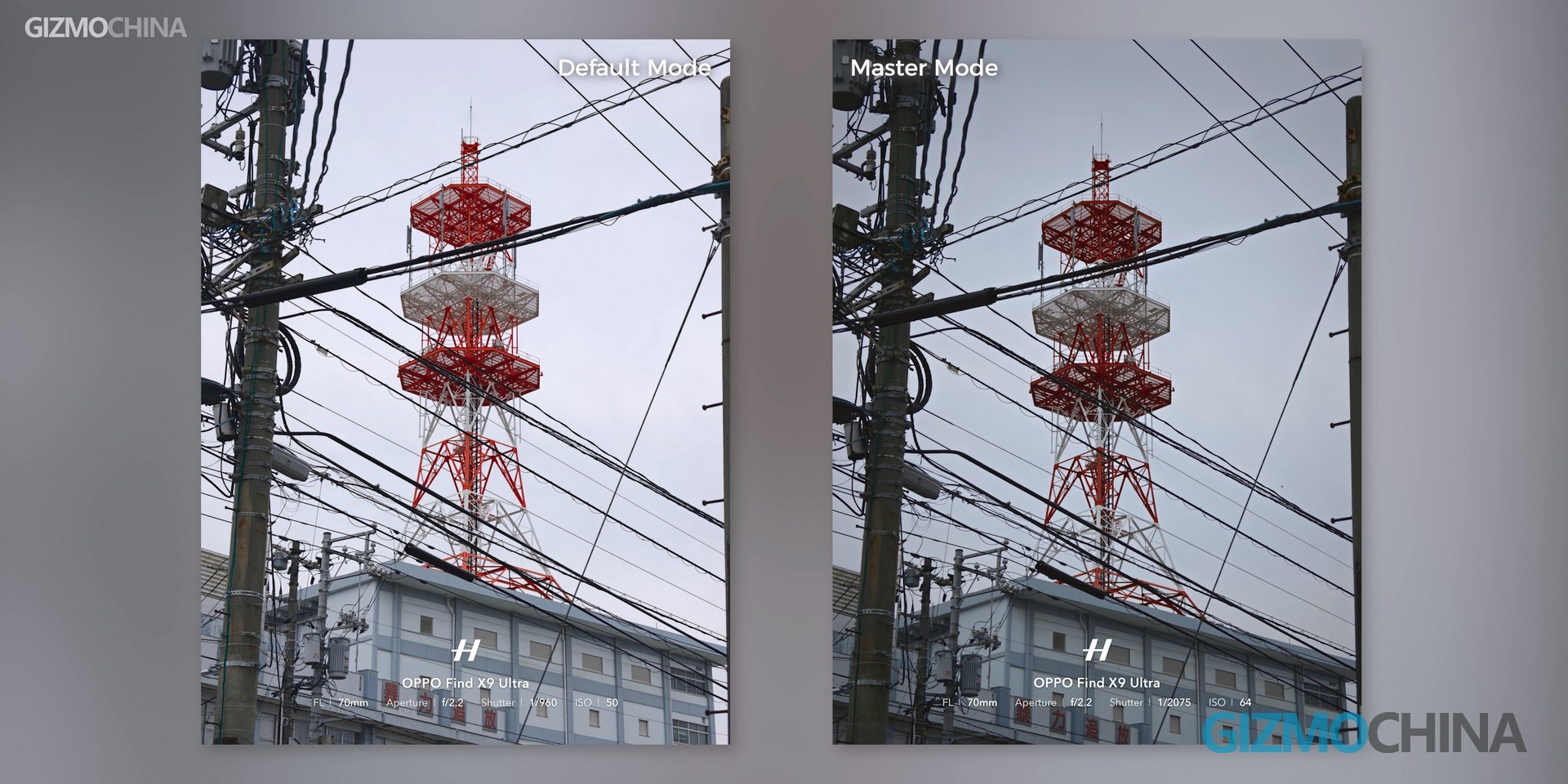
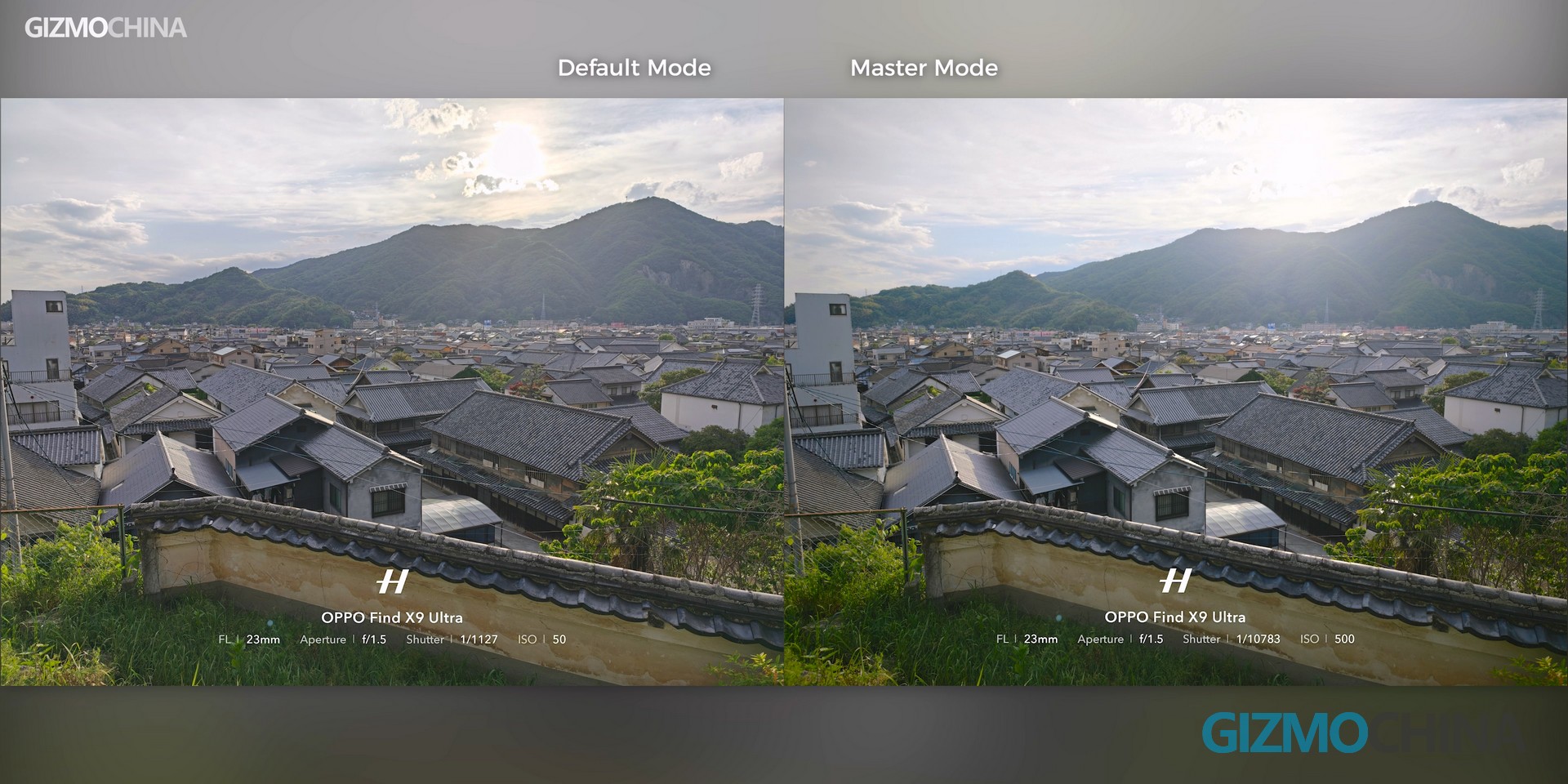
At night, shadow areas may also exhibit slight color artifacts.
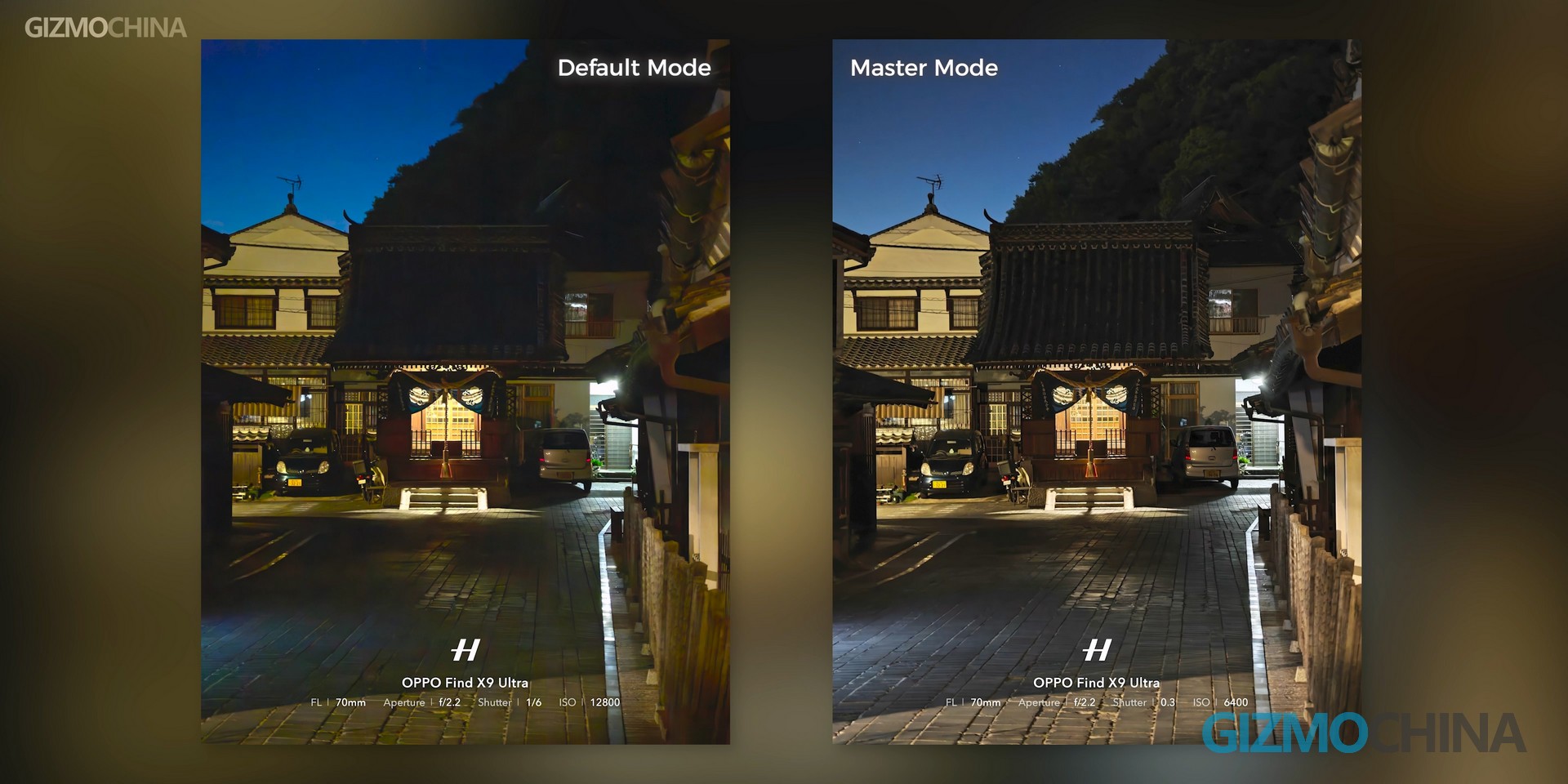
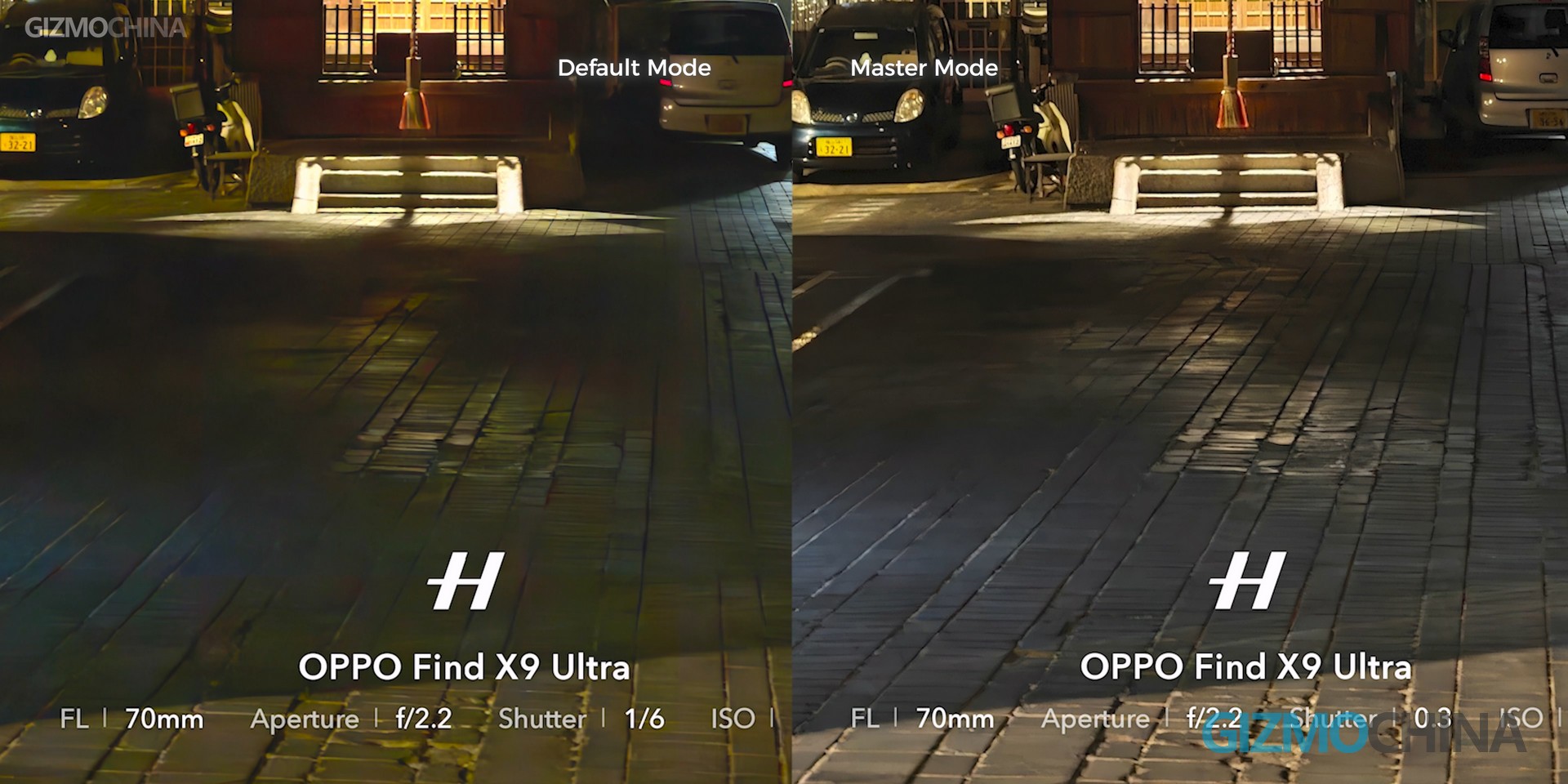
Based on my experience of taking over a thousand photos, I still recommend using Master Mode for daily shooting, and only switching back to the default mode when the scene doesn’t suit it. Because honestly, after looking at too many high-contrast and over-sharpened photos, it really feels like they’re assaulting my eyes. So, unless otherwise specified, every photo shown was taken using Master Mode.
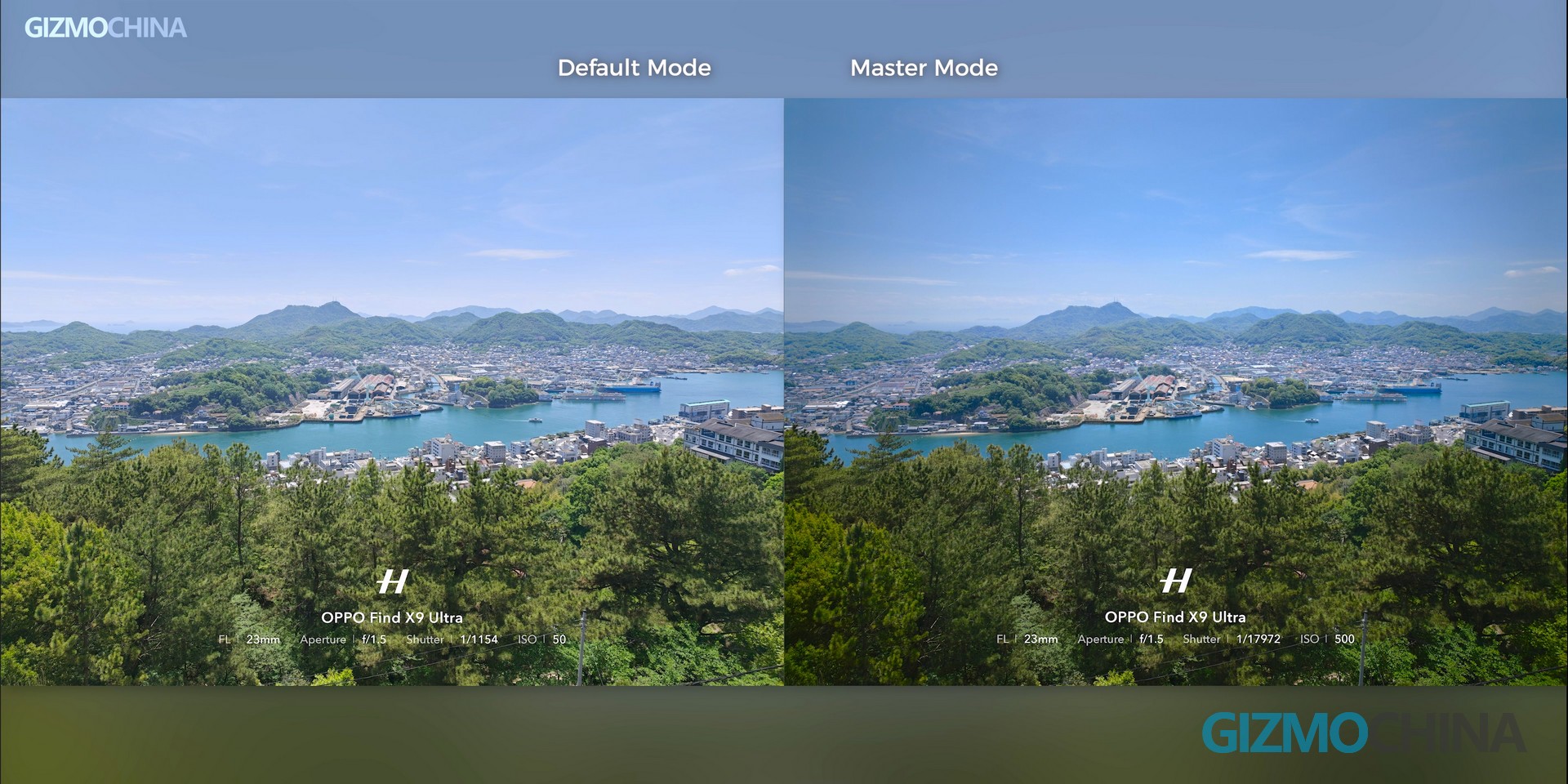
23mm
Although the sensor has become smaller and the glass elements is gone, the actual image quality has not regressed. You can still take photos with an extremely shallow depth of field. Though sometimes a shallow depth of field is not necessarily a good thing, especially when shooting food.
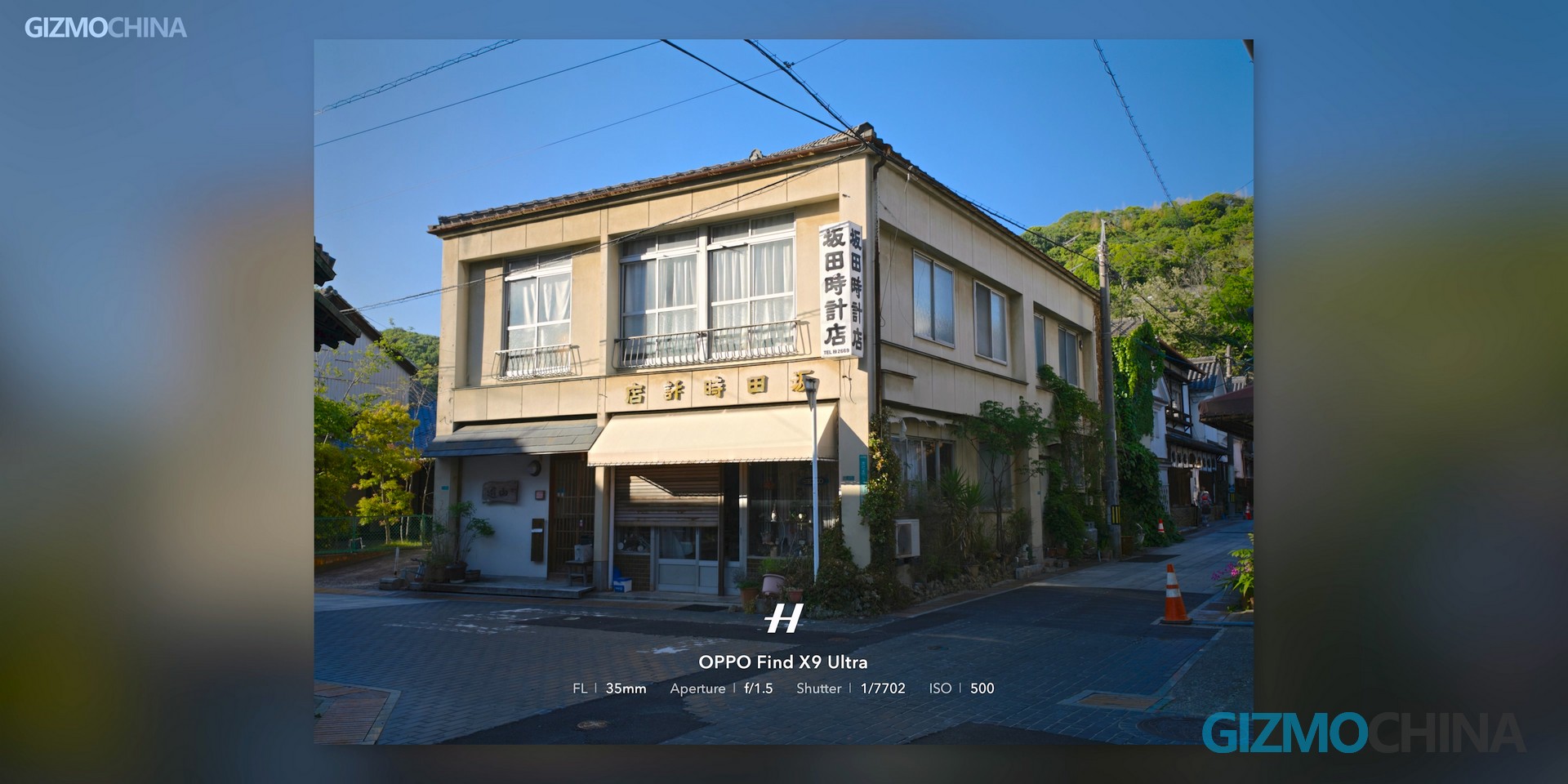
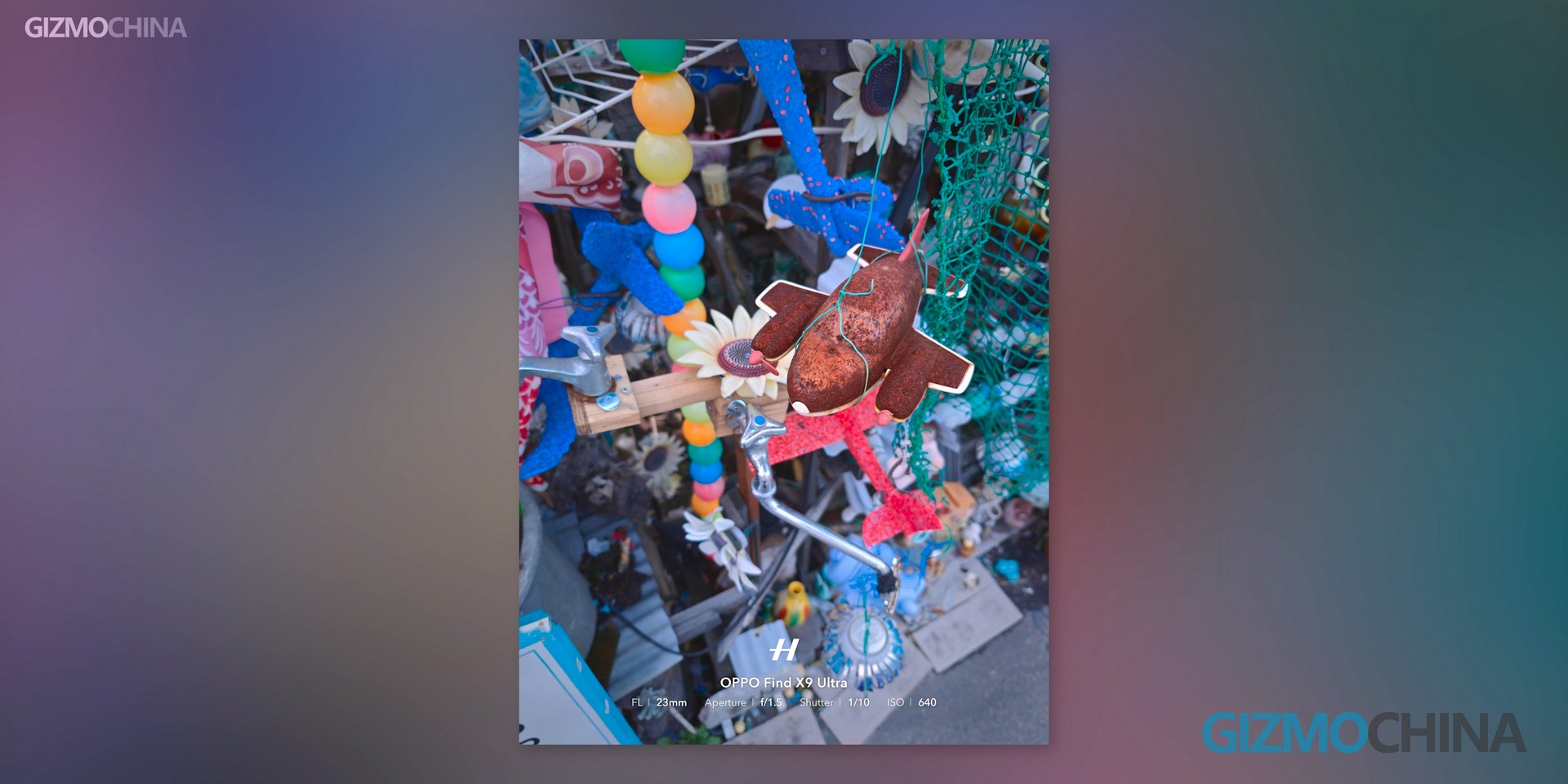
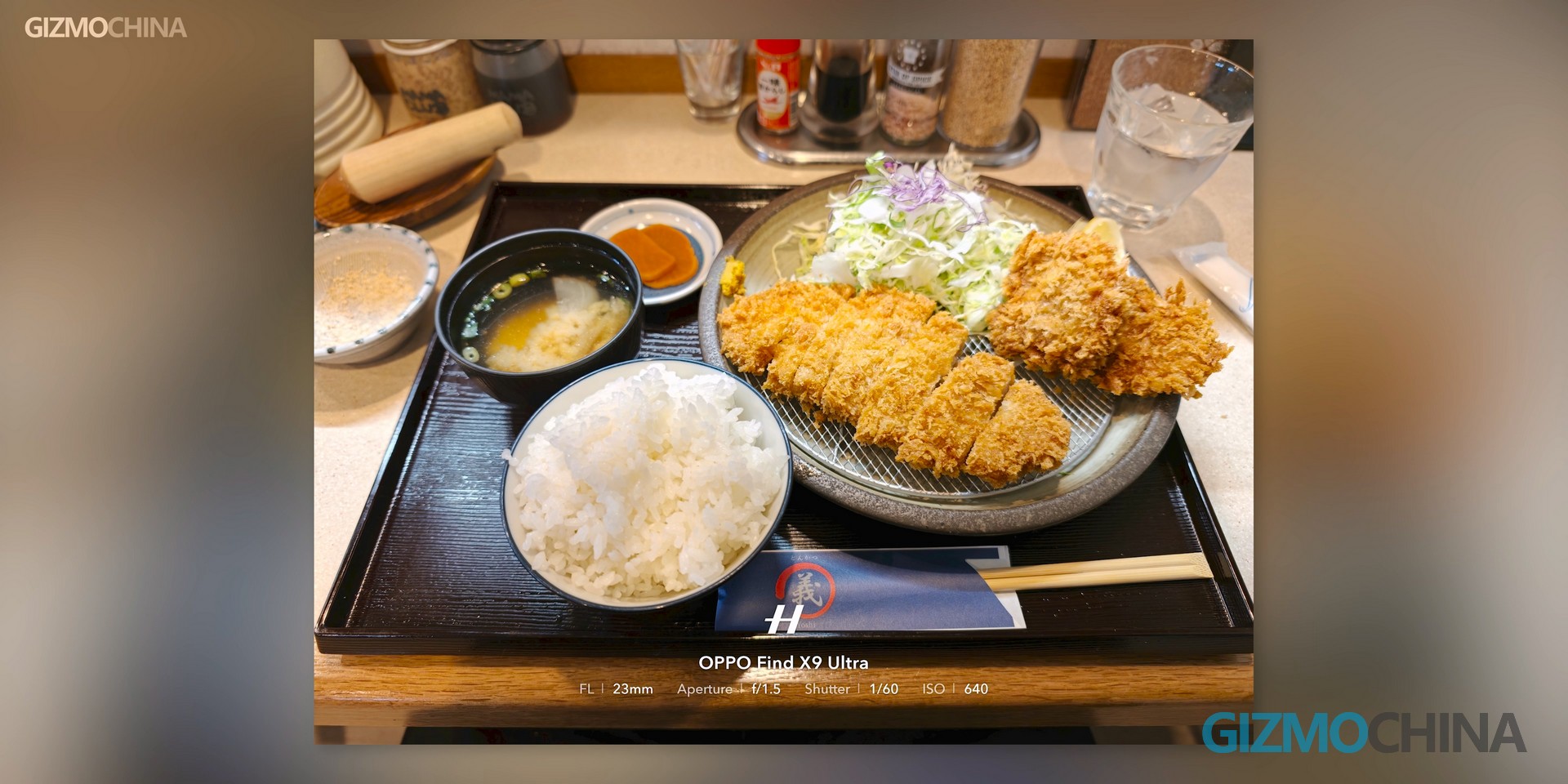

Thankfully, this time the main camera is 200MP, so OPPO added a new option in the Find X9 Ultra: High Resolution mode. Once enabled, under good lighting conditions, the photos you take will be 28MP. This allows the camera to fully take advantage of the high-resolution sensor.
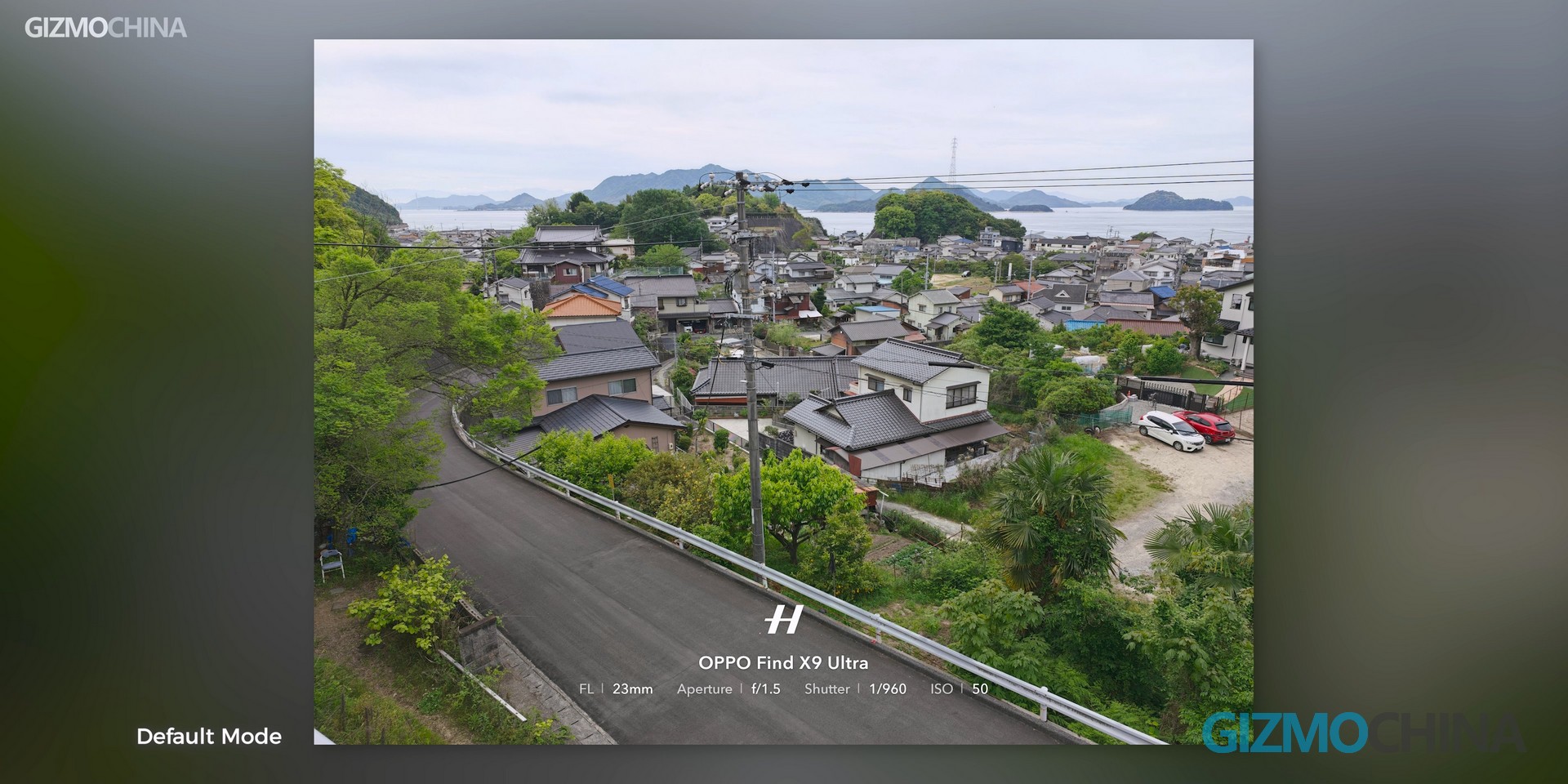
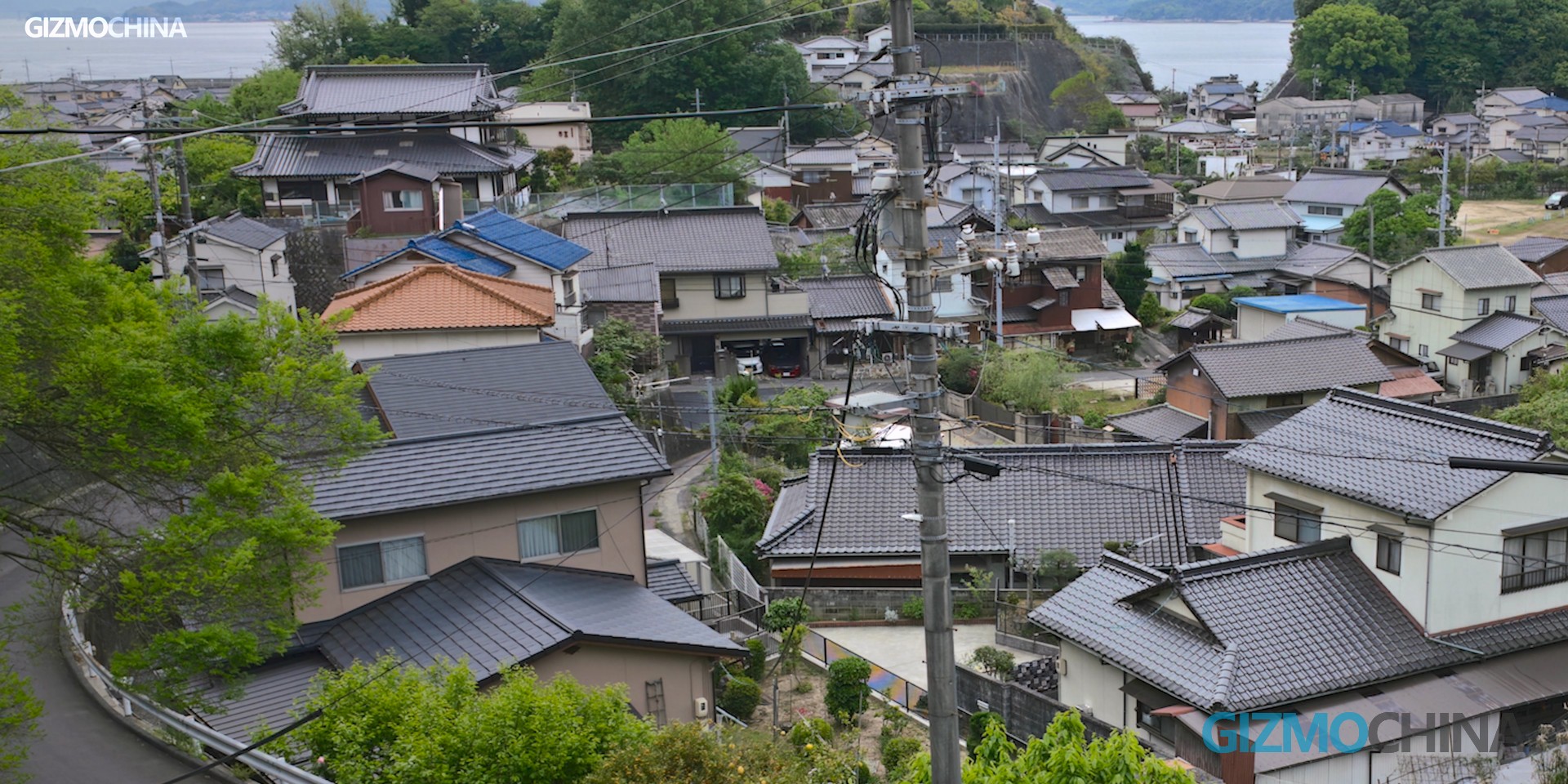
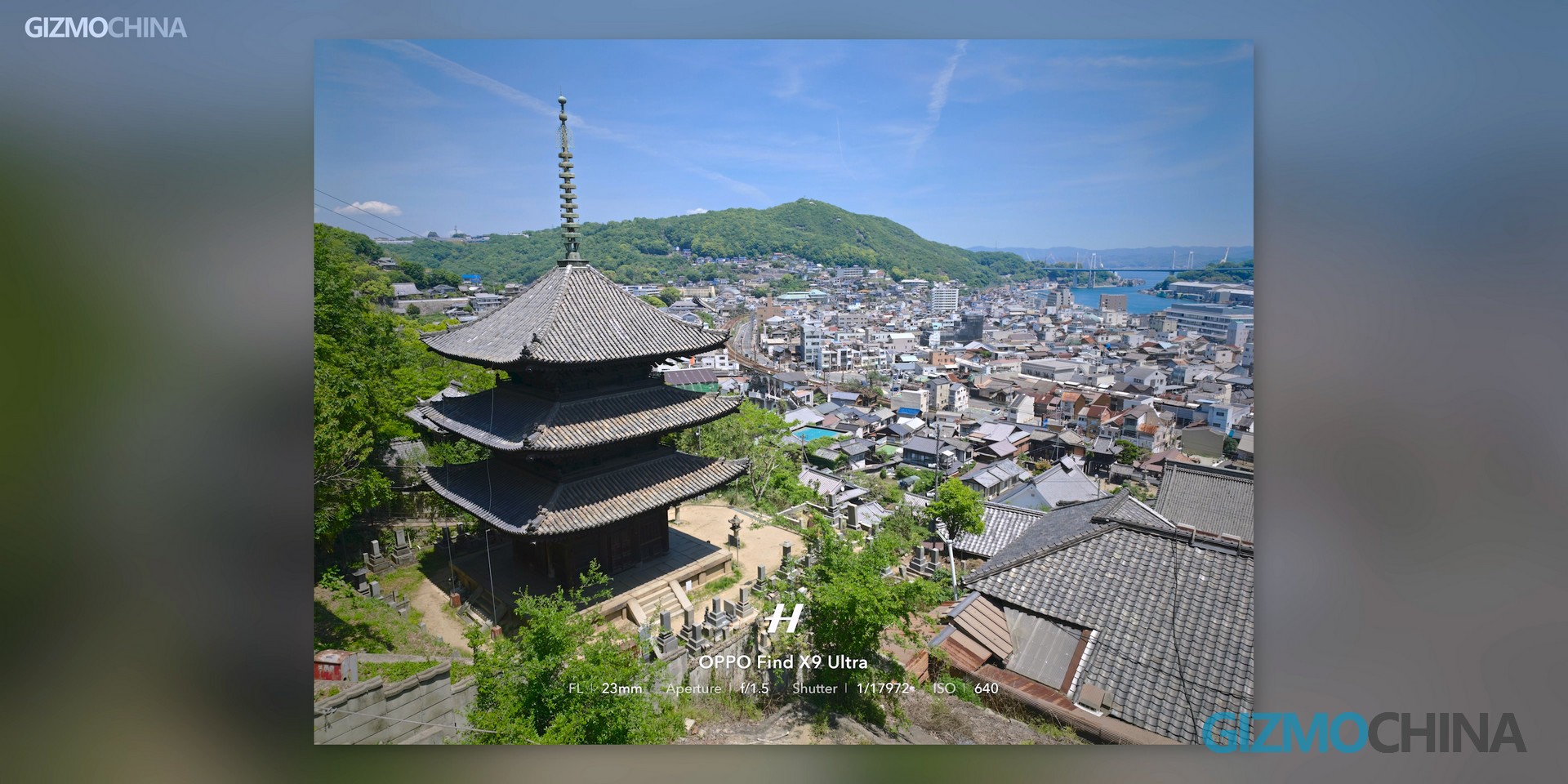
Well, there’s honestly not much else to say. This main camera is simply one of the best cameras available right now, and it can reliably capture what you want in almost any situation.
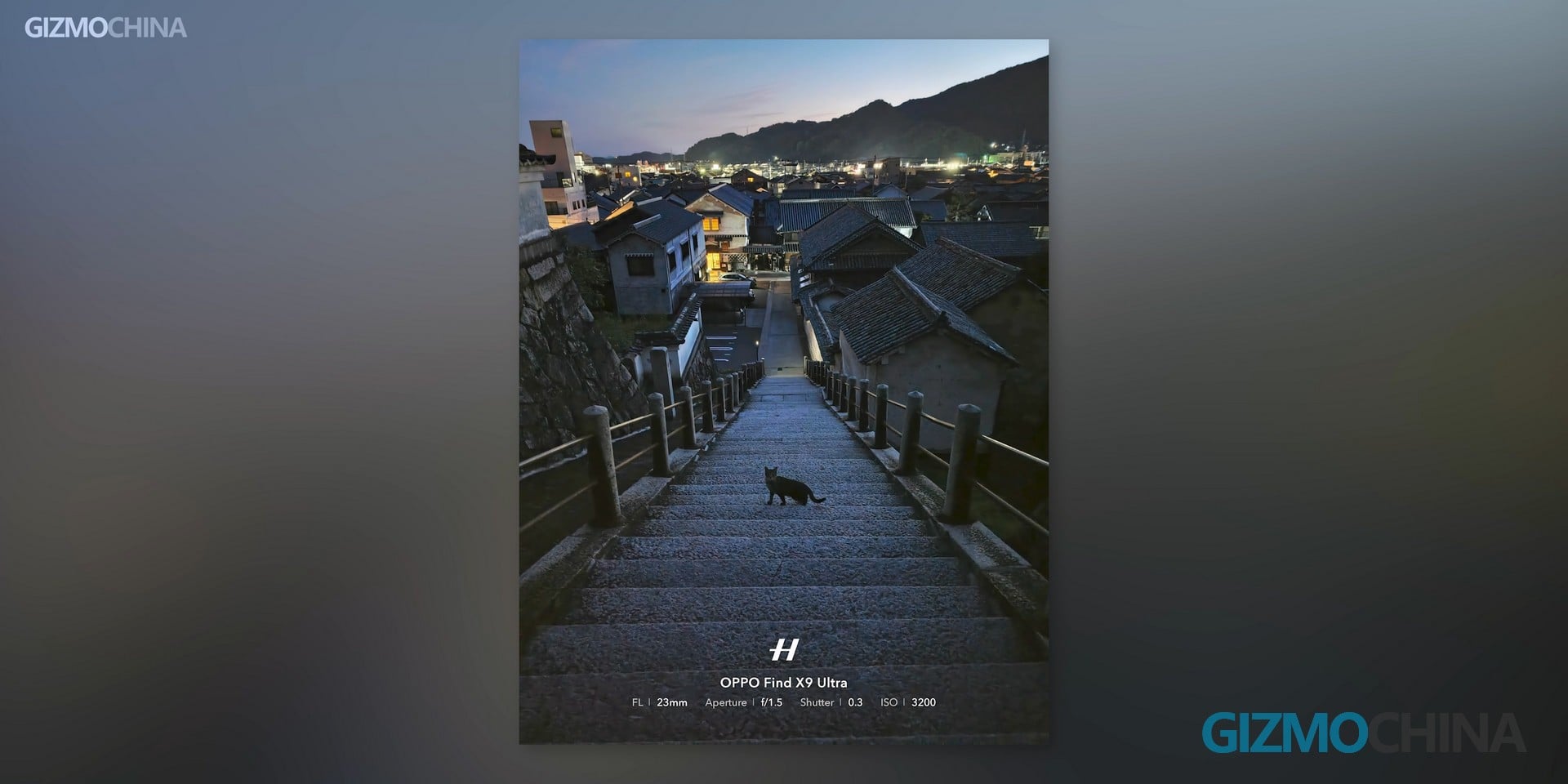
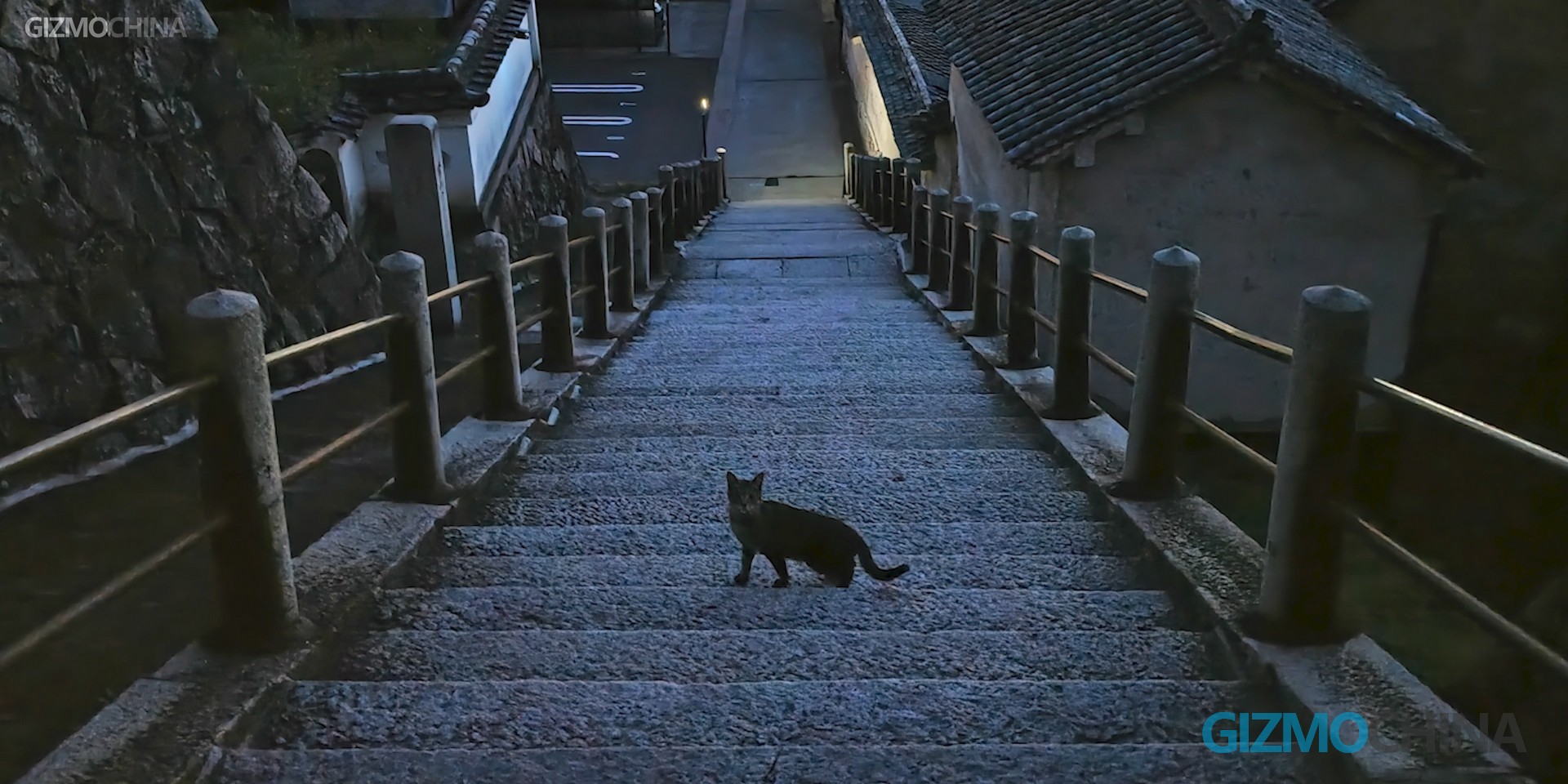
For example, the photo was taken in an environment where I could barely see anything with my own eyes. Under conditions like that, only the main camera could capture the black cat walking by at night.
230mm
Because this new 10x optical telephoto lens requires light to go through five reflections before reaching the sensor, theoretically, its optical quality was never going to be amazing. And in practice, that’s exactly the case. If you zoom in and inspect any photo taken with this lens, you can almost always find red or green outlines appearing around object edges.


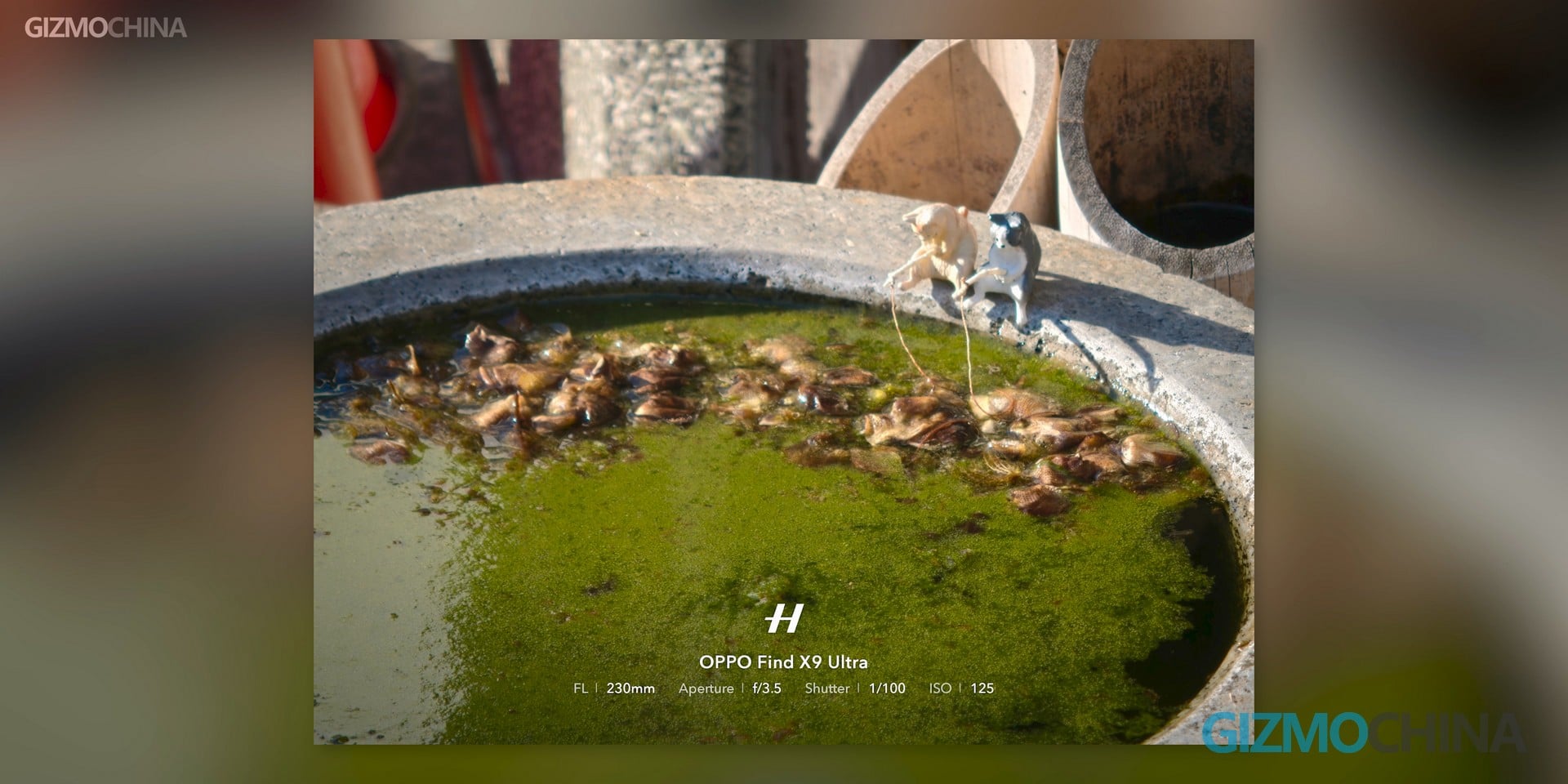

Since chromatic aberration exists, spherical aberration naturally exists as well. Simply put, the image just doesn’t look sharp enough. And if you’re using Master Mode, the photos can end up looking like they have a soft diffusion filter applied. So it’s obvious that the bottleneck of this camera is not the sensor, but the lens itself. Compared to the Samsung S23 Ultra, this telephoto camera only wins by a very narrow margin in image quality.
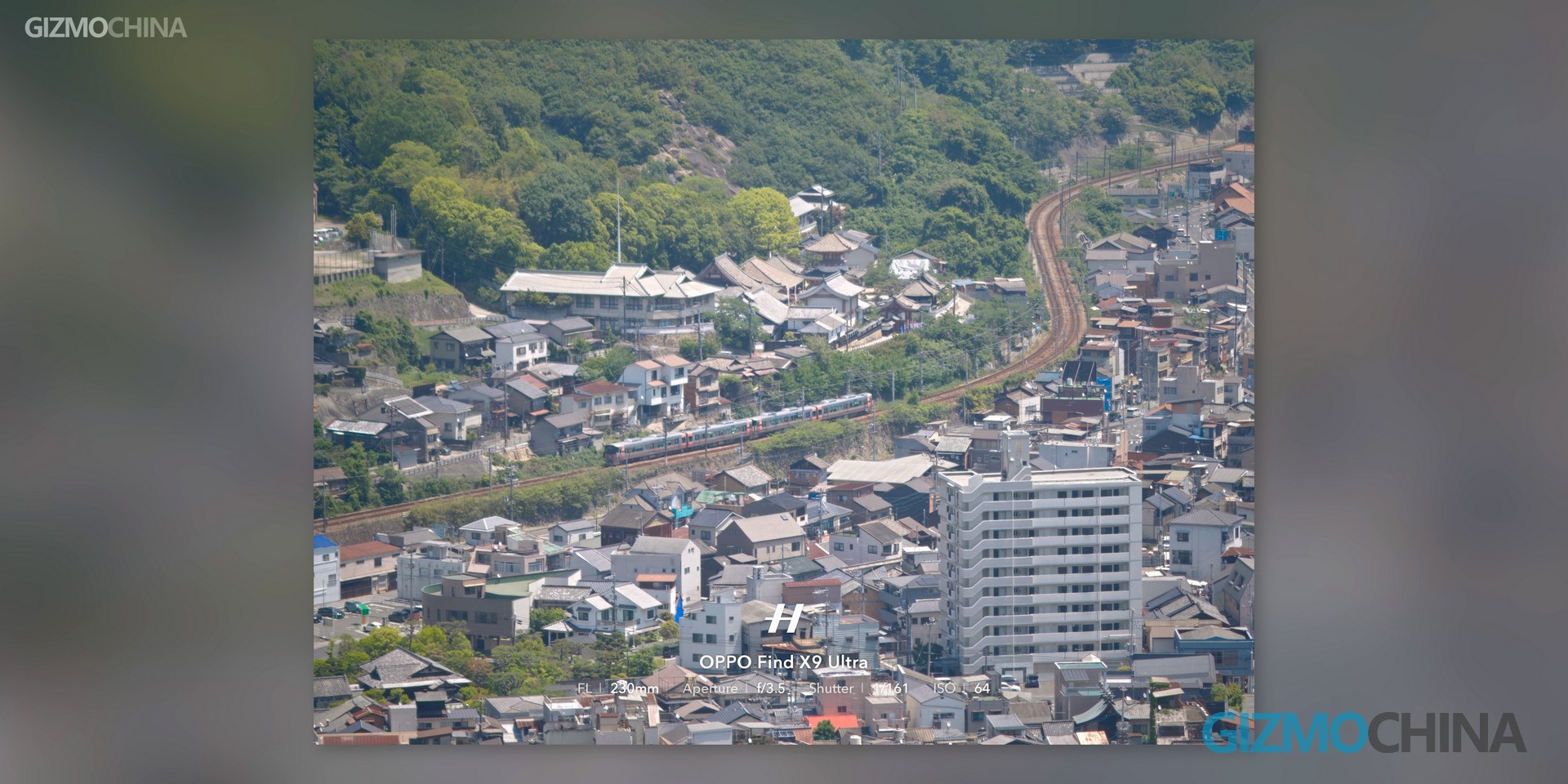

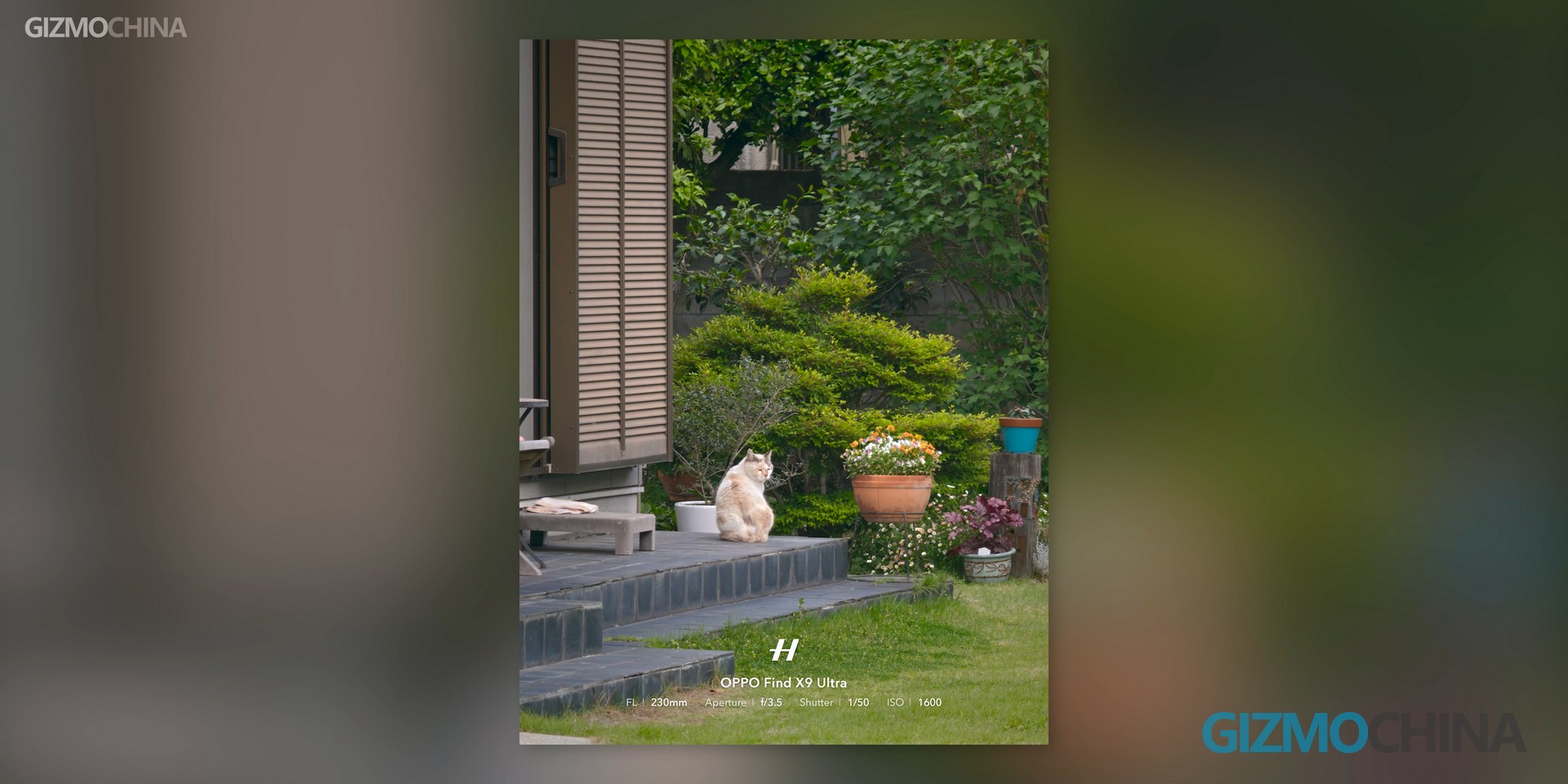
The scenarios where this high-resolution sensor truly shines are cloudy weather or scenes beyond 230mm. Without harsh lighting, the aberration issues become much less noticeable. And thanks to In-Sensor Zoom, it can extend to 460mm, making bird photography barely usable as well. Even though I complained quite a bit about the aberration problems earlier, realistically, if you don’t zoom in, you probably won’t notice them at all. And once the photos are uploaded to social media, nobody will notice those tiny flaws anyway. In reality, I’m still pretty satisfied with this lens. It may not be perfect, but it genuinely allows me to capture more distant scenery.
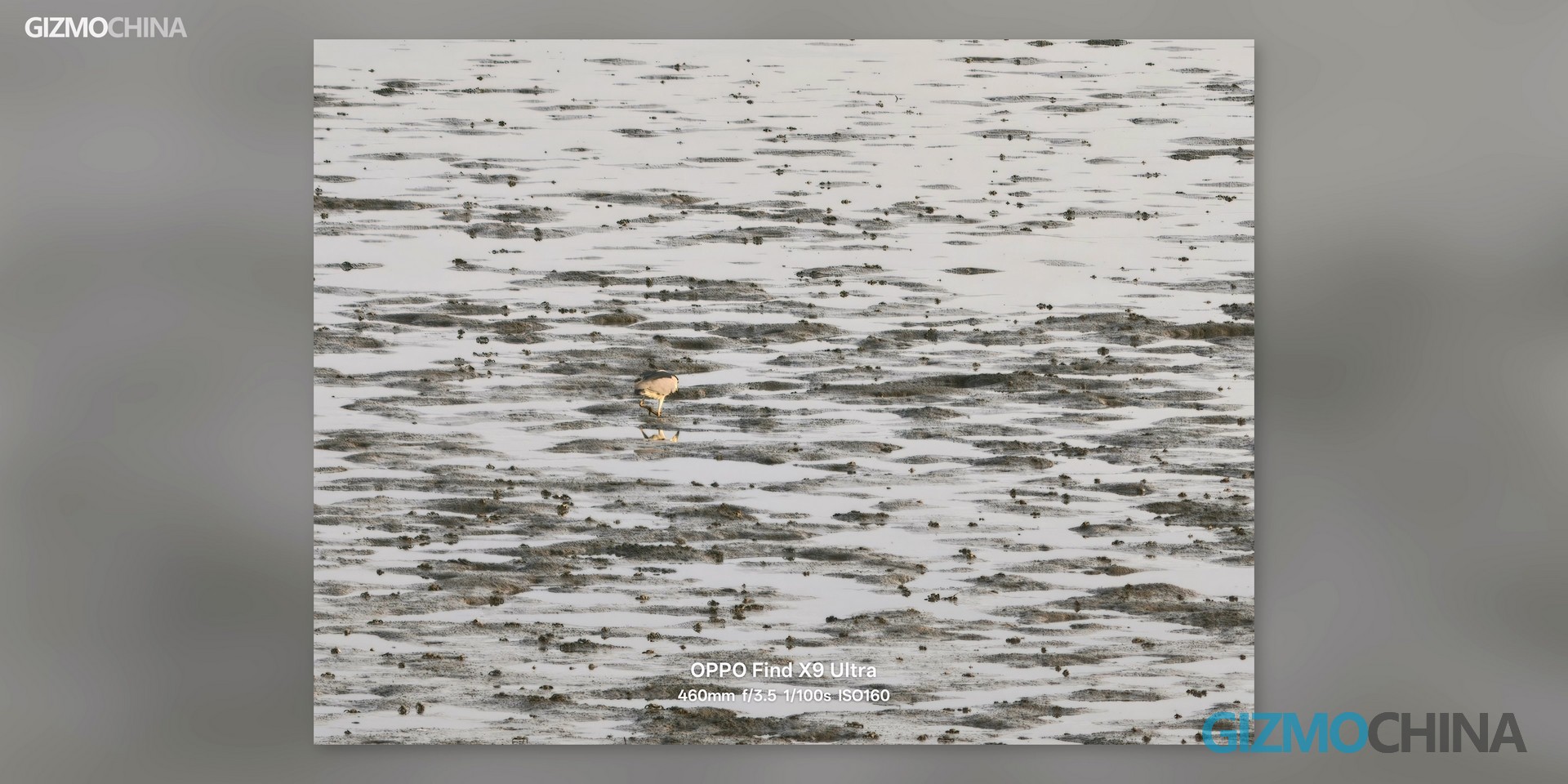

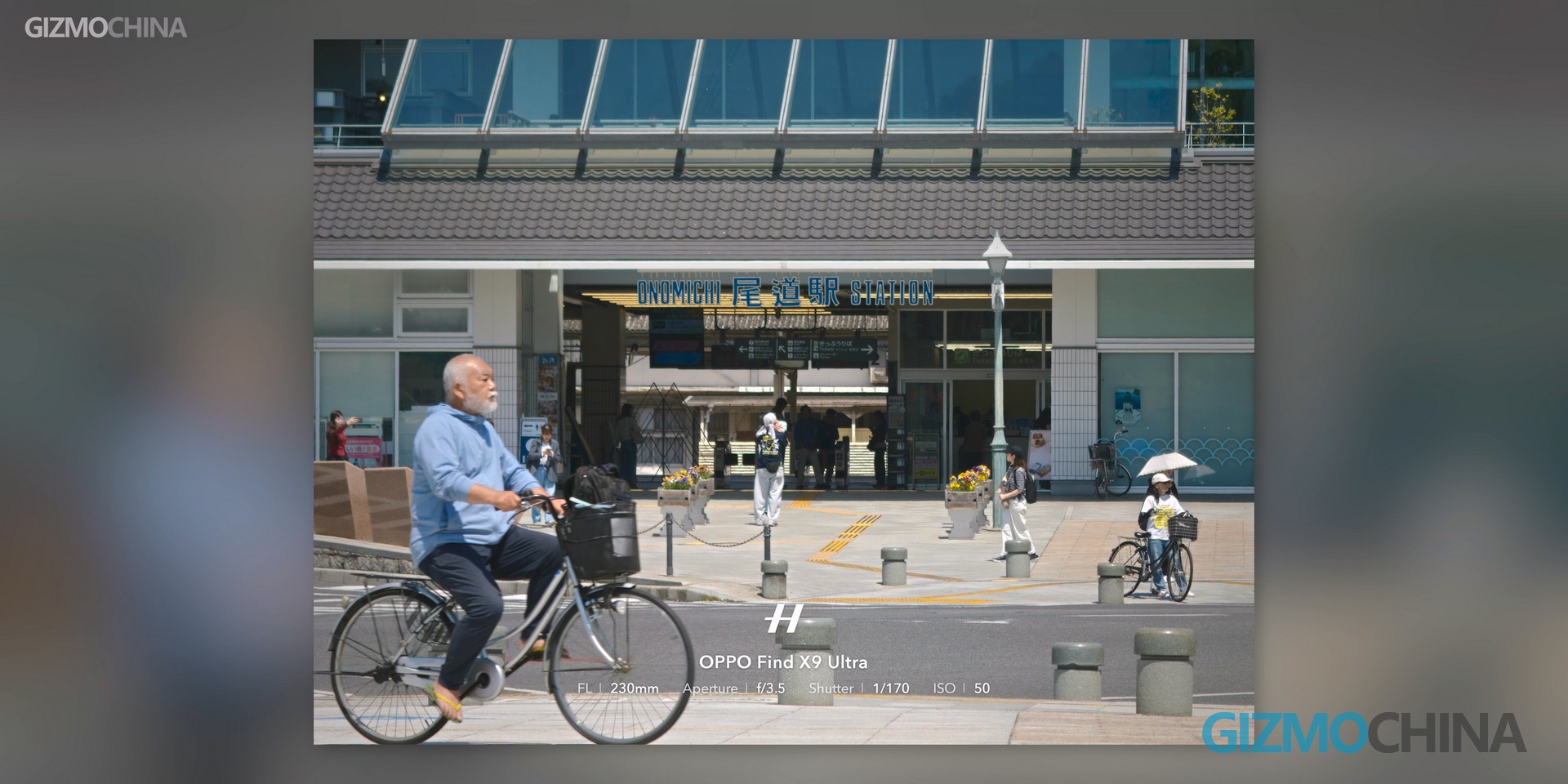
Have you ever thought about this question: under what circumstances would you even photograph such distant objects in pitch-black darkness? So even though it does perform better than Samsung at night, I honestly think that advantage is meaningless.
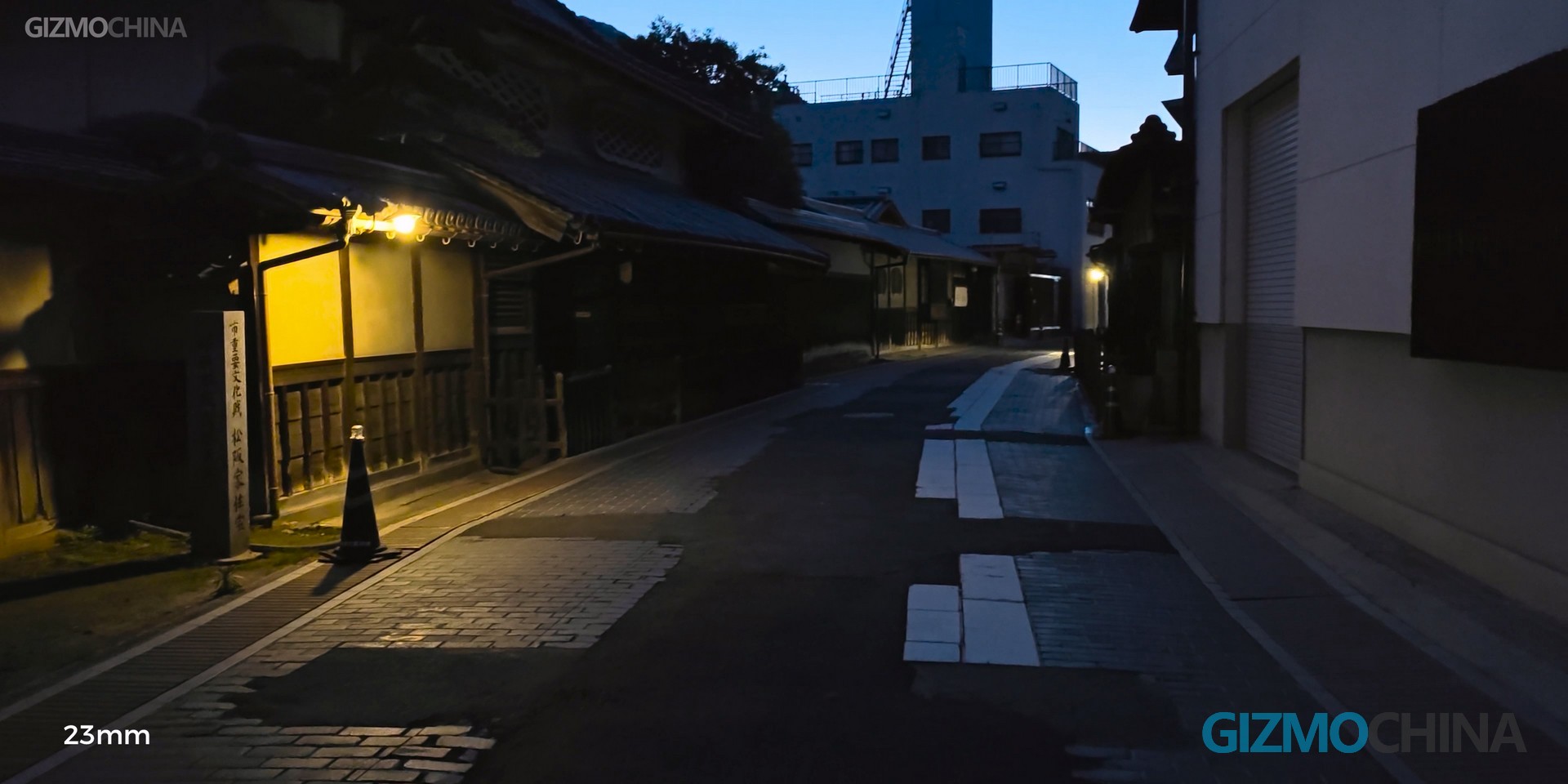
70mm
Between the ultra-long telephoto camera and the main camera, OPPO chose a 200MP sensor as the transition camera. But with an aperture this large, calling it a “transition camera” doesn’t really feel appropriate. In fact, out of all four cameras, this one is my favorite. With its massive sensor size and huge aperture, this is the best 70mm camera ever made on a smartphone.
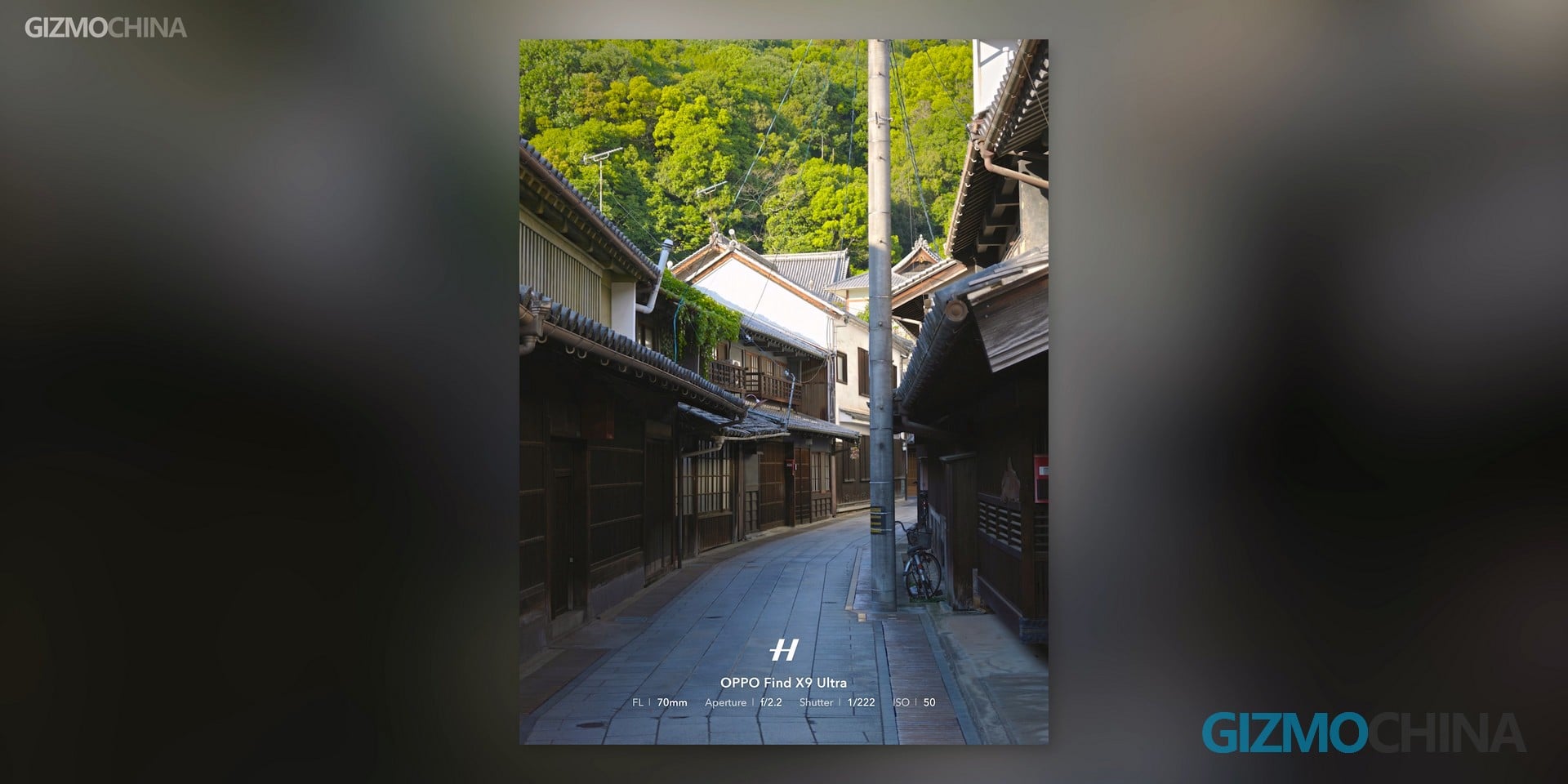
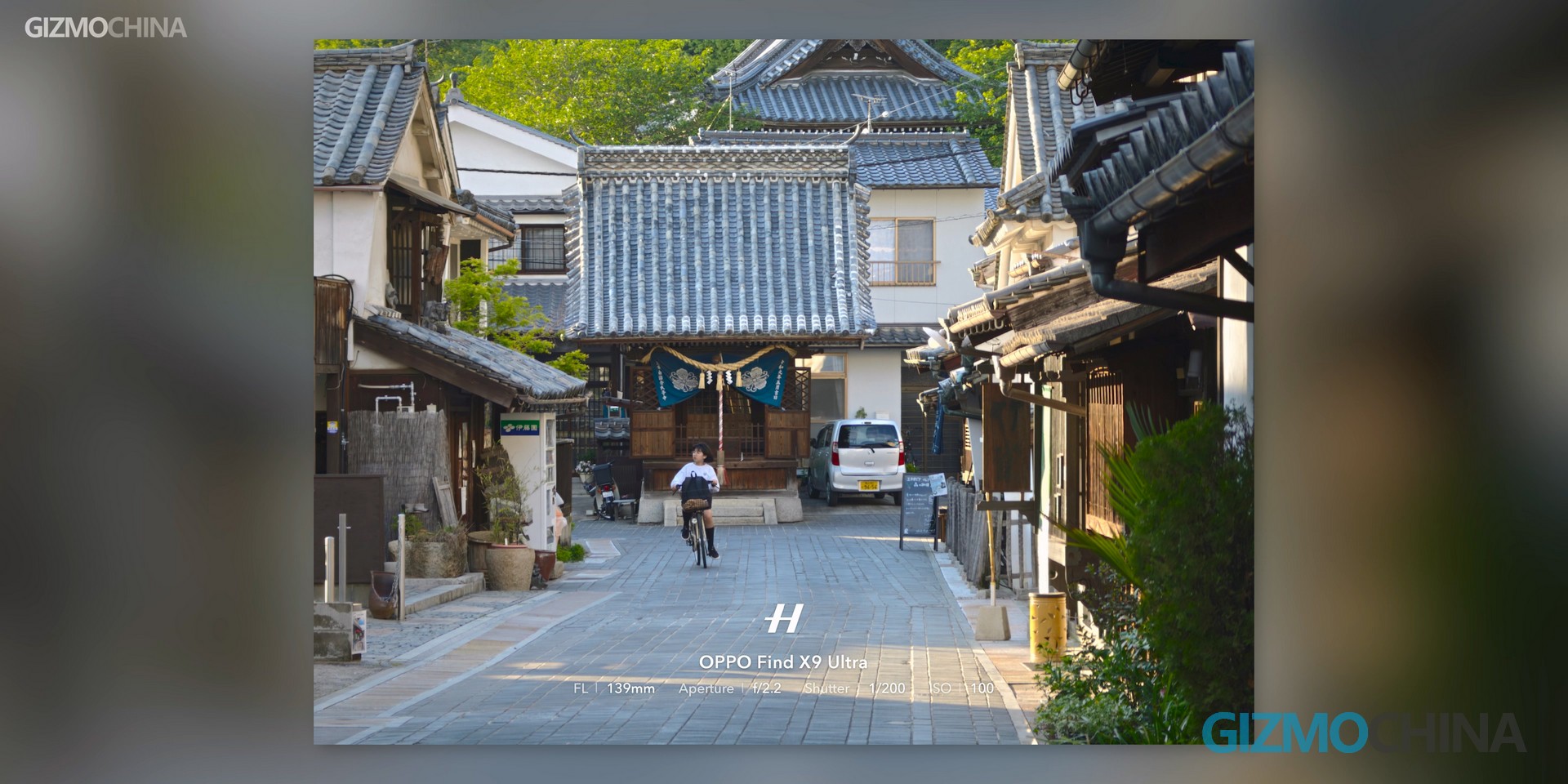
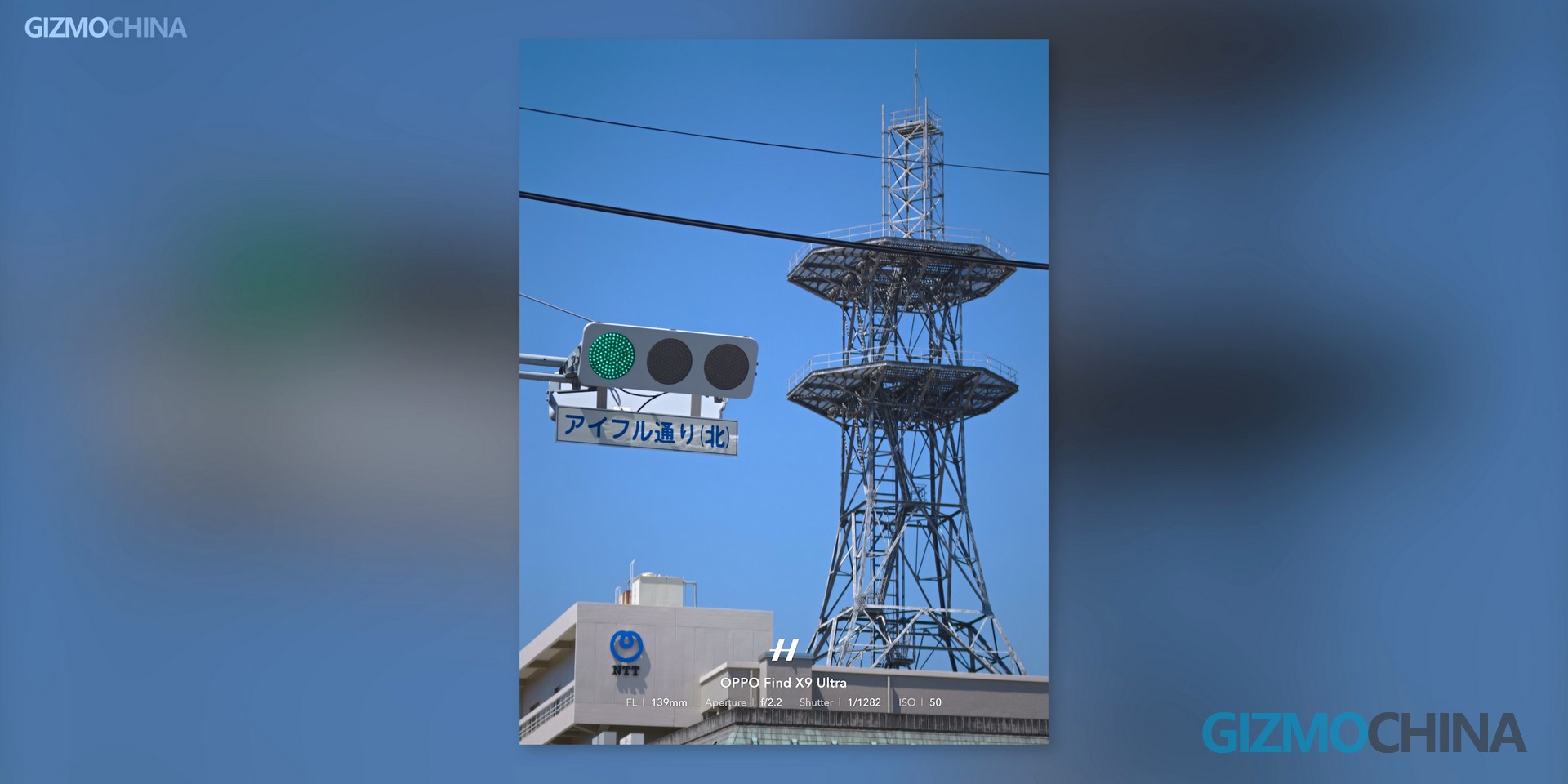
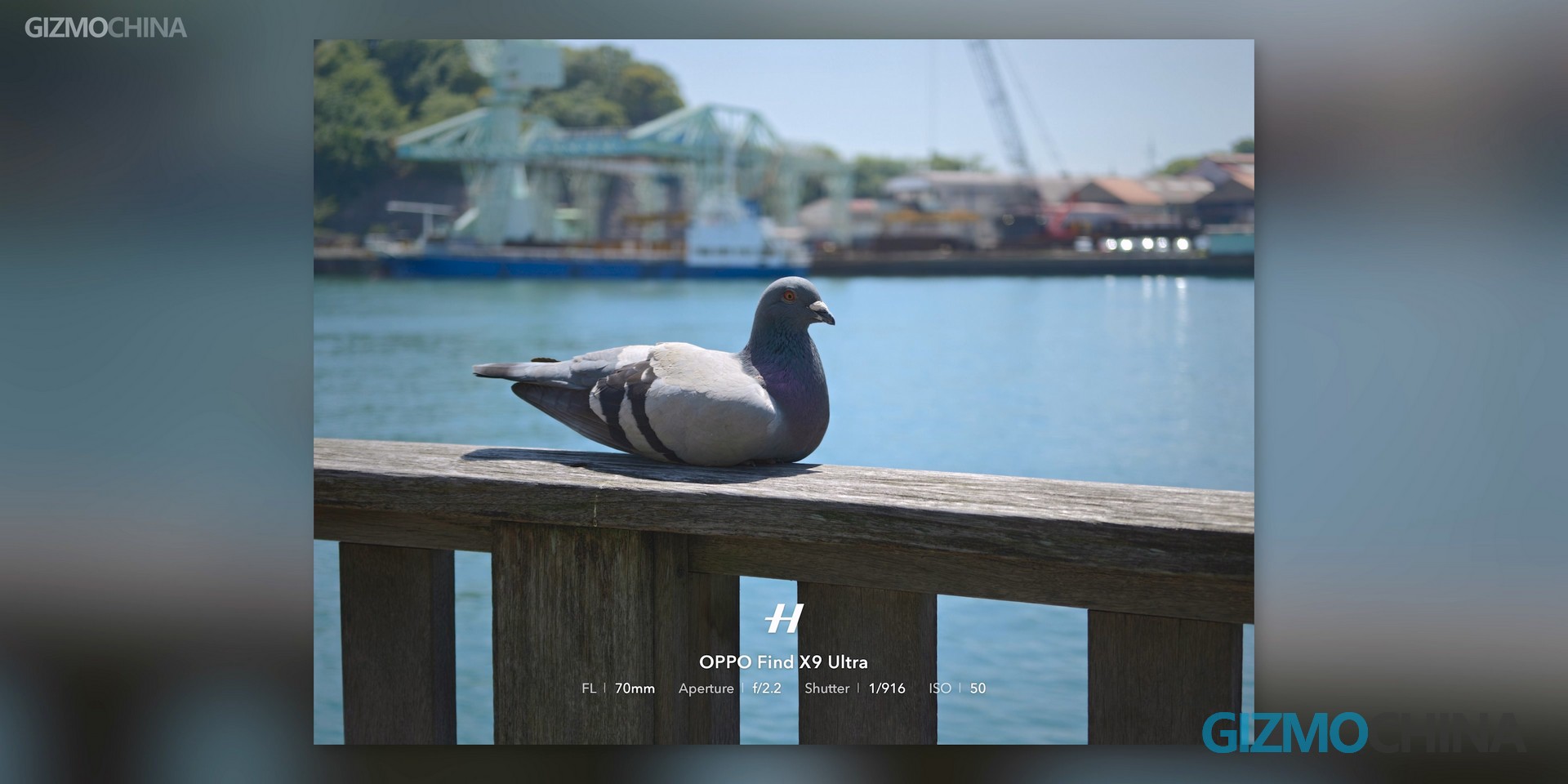
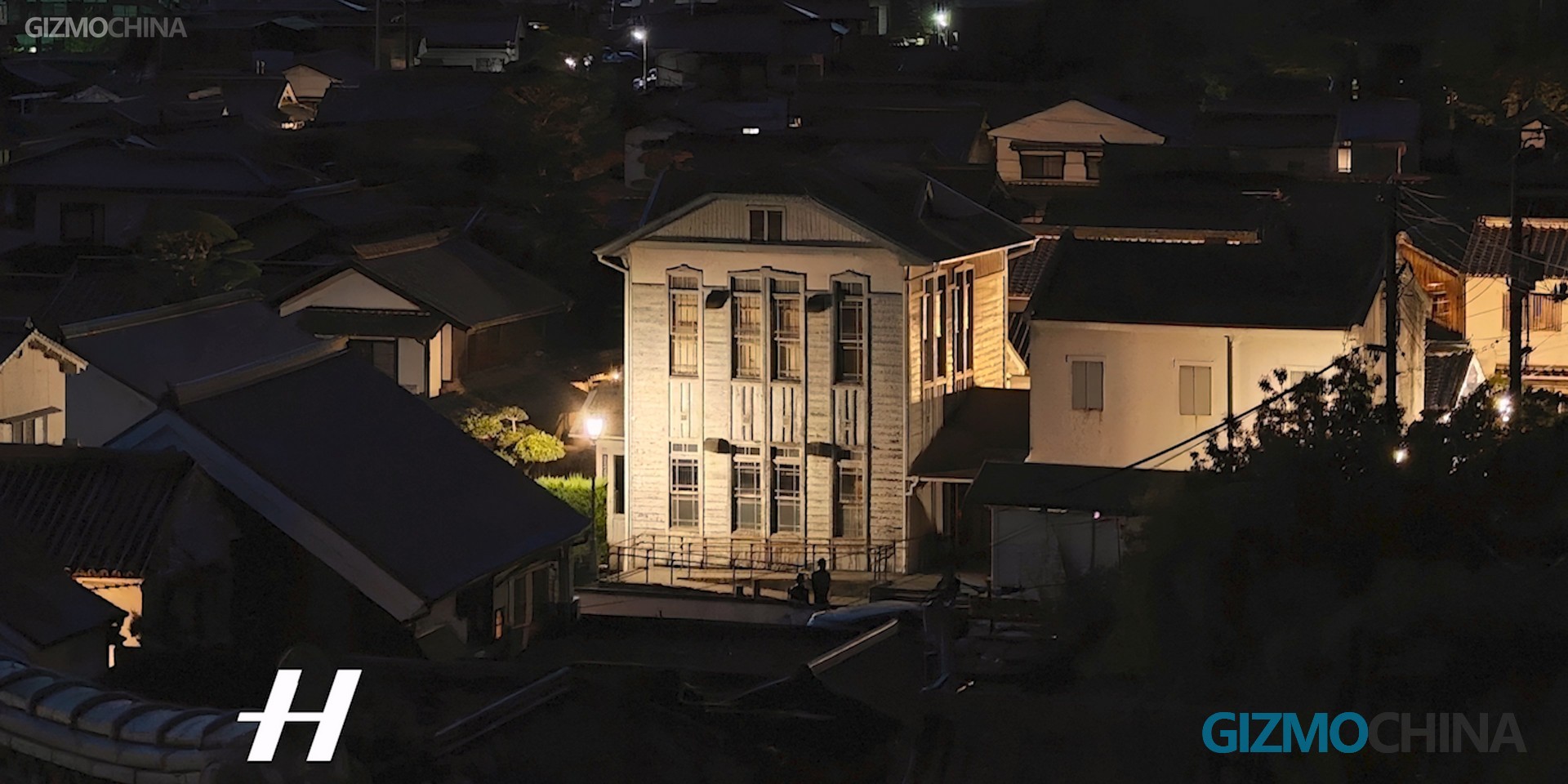
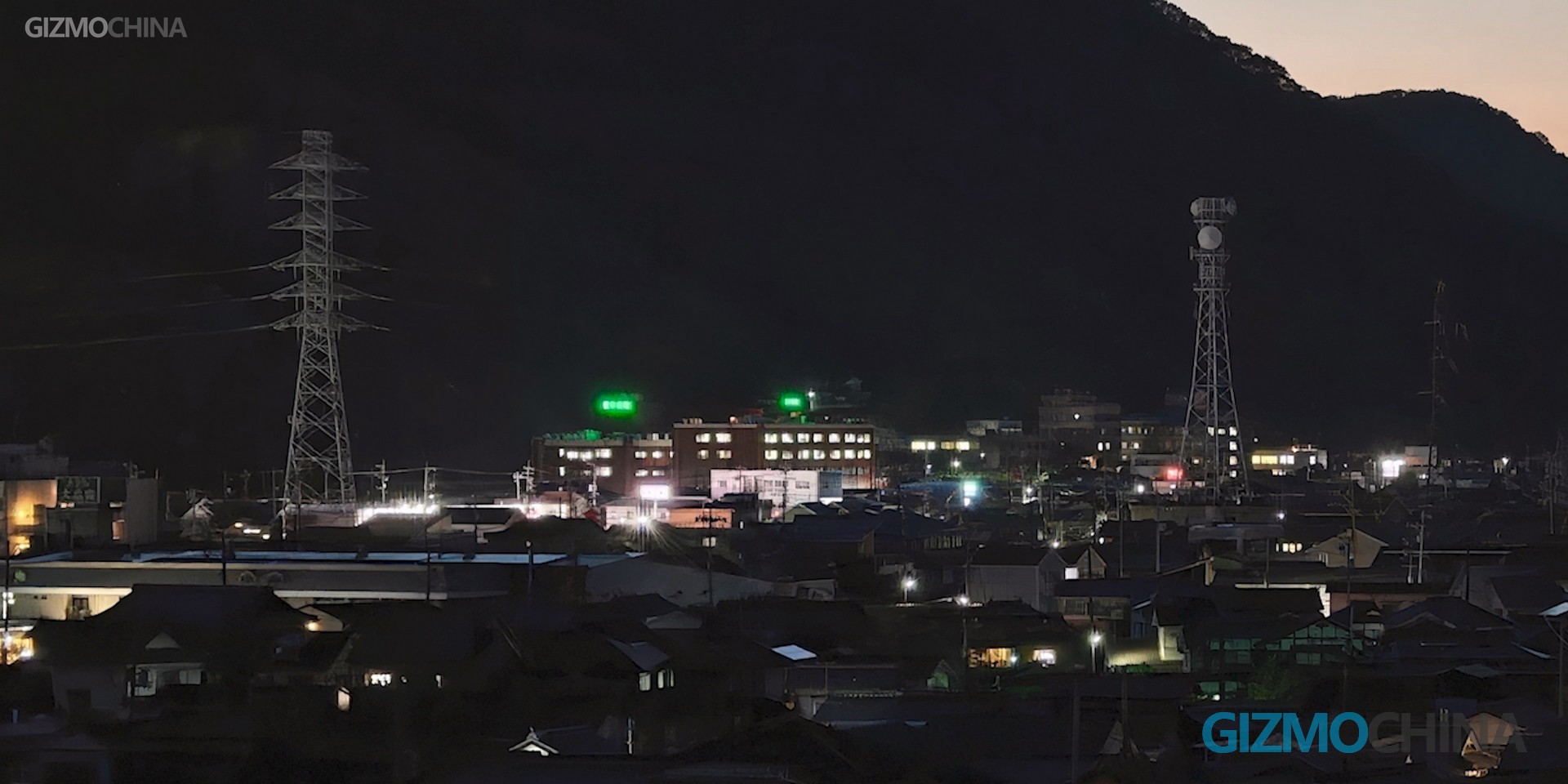
Just like the main camera, it delivers professional camera-level background blur. At 6x zoom, image sharpness drops slightly, but it’s still acceptable. Most telephoto cameras struggle badly at night, but the Find X9 Ultra does not. This camera can still produce satisfying results after dark.
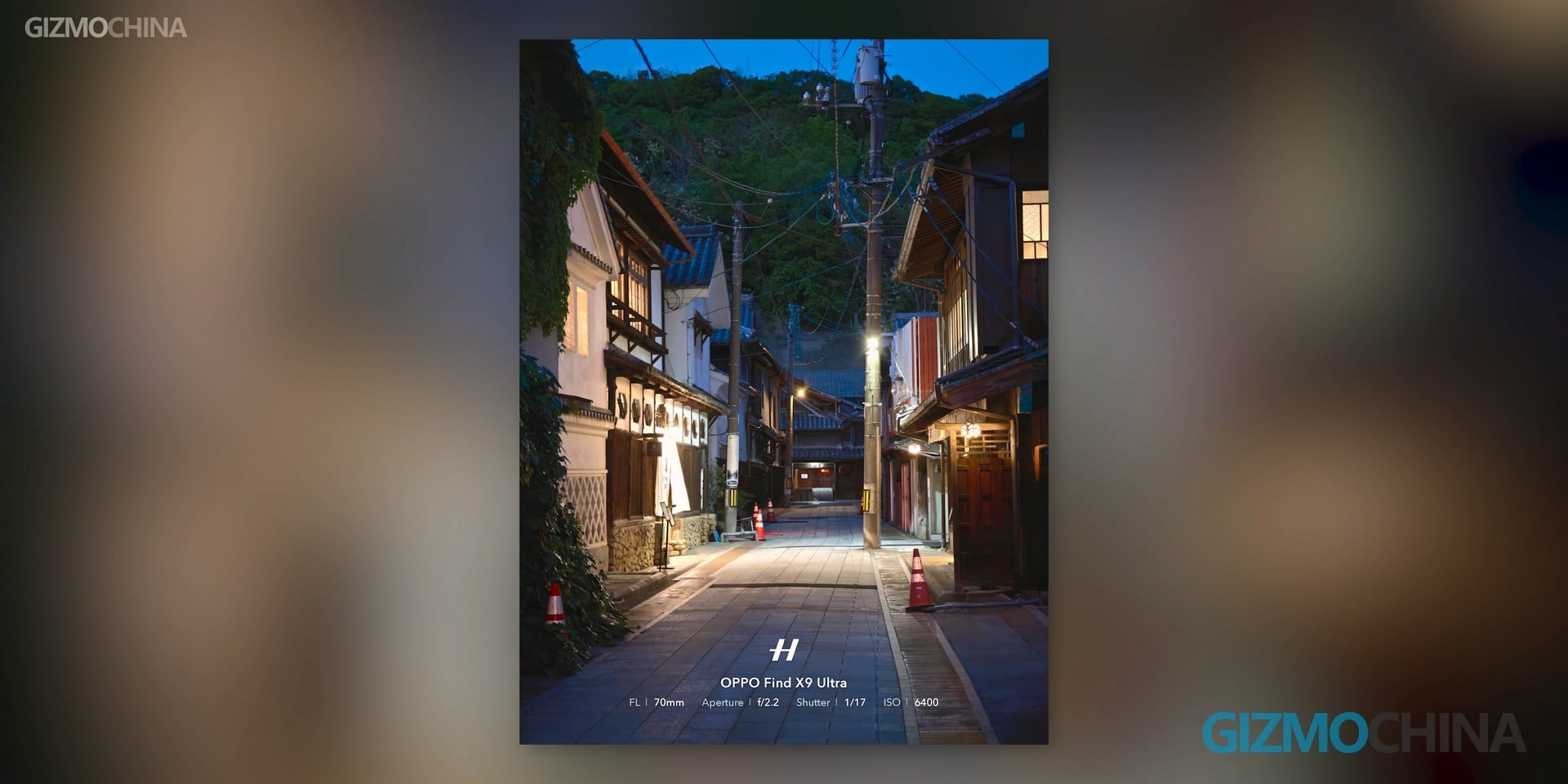
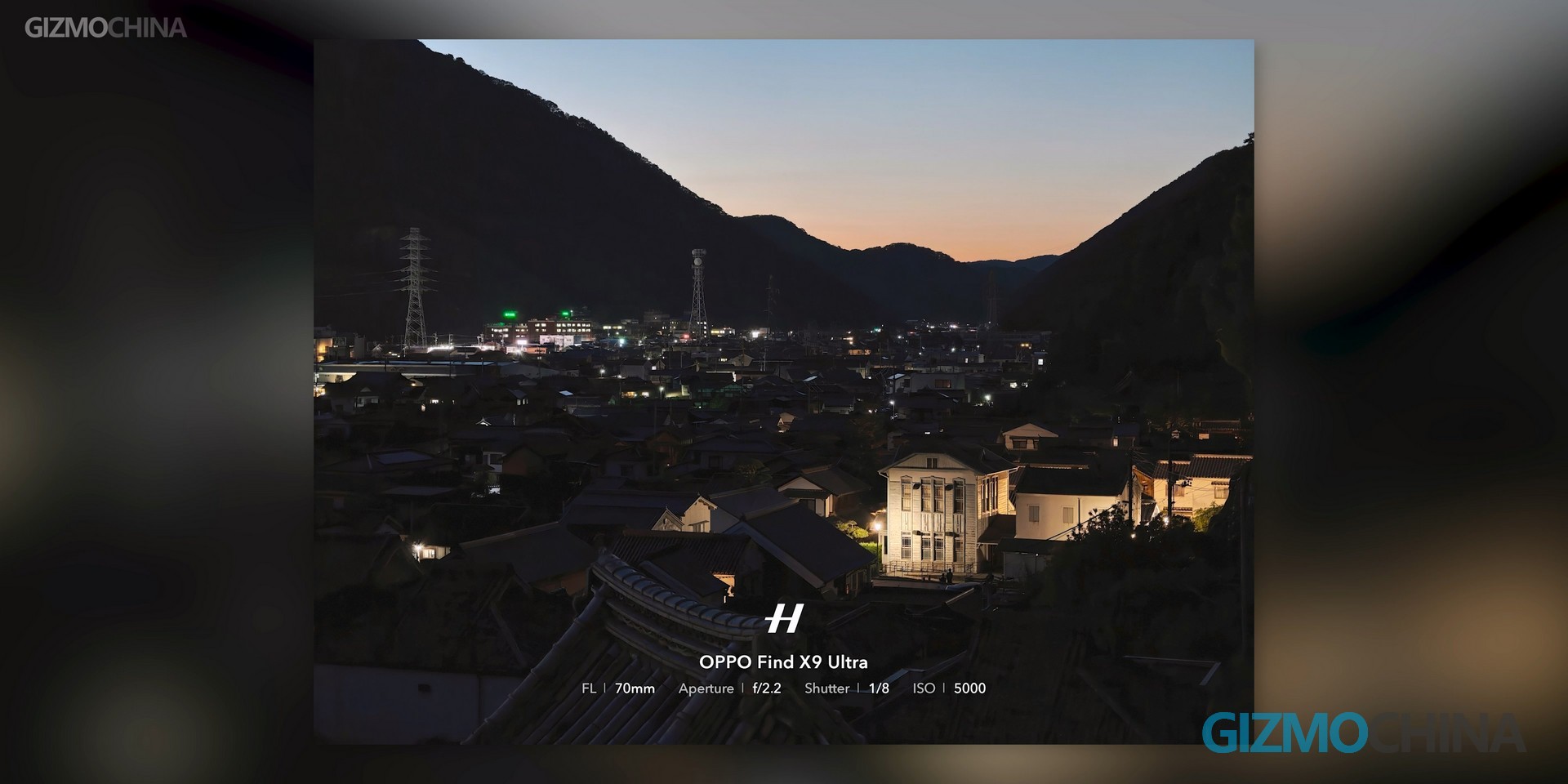
For example, in this photo taken at dusk, both the white house nearby and the signal tower in the distance remain incredibly sharp. Just like the main camera, I genuinely cannot find anything to complain about with this 70mm camera. It is simply one of the best smartphone cameras ever made.
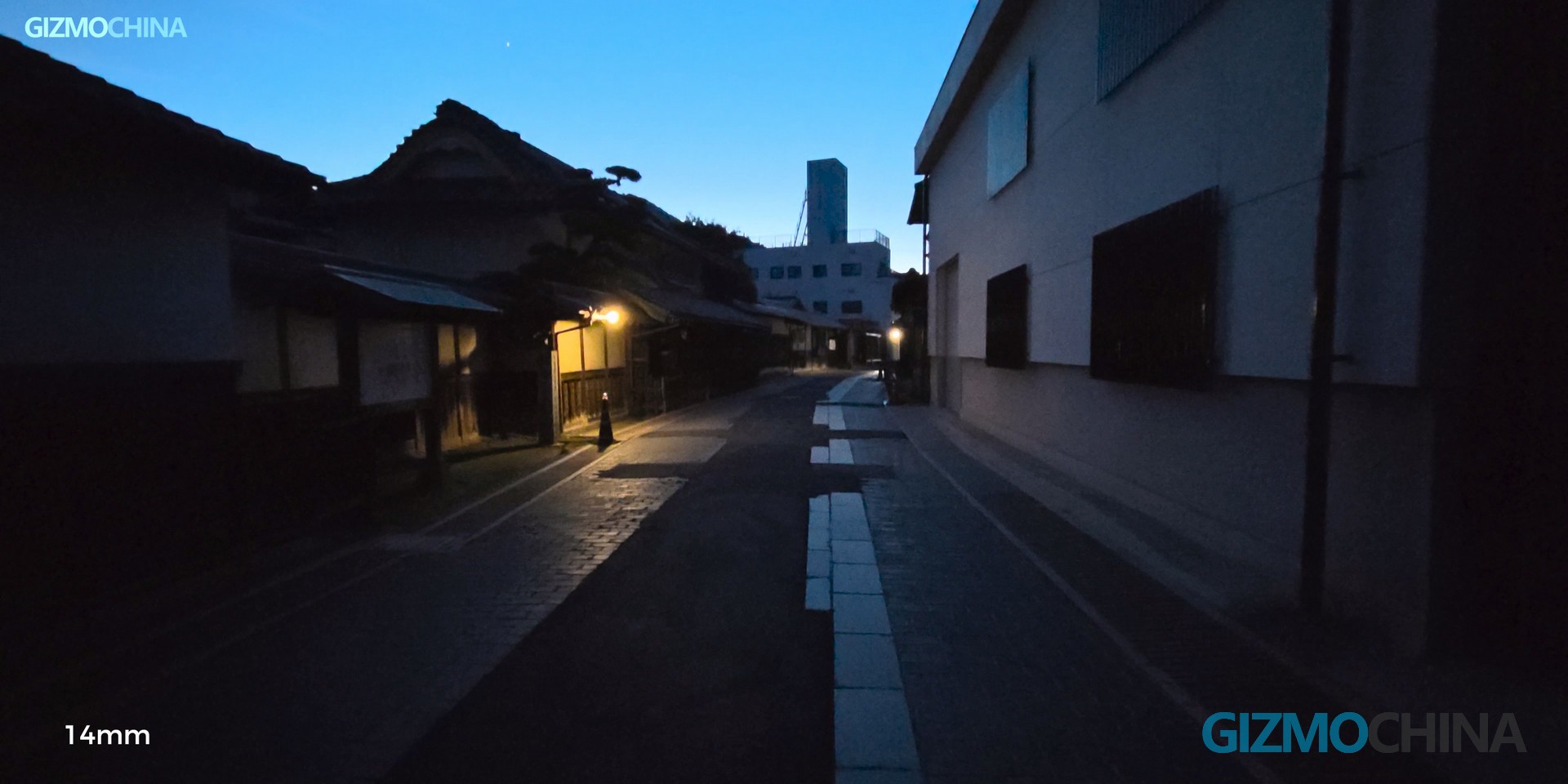
14mm
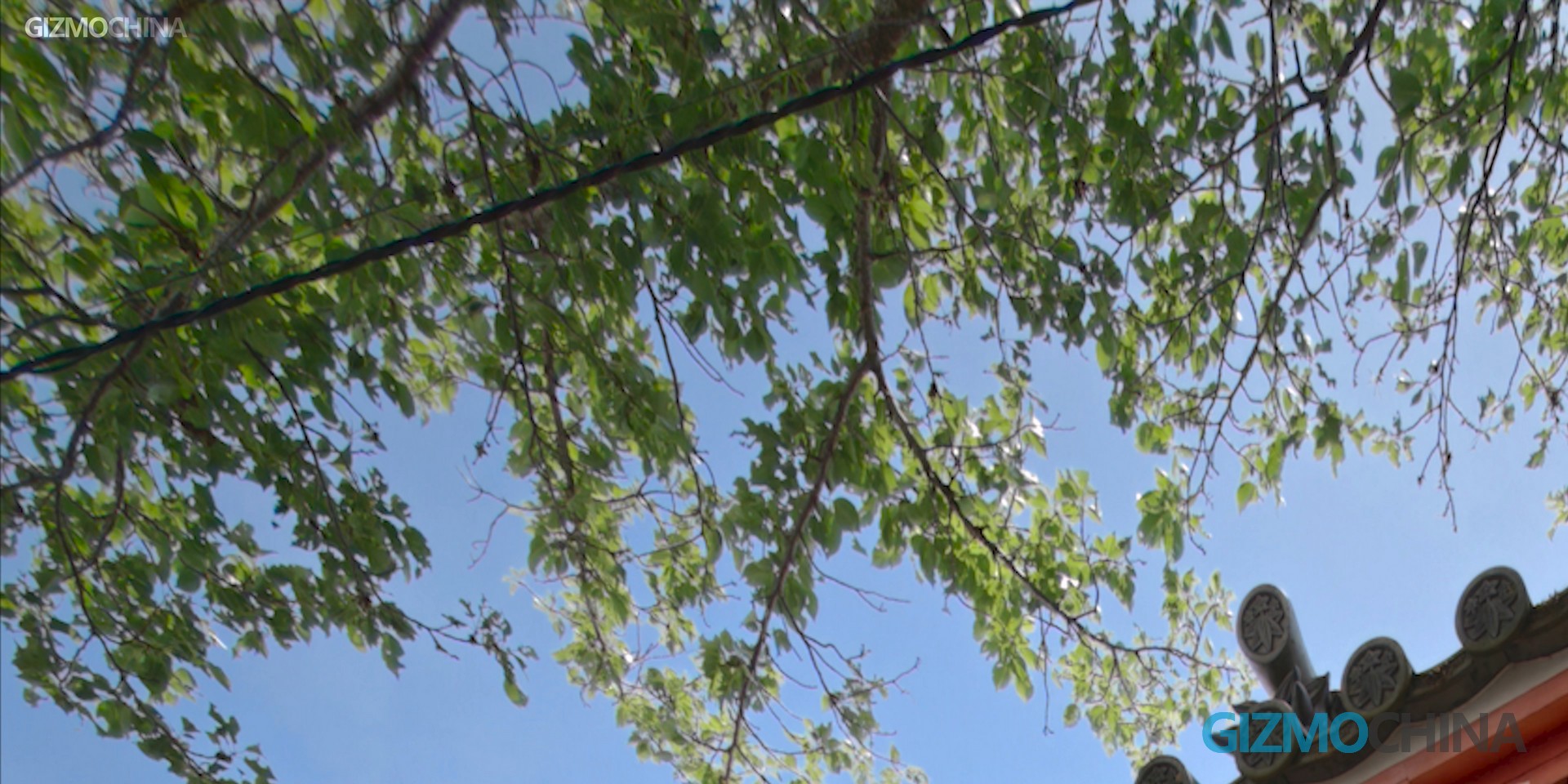
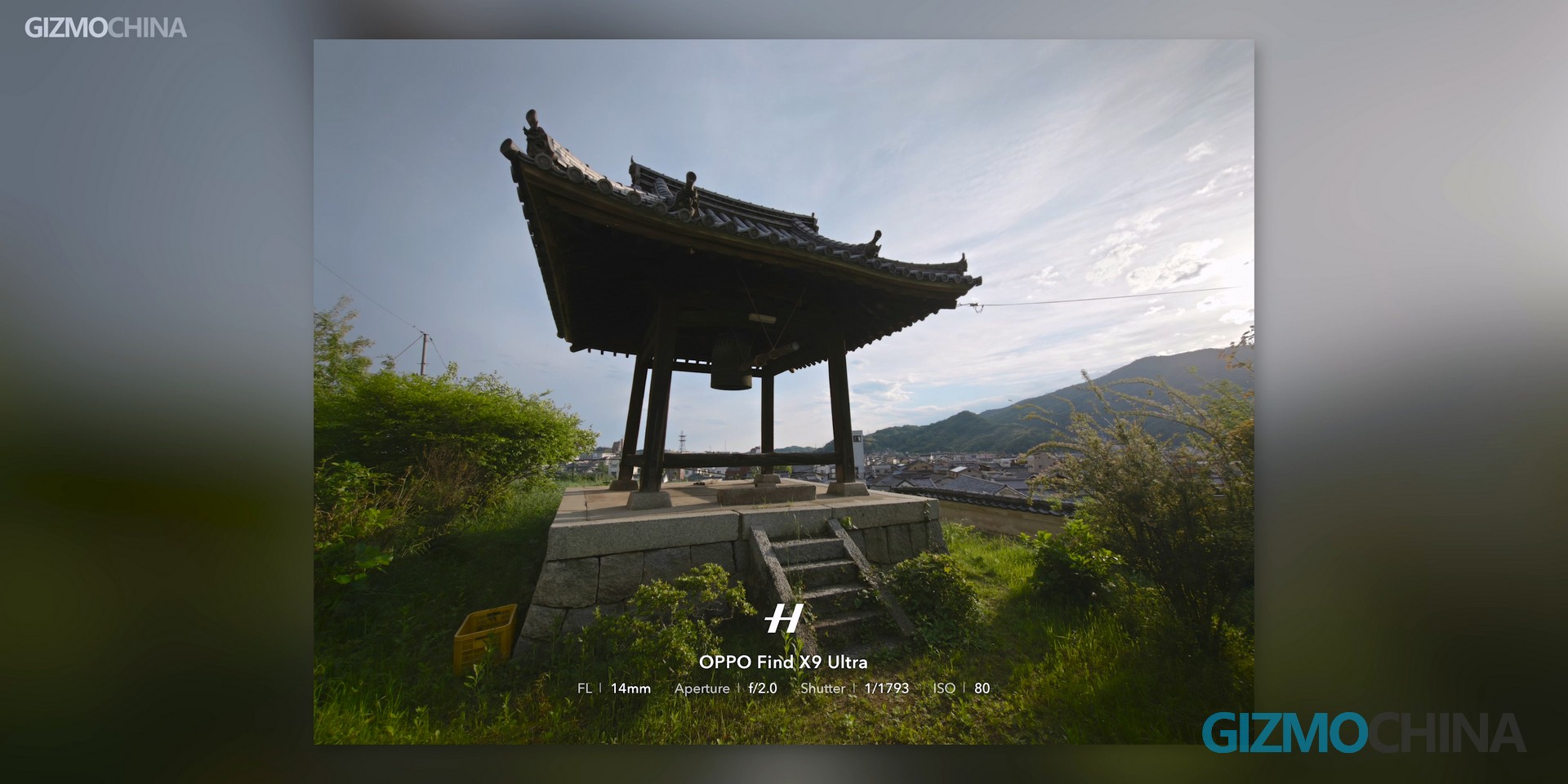
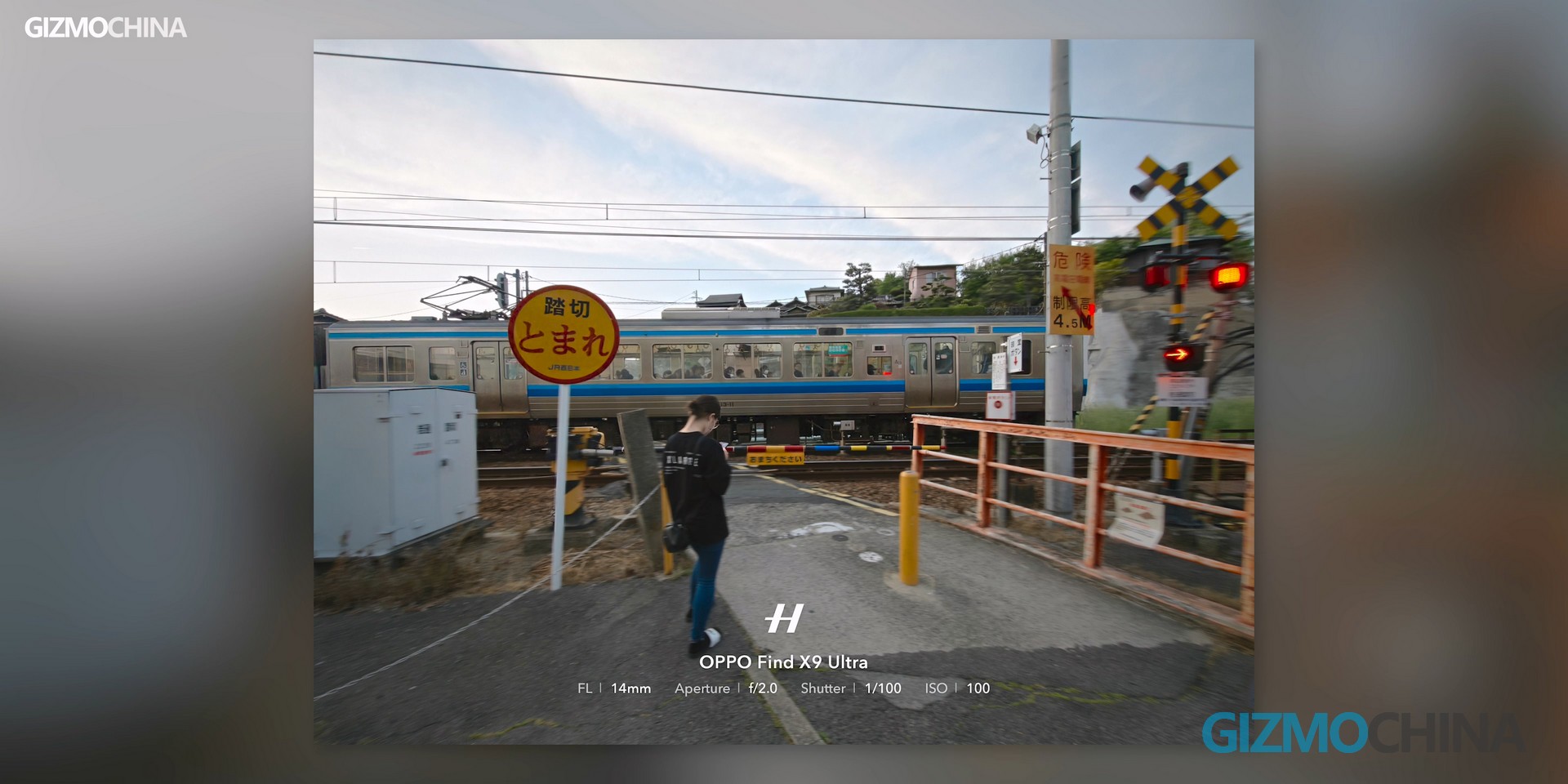
The ultra-wide camera is slightly better than the one on the Find X8 Ultra, but compared to the other three cameras, it feels pretty bad. Purple fringing is quite severe. Even without backlighting, you can still spot purple edges once you zoom into the corners of the image. And if you combine backlighting with scenes full of high-frequency detail, the results become downright terrible. This once again proves that the bottleneck, just like the 10x telephoto camera, lies in the lens rather than the sensor.


At night, the gap between this camera and its siblings becomes even larger. Besides the obvious loss in sharpness, the lack of OIS also dramatically increases the number of blurry shots. The only solution is to take multiple photos and hope one of them comes out sharp.
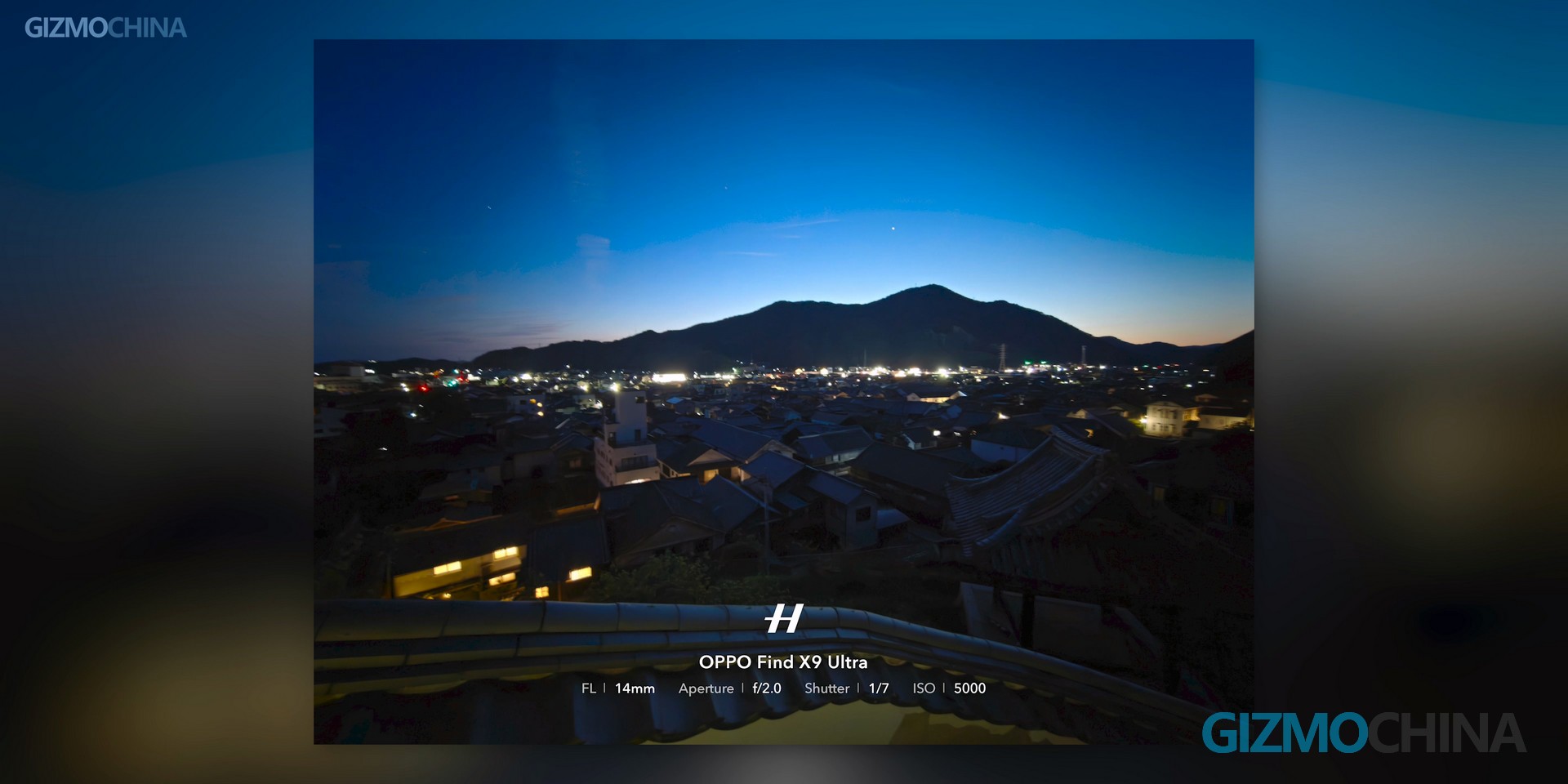

Although this ultra-wide camera drags the whole system down, I can understand OPPO’s decision. During my trip, only about 1/10 of my photos were actually taken with this camera. Even when facing extremely grand scenery, the main camera’s 23mm focal length was already wide enough. Sacrificing the ultra-wide camera in exchange for more space for the telephoto system was honestly a smart decision.

Photography Kit
Unfortunately, OPPO’s photography kit and teleconverter are not sold separately this time. If you want them, you’ll have to spend nearly $1800, together with the 1TB version of the phone. I’m not rich, so I didn’t buy it, but I did get some hands-on experience with the kit at an OPPO offline store. My first impression was this: compared to practicality, it gives you far more emotional value.
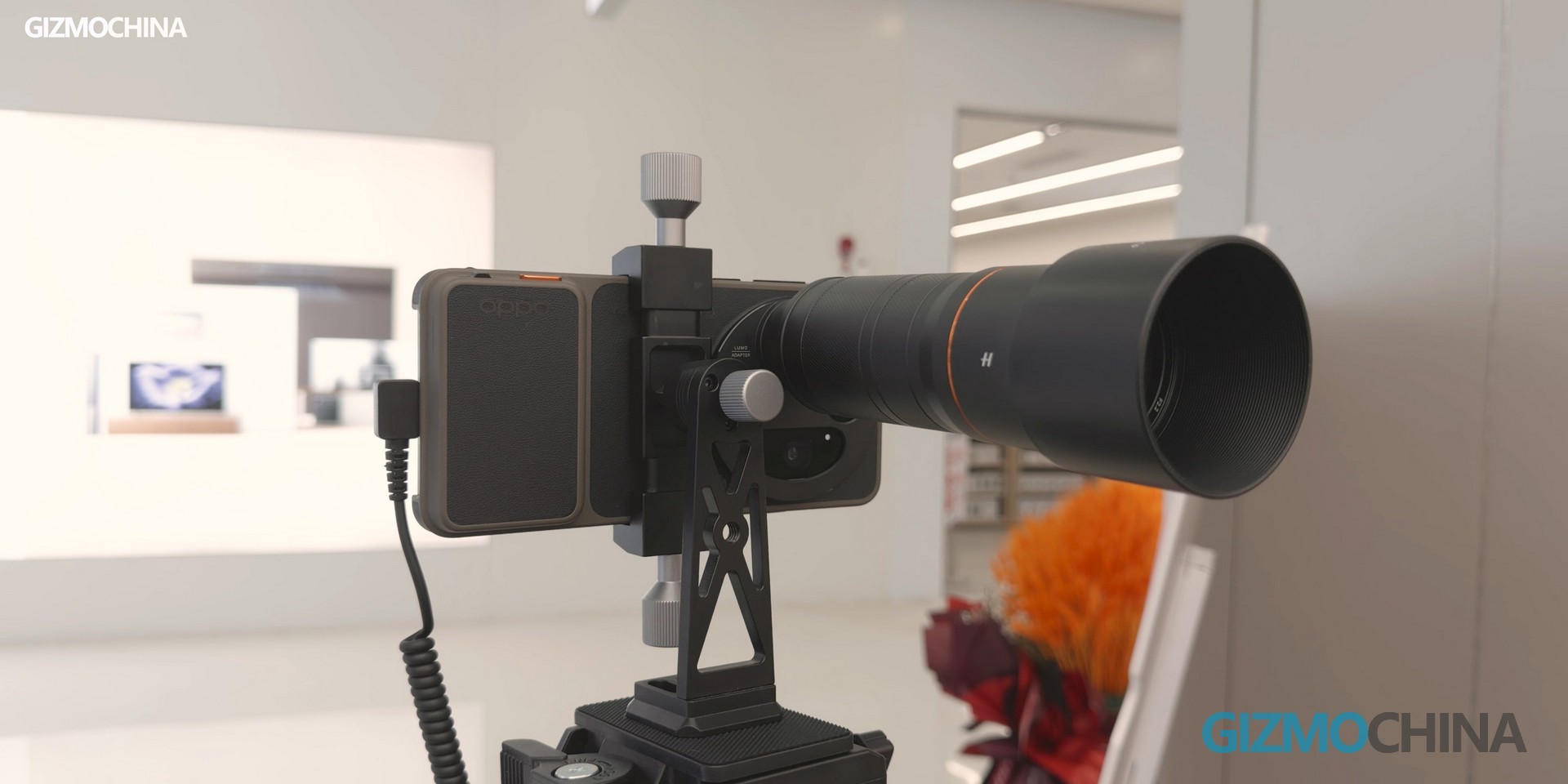
Although the teleconverter is only 300mm, it is physically larger and longer than vivo’s 400mm one. The grip and phone case are integrated together, but the grip itself is very shallow, making it difficult to hold such a heavy phone securely. The only buttons are the shutter key and zoom lever, and it connects via Bluetooth. There’s no doubt that the design is ahead of both Xiaomi and vivo, but in terms of practicality, it also unquestionably ranks last.
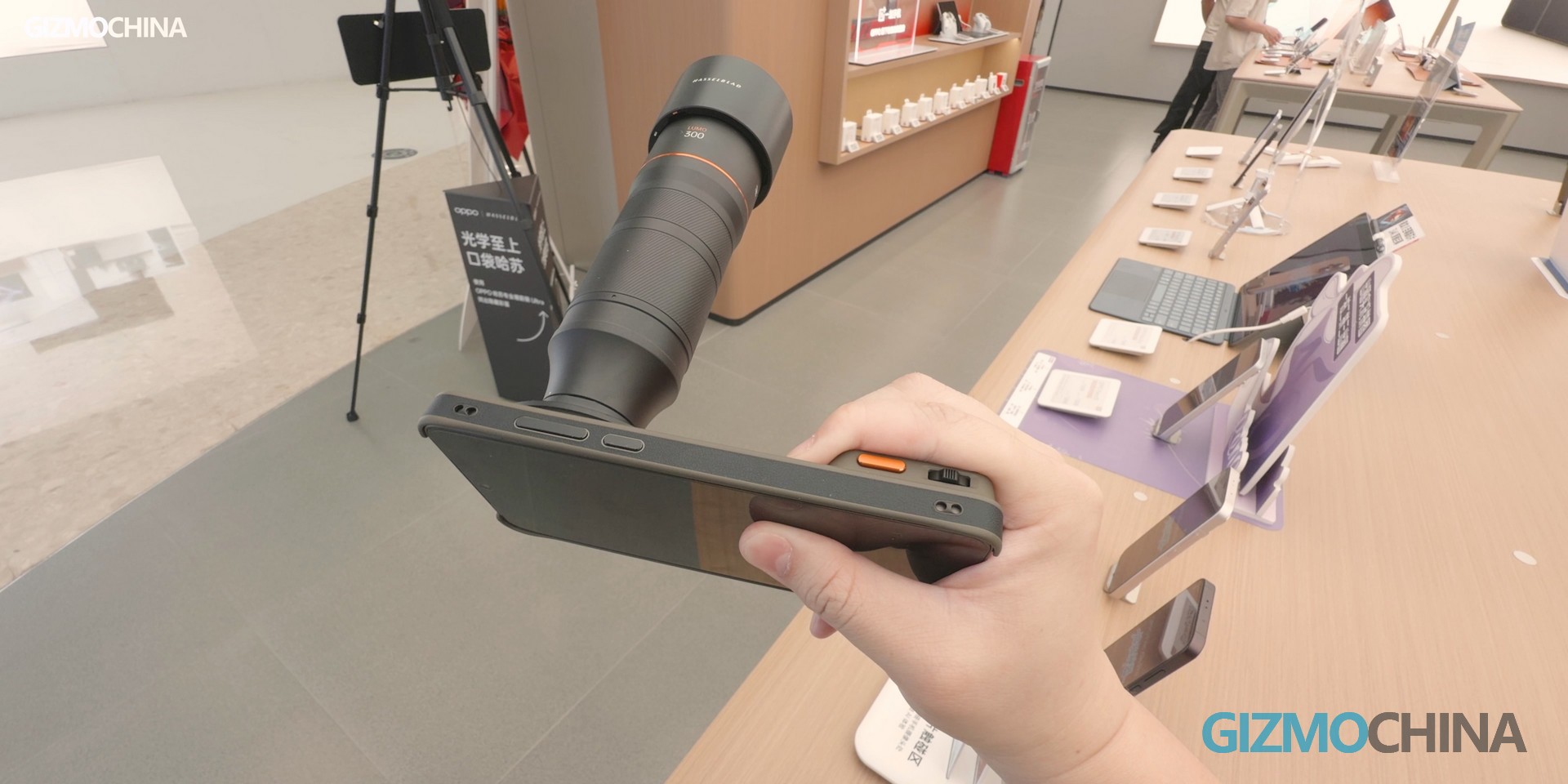
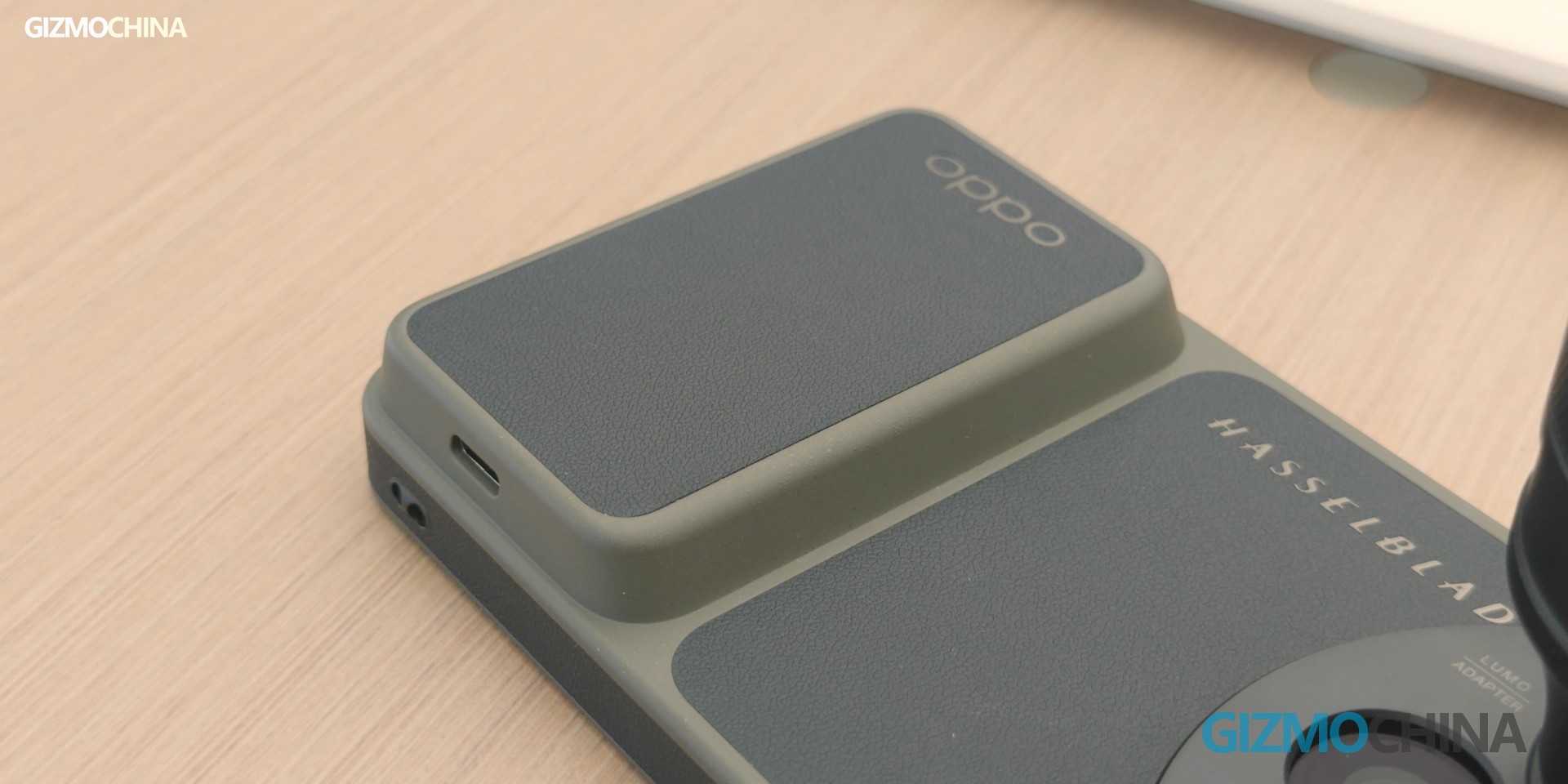
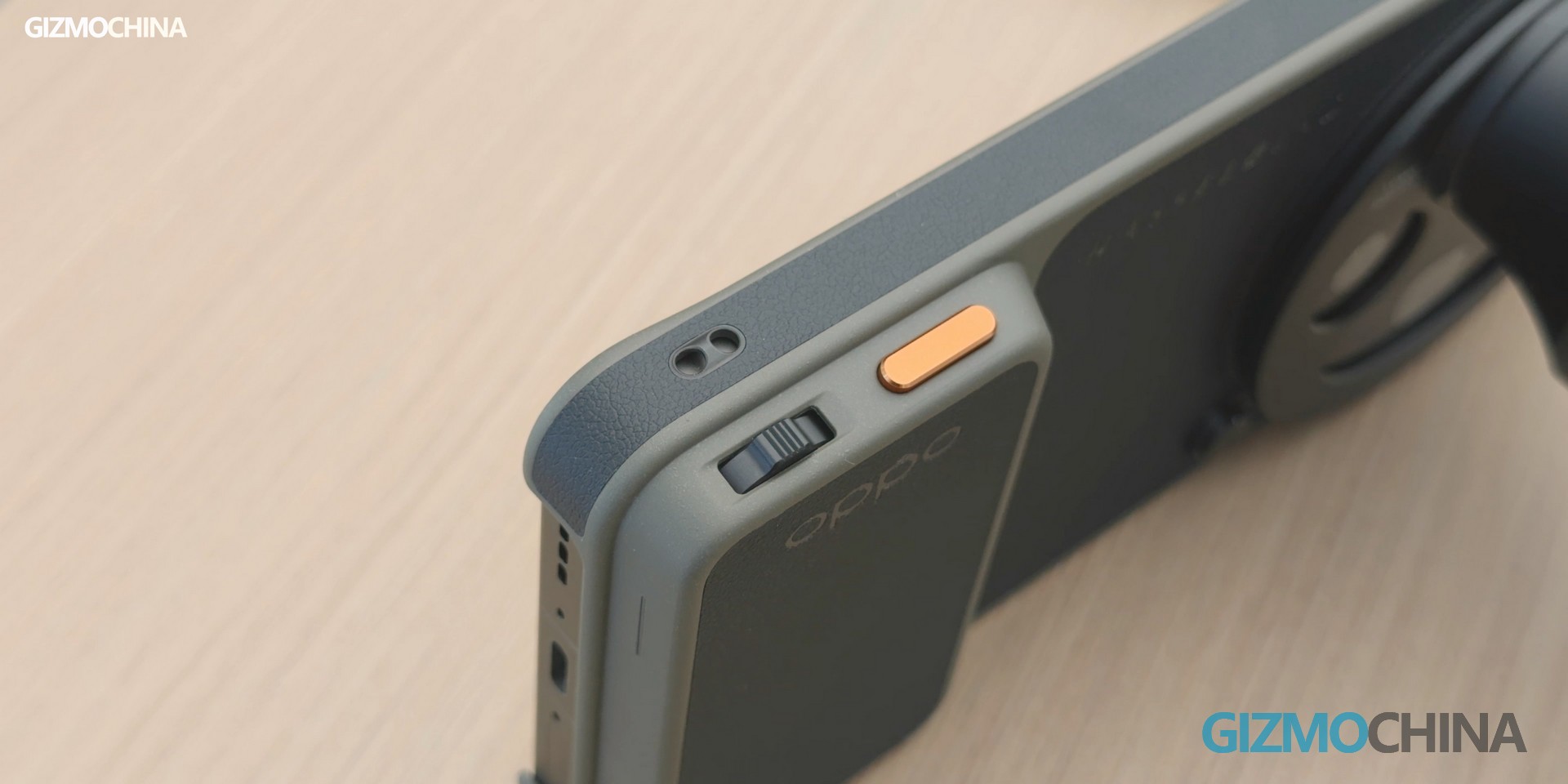
Considering the Find X9 Ultra already has a 230mm camera, and the global version could potentially exceed $2000, I’d still recommend saving your money for the hardships of life instead.
Video Recording
Every clip was recorded in 4K 30FPS, converted from O-Log2 back to Rec.709, without any color grading. I set the bitrate to the highest setting, so every clip basically exceeded 75Mbps. For a smartphone, this level of stabilization plus such clear image quality is already top-tier.
But there are still some flaws. For example, the telephoto camera occasionally shows slight jitter. And once again, this ultra-wide camera drags everything down. Not only does it still suffer from purple fringing, but its dynamic range is also noticeably weaker. Even enabling O-Log2 cannot recover the highlights.
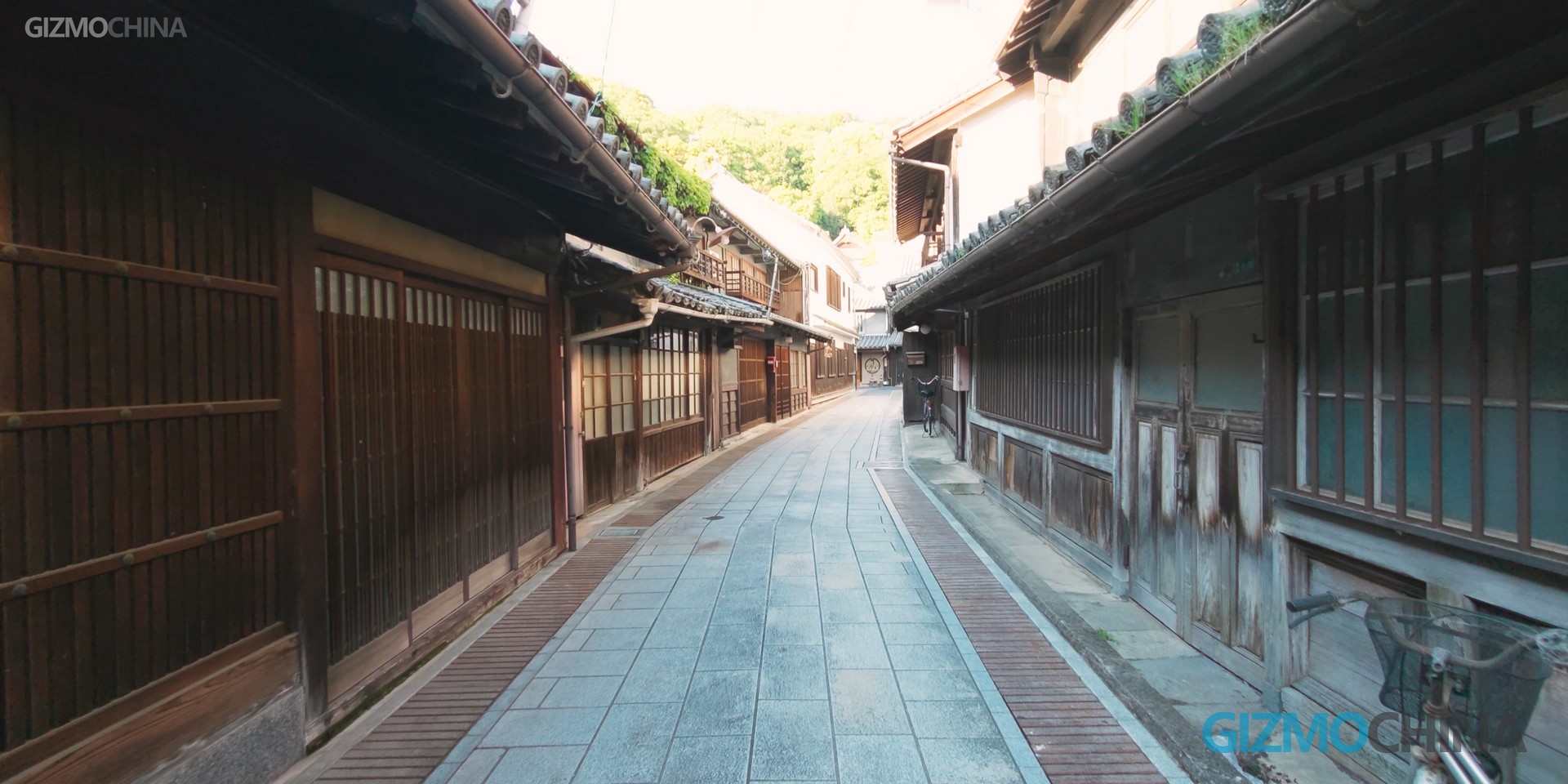
At night, the image quality also drops dramatically, with noise dancing all over the screen. You can clearly see how massive the gap becomes once I switch back to the main camera. But aside from that, I’m still very satisfied with the video quality from the other cameras.
Verdict
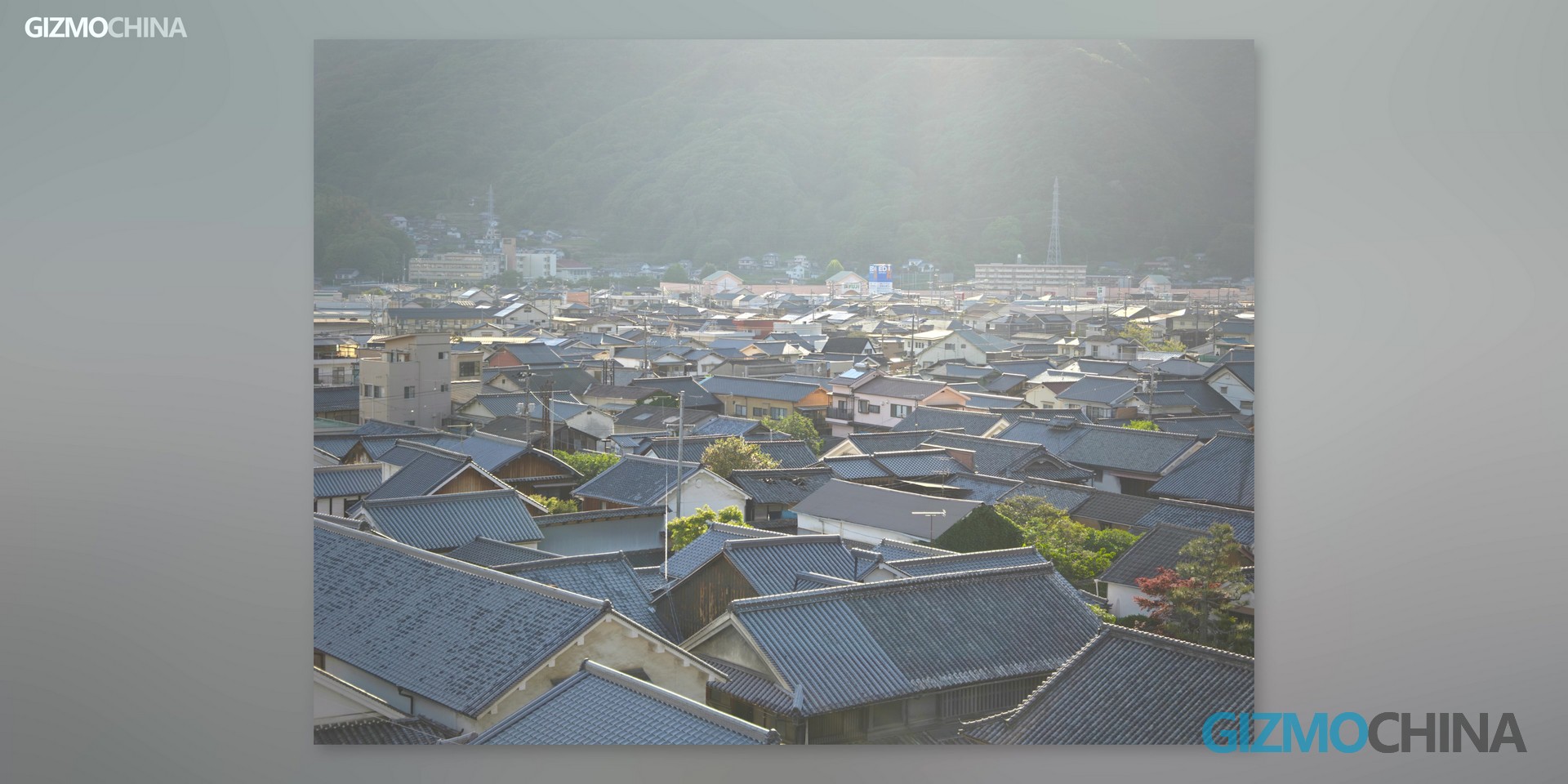
In the past, whenever I traveled and wanted a full focal‑length photography experience, I had to carry a massive lens—bigger than this phone. Now, OPPO offers a much smarter alternative. The Find X9 Ultra is the first true all‑focal‑length smartphone I’ve ever seen. And for me, the essence of smartphone photography comes down to one word: convenience.
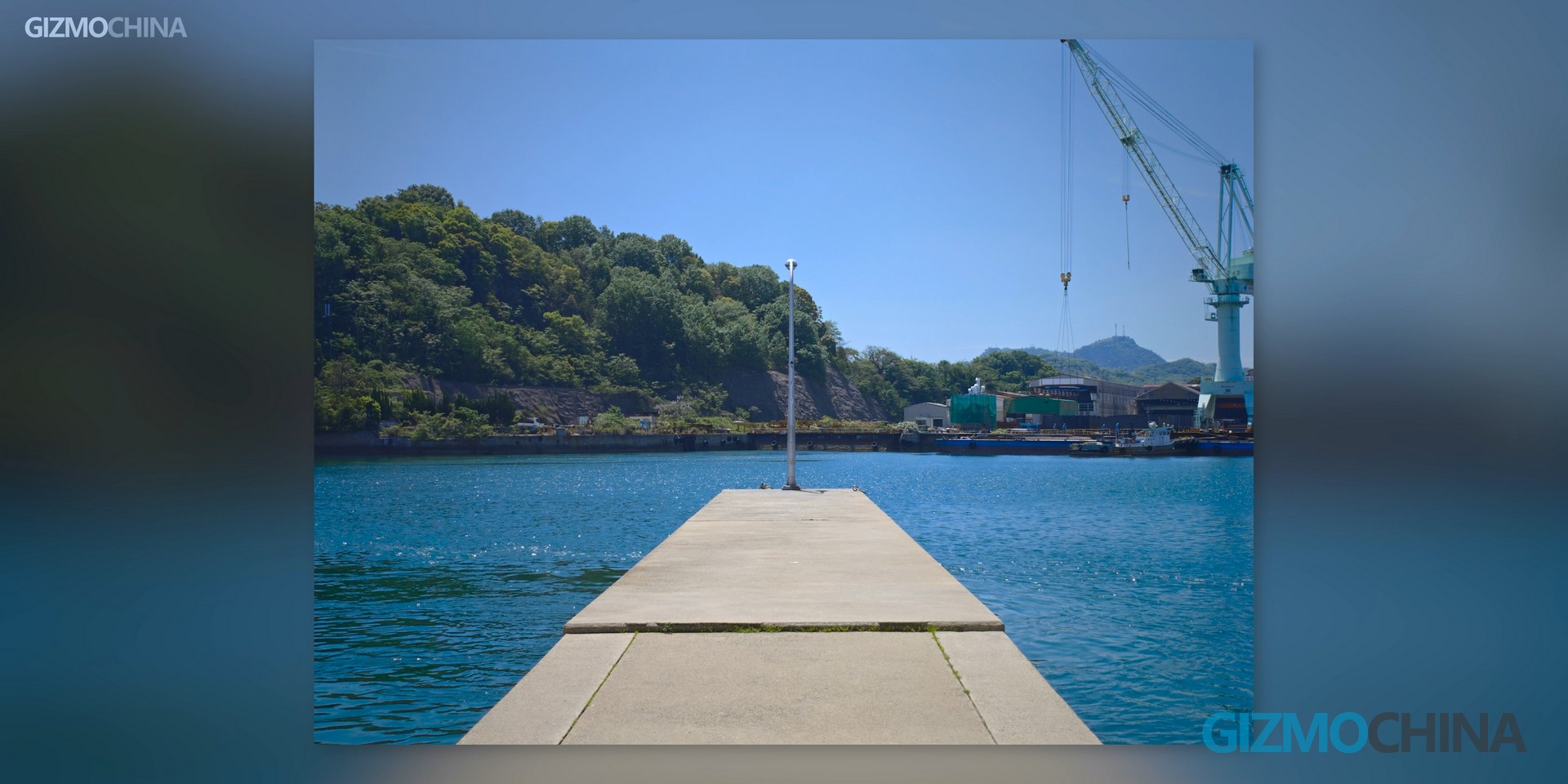

Even if its image quality can’t quite match a mirrorless camera, it lets you carry fewer lenses, climb higher mountains, travel to more places, and meet more people. That, to me, is the true essence of smartphone photography. And the Find X9 Ultra is the ultimate device that fully embodies that philosophy.




Comments