Add GIZMOCHINA as Preferred Source on Google
For years, compact smartphones have come with compromises. If you wanted a phone that was genuinely comfortable to use with one hand, you usually had to settle for a smaller battery, fewer cameras, slower charging, or hardware that wasn’t quite flagship-grade. Meanwhile, phones with the best specifications kept getting larger, making one-handed use increasingly difficult.
The Vivo X300 FE takes a different approach. Instead of asking users to choose between portability and performance, it combines flagship hardware with a compact form factor. It packs Qualcomm’s Snapdragon 8 Gen 5 chipset, a 6,500mAh battery, ZEISS-backed cameras, wireless charging, and a premium build into a body that’s noticeably smaller than most flagship smartphones.
There’s one catch, though. The Vivo X300 FE starts at Rs. 79,999 (~$850), while the regular Vivo X300 is available for Rs. 75,999 (~$800). That naturally raises the question: why would anyone pay more for the FE model?
After spending time with the phone, the answer becomes clearer. The X300 FE isn’t positioned as a cheaper alternative to the X300. Instead, it’s designed for users who value comfort, battery life, and everyday usability just as much as camera hardware. Whether that strategy works is what this review aims to find out.
3Flagship Performance That Simply Gets Out of Your Way
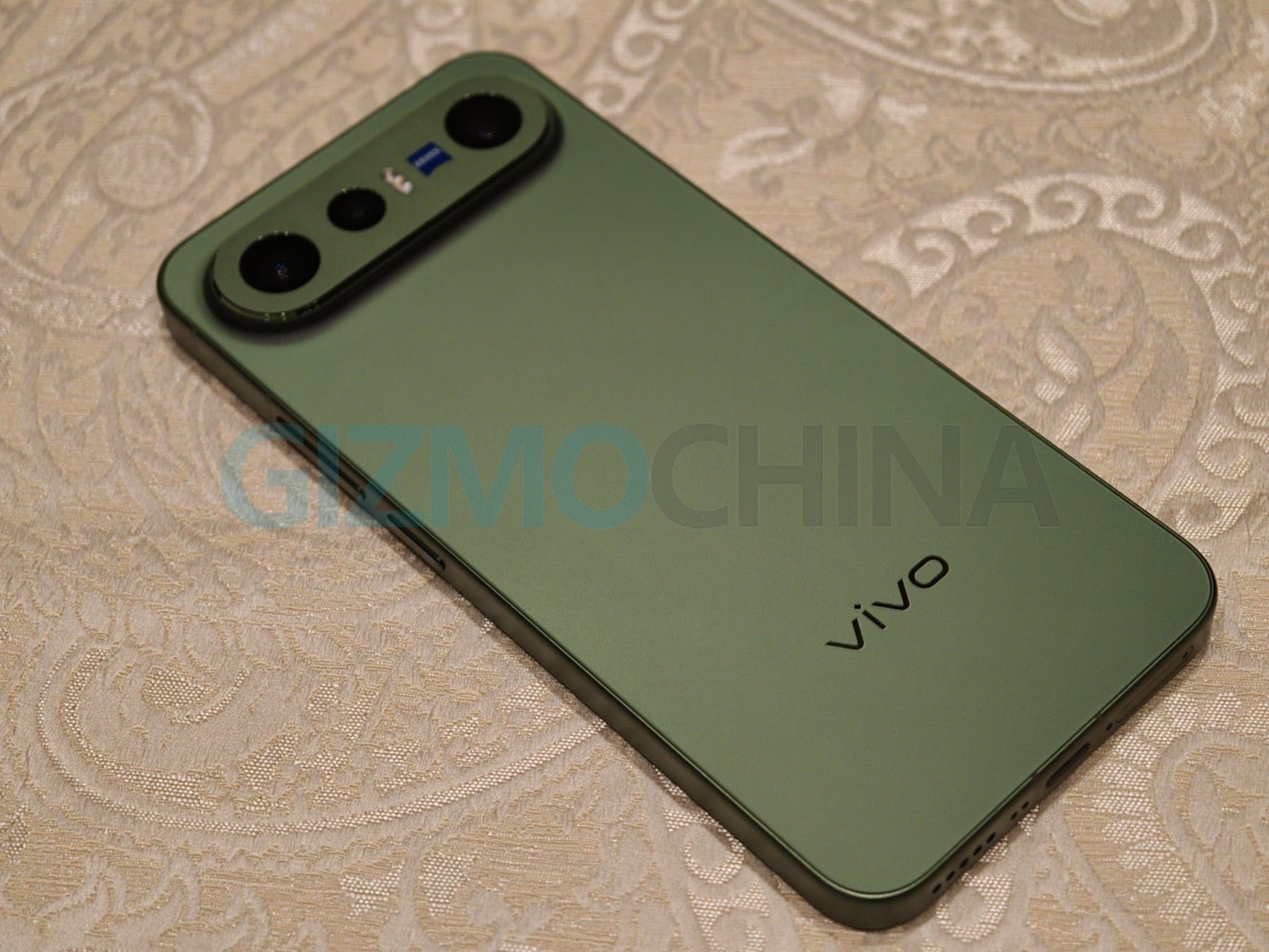
Powering the Vivo X300 FE is Qualcomm’s Snapdragon 8 Gen 5 processor, paired with LPDDR5X Ultra RAM and UFS 4.1 storage.
In everyday use, performance is exactly what you’d expect from a flagship. Apps launch instantly, multitasking remains effortless, and switching between multiple applications never caused slowdowns. Throughout my testing, the phone stayed consistently responsive whether I was editing photos, browsing dozens of Chrome tabs, or juggling social media apps.
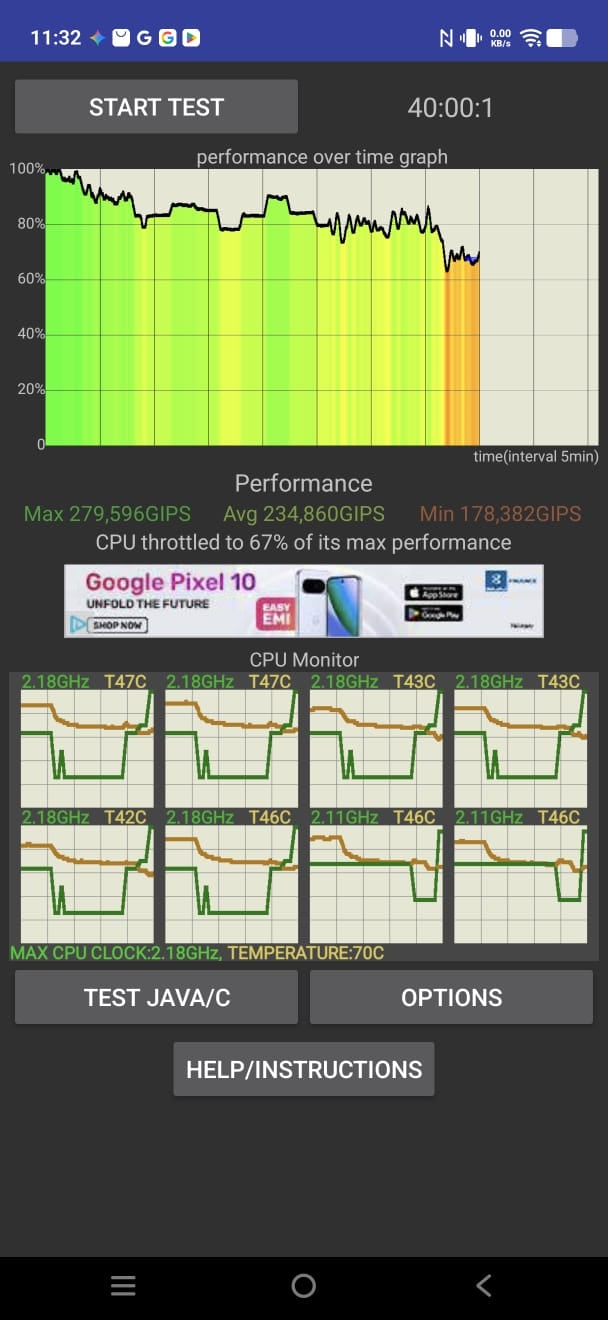
Gaming performance is equally impressive. Titles like BGMI, Call of Duty: Mobile, and Genshin Impact run smoothly at high graphics settings, while Vivo’s cooling system keeps temperatures well under control during longer gaming sessions.
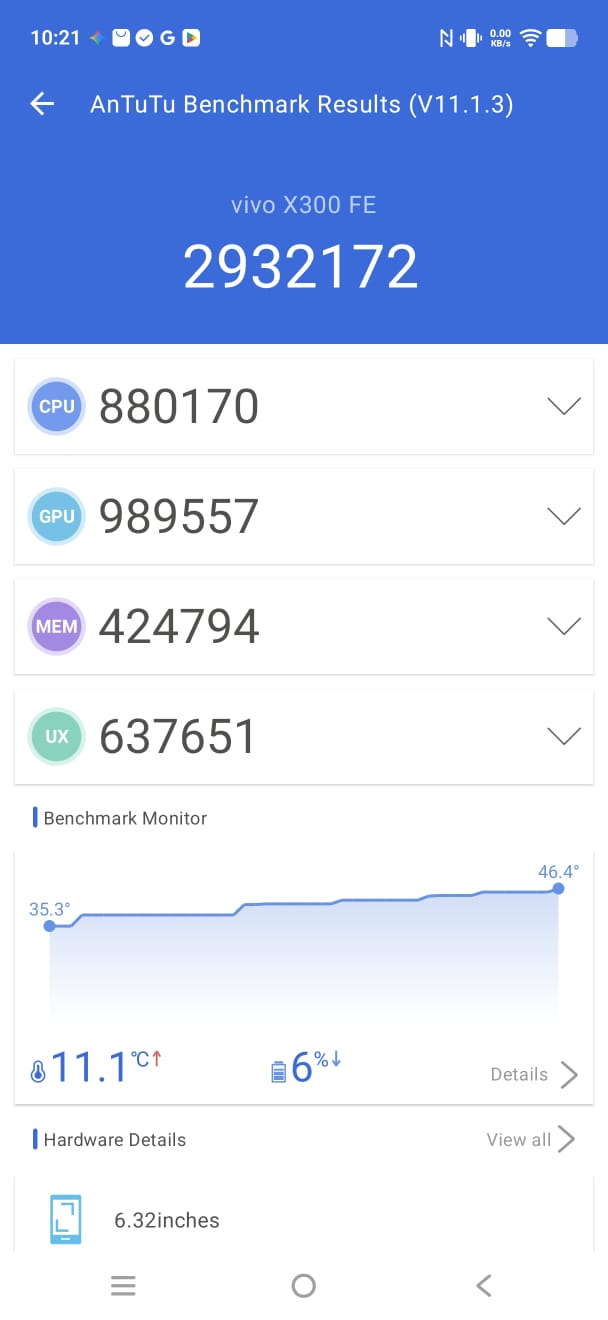
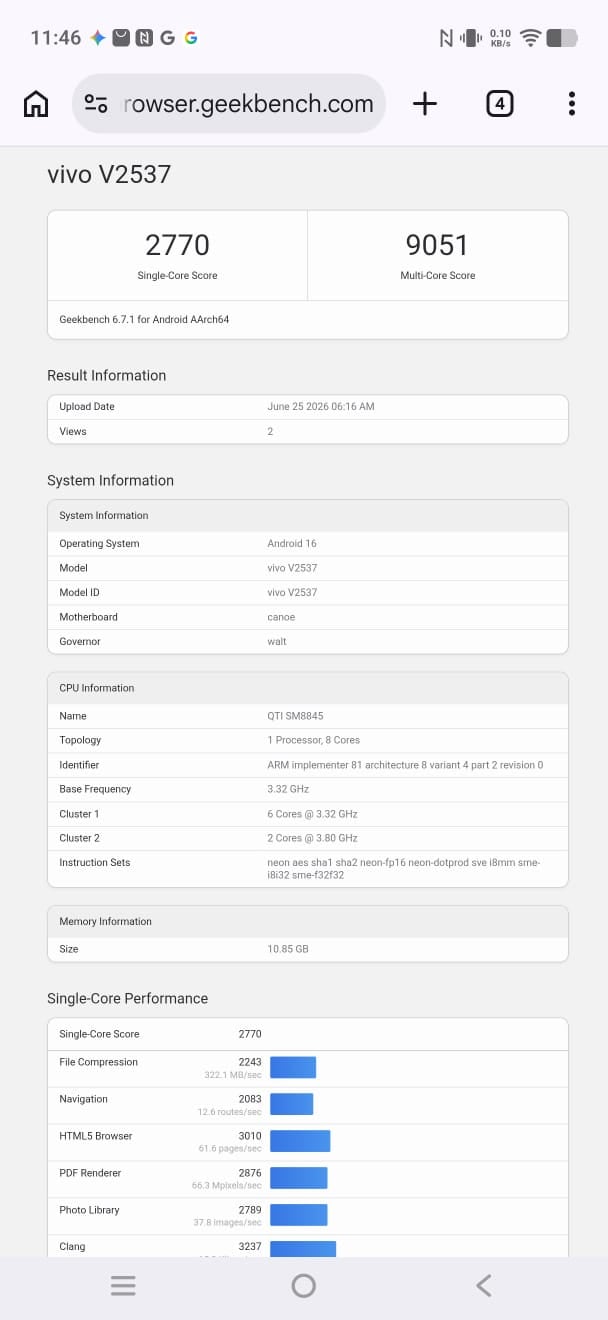
What stood out most wasn’t benchmark performance but consistency. I never encountered random stutters, lag, or frame drops during daily use. Here’s how it performs on benchmarking apps.