Add GIZMOCHINA as Preferred Source on Google
For years, compact smartphones have come with compromises. If you wanted a phone that was genuinely comfortable to use with one hand, you usually had to settle for a smaller battery, fewer cameras, slower charging, or hardware that wasn’t quite flagship-grade. Meanwhile, phones with the best specifications kept getting larger, making one-handed use increasingly difficult.
The Vivo X300 FE takes a different approach. Instead of asking users to choose between portability and performance, it combines flagship hardware with a compact form factor. It packs Qualcomm’s Snapdragon 8 Gen 5 chipset, a 6,500mAh battery, ZEISS-backed cameras, wireless charging, and a premium build into a body that’s noticeably smaller than most flagship smartphones.
There’s one catch, though. The Vivo X300 FE starts at Rs. 79,999 (~$850), while the regular Vivo X300 is available for Rs. 75,999 (~$800). That naturally raises the question: why would anyone pay more for the FE model?
After spending time with the phone, the answer becomes clearer. The X300 FE isn’t positioned as a cheaper alternative to the X300. Instead, it’s designed for users who value comfort, battery life, and everyday usability just as much as camera hardware. Whether that strategy works is what this review aims to find out.
6Cameras Continue to Be a Major Strength
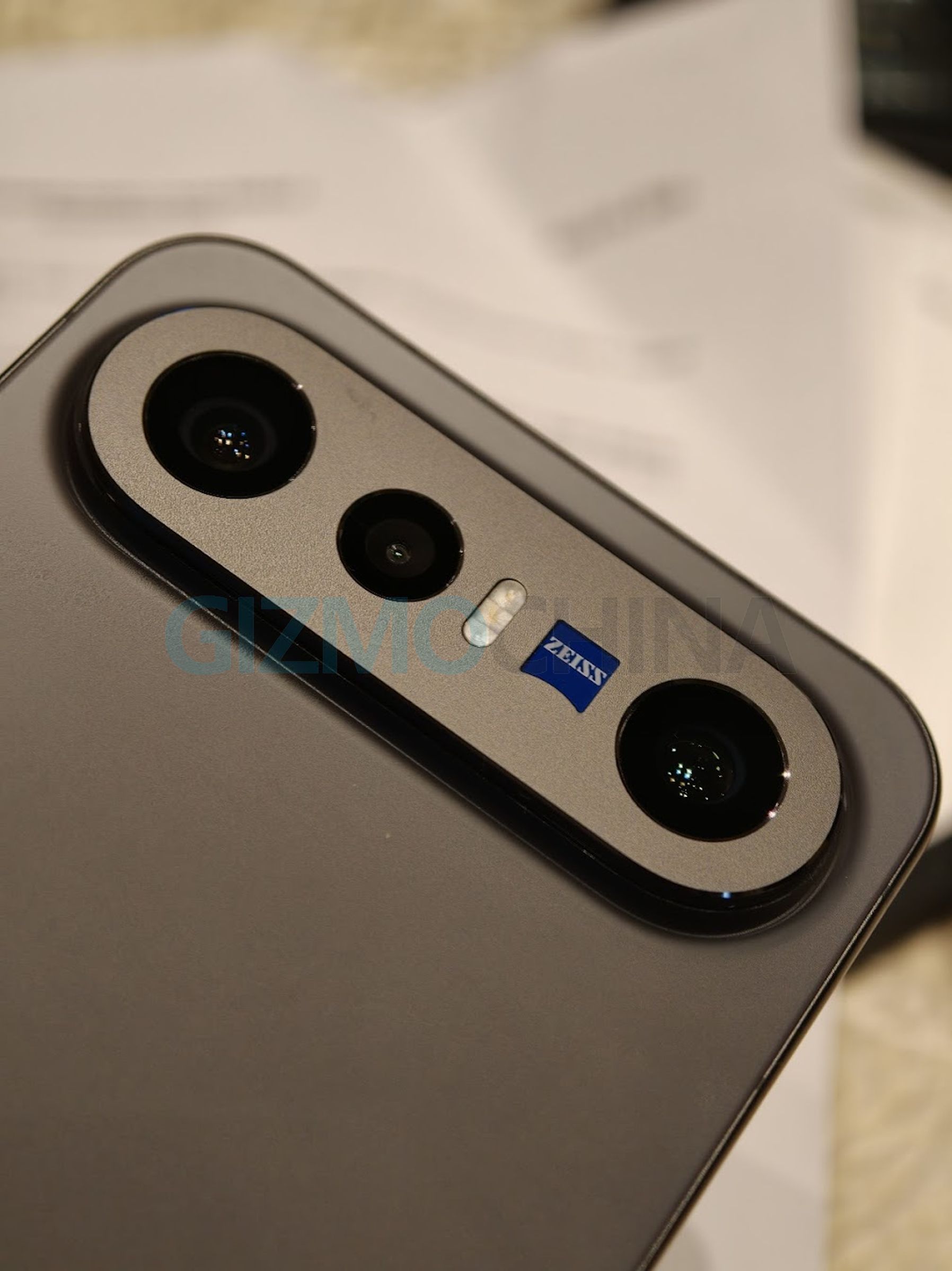
Vivo has built a strong reputation for smartphone photography, and the X300 FE continues that trend.
The rear camera setup consists of a 50-megapixel Sony IMX921 primary sensor with OIS, a 50-megapixel Sony IMX882 3x telephoto camera, and an 8-megapixel ultrawide camera. On the front, there’s a 50-megapixel autofocus selfie camera. Combined with ZEISS optics and image processing, the overall experience is among the strongest you’ll find in a compact flagship.


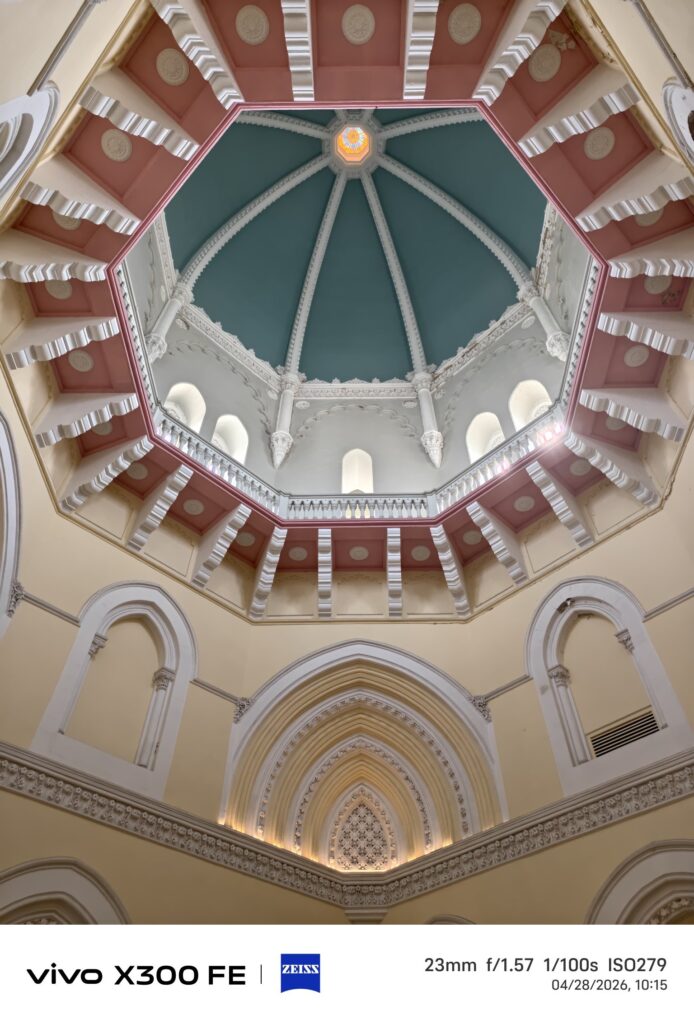
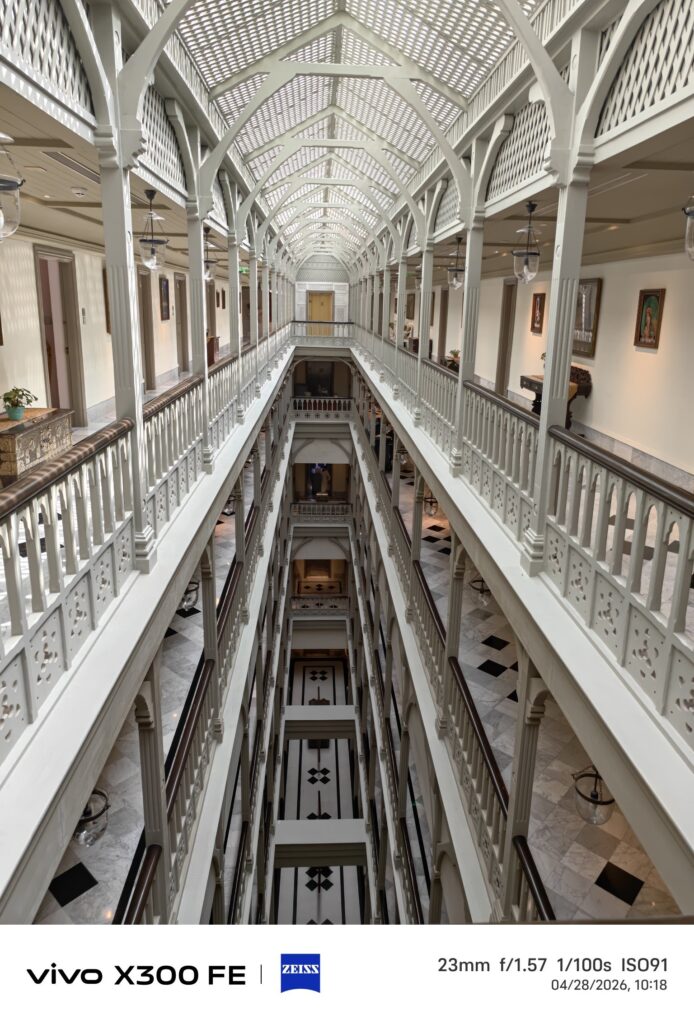

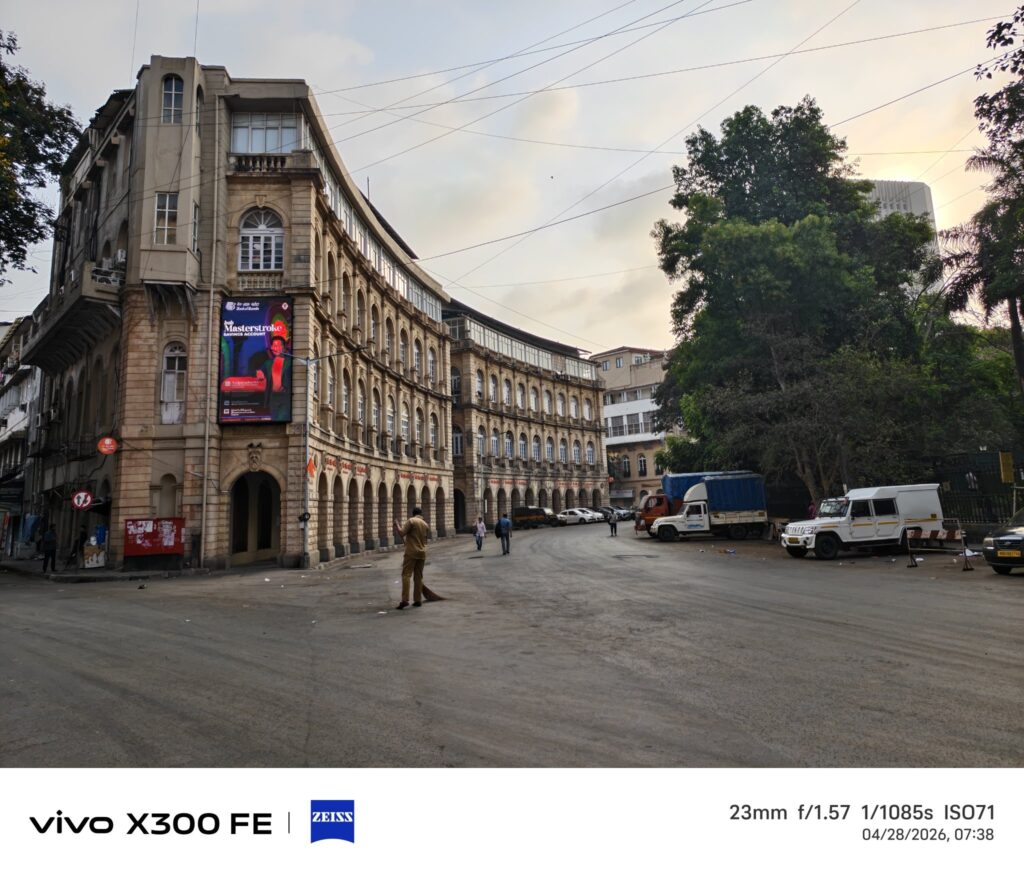
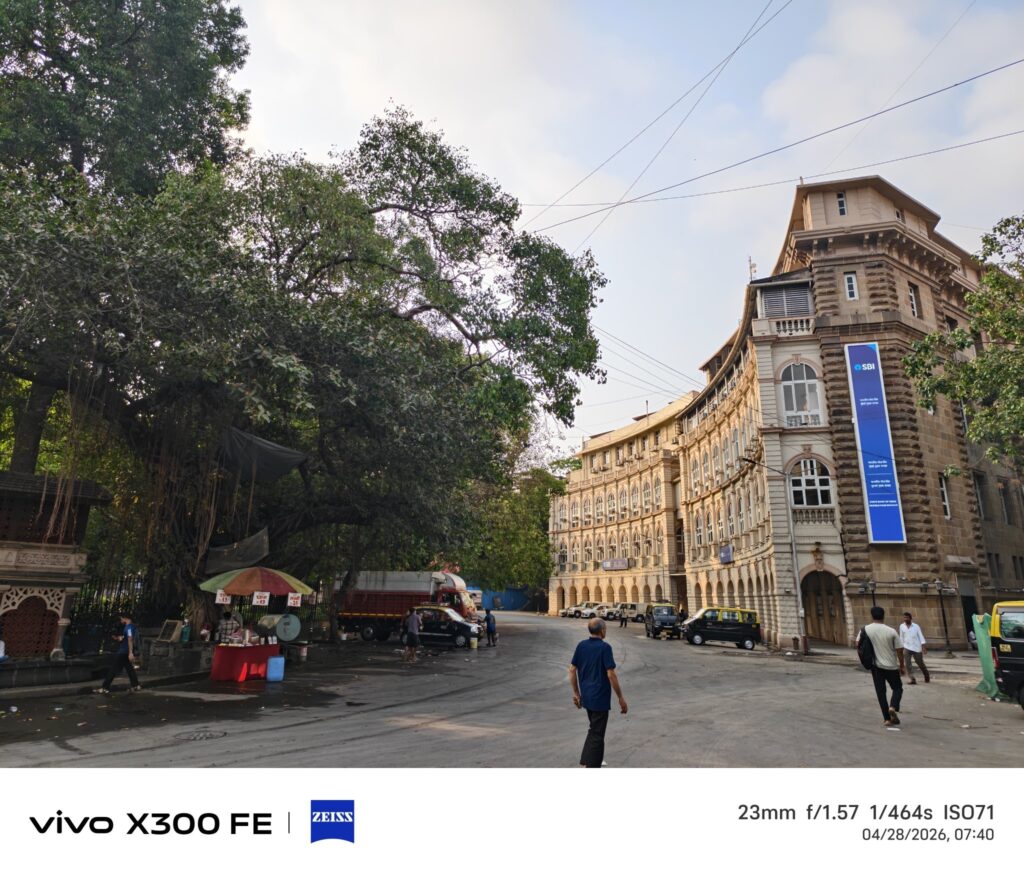
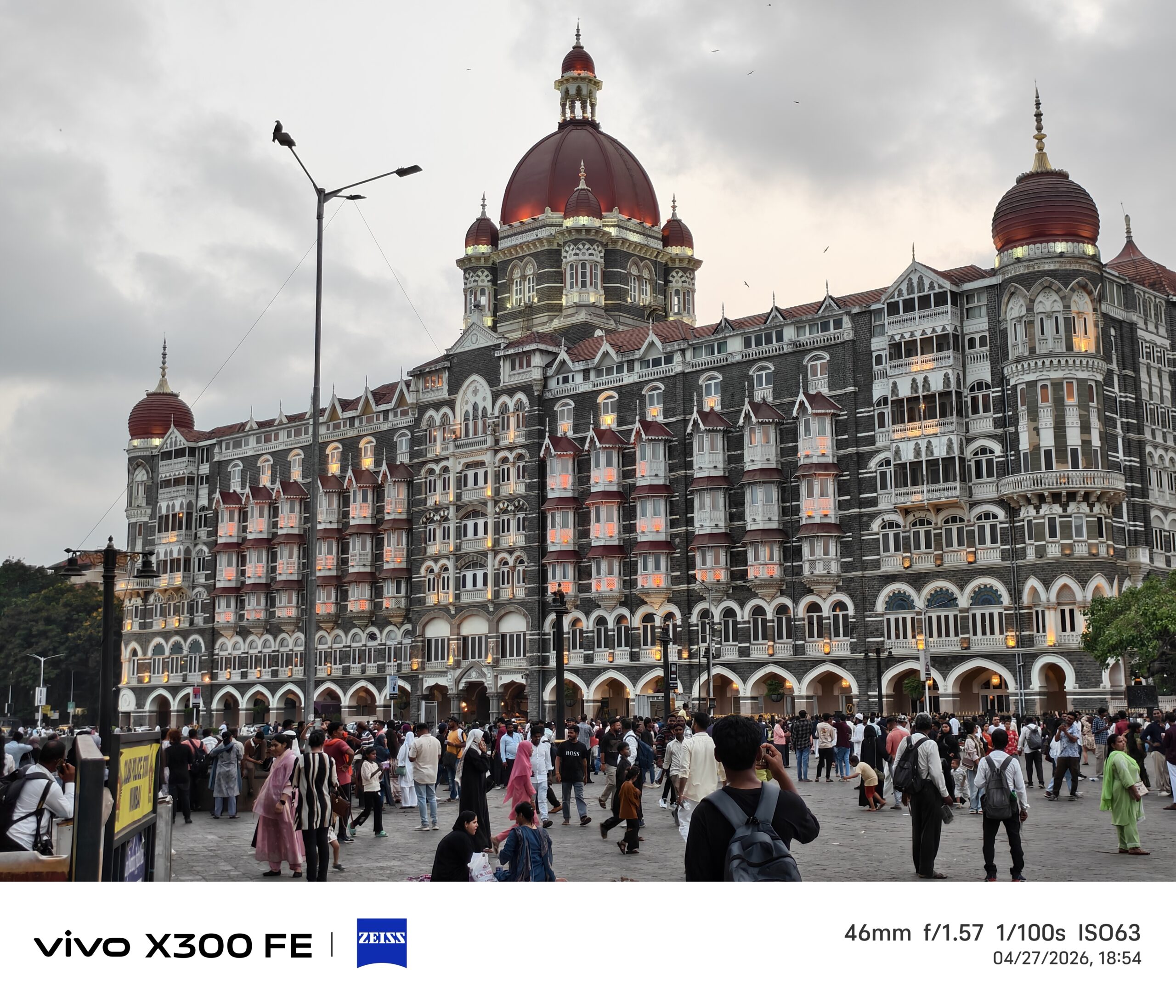
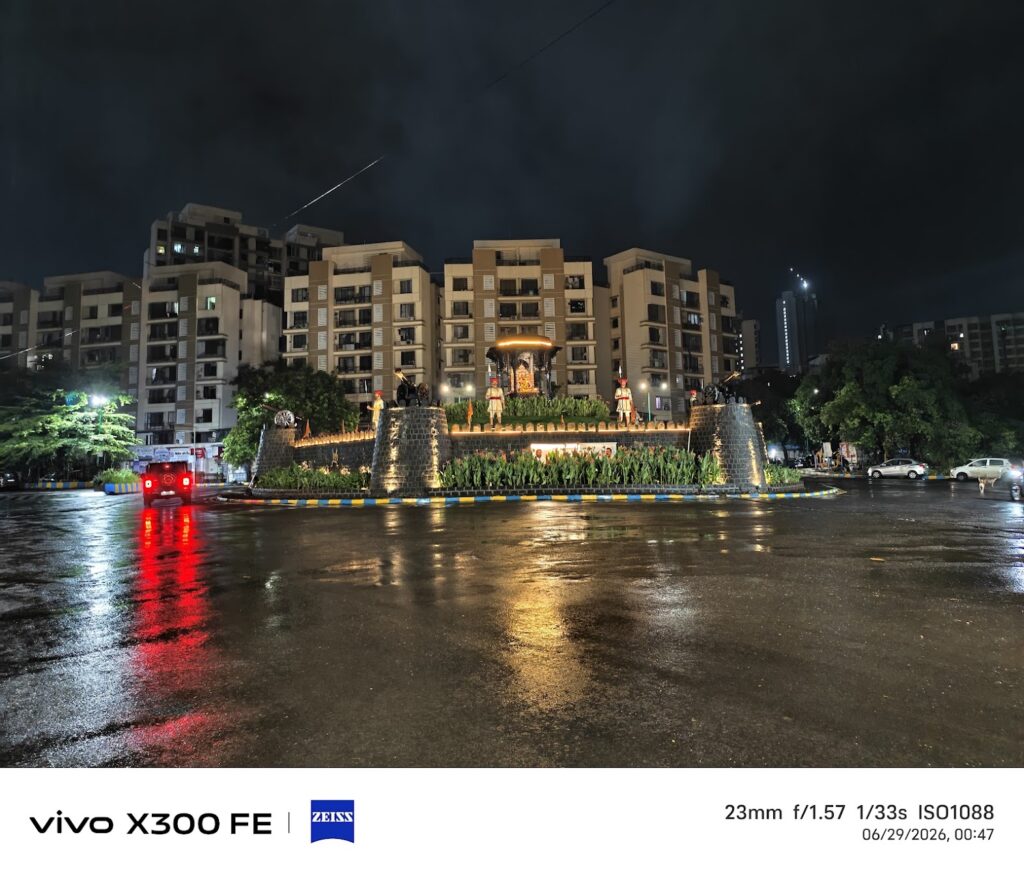
The primary camera consistently captures detailed images with balanced colors and an impressive dynamic range. HDR processing is handled intelligently, preserving highlights without making scenes look unnatural. Autofocus is quick, shutter response is fast, and photos rarely appear over-processed, making the camera dependable across almost every lighting condition.
Portrait photography remains one of Vivo’s biggest strengths. The ZEISS partnership isn’t just marketing; it genuinely improves the experience. Five portrait focal lengths provide plenty of creative flexibility, while edge detection is consistently accurate and skin tones remain natural. The various ZEISS bokeh styles also make portraits look more refined than those captured on many competing phones.


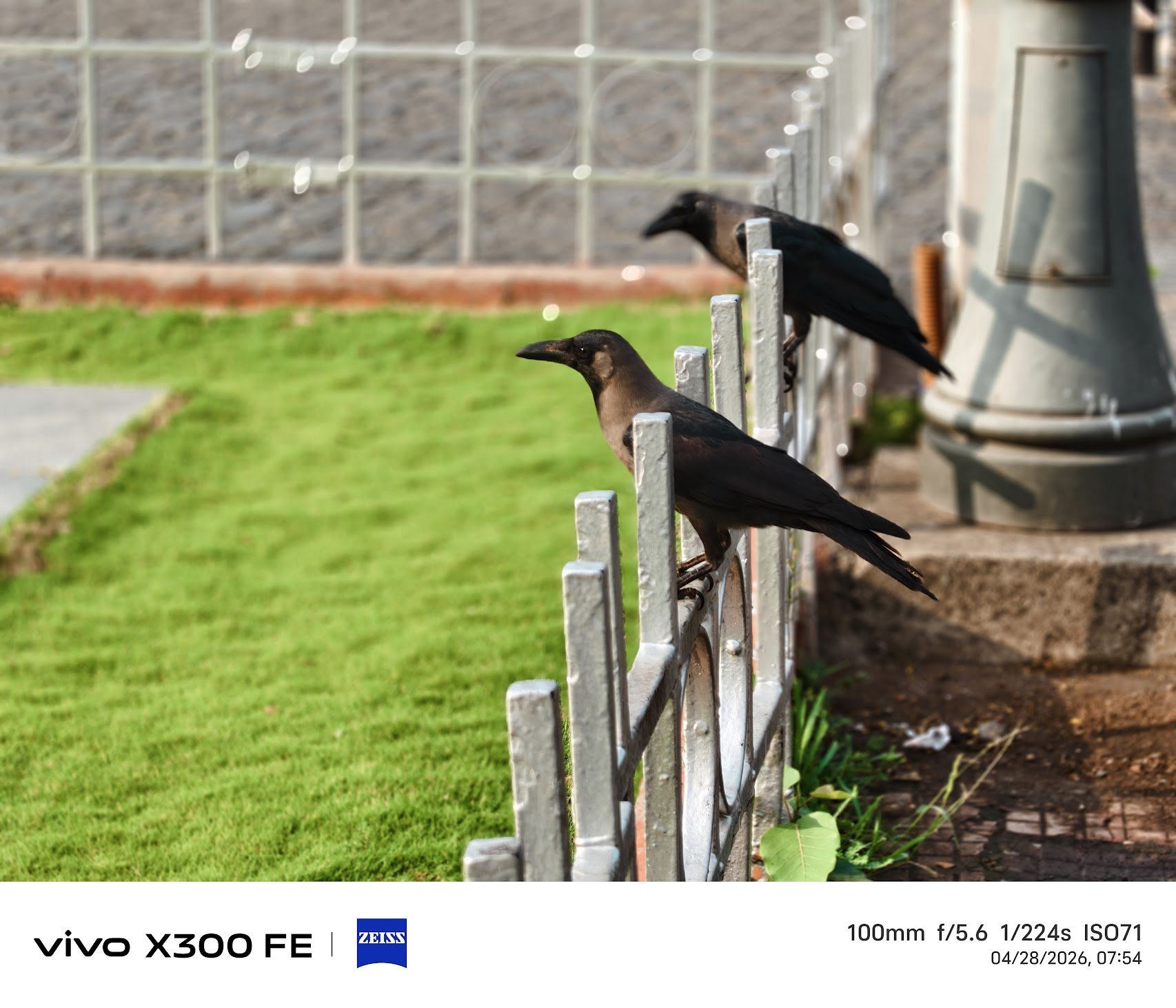
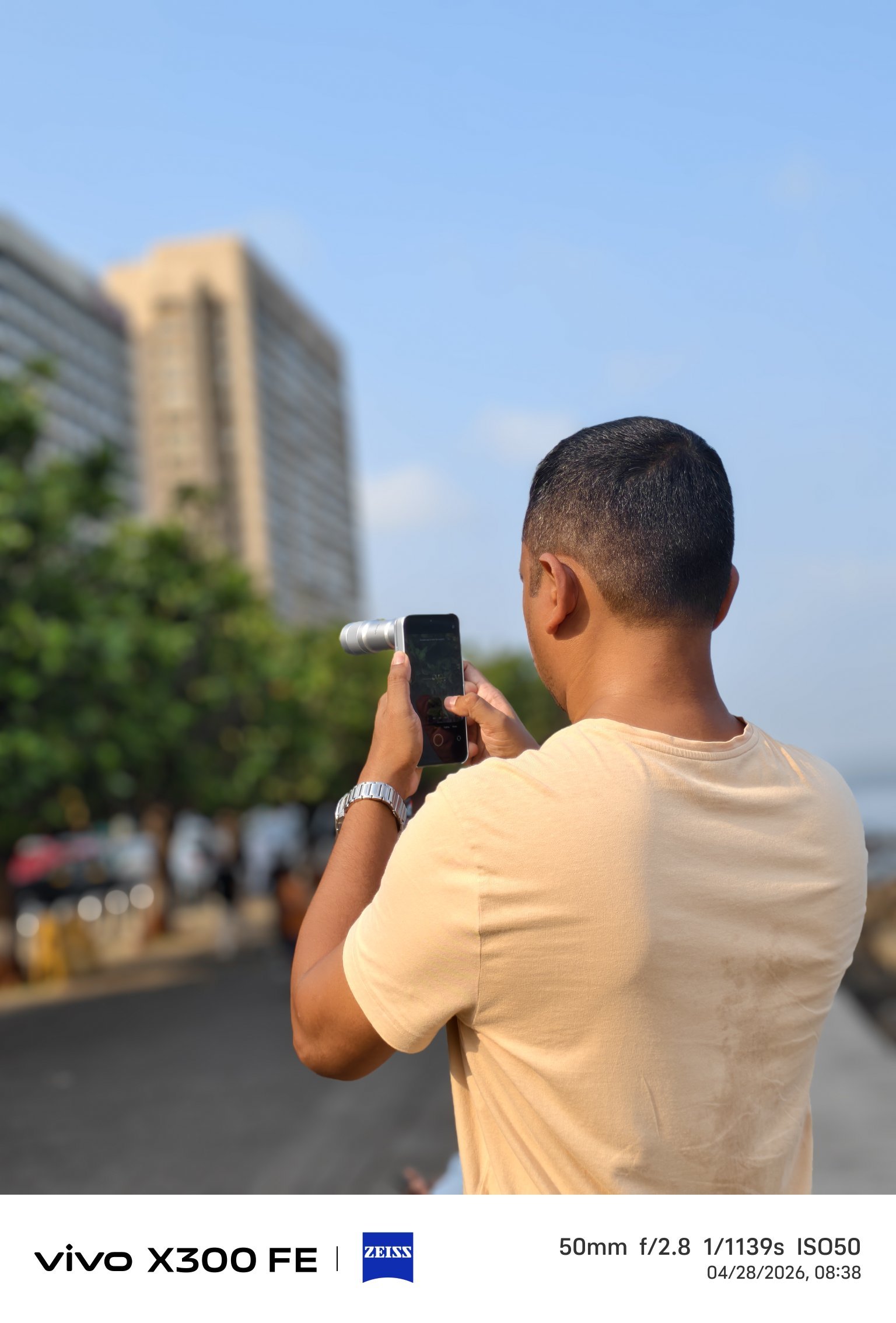
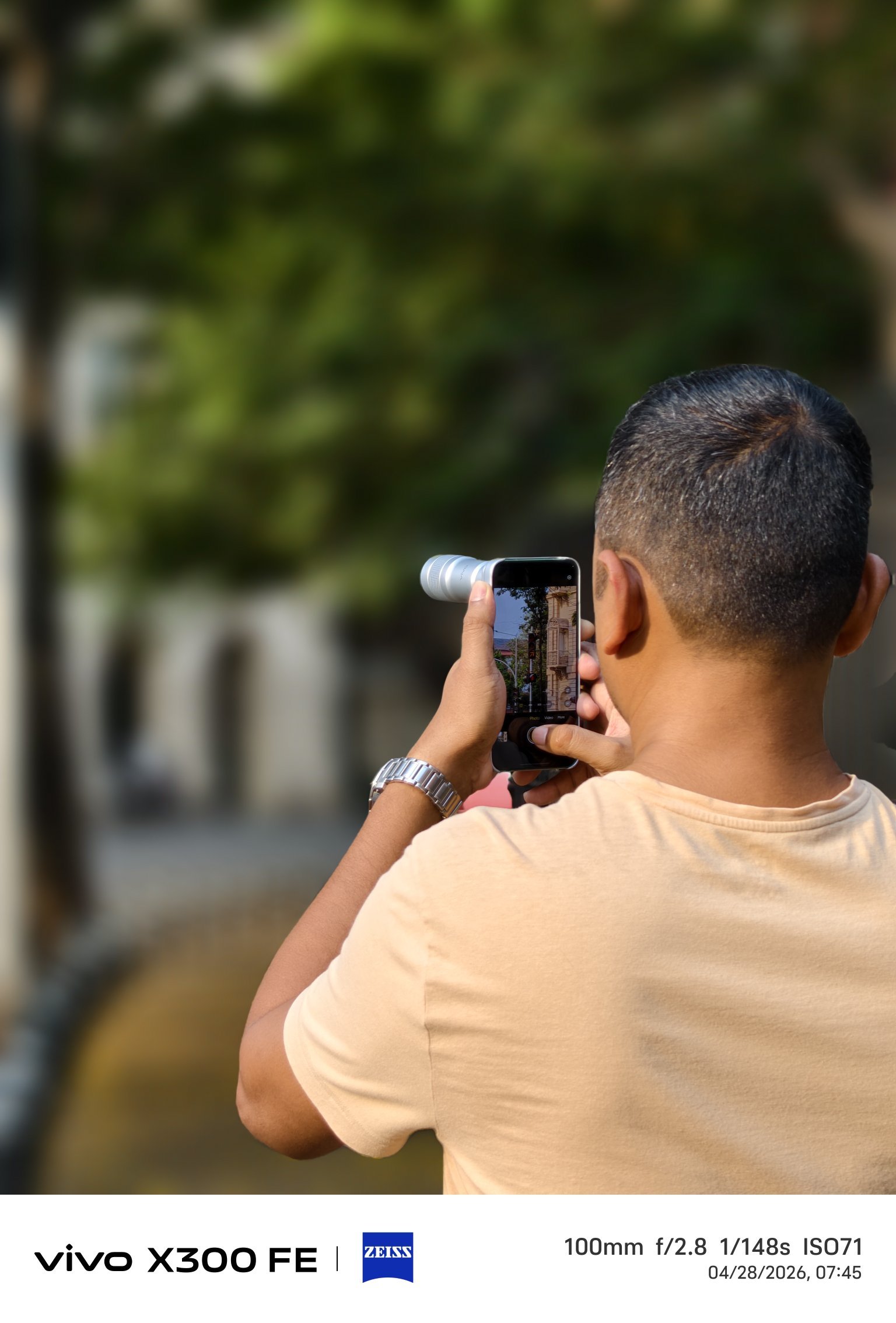

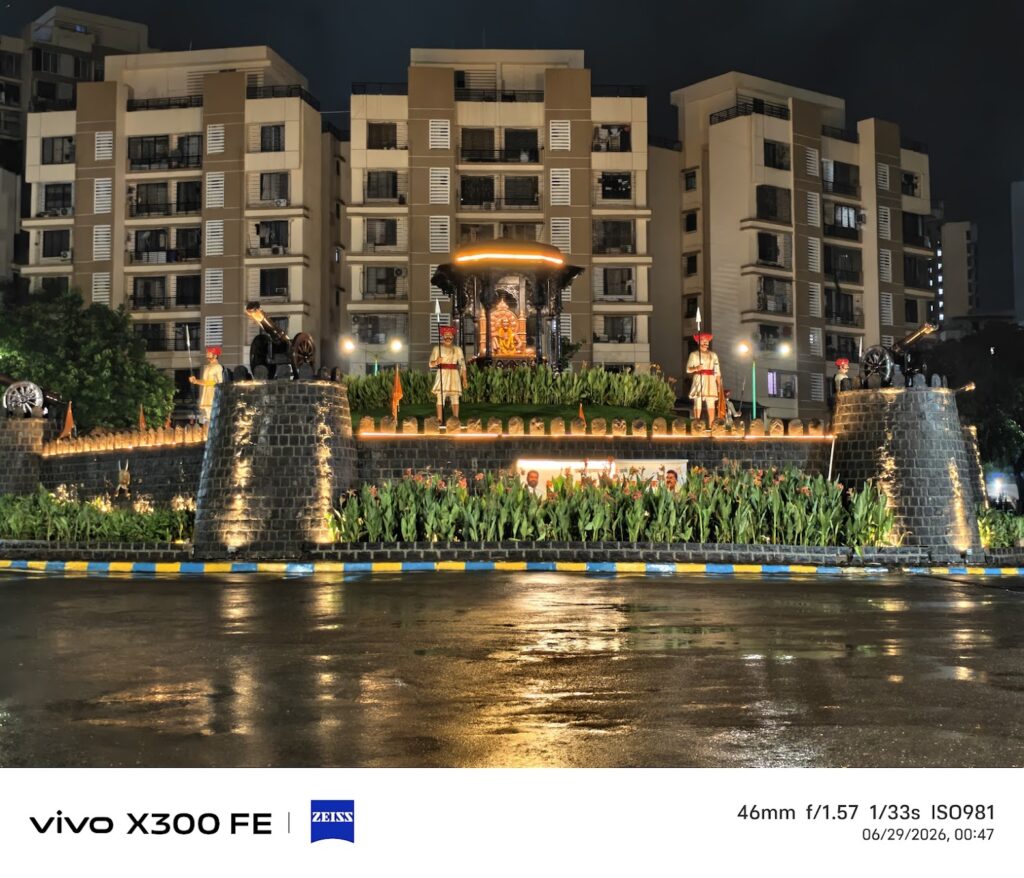
The dedicated 3x telephoto camera adds another layer of versatility. Whether shooting portraits or distant subjects, it delivers sharp, detailed images with excellent colour consistency. Even after sunset, the telephoto camera performs better than many competing flagship phones, making it genuinely useful rather than simply ticking a specification box.
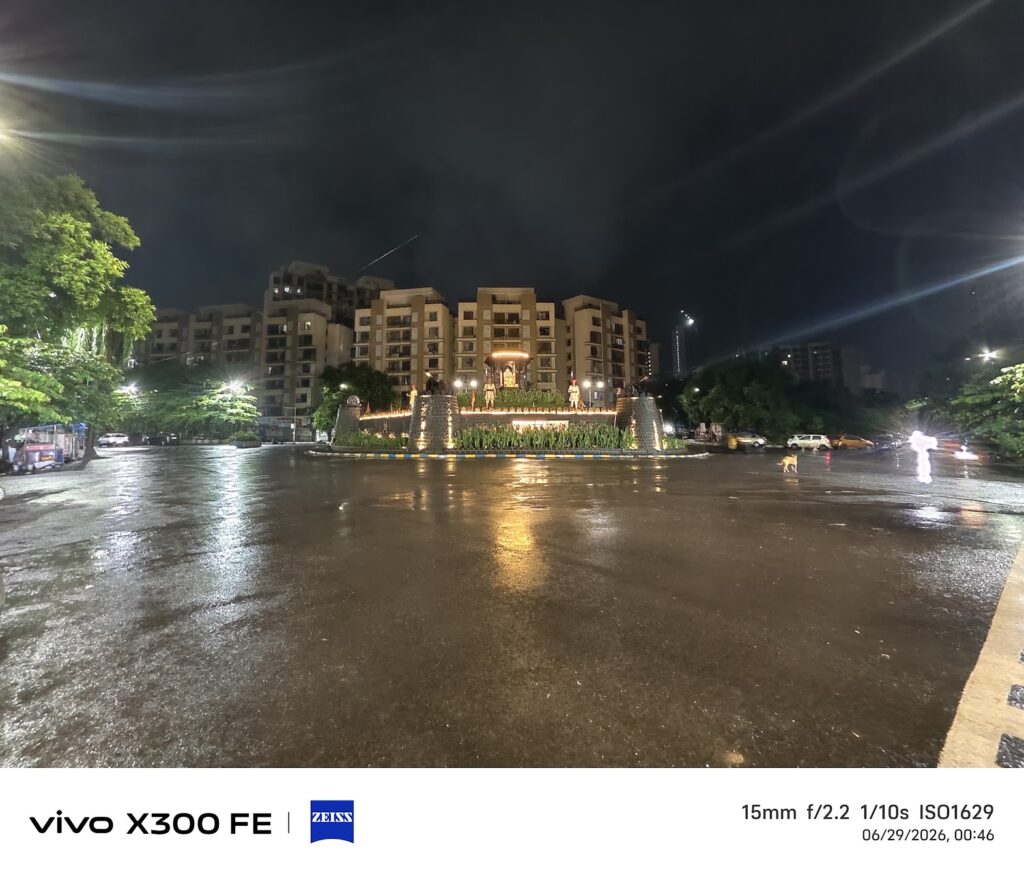
Low-light photography is equally impressive. The primary sensor captures bright, detailed photos while preserving much of the scene’s natural ambience instead of artificially turning night into day. Noise remains well controlled, and exposure is generally balanced across different lighting conditions.
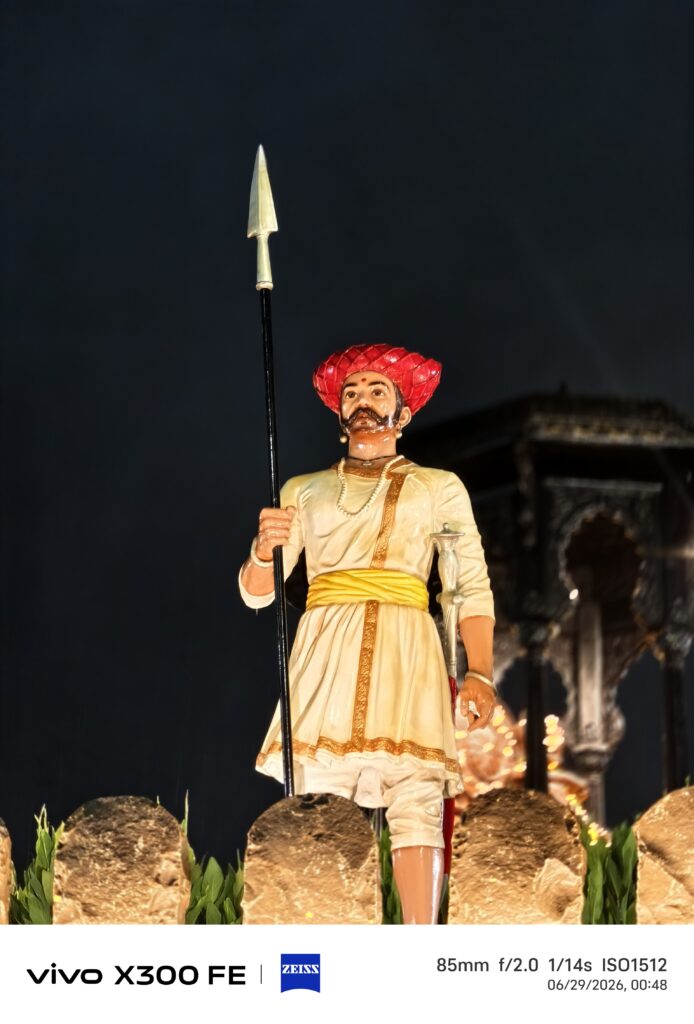

Video recording is another highlight. The phone supports up to 8K recording along with 4K at up to 120fps, although 4K at 60fps will likely be the sweet spot for most users. Footage looks detailed, stabilisation is reliable, and exposure transitions remain smooth while moving between different lighting conditions.
The 50-megapixel autofocus selfie camera also delivers consistently sharp images with natural skin tones. Autofocus makes group selfies easier by keeping faces sharp even when the phone is held farther away.
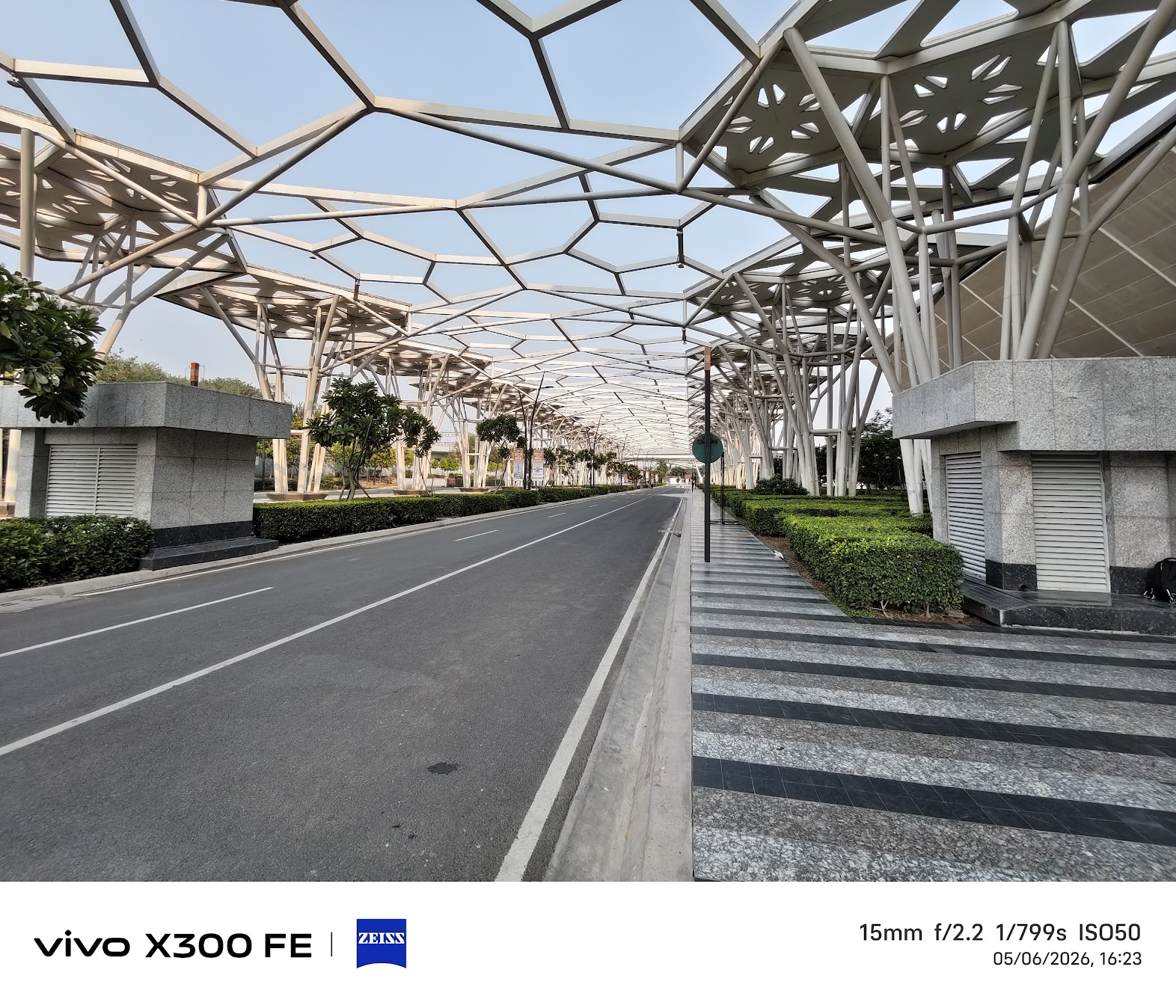

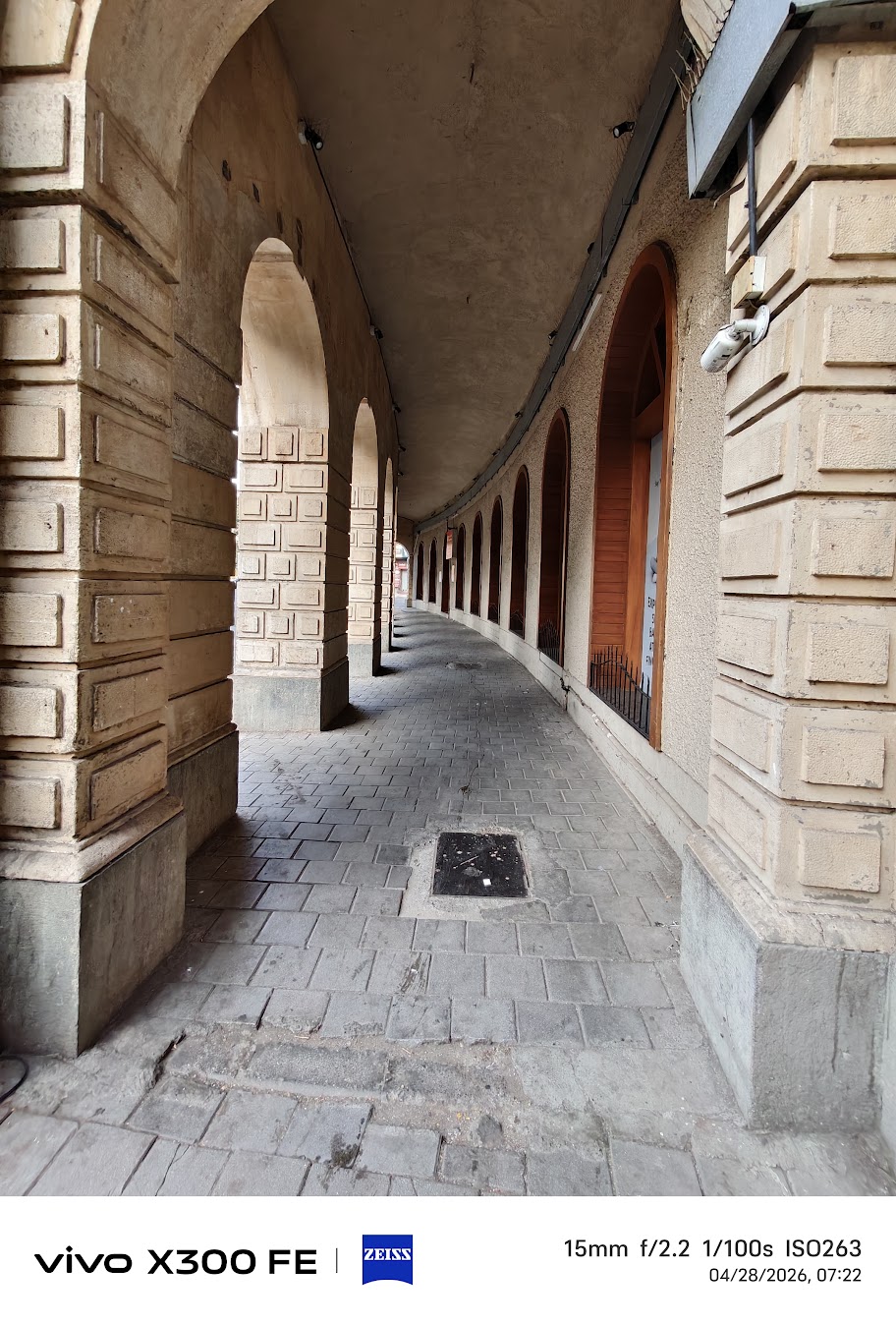
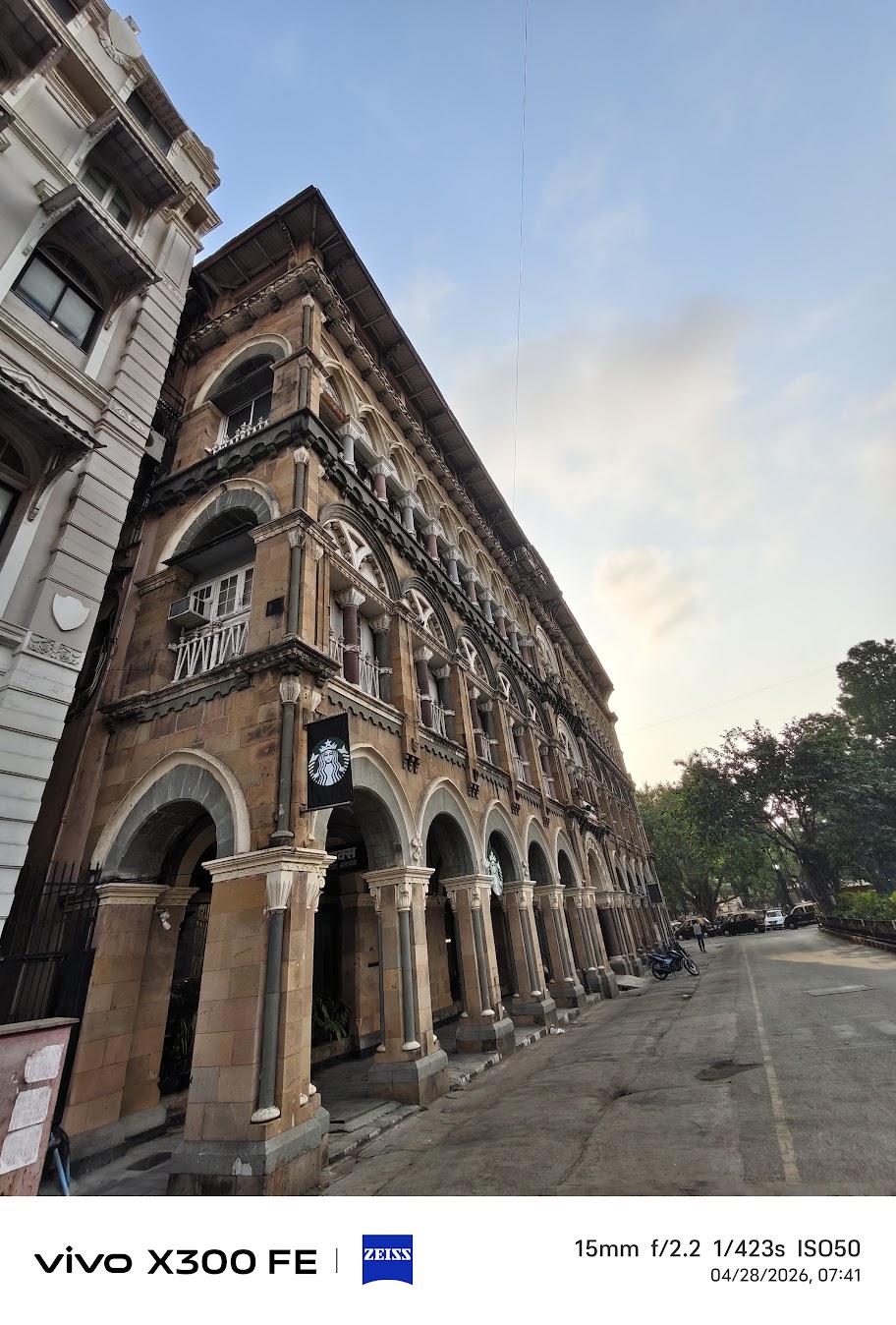
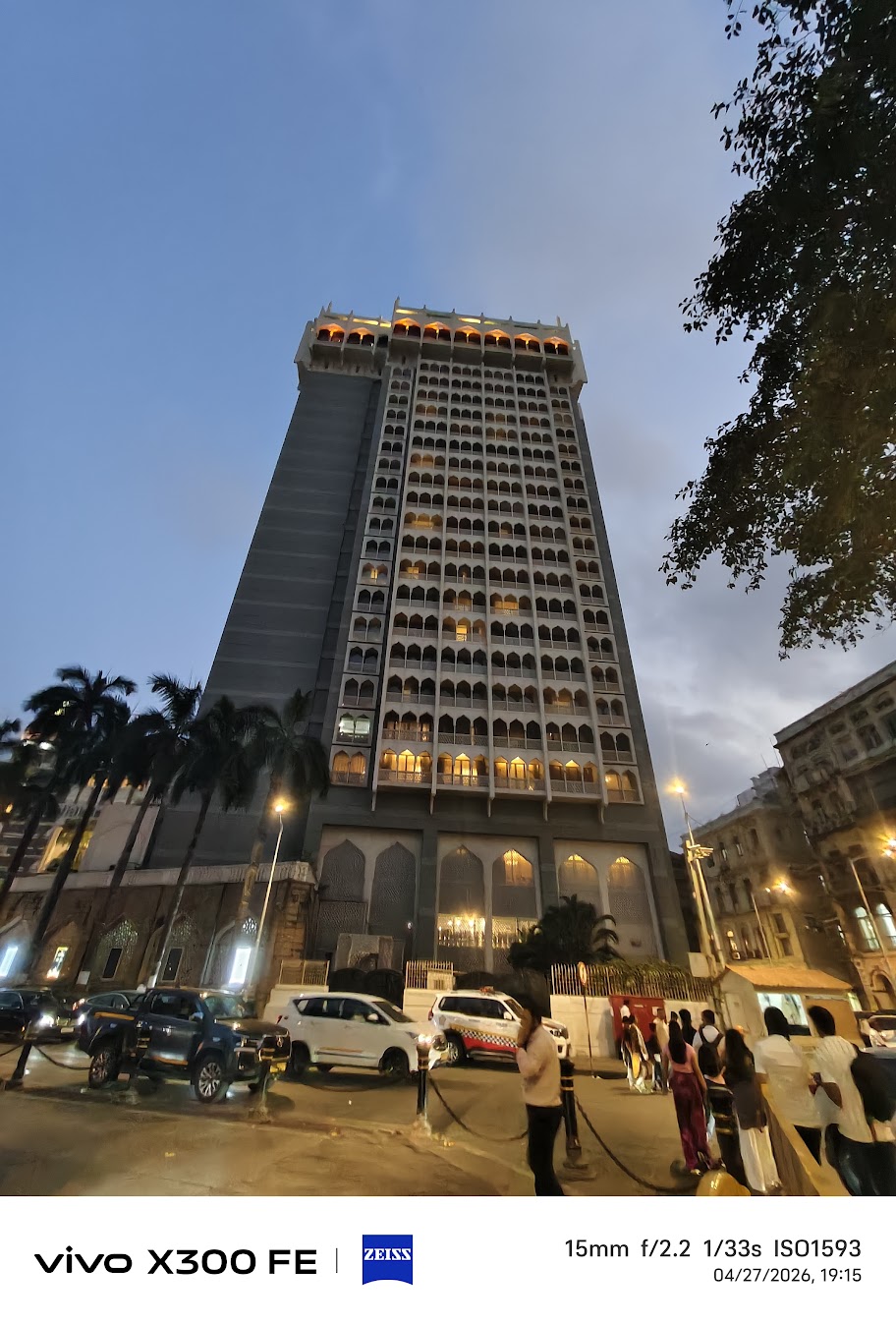
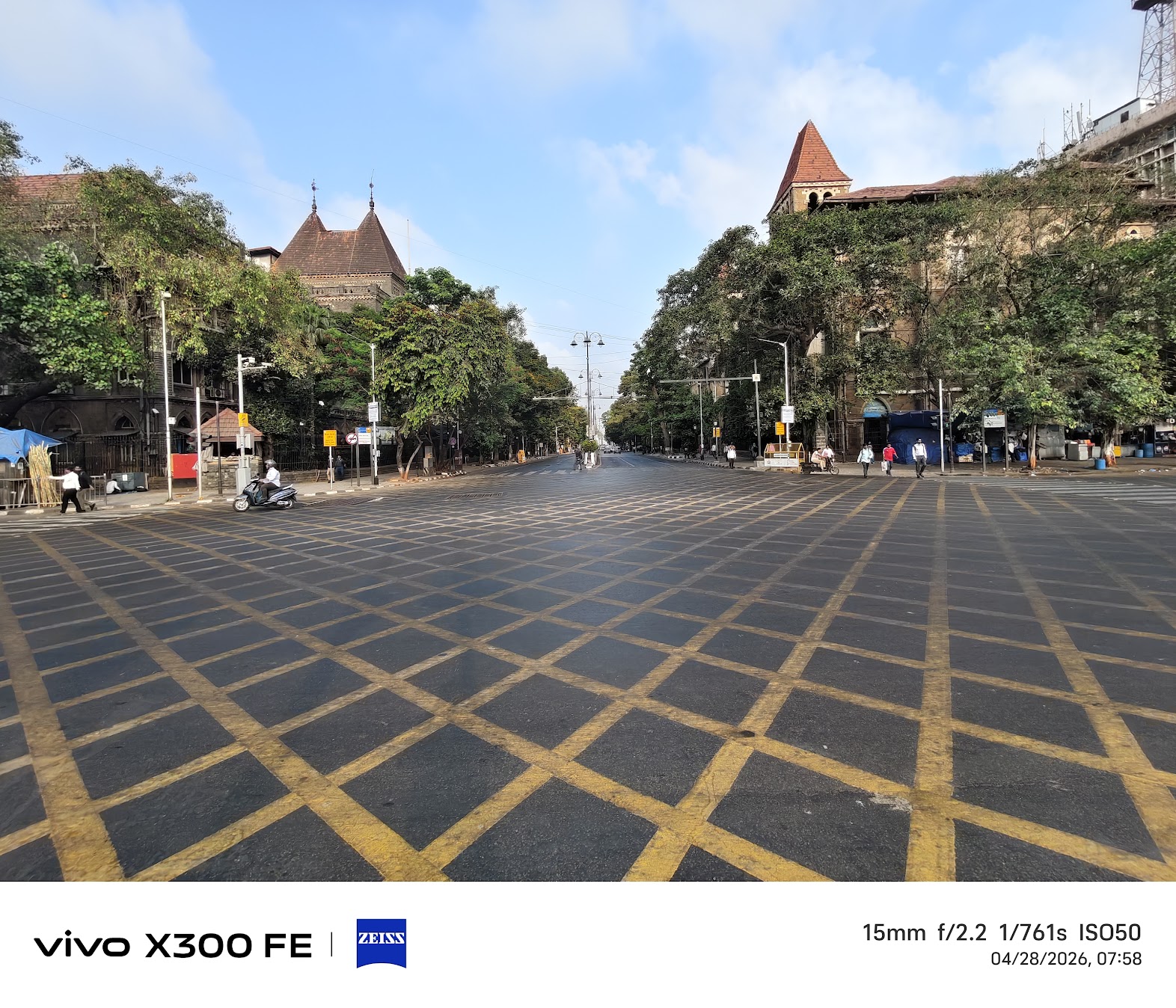
The only noticeable weakness is the ultrawide camera. While it performs reasonably well during the day, the 8MP sensor simply doesn’t match the quality of the other cameras. Images lose detail more quickly, dynamic range isn’t as impressive, and low-light performance falls behind. Considering the premium price, this is the one area where the camera system feels compromised