
Add GIZMOCHINA as Preferred Source on Google
Half of 2026 has now passed, signaling the time for our semi-annual retrospective. Each year around this With half of 2026 already behind us, it’s time for our semi‑annual check‑in. Around this time each year, we handpick a handful of standout smartphones to gauge how the market has performed over the first two quarters. Since next‑gen flagship chips usually arrive in the second half, the opening months tend to be a relatively quiet stretch for most brands — but that doesn’t mean there’s nothing worth talking about.
Best Camera: OPPO Find X9 Ultra
It does not imply a shortage of commendable devices. A prime example is our most highly recommended camera-centric smartphone: the OPPO Find X9 Ultra.
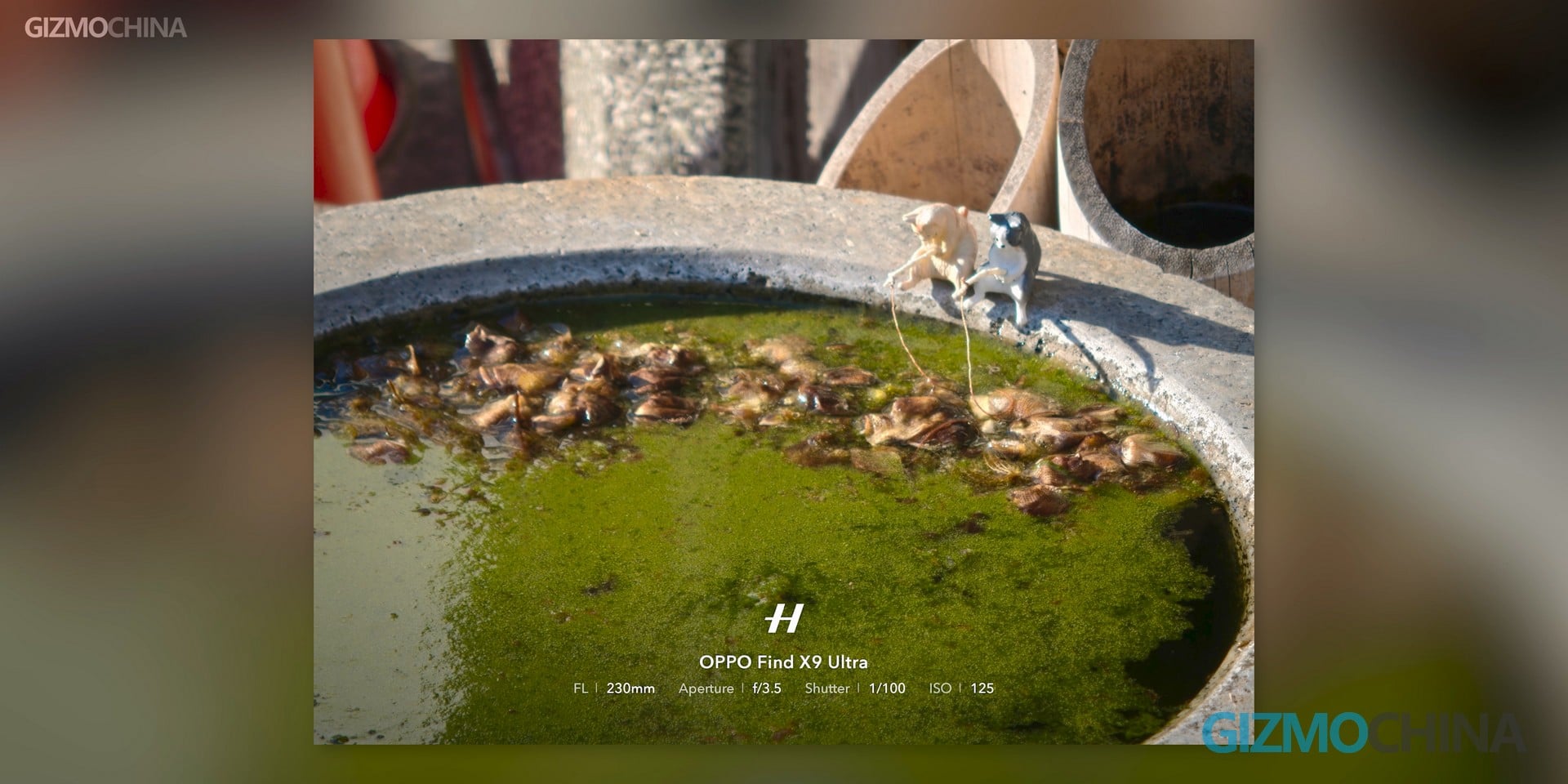
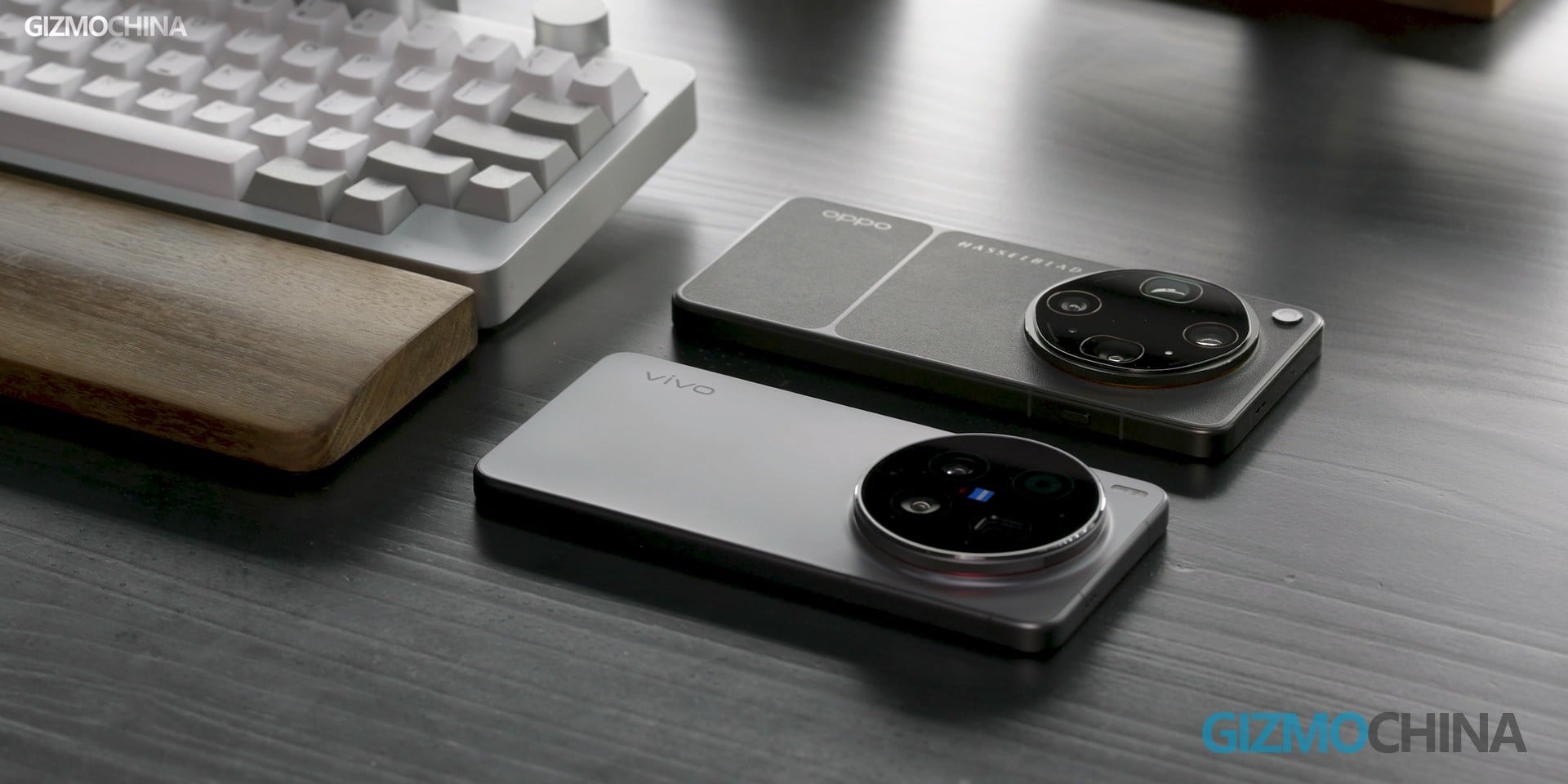
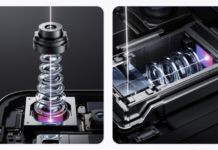
The imaging prowess of the Find X9 Ultra is widely acknowledged. It stands as one of only two flagship smartphones to incorporate a four-focal-length imaging system. In my assessment, it features the most sophisticated telephoto camera configuration ever integrated into a mobile device—both in terms of sensor selection and focal-length coverage. Coupled with Hasselblad’s color calibration, it has unequivocally become one of my preferred handsets this year.
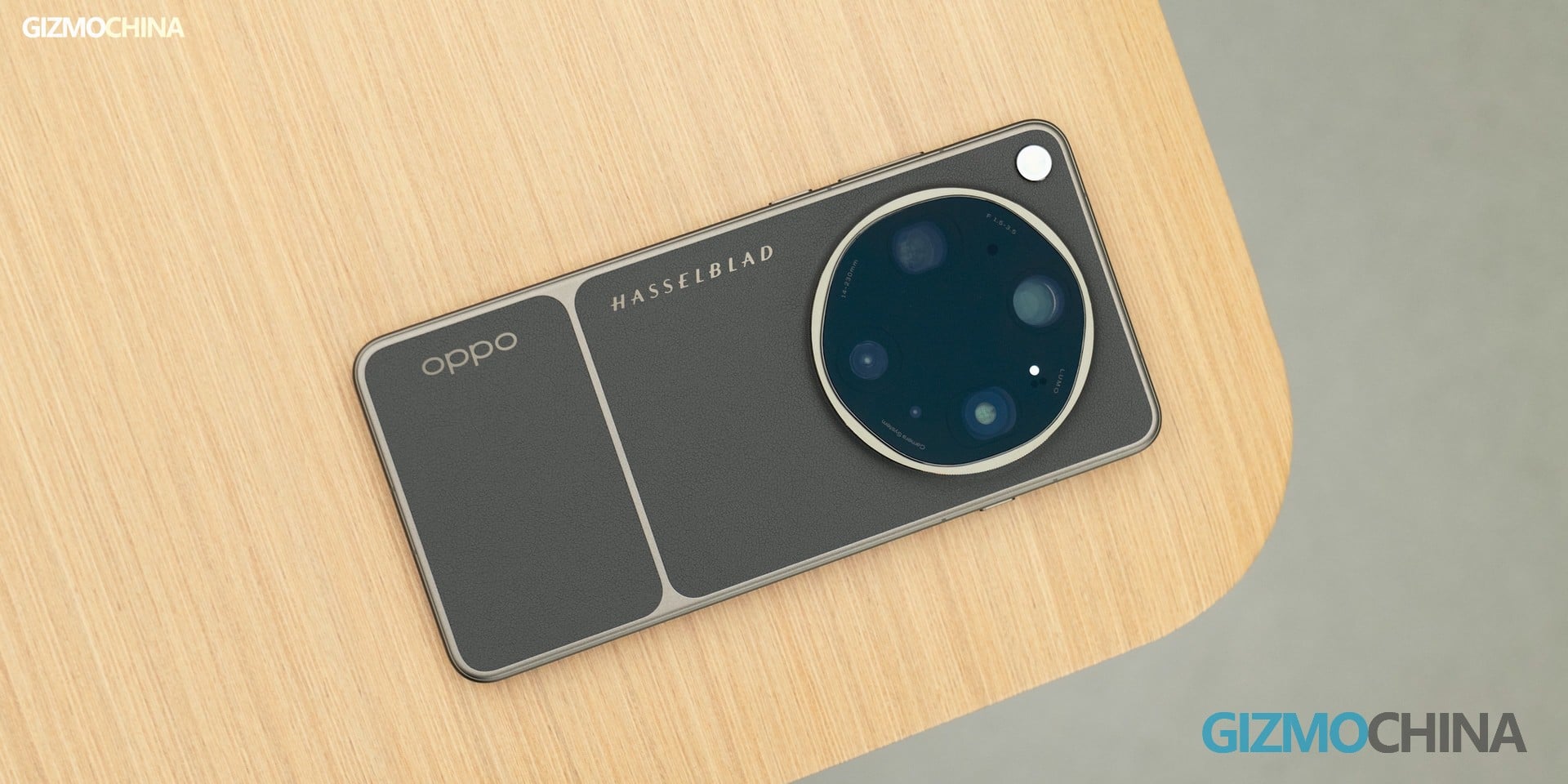
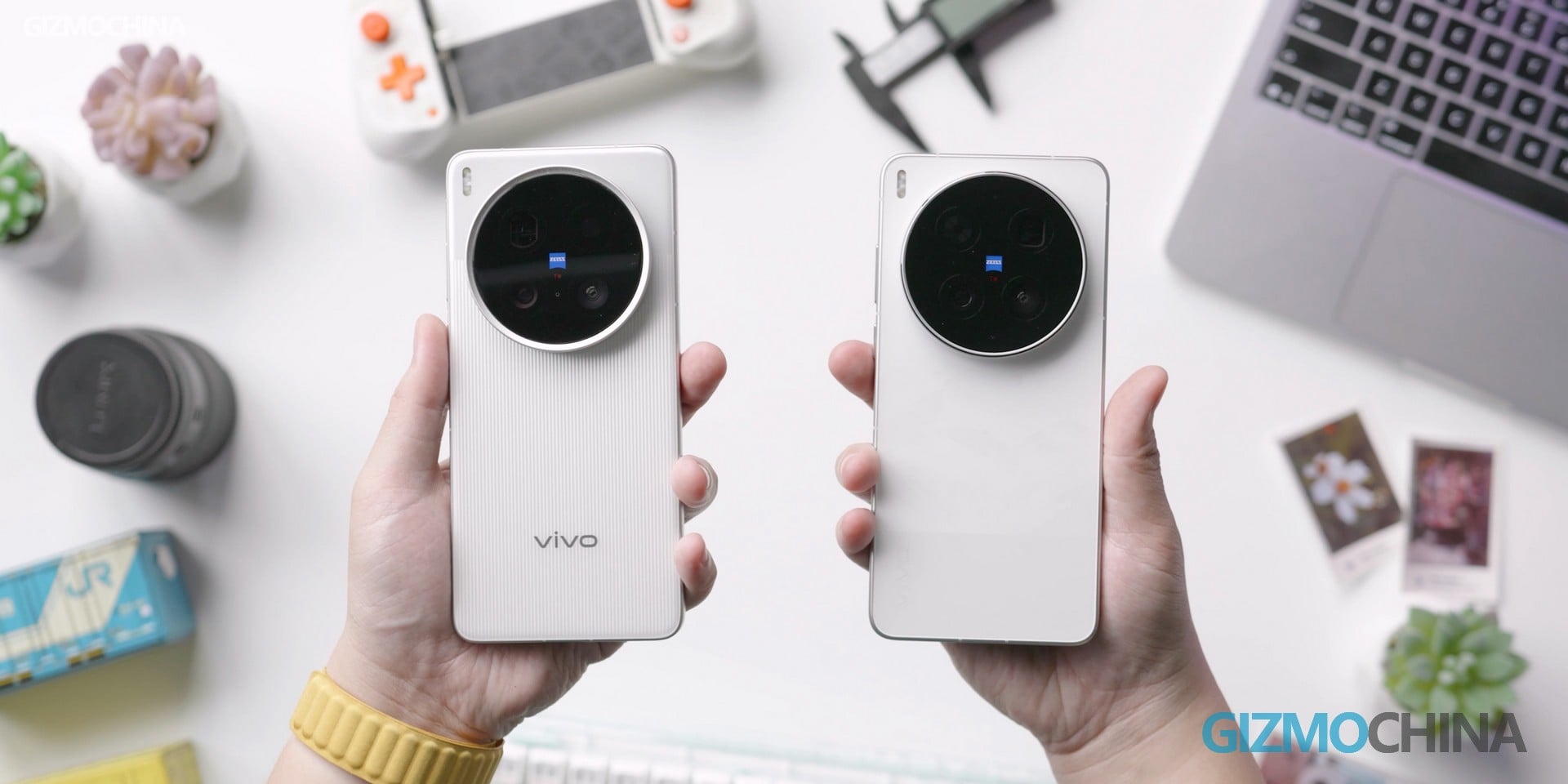
That said, it is not without imperfections. The 10x telephoto module exhibits noticeable chromatic aberration, and video stabilization remains an area requiring refinement. Nevertheless, when compared to a more conservative yet reliably competent contender like the vivo X300 Ultra, the review team leans toward the device with greater distinctiveness.

The X300 Ultra is objectively a commendable smartphone, but its 2026 iteration felt overly restrained in its approach. The absence of a refreshing novelty is the sole factor, in my view, that places it behind the Find X9 Ultra. Naturally, this reflects my subjective perspective; should one regard the vivo X300 Ultra as the premier camera phone of the year, I fully respect that position.
The Find X9 Ultra is undeniably excellent, yet its pricing is prohibitively steep. Consequently, the question arises: is there a more cost-effective camera-centric alternative? Indeed, there is—the HUAWEI Pura 90s Pro Max.
Leading Smart Imaging Experience: HUAWEI Pura 90s Pro Max

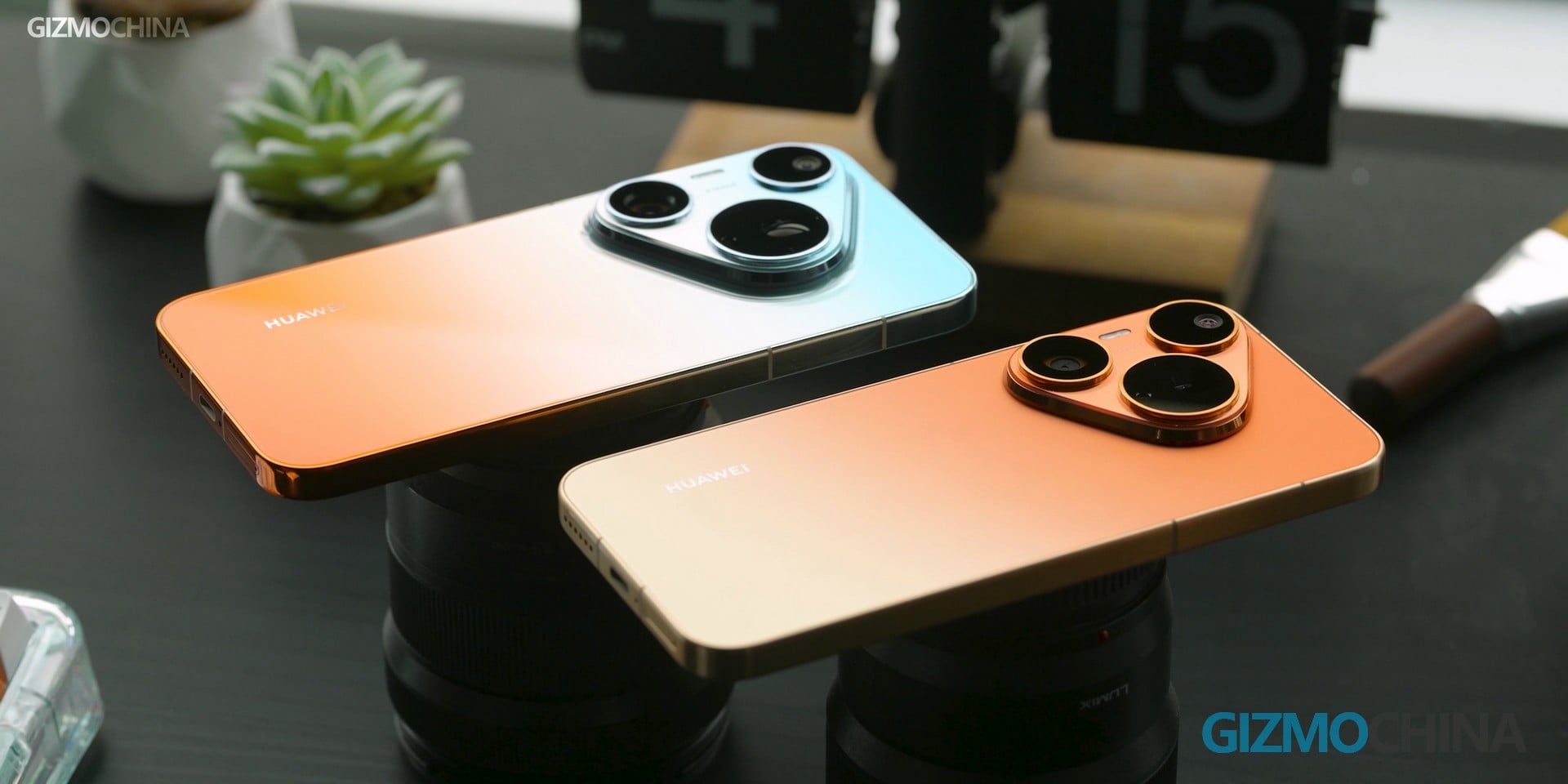
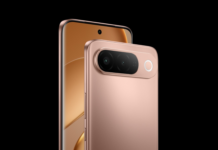
HUAWEI Pura 90s Pro Max deserves a special mention — not just for the hardware integration, but more importantly, for what it can further do on final imaging. The Asia‑Pacific variant we received comes packed with AI De‑Glare, AI Move, and AI Composition 3.0, which automatically frames your shots as you capture them. Celia and the Advanced Translation Toolkit are also onboard.
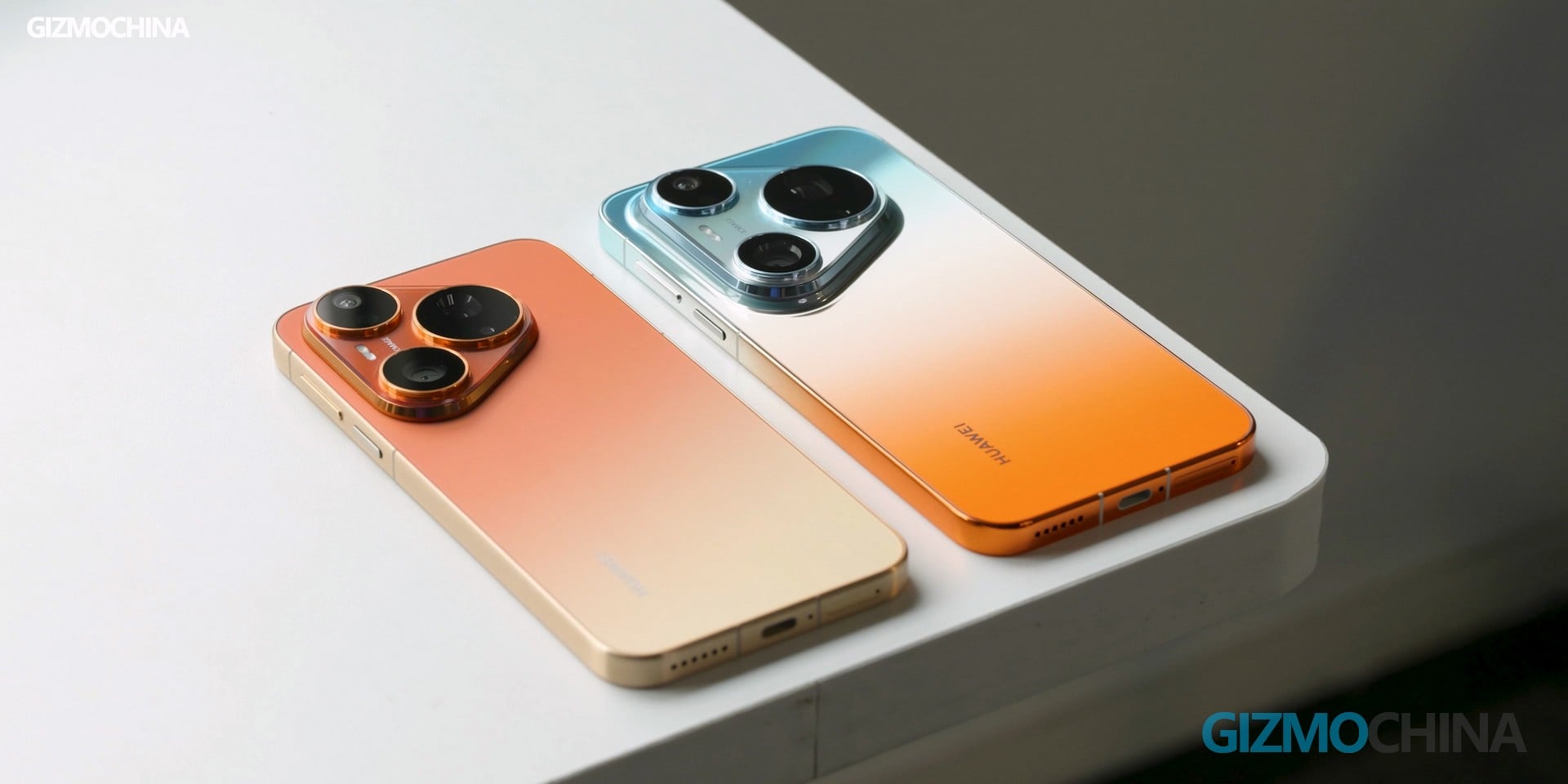
While other manufacturers are aggressively fighting spec wars, HUAWEI has been strategically doubling down on the AI experience—a focus the team finds particularly commendable. The Pura 90s Pro Max doesn’t hold back on hardware either. Its RYYB sensor yields outstanding low-light output, and the telephoto video recording sharpness is particularly noteworthy.
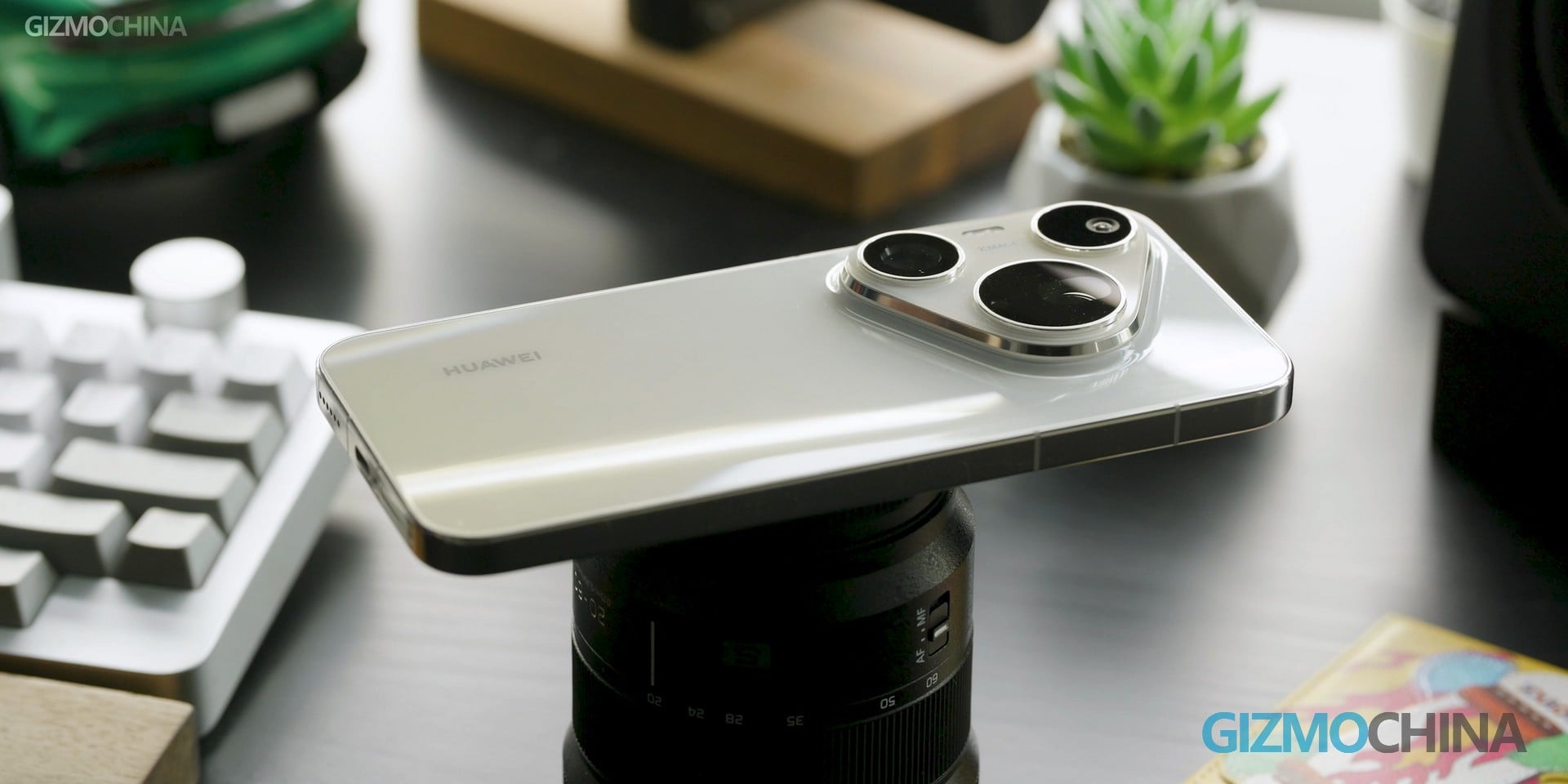
The review team initially planned to give this recognition to the Pura 90 Pro Max — the Chinese version. But HUAWEI did something unusual this time: it didn’t cut corners on the international version. The two models are essentially identical. So, despite the slightly later launch, I’m giving the nod to the Pura 90s Pro Max — simply because it’s the more readily accessible option for most of our audience.
The 200MP telephoto camera, built on an RYYB sensor, offers improved light sensitivity for long‑range shots, while the telephoto video recording now benefits from enhanced stabilisation and a dedicated far‑field voice enhancement algorithm—useful for capturing distant subjects with clearer audio. The XMAGE AI Smart Capture streamlines the editing workflow by providing one‑tap suggestions for composition, colour, and exposure adjustments. The new 3D dynamic photo feature adds a subtle depth effect to still images, giving them a more lifelike feel without requiring manual post‑processing. When taken together, these improvements offer a tangible step forward in smartphone imaging, and they work consistently across both the Chinese and Asia‑Pacific versions—making the Pura 90s Pro Max a well‑rounded choice for users who prioritise camera versatility and AI‑assisted creativity.
Best Gaming Phone: REDMI K90 Max
Typically, the “Best Gaming Phone” accolade would automatically be assigned to RedMagic. On this occasion, however, we wish to confer it upon the REDMI K90 Max, for two primary reasons. First, the K90 Max is more affordable; it incorporates a built-in cooling fan, is lighter and slimmer, yet retails at merely half the price of the RedMagic 11S Pro.
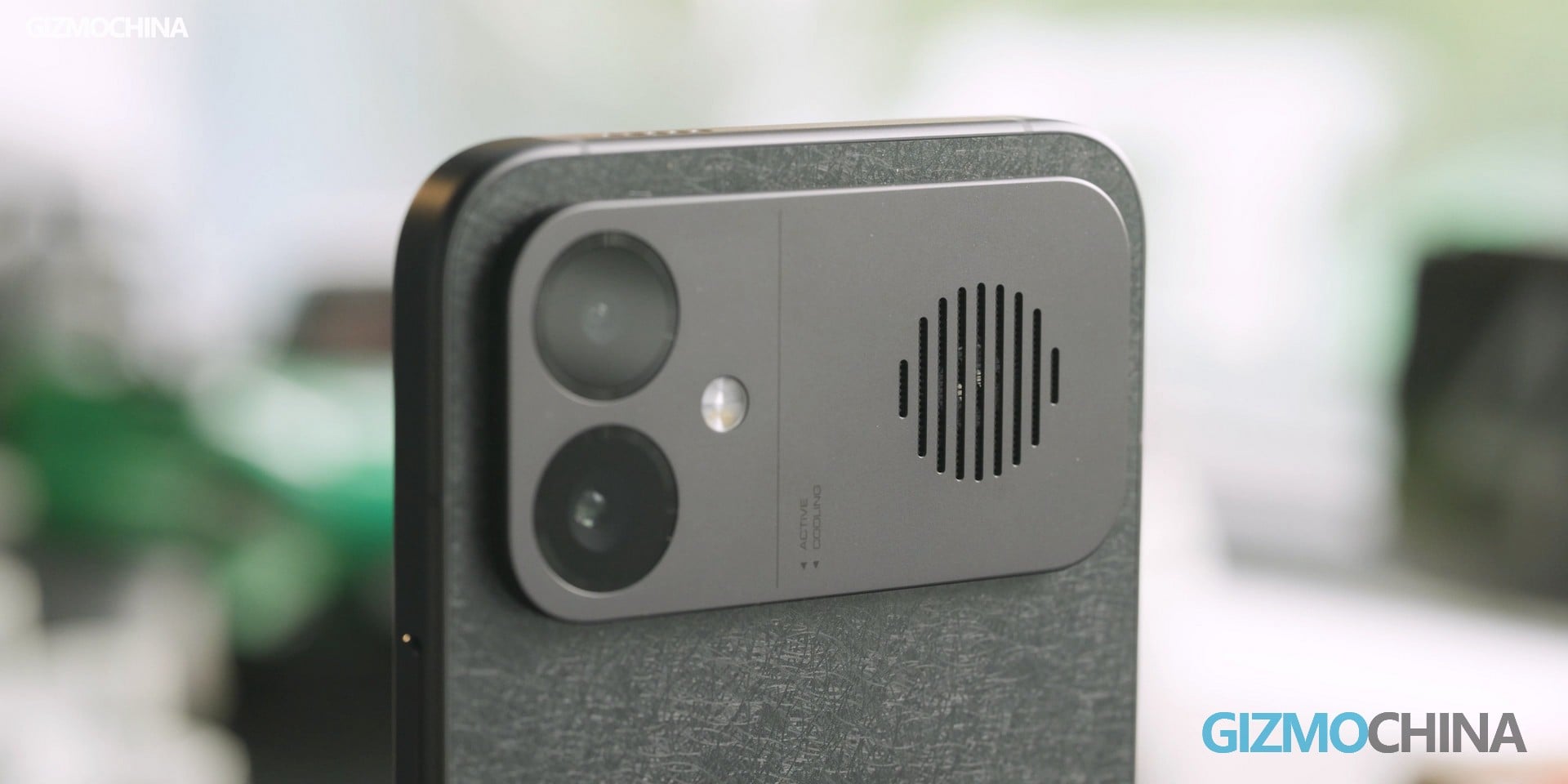
Second, its frame-interpolation functionality sets it apart. On most smartphones, frame interpolation is restricted to a whitelist of supported games. The K90 Max, in contrast, enables this feature across all titles without limitation. After extensive testing across multiple games, its performance consistently met expectations. The review team can confidently assert that this currently represents the most worthwhile gaming smartphone available, without reservation.
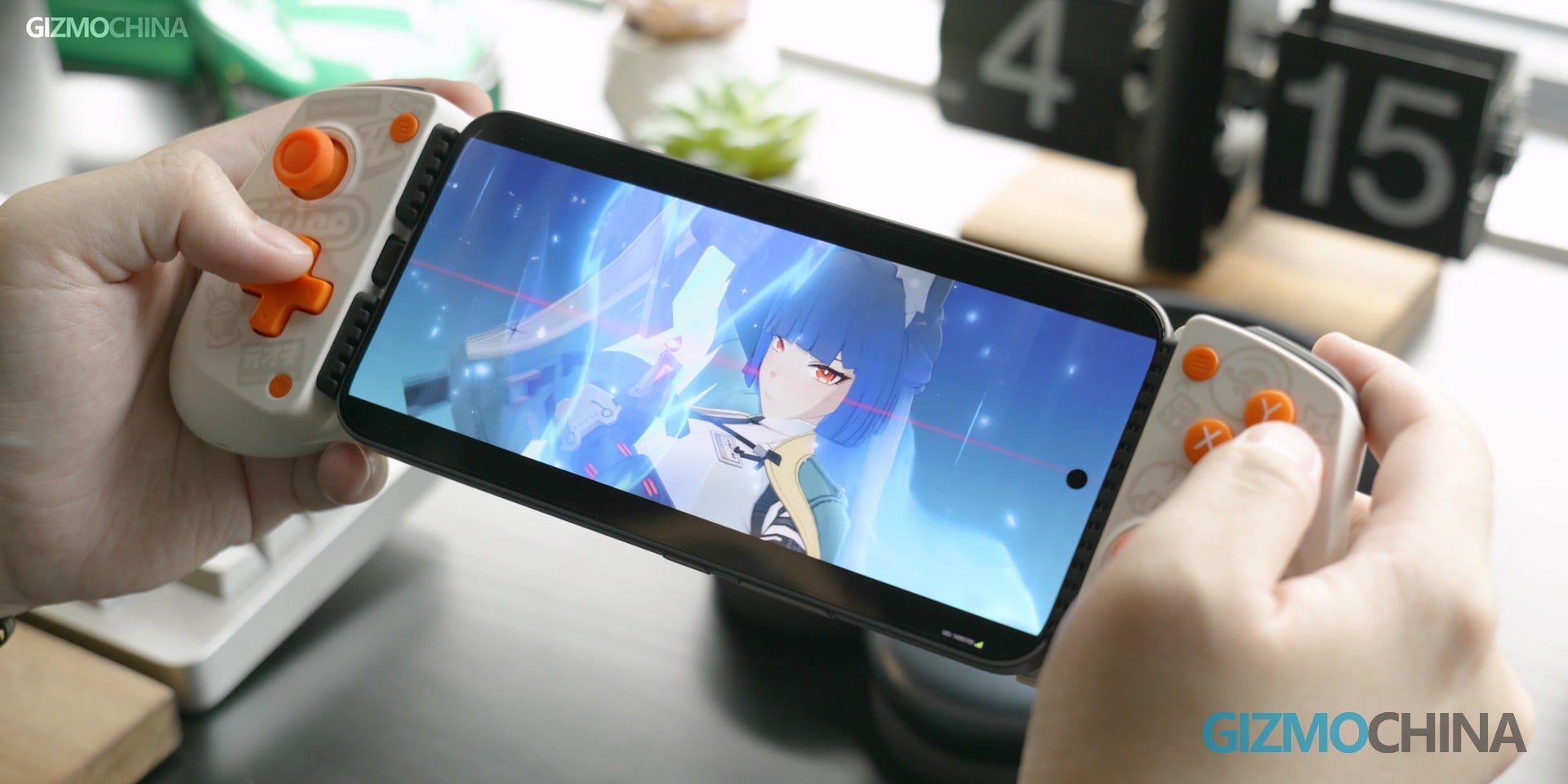
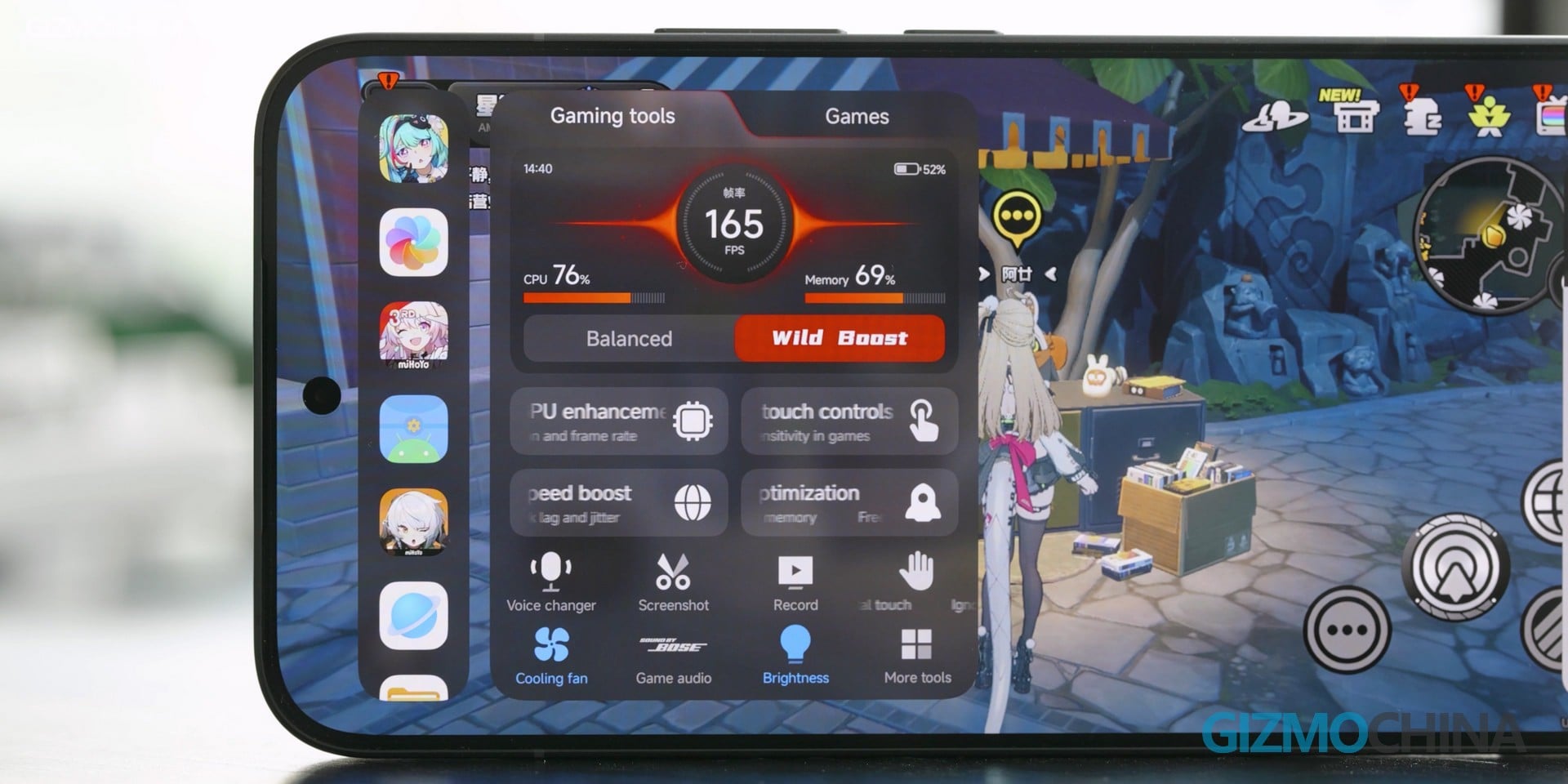
Naturally, this accolade could equally be awarded to its sibling model, the K90 Ultra. The decision between the two ultimately hinges on whether the user prioritizes enhanced performance or a $60 cost saving.
Best Foldable: HUAWEI Pura X Max
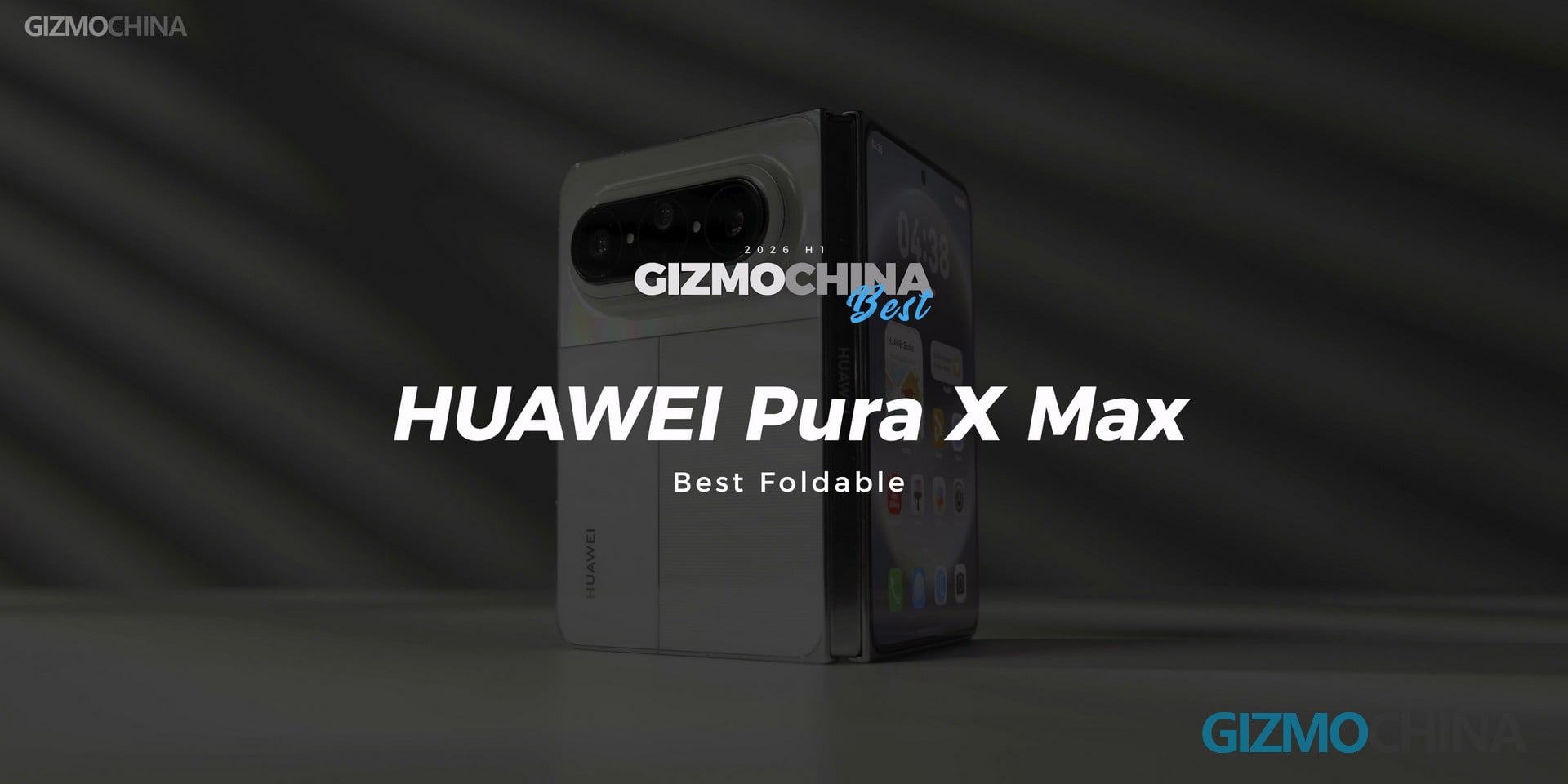
Although our comprehensive review of the HUAWEI Pura X Max has not yet been published, this does not preclude me from designating it as the “Best Foldable.” =
In fact, commencing with last year’s Pura X, HUAWEI had already initiated experimentation with wider aspect ratios to prevent the display from awkwardly assuming a square form upon unfolding. This year’s Pura X Max adopts a √2:1 aspect ratio, ensuring that the device maintains a consistent screen proportion whether folded or unfolded. This represents HUAWEI’s definitive resolution to the foldable-screen ratio challenge.
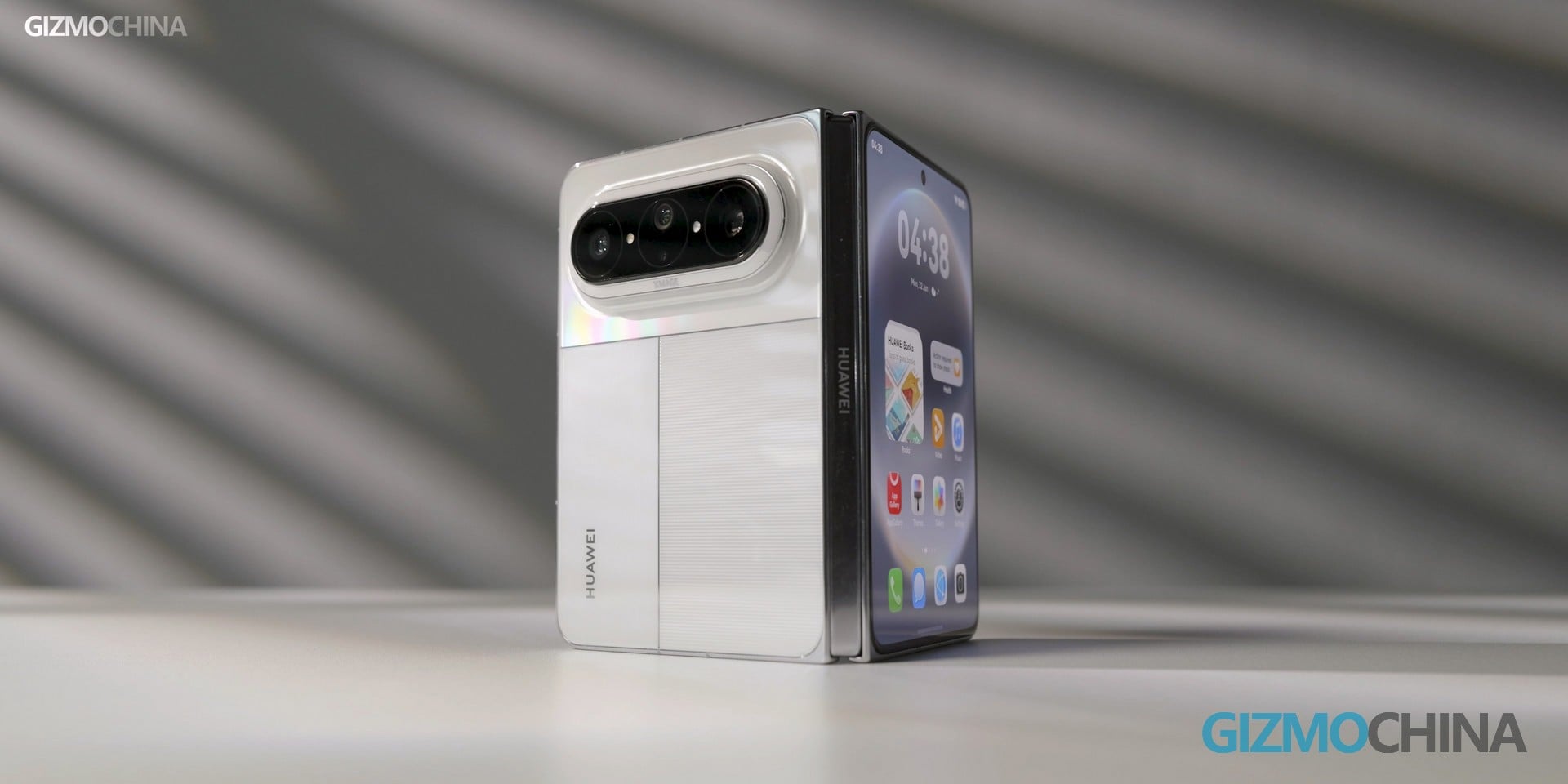
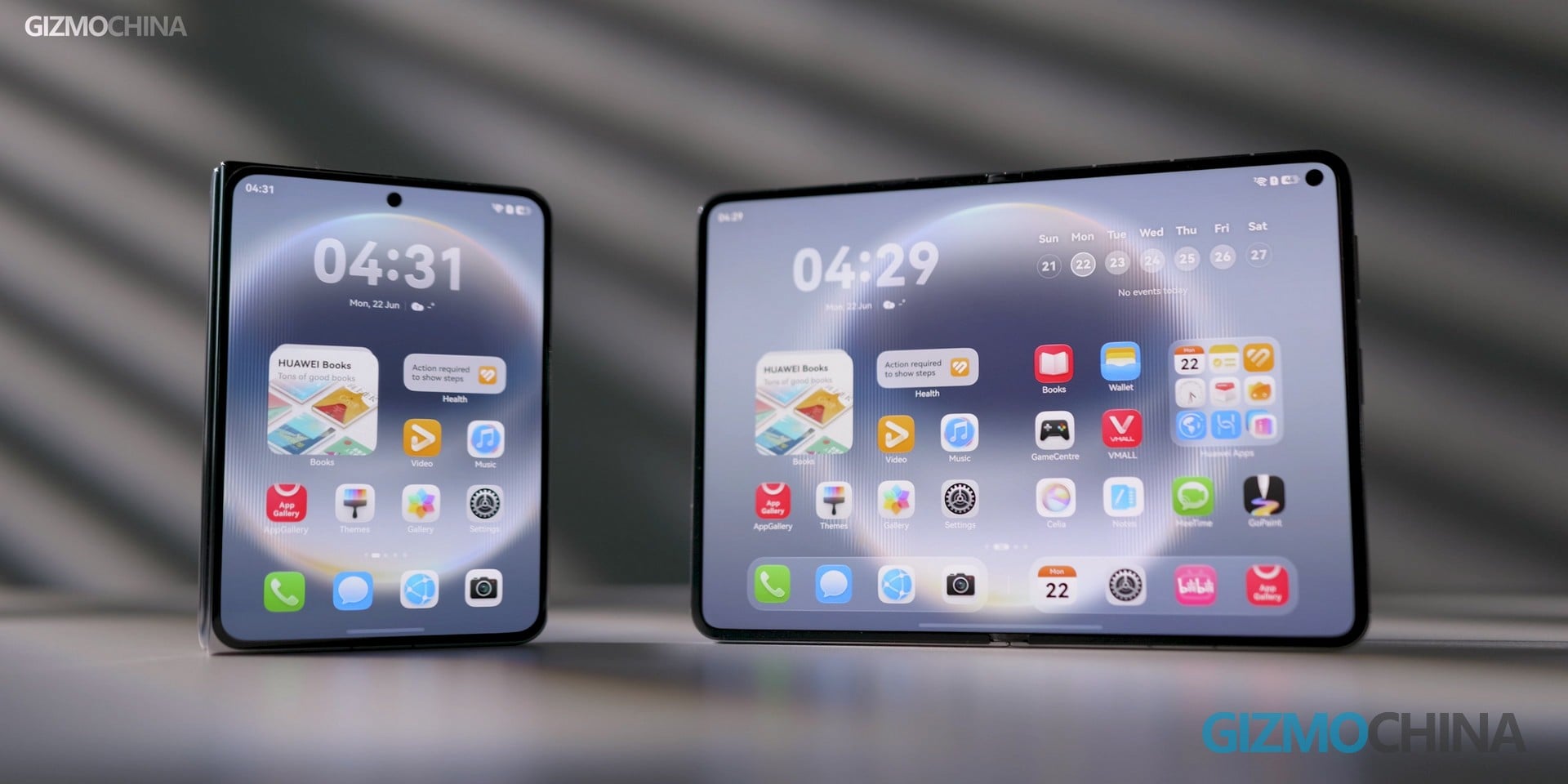
The Pura X Max’s robust sales performance in the Chinese market further substantiates its entitlement to the title of best foldable phone for the first half of 2026.
Best Flagship Killer: OnePlus 15T

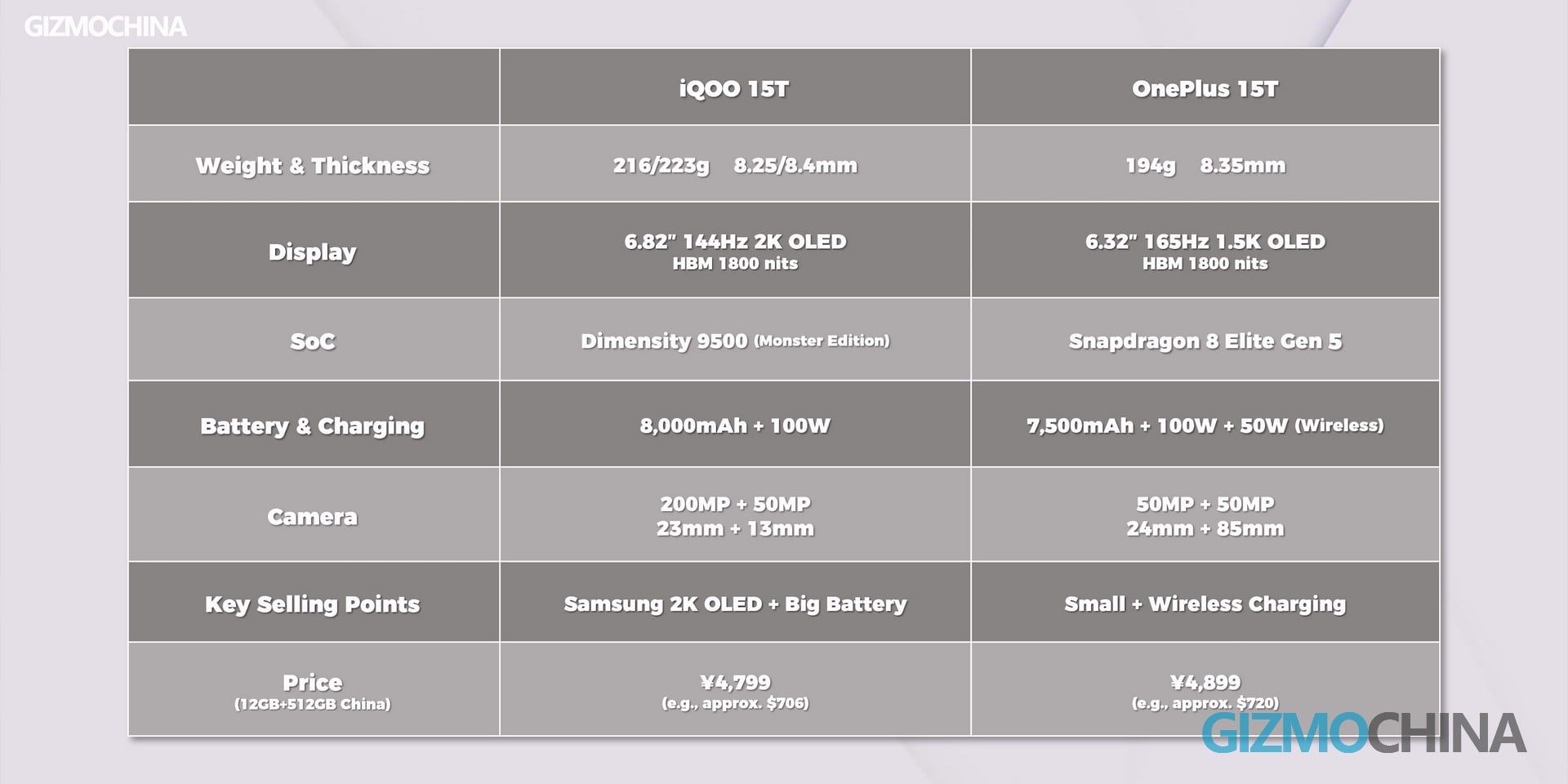
For those seeking a flagship-grade device without a correspondingly steep price, the OnePlus 15T may prove an ideal candidate. Apart from the absence of an ultra-wide-angle camera and the somewhat inconvenient USB 2.0 port, this handset is nearly faultless.
It is equipped with the 8 Elite Gen5 platform, a 165Hz display, a substantial 7,500mAh battery, and wireless charging support. For enthusiasts of compact 6.3-inch smartphones operating within constrained budgets, this device is virtually tailor-made.
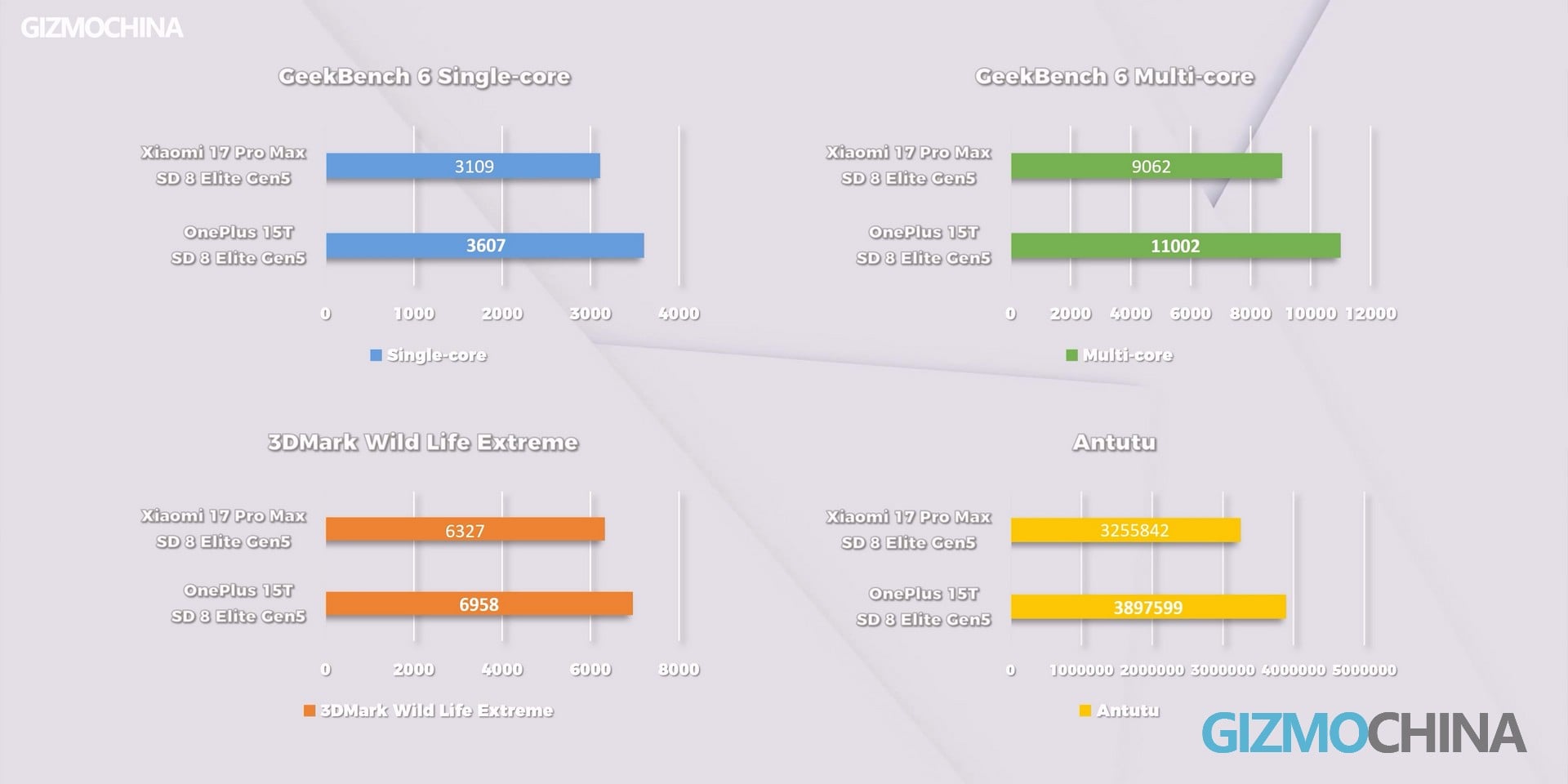
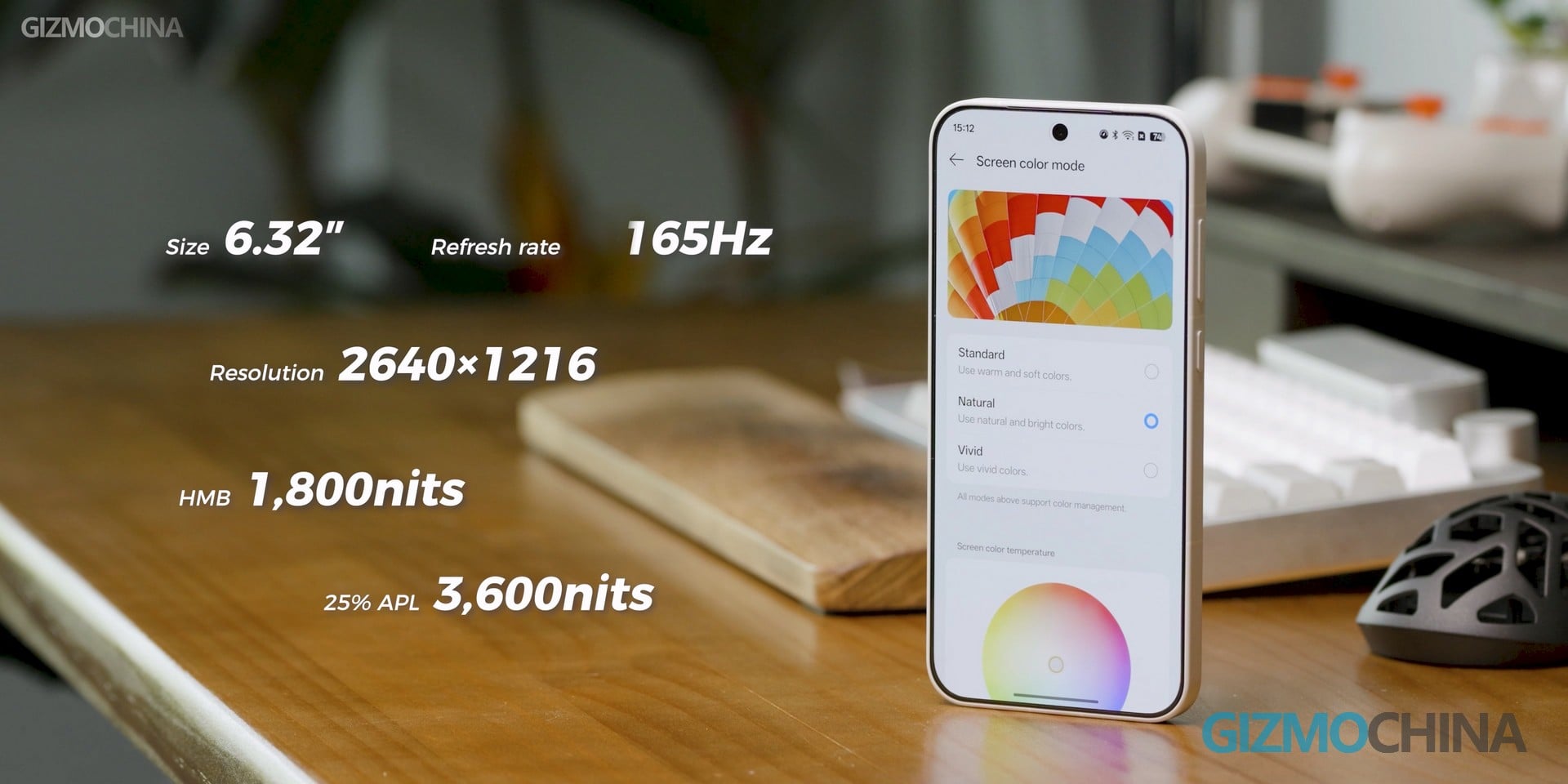
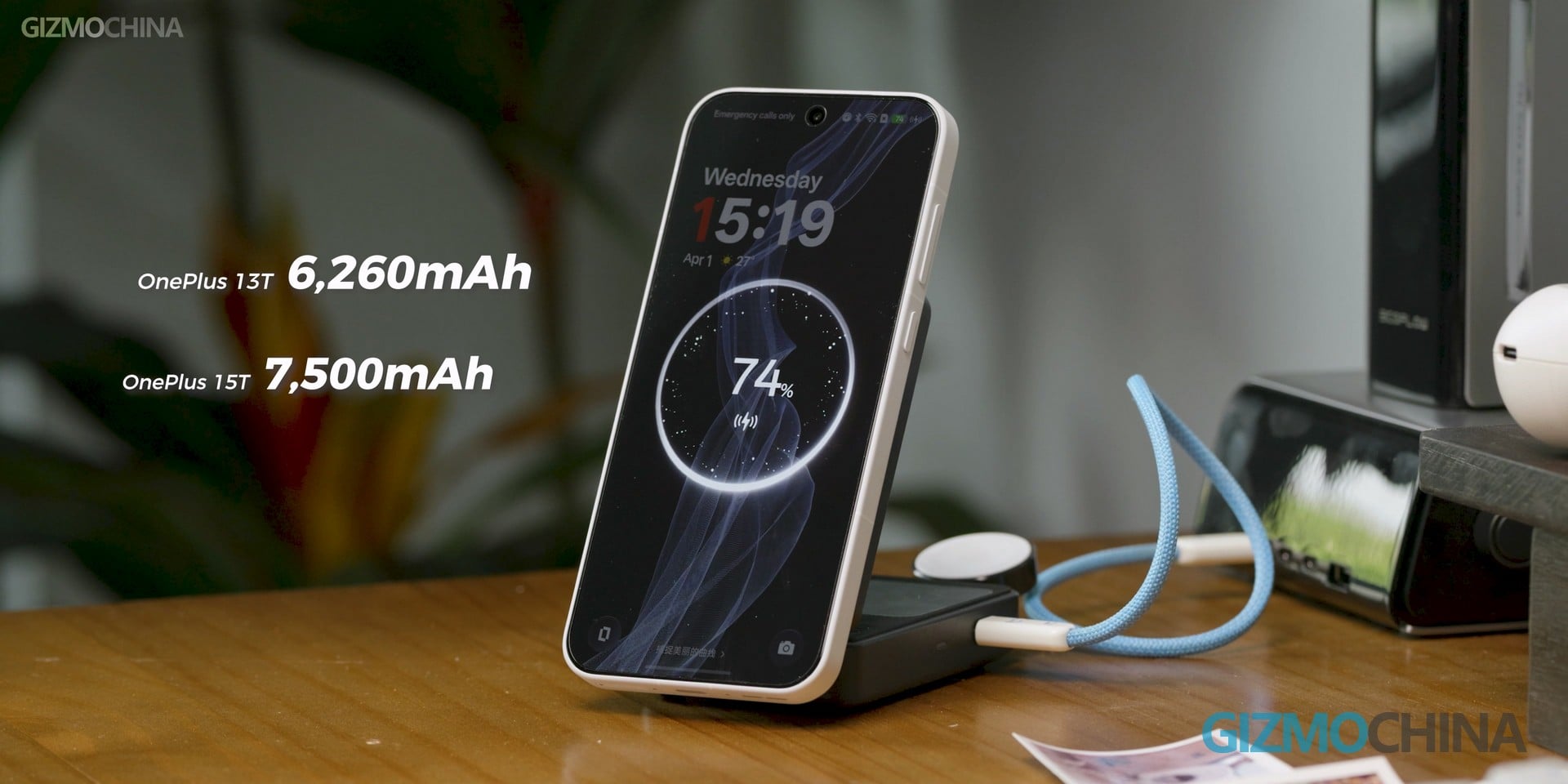
Incidentally, for those who prefer a conventionally sized smartphone, the iQOO 15T merits consideration. Its market positioning closely parallels that of the OnePlus 15T—both devices compromise on camera performance to maintain competitive pricing. Ultimately, the choice reduces to individual preference, with no unequivocally superior option between the two.
To be candid, the first half of 2026 lacked considerable excitement. Most of the noteworthy activity stemmed from flagship camera phones competing for dominance, while the majority of mid-range and entry-level devices are slated for release in the latter half of the year.
Among all offerings observed in Q1 and Q2, the most strategic maneuver was arguably HUAWEI’s decision to maintain price stability. This approach proved remarkably successful, enabling the company to achieve substantial profitability in the premium smartphone segment and securing two “Best” titles in this roundup.
With the next generation of flagship chipsets anticipated in September, most 8 Elite Gen5 and Dimensity 9500 devices are already undergoing price reductions to clear inventory. Therefore, for those seeking cost savings, the present moment presents an opportune time for acquisition.



Comments