Add GIZMOCHINA as Preferred Source on Google
As an Amazon Associate, Gizmochina earns from qualifying purchases. Links on this page may earn us a commission at no extra cost to you.
September doesn’t usually hand you a launch calendar this packed, but 2026 is on another level. More than 20 phones are expected to land this month alone, and nearly every major brand is throwing its biggest hardware into the same four-week window.
You’re looking at the iPhone 18 Pro series and Apple’s first foldable iPhone, the Xiaomi 18 series and the Xiaomi 18 Fold, the Vivo X500 series, the Oppo Find X10 series, the Honor Magic9 series, the Huawei Mate 90 series, the iQOO 16 series, and the Poco F9 series, on top of a wave of Redmi and Poco midrangers.
Part of the crowding comes down to timing that’s shifted across the industry at once. Apple is reportedly pulling its high-end launch earlier and pairing it with a brand-new form factor. Huawei has moved the Mate series up from its usual November slot to get ahead of the competition. Xiaomi is using September to introduce its in-house Xring O3 chip across two device families simultaneously, while Qualcomm’s Snapdragon 8 Elite Gen 6 and MediaTek’s Dimensity 9600 are both fresh enough that Xiaomi, Vivo, and iQOO all want to be first to ship them. Even brands that normally stagger their releases, like Honor and Oppo, are lining their flagships up close enough that you’ll be comparing specs sheets side by side whether you planned to or not.
Not every one of these will matter to you personally, and plenty are China-only at first. But if you’re trying to decide what to wait for, here’s what’s actually worth tracking, starting with the two launches most likely to set the tone for the rest of the year.
1. iPhone 18 Pro, Pro Max, and the first foldable iPhone
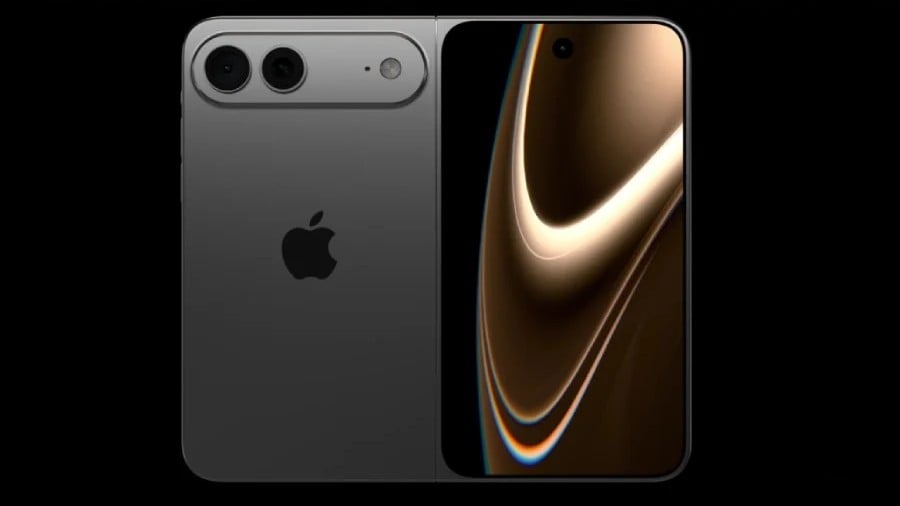
Apple’s event is set for September 9, and this year it’s not just the usual Pro refresh. You’re getting the iPhone 18 Pro and Pro Max alongside Apple’s first foldable iPhone.
The Pro models are tipped to keep familiar 6.3-inch and 6.9-inch screen sizes, but move to the A20 Pro chip built on a 2nm process, 12GB of RAM, and Apple’s own C2 modem instead of a third-party option. You’ll also see a shrunken Dynamic Island as Face ID components move further under the display.
The foldable is the bigger story for you if you’ve been waiting to see what Apple does with the form factor. According to rumors, it will have a 7.8-inch inner display and a 5.3-inch cover screen, built from a mix of titanium and aluminum. Apple is reportedly dropping Face ID here in favor of Touch ID, likely built into the power button, and skipping a telephoto lens on the dual rear camera setup. That’s a real trade-off for a device expected to cost more than $2,000, especially since Samsung’s Galaxy Z Fold series and Huawei’s Pura X line don’t cut that corner.
2. Xiaomi’s busiest month of the year
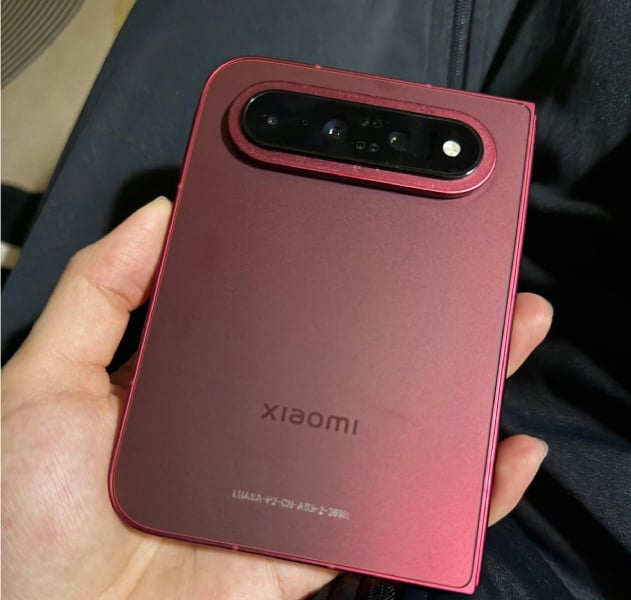
Xiaomi is treating September as a launch marathon. The company will launch the Xiaomi 18 Fold in early September with the company’s new in-house Xring O3 chip, paired with next-generation LPDDR6 RAM.
Moreover, you’re likely to get a 7.6-inch foldable display, a 6,000mAh battery that’s noticeably bigger than what Samsung and Huawei offer in their folding phones, 67W wired and 50W wireless charging, and a 200MP primary camera. It ships alongside the Xiaomi Pad 9 Pro Max, which uses the same chipset.
Toward the end of the month, Xiaomi is set to launch the Xiaomi 18 Pro series with Snapdragon 8 Elite Gen 6 hardware. Xiaomi will be the first brand to ship phones with that chipset.
You can expect dual 200MP SmartSens sensors, a dedicated AI button, and — notably — a faster global rollout than in past years. Xiaomi’s global 18 Pro and standard 18 models have already picked up certification in markets including Turkey, the EEA, Russia, Taiwan, and Japan, though India isn’t part of that initial batch as of yet.
3. Huawei Mate XT2

Unlike most of the phones in this roundup, the Mate XT2 doesn’t need a rumored tag. Huawei has officially confirmed its launch date for September 7, landing well before both the Mate 90 series and Apple’s own event. The device is Huawei’s third tri-fold phone, following the original Mate XT and last year’s Mate XTs refresh.
Pre-orders are already open in China in 16GB+512GB, 16GB+1TB, 16GB+1TB with a privacy display, and a top-end 16GB+2TB version bundled with a privacy display and a stylus. The first three configurations come in Obsidian Black, White, and Purple, while the top-tier model is Purple only.
On the hardware side, the device could get a Kirin 9050 Pro chipset built on Huawei’s newer process, a battery above 6,000mAh, and a redesigned hinge aimed at reducing the crease on the 10.2-inch unfolded display.
What’s notable is how Huawei is sequencing this against its other September launch. Rather than bundling everything into one event, the company is reportedly splitting the Mate XT2 and Mate 90 series across two separate dates. This gives Huawei two separate moments in the spotlight instead of one.
4. Huawei Mate 90 series arrives early with a new Kirin chip
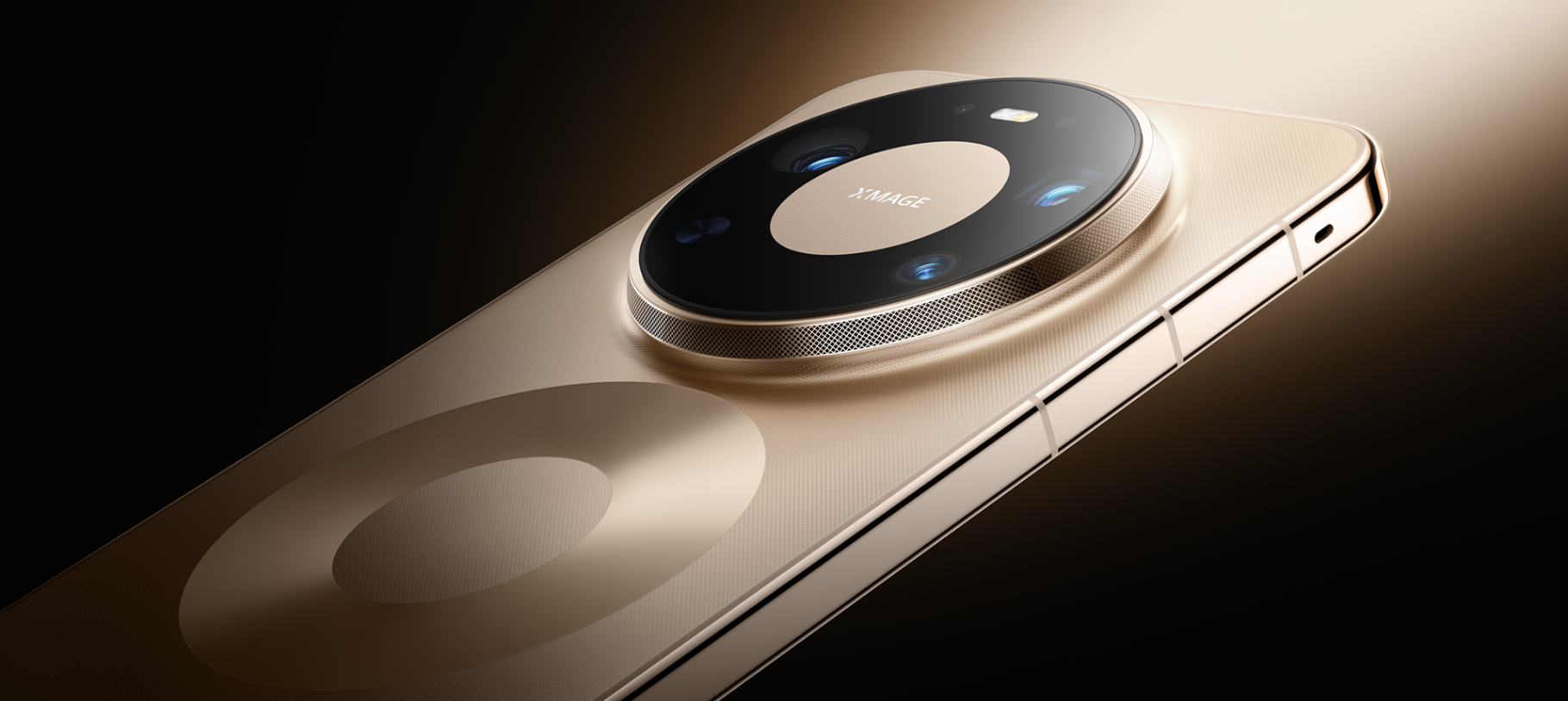
Moving to the Mate 90 series now, and if you know the Mate series has typically launched in November, this year it’s reportedly moving up to September to land closer to Apple’s event.
The chipset is the bigger story here. Huawei’s next Kirin processor is said to use a new “Tau” design approach that increases transistor density by more than 50%, putting performance in the neighborhood of early TSMC 3nm chips despite Huawei’s manufacturing constraints.
On the camera side, the Mate 90 Pro Max is tipped to bring back true long-range optical zoom with dual periscope telephoto lenses, including one capable of 10x optical zoom, a setup Huawei hasn’t offered since the P40 Pro+. Likewise, the battery capacity is expected to land between 6,800mAh and 7,000mAh across the Pro Max and RS models, paired with a 6.9-inch Tandem OLED display.
5. iQOO 16 Series

The iQOO 16 series is, as usual, a performance-first flagship, and iQOO is expected to unveil it in China alongside the iQOO Neo 12 and a new compact tablet. You’ll get a 6.85-inch Samsung-made flat display running at 2K resolution with a 165Hz refresh rate, paired with the Snapdragon 8 Elite Gen 6 Pro chip.
What’s notable is that iQOO is putting more effort into the camera system this time. The device is tipped with three 50MP rear sensors, including a large 1/1.3-inch primary sensor with an f/1.68 aperture. Extras include Bose-tuned dual speakers, a dedicated X-axis linear motor for haptics, a 3D ultrasonic fingerprint sensor, and IP68/IP69 ratings. The device is likely to launch at the end of September or early October, so it’s one of the later arrivals in this whole wave.
6. Vivo X500 series goes all in on video
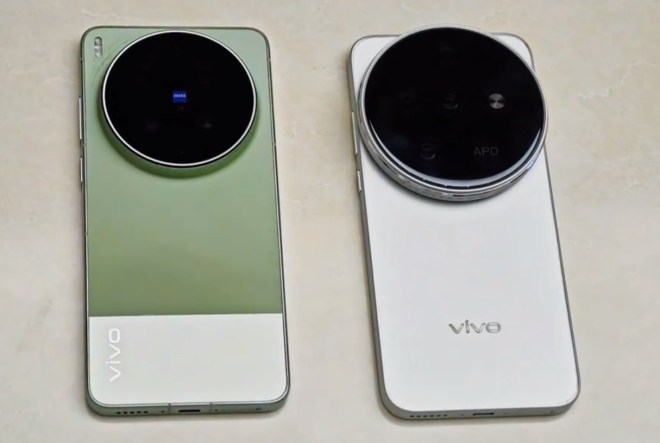
Vivo has confirmed the X500 series for a September debut in China. As usual, both the X500 Pro and Pro Max have a Zeiss Super Dynamic main camera co-developed with Sony, rated for 17EV of dynamic range, which Vivo describes as the highest in the industry right now. The capability carries over to video too, with 4K 240fps slow motion and 4K 120fps HDR recording. The camera module also gets 3-degree OIS with gimbal-level stabilization.
Hardware-wise, the Vivo X500 Pro Max is expected to have a 6.85-inch 2K display using BOE’s Q11 panel, the first phone globally to get it. Vivo says it cuts motion blur during scrolling by 93% compared to the previous generation. The standard X500 and Pro model are expected to run MediaTek’s Dimensity 9600 series chips, while the Pro Max might step up to the Dimensity 9600 Pro.
7. Oppo Find X10 series with dual periscope cameras
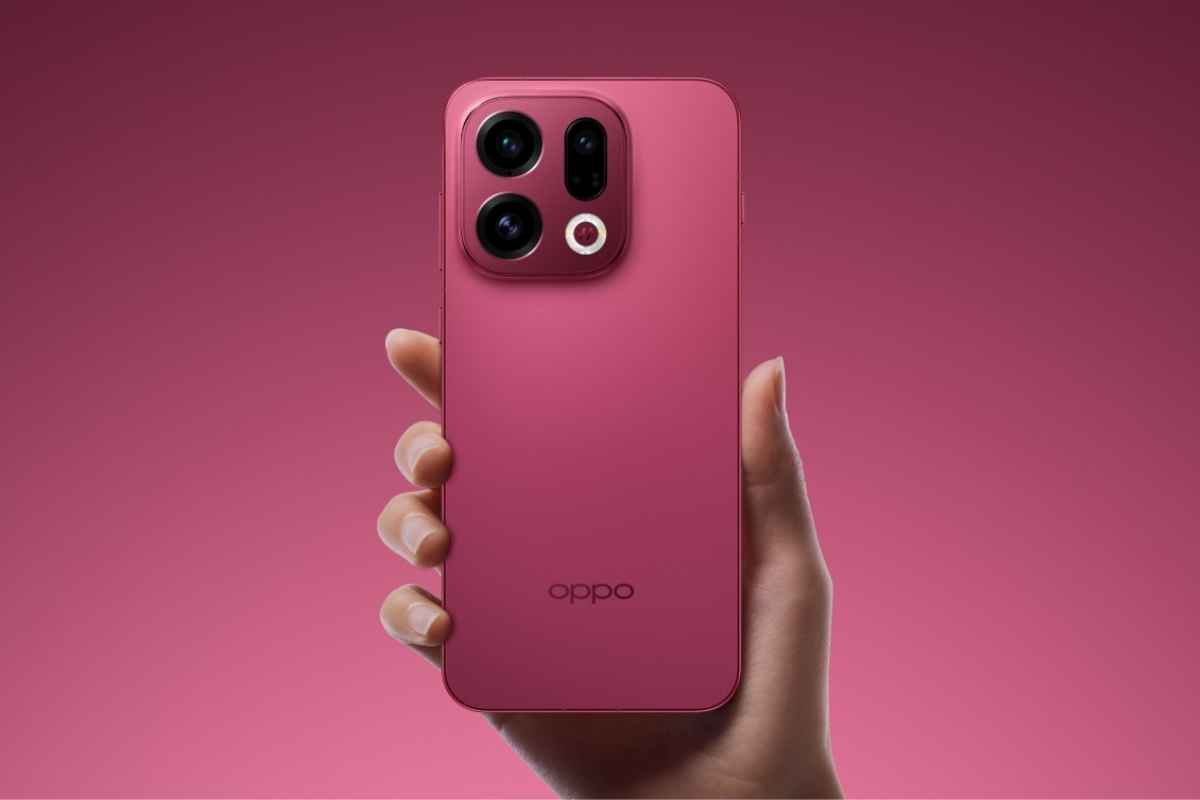
The Oppo Find X10 series has been through a few rounds of leaks so far. The latest word points to the Pro Max sitting at the top of the range, above the standard Find X10 and Find X10 Pro, with a possible compact flagship variant thrown in for people who don’t want a massive phone. Camera-wise, you’re looking at dual 200MP rear sensors across the higher-end models.
Under the hood, the base Find X10 is tipped to run a MediaTek Dimensity 9600 series chip and pack an 8,000mAh battery. Oppo hasn’t confirmed pricing or an exact date yet, but everything points to a China launch this month, with the usual gap before it reaches global markets. If you’re comparing it against the Find X9 series you already know, expect the camera hardware to be the headline change rather than the design.
8. Honor Magic9 series brings ARRI’s cinema tools to the phone
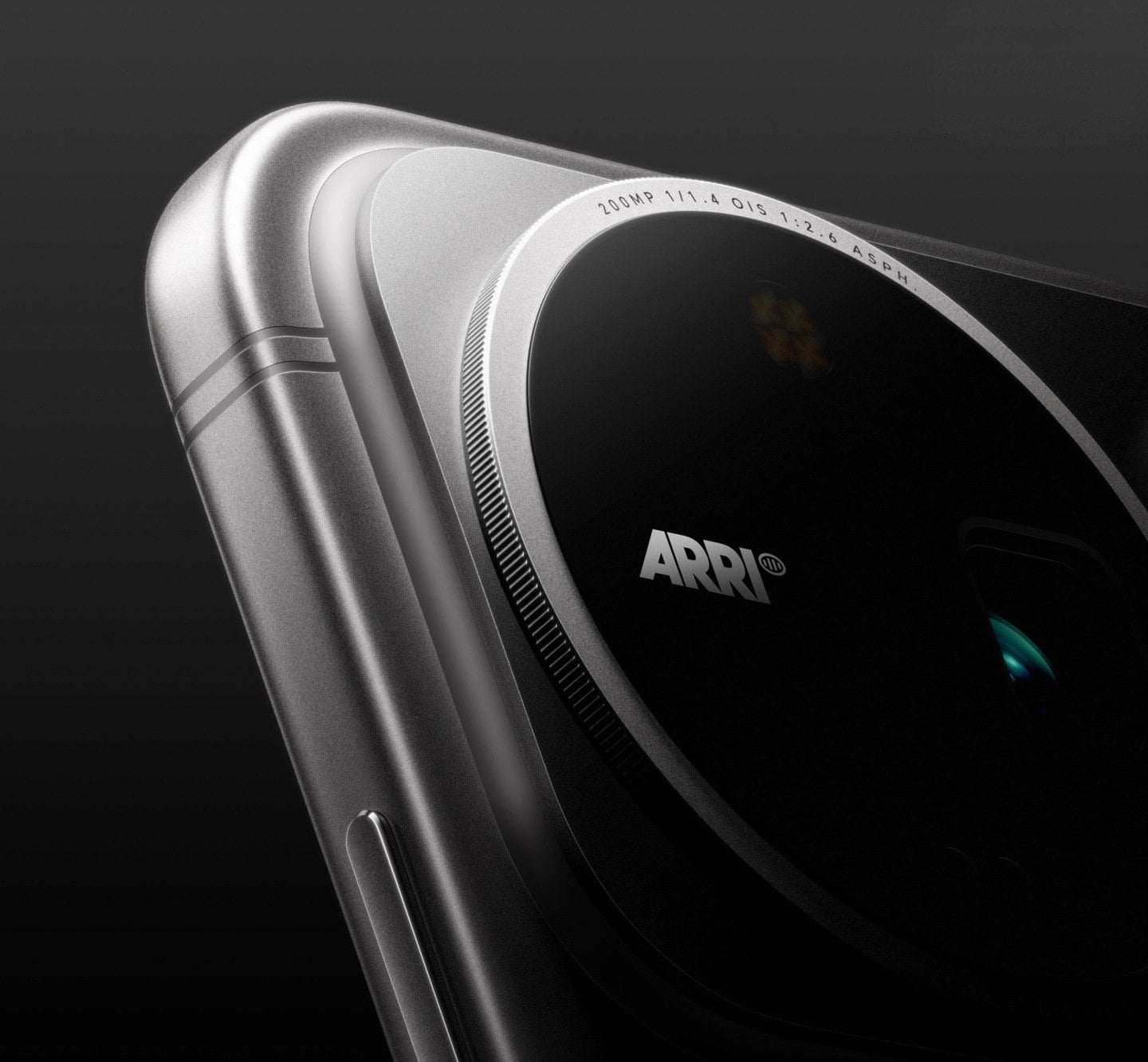
Honor has already confirmed the Magic9 series for a September 28 launch in Beijing, moving nearly a month earlier than the Magic8 series did last year. The headline feature is a continued partnership with ARRI, the cinema camera maker, bringing native Log-C3 video encoding and LUT color grading down to a phone. Honor is also tipped to give the standard Magic9 a square selfie camera, a first for an Android phone.
On the rear, it is rumored to have a 200MP main sensor with 3-degree OIS and a second 200MP periscope telephoto lens on the higher models, backed by a Snapdragon 8 Elite Gen 6 chipset. The battery is said to climb past 7,500mAh on the standard model and closer to 9,000mAh on the Pro, using Honor’s silicon-carbon battery tech.
9. Poco F9 Series
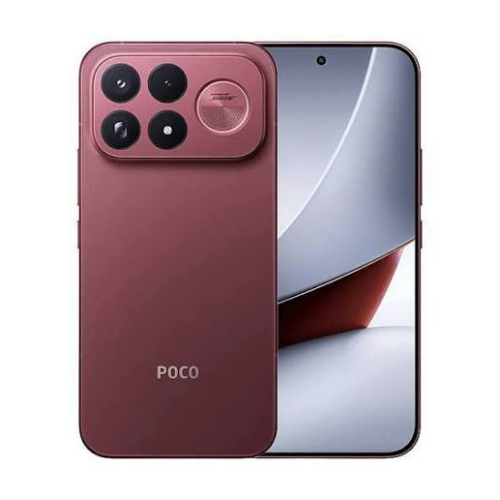
Unlike most of the phones on this list, the Poco F9 series isn’t still stuck in leaks — Poco F9 Pro and F9 Ultra have a confirmed global launch date of September 1. Both are rebranded versions of the Redmi K100 Pro and K100 Pro Max, built around the Snapdragon 8 Elite Gen 5 chip. The F9 Pro gets a 6.59-inch QHD+ Plastic OLED display at 185Hz, while the F9 Ultra steps up to a 6.85-inch panel with a 2608 x 1200 resolution, both developed with TCL CSOT and Xiaomi contributing to the panel design.
Likewise, the F9 Pro packs 6,330mAh while the F9 Ultra jumps to 8,050mAh, both supporting 100W wired charging and USB Power Delivery. On camera, the F9 Ultra adds a 50MP ultrawide and a 50MP 5x telephoto on top of its main sensor, while the F9 Pro trims that down to an 8MP ultrawide and a 2.5x telephoto.
For daily updates, please visit our News Section.
Stay ahead in tech! Join our Telegram community and sign up for our daily newsletter of top stories!