
Add GIZMOCHINA as Preferred Source on Google
HyperOS 4 is a pretty significant upgrade for Xiaomi devices that’s built on top of Android 17. It brings numerous upgrades across the system, along with a couple of new features, but there are 5 upgrades that make big differences, and that you should really care about.
1. Soft Light Glass effect brings a major UI refresh
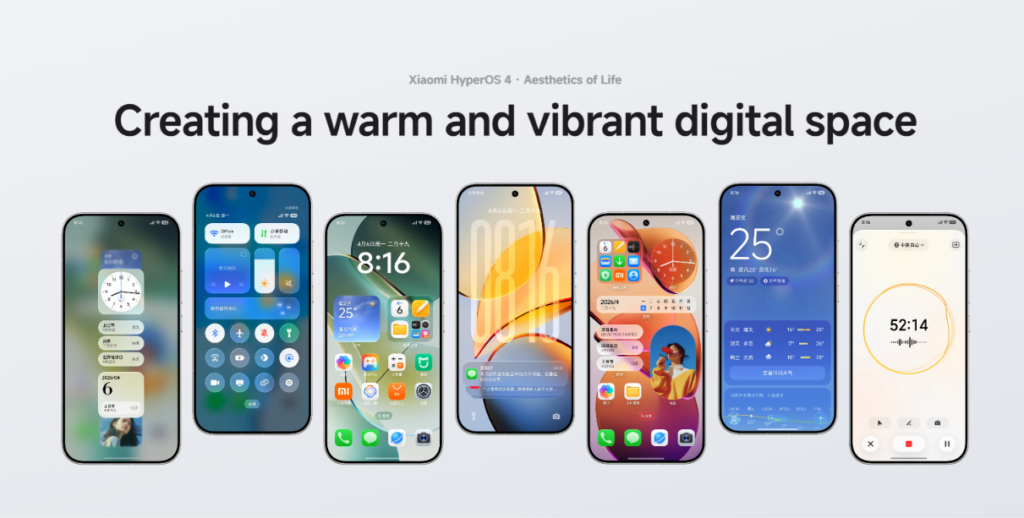
It’s one of the biggest visual upgrades to HyperOS 4, which brings the liquid glass design to Xiaomi phones. The company calls it the Soft Light Glass effect. It introduces dynamic glass refraction, layered cards, and translucent blur materials across the interface.
The new UI effect also extends to the lock screen, home screen, app icons, Control Centre, folders, and widgets — to offer a unified experience.
Most Xiaomi devices eligible for HyperOS 4 should receive the new Soft Light Glass effect, but the full experience with deeper integration will be offered only to select devices due to hardware limitations. That includes Xiaomi powered by the Snapdragon 8 Elite, Dimensity 9500, Xring O1, or newer flagship chipsets.
2. Super XiaoAi 2.0 brings deeper AI integration
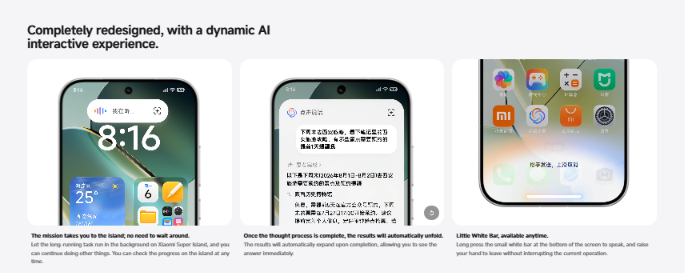
The new Super XiaoAi 2.0 system assistant is built on Xiaomi’s in-house MiMo large language model (specifically MiMo V2.5). It gains enhanced long-term memory, cross-app execution capabilities, and context-aware screen recognition.
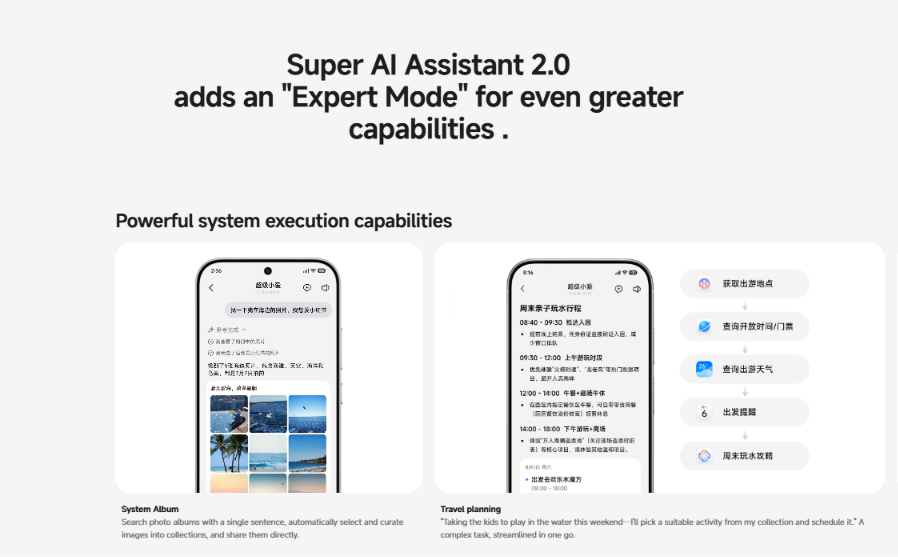
The new Expert Mode is capable of managing multi-step commands. For example, it can dive into your personal preferences and plan your next trip based on your availability by checking your calendar. It can also generate deep research reports, PowerPoint presentations, websites, and videos from a single prompt.
HyperOS 4 also introduces the Inspiration Ball, which analyzes on-screen content and suggests relevant actions such as map navigation, calendar entries, or shopping links.
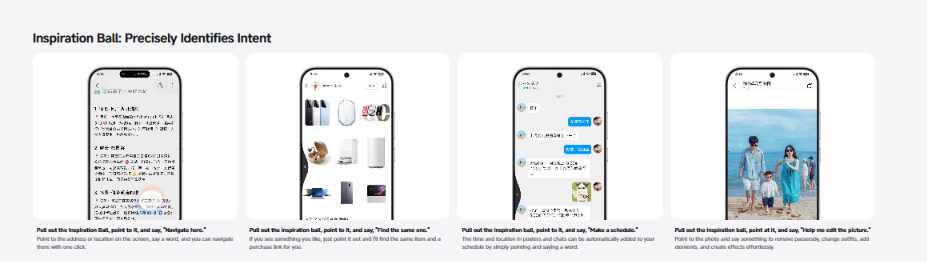
First-party apps also receive useful AI upgrades to offer more helpful experiences. For instance, the Recorder app can now identify meeting scenarios, extract key points and generate summaries. AI Voice Notes can pull conclusions and to-do items from attached images, and the Super XiaoAi keyboard adds voice input polishing.
3. Performance gains
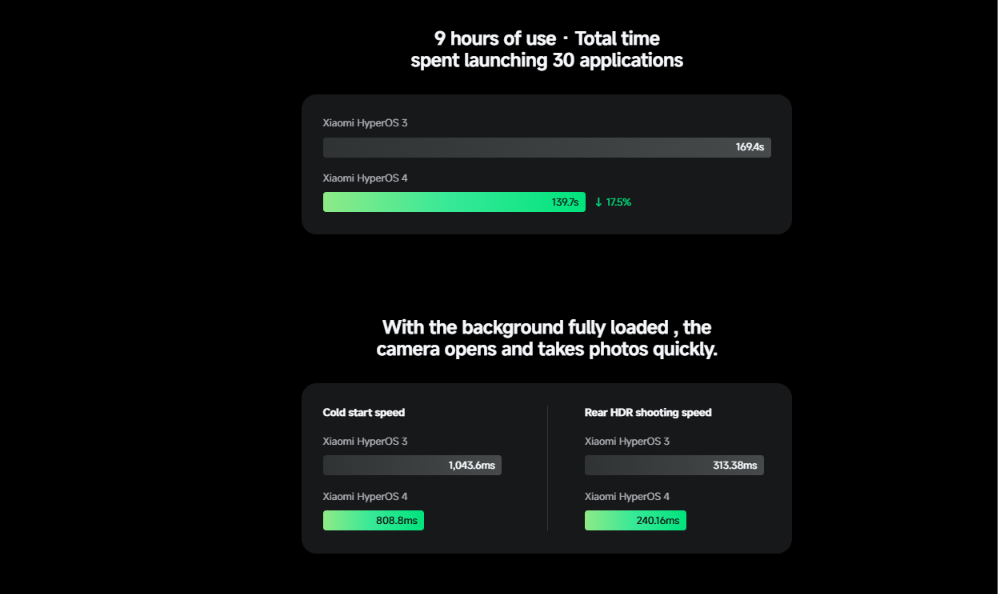
The new memory preloading system in HyperOS 4 leverages AI to preload frequently accessed assets. Xiaomi claims this results in 27.2% higher available memory and 17% faster app launches after extended usage.
Xiaomi has also improved the underlying HyperCore engine, reducing redundant CPU instructions by approximately 14.4% compared to HyperOS 3.
The Gallery app now delivers up to 90% smoother scrolling, while the Camera app’s cold startup time has reduced by 200ms. The HDR Photo processing time has been reduced to 240ms (from 310ms in HyperOS 3).
4. Redesigned lock screen
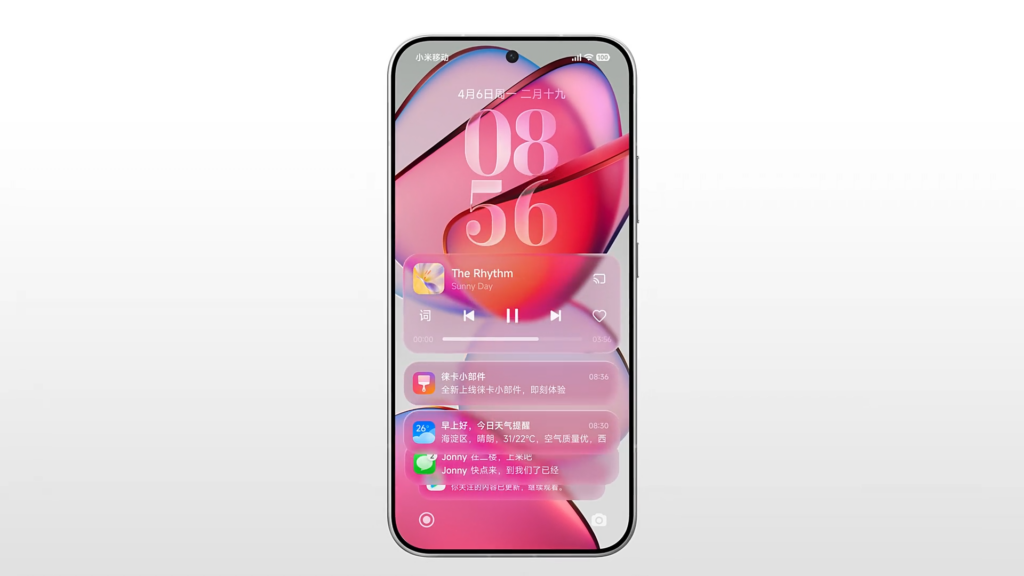
In addition to the new Soft Light Glass effect, the lock screen now offers flexible clock styles, allowing users to stretch, rescale, or reposition text or numeric clock layouts across the screen. This is similar to what you can do on iPhones running iOS 26 or newer.
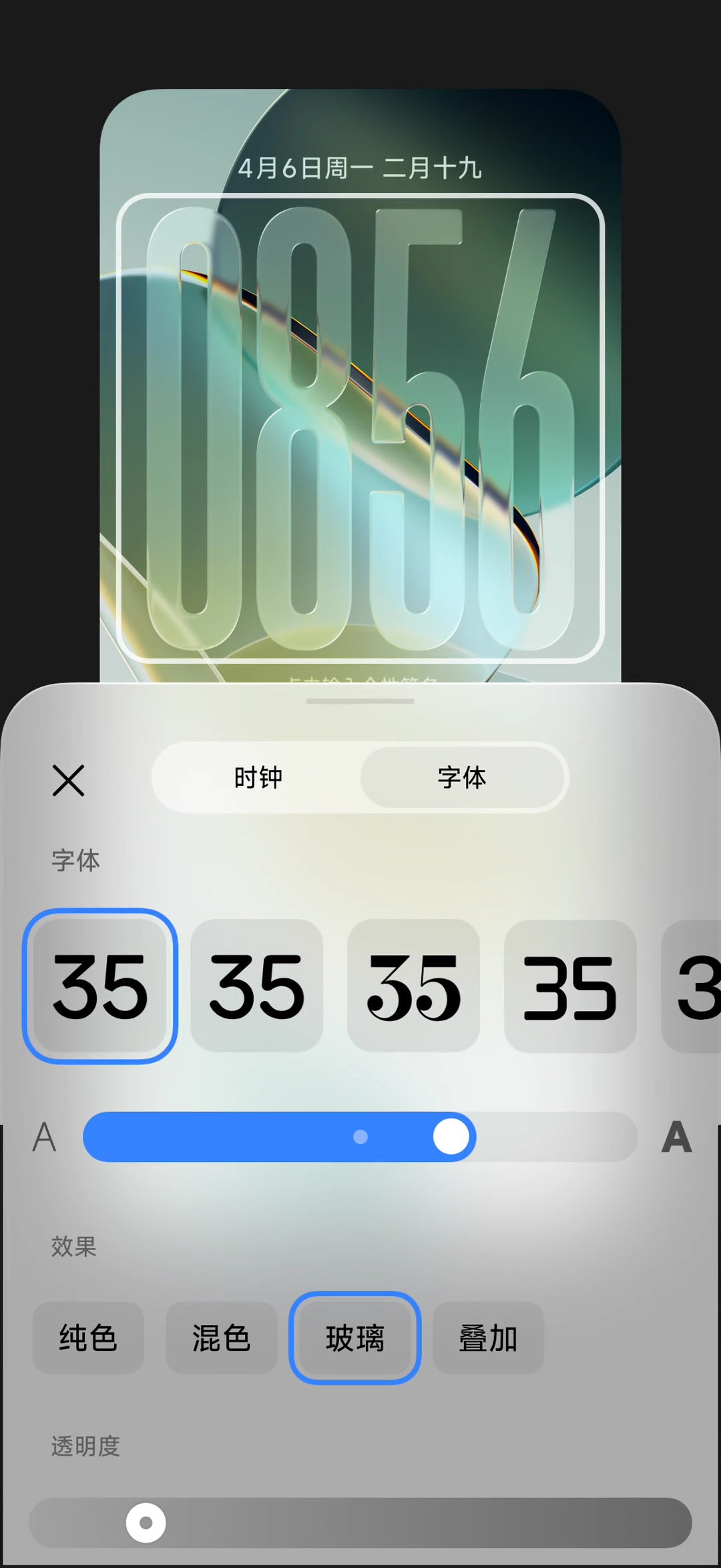
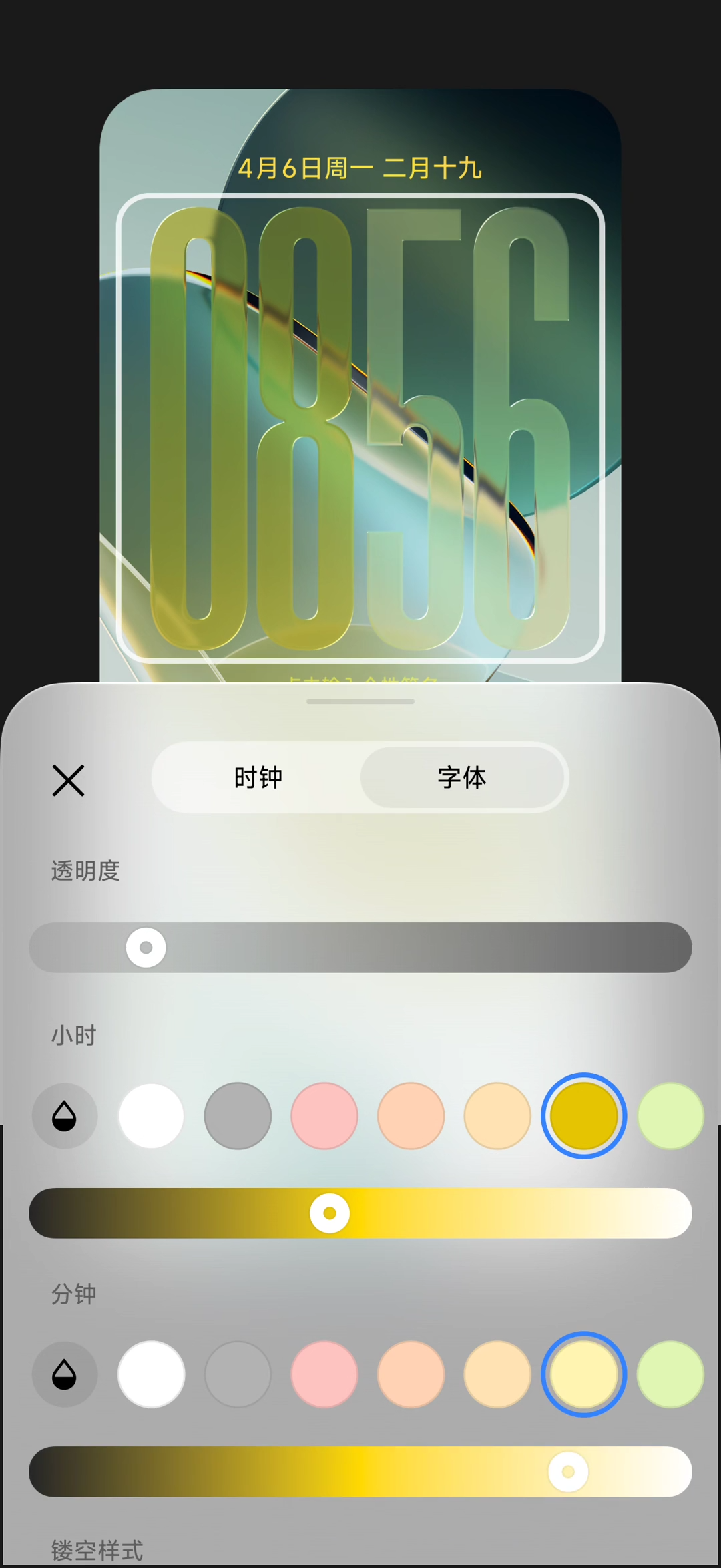
Instead of individual cards that clutter the lock screen, HyperOS 4 introduces vertically stacked notifications to Xiaomi phones. The lock screen features advanced spatial depth effects, allowing the system to isolate subjects, text, date, or clock layouts seamlessly behind the foreground object.
5. Dual-Phone Syncing
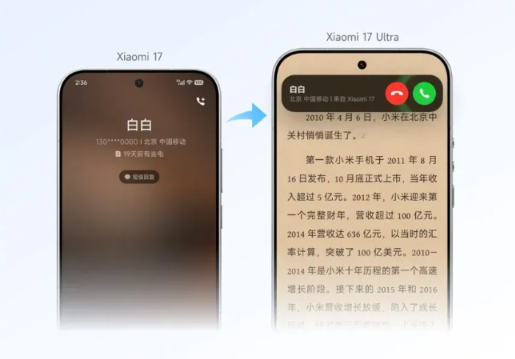
The newly introduced Dual-Phone Syncing feature allows two Xiaomi, Redmi, or POCO phones to seamlessly share incoming phone calls and SMS verification codes (OTPs) in real time.
What’s the best part? Unlike older casting tools, this feature doesn’t require two devices to be connected via Bluetooth or share the same Wi-Fi connection. Dual-Phone Syncing communicates over the internet, and so the phones will sync calls and texts even if they are connected to entirely different cellular networks.
To use this feature, both phones must be logged into the same Xiaomi account. The phone intended to receive mirrored notifications must be updated to HyperOS 4, while the sending device can function on HyperOS 3.
Xiaomi’s Dual-Phone Syncing feature is currently limited to China, but it could soon expand to other regions.
1. HyperOS 4 global beta expands to more Xiaomi devices
2. Xiaomi HyperOS 4 update: Supported devices and rollout timeline
If you haven’t received the HyperOS 4 update, check our Xiaomi section to get the latest rollout details. You can also join our Telegram channel for instant alerts.



Comments